Plastic Mesh HDPE Geonet
Manufacturing Process
Industrial manufacturing workflow of Plastic Mesh HDPE Geonet:
Resin drying and automated material feeding system
Melt extrusion through multi-channel flat die
Precision strand forming under controlled temperature
Cross-laminated strand bonding at node intersections
Online thickness and density monitoring
Cooling via calibrated water bath system
Surface texturing and edge trimming
Roll winding and protective film wrapping
Product Definition
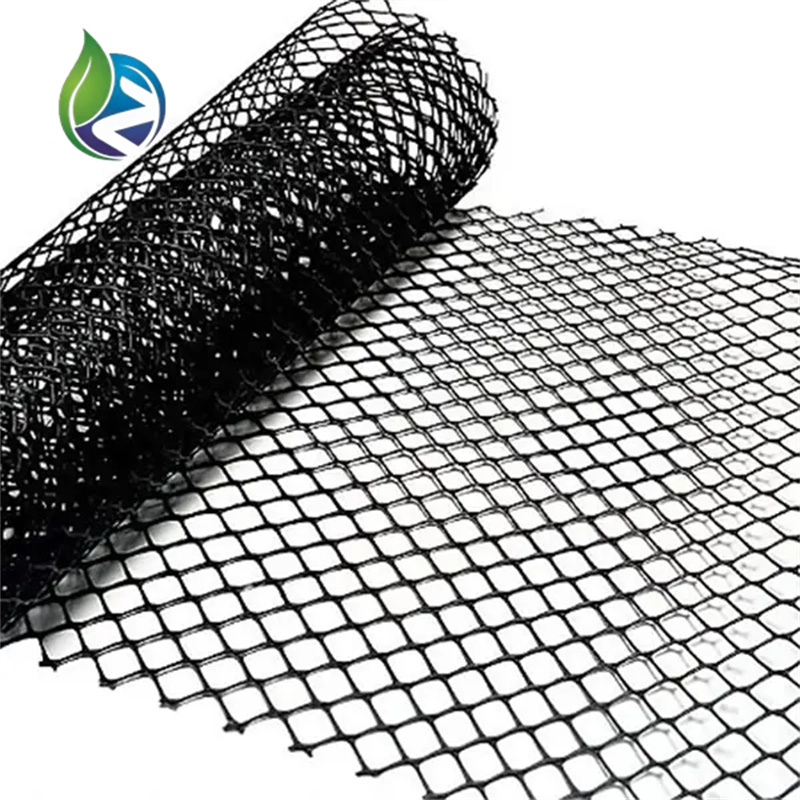
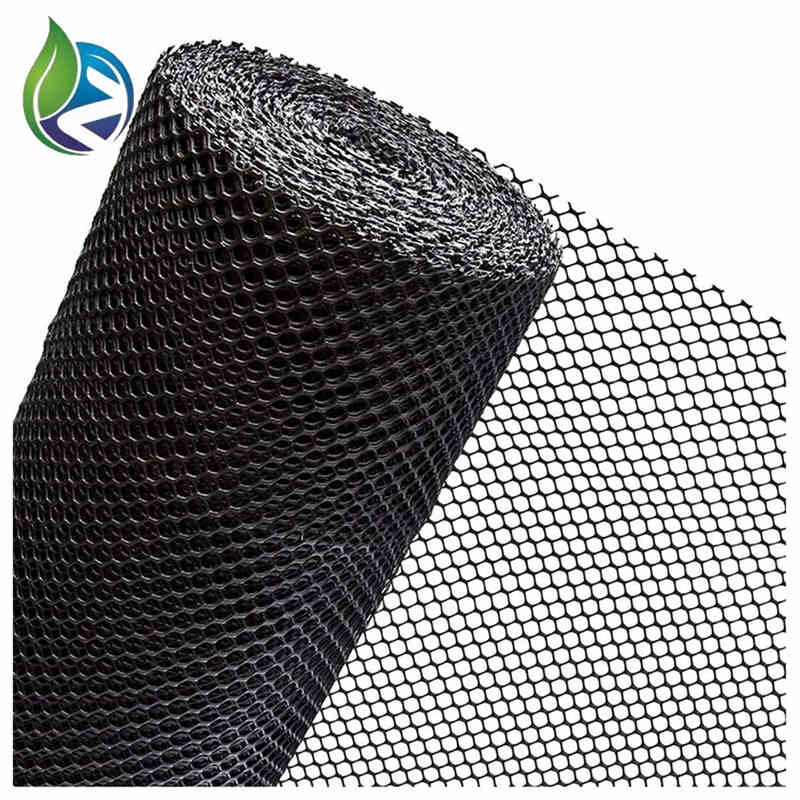
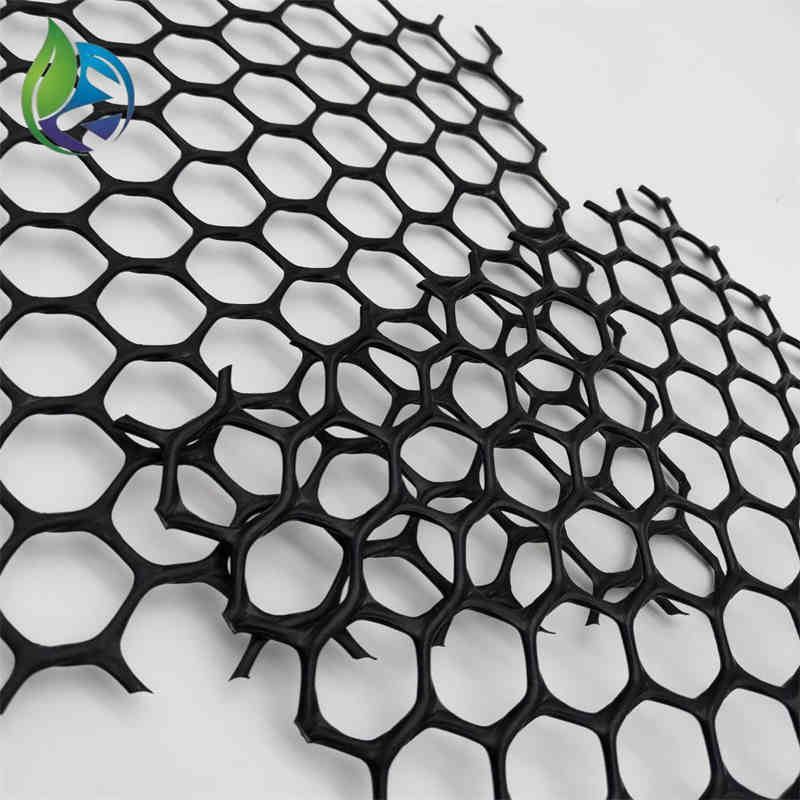
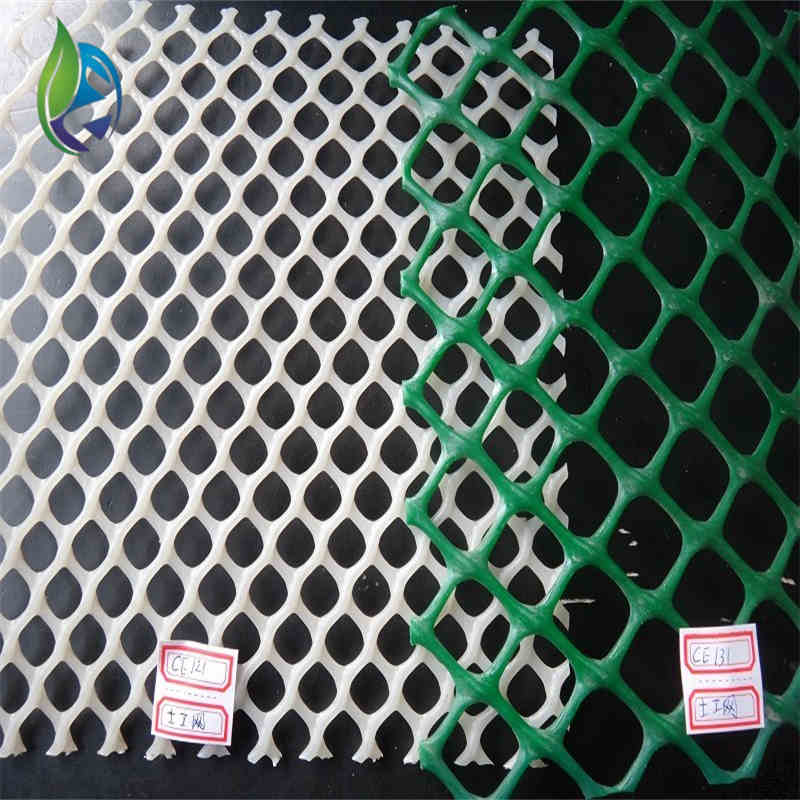
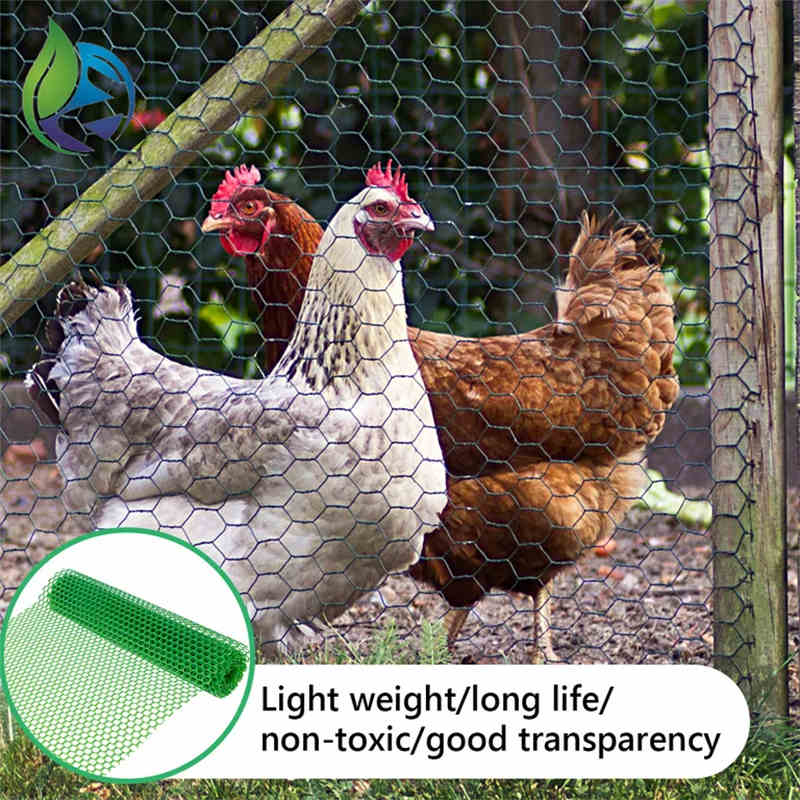
Plastic Mesh HDPE Geonet is a three-dimensional drainage and filtration geosynthetic manufactured from high-density polyethylene. It is designed to provide continuous in-plane flow for liquids and gases while maintaining structural stability under soil loads in civil and environmental engineering systems.
Technical Parameters and Specifications
Standard technical data for Plastic Mesh HDPE Geonet used in engineering drainage and protection projects:
Raw material: High-Density Polyethylene (HDPE)
Structure: Bi-planar or tri-planar extruded mesh
Thickness range: 4.0 – 8.0 mm
Mass per unit area: 300 – 700 g/m²
Compressive strength at 10% strain: 200 – 600 kPa
In-plane transmissivity (1.0 gradient): 1.0×10⁻³ – 5.0×10⁻³ m²/s
Tensile strength: 5 – 15 kN/m
Carbon black content: 2.0 – 2.5%
Standard roll width: 2 m – 4 m
Roll length: 30 m – 100 m
Structure and Material Composition
Engineering structure of Plastic Mesh HDPE Geonet:
Extruded HDPE core strands forming continuous flow channels
Upper and lower intersecting ribs for load transfer
Node junction points with fusion-bonded integrity
Material composition:
Virgin HDPE resin
Carbon black UV stabilizer package
Thermal antioxidants
Optional composite layers:
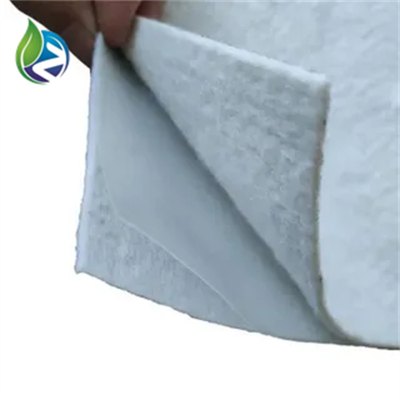
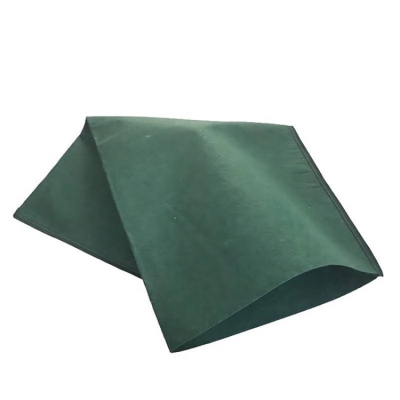
Bonded nonwoven geotextile for filtration control
Adhesive-laminated protective sheets
Manufacturing Process
Industrial manufacturing workflow of Plastic Mesh HDPE Geonet:
Resin drying and automated material feeding system
Melt extrusion through multi-channel flat die
Precision strand forming under controlled temperature
Cross-laminated strand bonding at node intersections
Online thickness and density monitoring
Cooling via calibrated water bath system
Surface texturing and edge trimming
Roll winding and protective film wrapping
Industry Comparison
| Drainage Material | Flow Capacity | Structural Stability | Clogging Resistance | Typical Use |
|---|---|---|---|---|
| Plastic Mesh HDPE Geonet | High | High | Excellent | Landfill and foundation drainage |
| Gravel Drain Layer | Moderate | Variable | Moderate | Traditional subsoil drainage |
| Geocomposite Drain | High | High | High | Vertical wall drainage |
| Foam Drain Board | Low | Low | Low | Light-duty drainage |
Application Scenarios
Engineering applications of Plastic Mesh HDPE Geonet for professional stakeholders:
Landfill leachate collection layers for EPC contractors
Tunnel and underground structure drainage for civil engineers
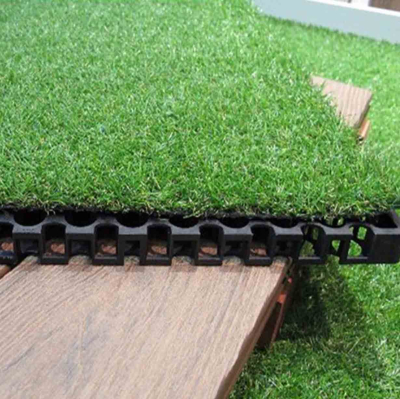
Green roof water management for developers
Retaining wall and basement drainage systems
Heap leach mining pad drainage layers
Core Pain Points and Engineering Solutions
Drain clogging in fine soils: Integrated channel structure maintains stable flow paths.
Excessive hydrostatic pressure: High in-plane transmissivity relieves water buildup.
Low compression resistance: Tri-planar mesh structure provides improved load-bearing stability.
Long construction cycles: Lightweight rolls enable rapid installation and reduced manpower.
Risk Warnings and Mitigation Measures
Risk of geonet crushing under high loads – conduct compressive creep testing during design.
Risk of UV degradation before burial – limit exposure time to less than 14 days.
Risk of improper overlaps – maintain minimum 150–300 mm overlap.
Risk of contamination by fines – specify composite geotextile when filtration is required.
Procurement and Selection Guide
Define required drainage flow rate and gradient conditions.
Calculate compressive loads from cover soils and structures.
Select thickness based on long-term creep performance.
Verify carbon black and antioxidant package through test reports.
Check compatibility with geomembrane and geotextile systems.
Confirm project compliance with ASTM and ISO geosynthetic standards.
Request factory production traceability and lot identification.
Engineering Case Example
A coastal landfill project incorporated Plastic Mesh HDPE Geonet as the primary leachate drainage layer over a 60,000 m² cell. The system was installed beneath a geomembrane liner and nonwoven geotextile. Monitoring showed stable flow capacity and no collapse under sustained waste loading over the initial operational period.
FAQ
Q1: What is the main function of Plastic Mesh HDPE Geonet?
A: In-plane drainage and gas venting.
Q2: Can it be installed on slopes?
A: Yes, with suitable anchoring design.
Q3: Does it replace gravel drainage layers?
A: In many engineered systems, yes.
Q4: What is the typical design life?
A: More than 50 years in buried conditions.
Q5: Is it resistant to chemical leachates?
A: Yes, HDPE is chemically resistant to most acids and bases.
Q6: How is flow capacity tested?
A: By in-plane transmissivity laboratory testing.
Q7: Can the geonet be cut onsite?
A: Yes, with standard cutting tools.
Q8: Is special installation equipment required?
A: No, standard site equipment is sufficient.
Q9: Can it be supplied as a composite?
A: Yes, with bonded geotextiles.
Q10: Which standards govern geonet use?
A: ASTM, ISO, and local geotechnical standards.
Call to Action (CTA)
For project-specific pricing, technical datasheets, or engineered samples of Plastic Mesh HDPE Geonet, submit a formal inquiry with soil parameters, loading conditions, and applicable standards to receive technical support and documentation.
E-E-A-T Author Credentials
This content is prepared by a civil and geotechnical engineering specialist with more than 15 years of experience in geosynthetic drainage systems, landfill engineering, and infrastructure project consulting for EPC contractors and developers.
You have not enough Humanizer words left. Upgrade your Surfer plan.

Technical Specifications
| Property | Specification |
|---|---|
| Material | High-Density Polyethylene (HDPE) |
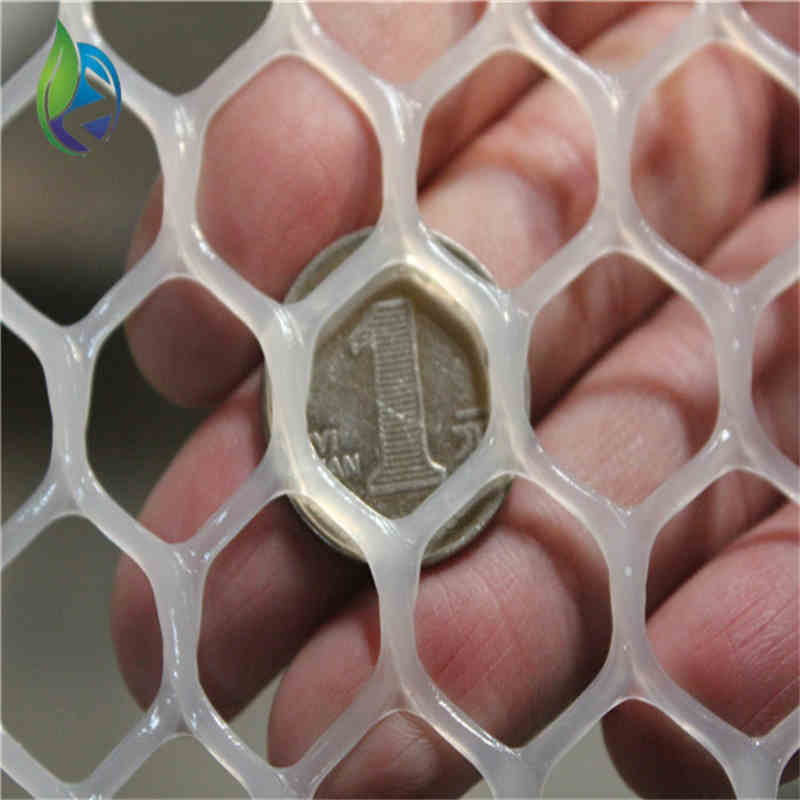
| Mesh Size | 10mm × 10mm / 20mm × 20mm |
| Thickness | 1mm–3mm |
| UV Stability | UV-stabilized for extended outdoor use |
| Tensile Strength | ≥ 20 MPa |
| Roll Width | 1m–5m |
| Roll Length | 50m–100m |
| Color | Green / Black / Custom |