
Highway construction gains a powerful tool, and geogrids protect safety.
Road Construction Gains a Reliable Tool, Geogrids Safeguard Safe Highway Builds
Road infrastructure is the backbone of any region’s economic and social development. Highway construction quality directly impacts travel safety, how transportation works on a day-to-day basis, and just how long road networks can hold up. For decades, construction crews and engineers have been on the lookout for reliable materials—stuff that actually boosts road stability, cuts down on maintenance hassle, and can stand up to time and harsh weather. In modern road building, one material’s become totally indispensable worldwide: geogrids. These engineered geosynthetic materials offer some of the strongest reinforcement and stabilization effects out there for highways of all sizes. They fix age-old issues like soft soil subgrades, slope collapses, and road surface warping. What makes geogrids work so well? It’s not just their simple structure or easy installation. They can turn weak foundations into solid, long-lasting roadbeds that hold up to heavy traffic, soil erosion, and seasonal weather swings. For highway teams, geogrids aren’t just extra add-ons. They’re proven tools that make construction smoother and keep roads safe for years on end. From prepping the subgrade to slope protection and embankment reinforcement, geogrids perform consistently. Roads end up safer, sturdier, more dependable for everyone using them.
Why Geogrids Are Non-Negotiable for Modern Highway Builds
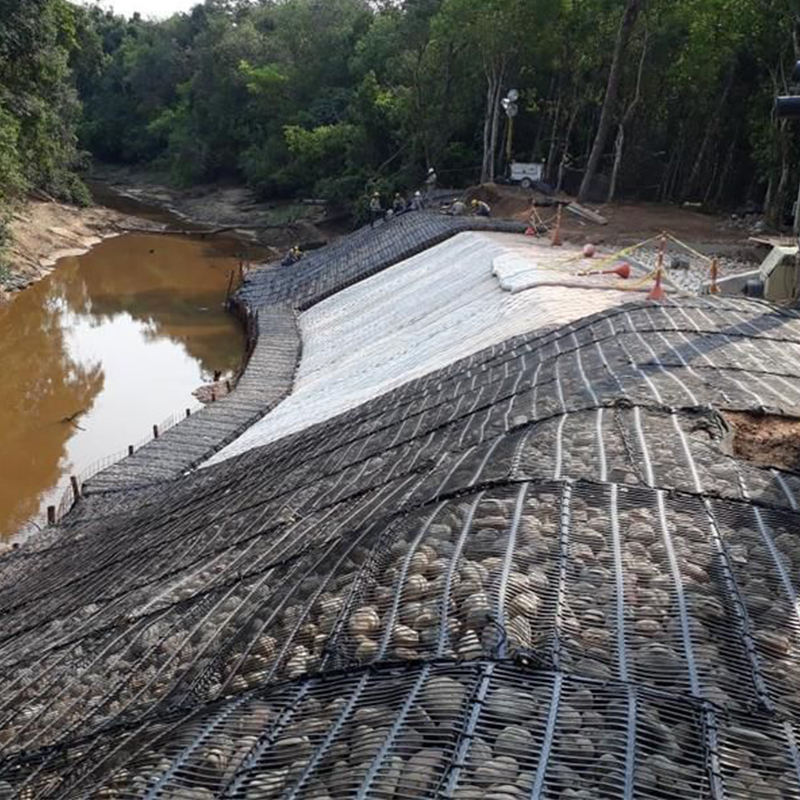
Modern highway construction’s got its hands full with challenges these days. Roads go up across all sorts of terrain—soft clay, steep hills, wetlands, spots where soil shifts regularly. Each of these areas brings unique risks to structural stability. Traditional methods, mostly just soil compaction and concrete reinforcement, often come up short in these tricky spots. Early road cracks, subgrade settling, slope failures—they’re pretty common. These issues mean costly repairs, real safety risks for drivers too. That’s where geogrids step in as a game-changer. They fill gaps old-school materials just can’t cover. Geogrids have a grid-like structure, made from strong polymers, fiberglass, steel-plastic blends, or polyester. Their main job? Reinforce soil and spread out loads. Lay them in road subgrades or next to embankments, and they bond the soil and road surface together. This spreads heavy traffic loads over a wider area, stopping local stress that’d make the subgrade collapse. Spreading loads evenly is crucial for highways—they handle constant heavy trucks, repeated vehicle traffic day in and day out. This slows down wear and tear, makes roads last longer. Geogrids stand up pretty well in different soil types and climates too. Cold, hot, wet, dry—they keep their tensile strength, structure intact. A key use for this versatile material is the geogrid retaining wall. It’s widely used to stabilize roadside embankments and steep slopes along highways. Stops soil from sliding, keeps the retaining wall solid even under extreme soil pressure. Geogrids are easy to transport and install, too. Compared to concrete retaining walls or stone masonry, they need less heavy equipment, fewer workers. This speeds up construction, cuts on-site labor costs, keeps disruptions to surrounding areas low. All these things matter for big highway projects—ones that need to stay on schedule, on budget. Simply put, geogrids aren’t optional anymore. They’re a must for modern highway construction. Engineers and construction teams everywhere now recognize their role in building safer, longer-lasting roads.
Key Functional Advantages Making Geogrids Reliable for Highway Safety
Geogrids are popular in highway construction because of their core functional advantages—they directly fix the most common road building failures. Unlike many materials that only do one thing well, geogrids offer multiple benefits. They strengthen roads from the ground up, tackling subgrade instability, erosion, structural weaknesses all at once. First off, their tensile strength is exceptional. High-quality geogrids are built to resist stretching and tearing under heavy pressure. Even buried deep in soil or under thick asphalt and concrete, they keep their shape. This strength lets geogrids bind soil particles together, creating a reinforced soil mass way more stable than untreated soil. Reinforced soil can handle vertical and horizontal pressure without shifting or settling. That gets rid of the main cause of road cracks and potholes—subgrades sinking over time. Another big plus is their erosion resistance. Highways are always out in the elements: rain runoff, melting snow, wind, seasonal temperature changes. All these wear away at road edges and embankments, causing erosion, gradual damage. Geogrids act as a protective barrier. Slow down water flow, stop soil particles from washing away from roadbeds and slopes. This not only keeps the road’s structure intact but also protects nearby ecosystems by cutting down sediment runoff into waterways and surrounding land. Geogrids play well with other construction materials too. They blend seamlessly with asphalt, concrete, gravel, natural soil. This creates a cohesive structure that makes every layer of the road stronger. No special adhesives or fancy techniques needed to add geogrids to existing construction workflows. That makes them flexible for both new highways and repair projects. Even for steep roadside reinforcement, the geogrid retaining wall works great here. It combines the tensile strength of geogrids with compacted soil weight. The result? A retaining structure that’s light but incredibly strong—way more durable than traditional concrete walls that crack or shift over time. Geogrids perform consistently for long stretches, too. Most high-grade geogrids keep their core strength for decades without major degradation. Resist UV rays, chemical corrosion from soil minerals, damage from plant roots or soil organisms. Means they don’t break down, don’t lose effectiveness even when buried underground for the road’s lifetime. All these advantages add up. Geogrids don’t just build better roads—they build safer ones. Less risk of sudden structural failure, fewer maintenance disruptions, longer lifespan. Saves money for highway authorities and taxpayers. No wonder geogrids have become essential safety tools for highway construction across every continent.
How Geogrids Boost Road Stability and Fend Off Common Highway Failures
Almost all road failures start with subgrade instability. And that’s the problem geogrids solve best for highway construction. Any seasoned road builder will tell you—even the smoothest asphalt fails if the subgrade underneath is weak. Soft soil subgrades are a major pain point for highways. These soils can’t bear much weight. Compress and shift under heavy loads, leading to uneven settling, surface cracks, even total subgrade collapse in bad cases. Geogrids eliminate this risk. They create a reinforced soil structure in the subgrade layer. This spreads the weight of vehicles and road materials over a wider area, reducing pressure on any single part of the soil.
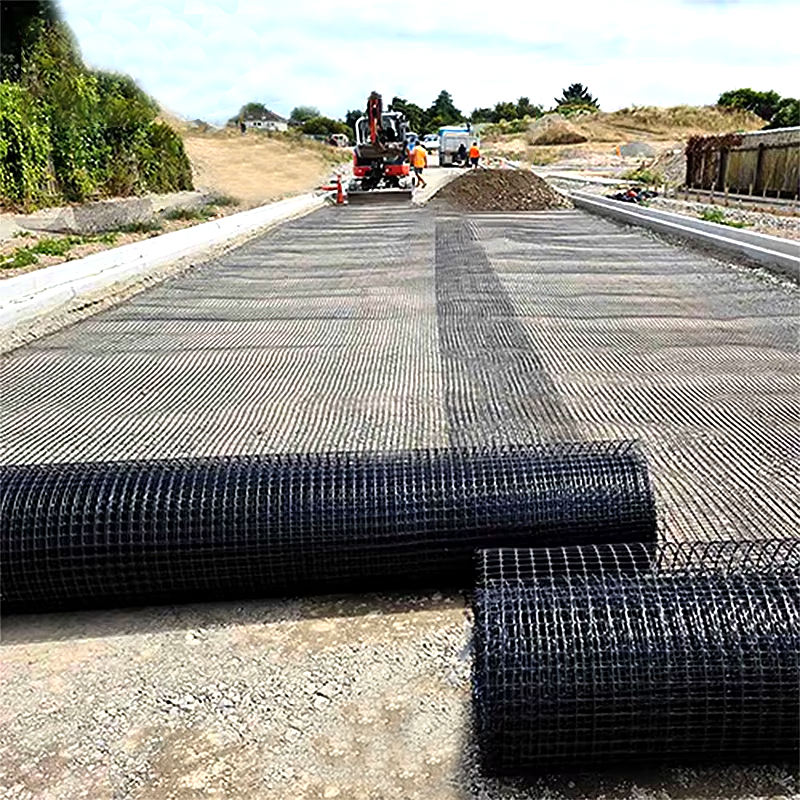
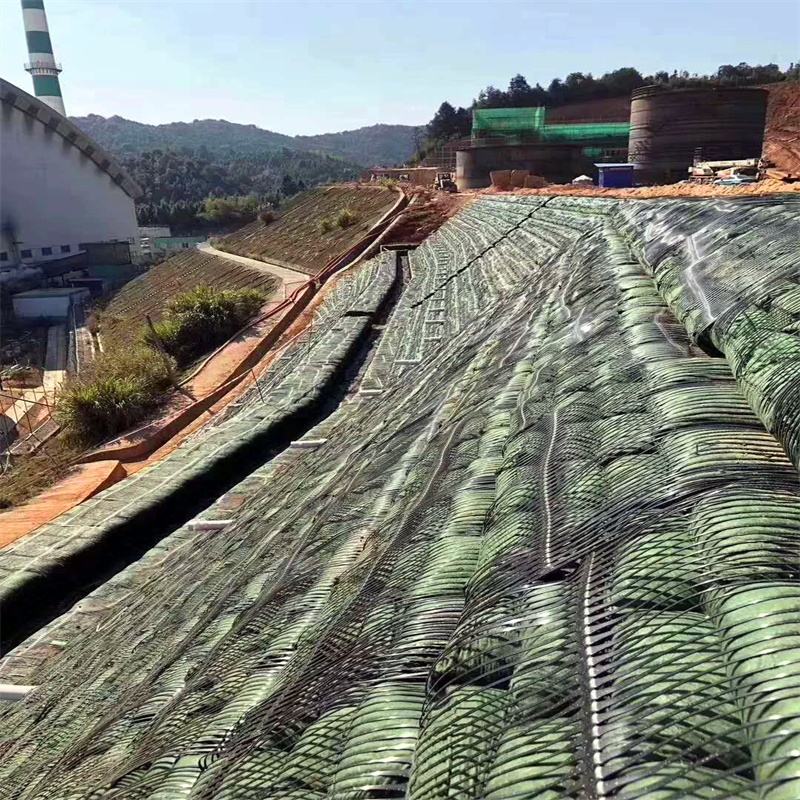
So soft soil subgrades don’t stop builders from making strong, durable highways anymore. Geogrids turn weak soil into a stable foundation that can handle heavy traffic for decades. And it’s not just subgrade reinforcement—geogrids are key for stopping slope and embankment failures along highways too. Many highways cut through hilly or mountainous areas. That means steep embankments, roadside slopes always at risk of sliding or collapsing. Soil pressure, water erosion, natural soil movement—all add to this risk. Without proper reinforcement, these slopes can fail suddenly—blocking lanes, damaging road infrastructure, putting drivers in danger. Geogrids fix this by reinforcing the slope soil. Bind soil particles together to make a cohesive mass that resists sliding and collapse. For these cases, the geogrid retaining wall is engineers’ go-to solution. It’s cost-effective, super durable for stabilizing steep roadside slopes. No need for expensive concrete or stone structures here. The geogrid retaining wall works by anchoring the geogrid into the slope soil. Then layers of compacted soil are built up against it. The result is a wall that’s strong but flexible enough to handle small soil movements without cracking or failing. That’s a huge plus over rigid concrete walls, which break easily when soil shifts. Geogrids stop another common highway failure too: lateral spreading of embankments. When embankments are built on soft soil, they tend to spread outward over time. Causes road edges to collapse, lanes to narrow. Geogrids installed in the embankment layers hold the soil in place. Stop lateral movement, keep the embankment’s shape intact. This not only keeps the road wide and usable but also reduces embankment erosion that eats away at the road’s foundation. What’s pretty remarkable? Geogrids deliver these stability benefits without adding extra weight or bulk to the road. They’re light, thin—don’t put more load on the subgrade. And quick, easy to install, with minimal disruption to the construction site. This mix of effectiveness and practicality is what makes geogrids so valuable for stopping road failures. They address the root causes of instability, not just the symptoms. Fit right into standard highway construction practices too. For builders, that means fewer delays, less costly repairs, and most importantly—roads that stay stable and safe for daily users.
Long-Term Value and Sustainability of Geogrids in Highway Projects
When picking materials for highway projects, two things matter most: long-term durability and overall cost-effectiveness. Geogrids excel at both, making them a smart pick for any highway project. It’s easy to fixate on upfront costs. But highways are supposed to last 20, 30, even 50 years. So long-term costs—maintenance, repairs, replacements—matter way more than the initial material price. That’s where geogrids shine. By strengthening subgrades and stopping early failures, they cut down drastically on costly maintenance over the road’s life. Highways built with geogrids need fewer resurfacings, fewer slope stabilization jobs, fewer subgrade fixes.
Saves highway authorities millions in long-term costs. Geogrids speed up construction timelines too. Translates to lower labor and equipment costs for teams. As mentioned earlier, they’re easy to transport and install. No special machinery or highly skilled workers needed to put them in subgrades or embankments. This simplicity means projects finish faster. Construction crews spend less time on-site, fuel and equipment rental costs go down. For big highway projects, these time and labor savings add up fast. Even compared to cheaper, less durable traditional materials, geogrids end up being cost-effective. Beyond saving money, geogrids are sustainable too. Fits with the global push for greener construction practices. Unlike concrete and stone, which need lots of energy to make and transport, geogrids are made from light, recyclable polymers and composites. Their carbon footprint is much lower. They also reduce the need for excessive soil excavation and fill material. Builders can use existing on-site soil instead of importing tons of gravel or rock for subgrade reinforcement. Cuts transportation emissions, minimizes the environmental impact on surrounding ecosystems. Even for erosion control, geogrids help preserve natural soil and vegetation. Reduce sediment runoff, protect local waterways from pollution. Sustainability applies to geogrids’ lifespan too. They resist degradation, so no need for replacement for decades. Cuts waste, the environmental impact of repeated construction and repairs. In sustainable highway design, the geogrid retaining wall is a great example. Uses natural soil and geogrids to make a retaining structure that’s eco-friendly and long-lasting. Replaces concrete walls, which need lots of energy to produce and often end up in landfills when they fail. All these sustainability benefits make geogrids perfect for modern highway projects. Projects that aim to balance performance, cost, and environmental responsibility. There’s no denying geogrids deliver real long-term value. They build roads that last longer, cost less to maintain, have a smaller environmental footprint—all while keeping drivers and pedestrians safe.
Wrapping Up
Highway construction isn’t just about laying asphalt and concrete. It’s about building safe, reliable infrastructure that connects communities, supports economic growth, stands the test of time. For years, construction pros have looked for materials that meet these high standards. Geogrids have emerged as the clear solution. As a proven reinforcement and stabilization material, geogrids tackle the biggest challenges in modern highway construction. Soft soil subgrades, slope instability, erosion, early road failures—they handle all of these. Bring great tensile strength, erosion resistance, adaptability to every project. Work in all terrains and climates, making roads stronger, safer, more durable than ever. The geogrid retaining wall is just one way geogrids deliver real value for builders. It’s a flexible, cost-effective, eco-friendly solution for stabilizing roadside slopes and embankments—even in tough terrain. What really sets geogrids apart? Their ability to act as a reliable safety tool. Every road built with geogrids is less likely to crack, collapse, or fail. Means safer travel for everyone. In a world where highway safety and durability are non-negotiable, geogrids have become a must-have in road building. They’re not just materials—they’re strong allies for construction teams, engineers, highway authorities. Groups committed to building roads that serve communities for generations. As highway construction evolves and faces new challenges, geogrids will stay constant. Trusted tools that turn ambitious road projects into safe, successful realities. Whether highways are big or small, rural or urban, geogrids are the quiet backbone keeping them stable, keeping traffic moving, keeping people safe. The best way to sum it up? Highway construction gets a truly reliable tool with geogrids. And geogrids stand guard to keep highway builds safe for everyone.


