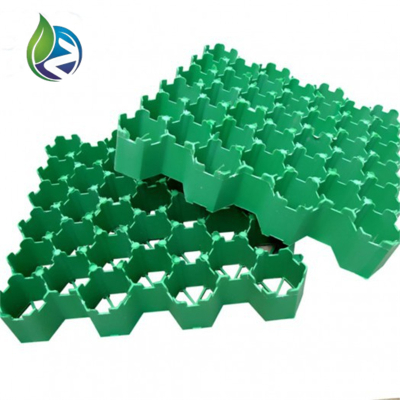
Promotion of grass-planting grids: Adding "green breathing holes" to cities
Grass Pavers Promotion: Adding "Green Breathing Holes" to Cities
Urbanization’s been picking up real speed lately—concrete buildings and asphalt roads are taking over pretty much every corner where we live and get around. Not enough greenery don’t just make cities look dull and all the same; it hits both daily life and the environment hard. Urban heat islands send summer temps skyrocketing to unbearable highs, heavy rains bring waterlogging that leaves streets flooded for hours, and calm days trap murky air full of dust and fine pollutants. Cities are finally waking up to the fact they can’t keep building without caring for the environment. That’s where grass pavers come in. They’re a practical, eco-friendly fix quietly reshaping urban landscapes. Among all grass paver types, plastic ones stand out with unique perks. Light, easy to handle and tough enough for city use, they’re quickly becoming a key part of urban green infrastructure, helping cities carve out more much-needed “green breathing holes” in all that concrete.
The Core Value of Grass Pavers: Balancing Functionality and Ecology
Urban construction’s been in a bit of a bind, let’s be real, for years. Cities need hard, solid surfaces for roads and parking, but they also want more green space to boost the environment and make areas nicer to live in. Truth is, grass pavers sort out this conflict clean with their smart hollow design. Traditional concrete pavements seal the ground tight—nothing gets through, not even rainwater. Over time, they crack easy under heavy traffic, making repairs a total nightmare, not to mention pricey. Grass pavers are different. Their open gaps let grass seeds take root and grow free, supporting pedestrians and vehicles (even heavy ones when installed right) while keeping high green coverage. That’s the real win-win for function and ecology—no more choosing between the two.
Plastic grass pavers have pretty much become the go-to for urban projects. Made from HDPE or polypropylene—tough but lightweight materials—they’ve got all the key perks of regular grass pavers, plus extra benefits that make city construction a lot easier. They’re light but sturdy; you don’t need heavy gear to cart ’em around the job site, saving heaps of time. They can handle loads up to 200 tons per square meter, more than enough for cars, fire trucks and other heavy vehicles. Their good permeability lets rainwater soak straight into the soil, refilling groundwater and cutting flood risks—perfect for sponge city projects focused on better rainwater management. Unlike a lot of materials, HDPE plastic don’t rot or rust, so it holds up well in wet areas where other pavers break down over time.
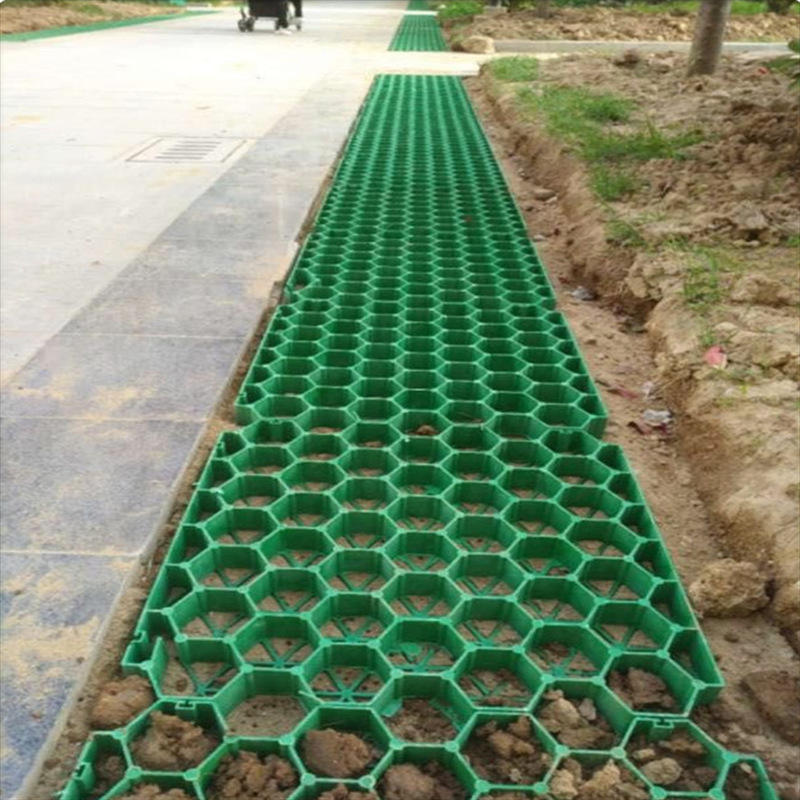
Grass pavers ain’t just for show when it comes to ecology. The grass growing in the gaps does real work: absorbing CO2 to fight climate change, filtering out dust and fine particles that mess with respiratory health, and pumping out oxygen. This actually improves air quality—not just on paper. Green surfaces also cut down on ground reflection and heat absorption, easing the urban heat island effect and keeping cities cooler in summer. For big cities short on land, grass pavers are a game-changer. They turn unused spots—empty lots, road strips, industrial leftovers that’d otherwise be bare concrete—into functional green areas, getting the most ecological bang for every square meter.
The Unique Advantages of Grass Pavers Plastic in Urban Applications
The grass paver market’s full of options—concrete, stone, plastic, you name it—but plastic ones have earned trust ’cause they deliver in real-world projects, not just on paper. A big plus is easy installation and maintenance. Concrete grass pavers are super heavy, needing machinery to move and more workers to lay. Plastic ones are light enough for two workers to carry a stack—you just snap ’em together like building blocks, no thick, complex concrete base required. This cuts construction time a ton and saves on labor costs, a huge help for city budgets. They’re flexible too—easy to take apart and reuse, great for temporary projects like event parking lots or areas needing future renovation. No need to tear ’em up and throw away; just repurpose ’em somewhere else.
Durability and eco-friendliness are two more big pluses. High-quality plastic grass pavers have anti-UV and anti-aging additives, so they hold up against harsh weather—blazing sun, downpours, freezing temps—no fading, no cracking. With basic care—occasional grass trimming, clearing debris from gaps—they last decades. This saves cities big money over time by cutting down on frequent repairs and replacements. When it comes to eco-friendliness, most are made from recycled materials and fully recyclable after their 20-30 year lifespan. This fits with global sustainable development goals, reducing plastic waste that’d end up in landfills or oceans—a circular plastic use model many cities are after now.
Plastic grass pavers are also really versatile, fitting all kinds of urban settings. You’ll spot ’em a lot in eco-friendly parking lots, turning boring concrete spaces green while still meeting parking needs. Residential communities use ’em for walkways, courtyards, even slope protection—holding soil to prevent erosion and adding greenery, making neighborhoods nicer to live in. In municipal projects, they’re in park trails, greenways, traffic islands—improving landscapes and fixing drainage issues. Even in tricky spots like roof gardens (which need lightweight materials) and industrial zones (heavy traffic areas), they perform well, adapting to different load and environmental demands.
The Role of Grass Pavers in Promoting Sustainable Urban Development
Sustainability’s a big focus pretty much everywhere these days. Cities are shifting from just building more to building better—cutting their environmental footprint, making places more livable. Grass pavers—especially plastic ones—are central to this effort. Promoting ’em don’t just change how cities look; it drives real, significant improvements to urban ecological systems. Cities using more grass pavers have better air quality, less flooding, cooler temps—small changes that add up to a better quality of life for everyone. This ain’t a trend; it’s a necessary shift for cities to stay livable in the future.
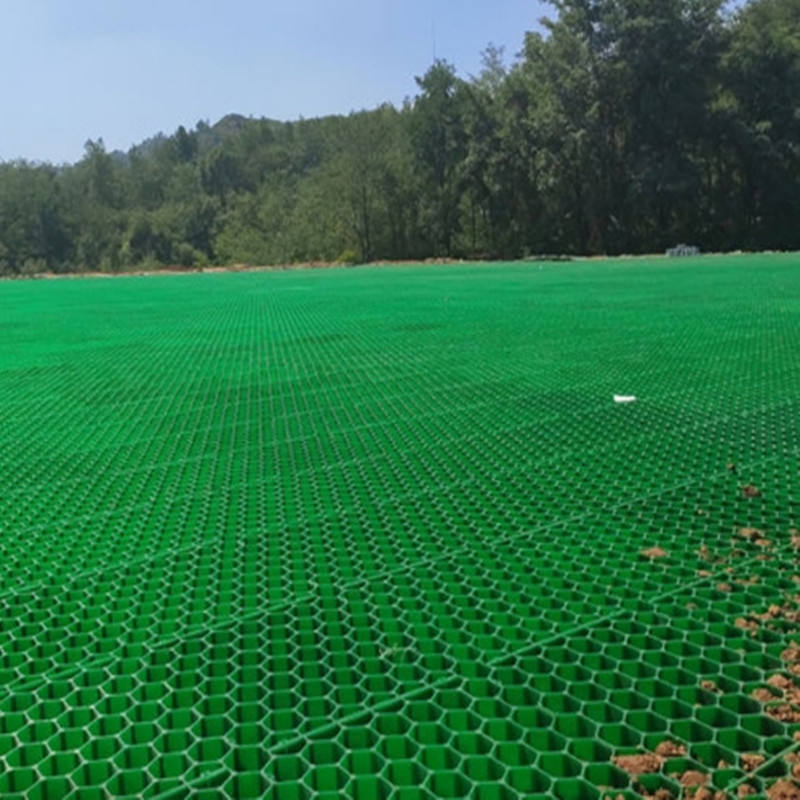
When it comes to water management, grass pavers are key for sponge city projects—cities designed to soak up rainwater instead of letting it run off and cause floods. Their high permeability lets rainwater soak straight into the ground, reducing surface runoff and easing pressure on urban drains (which usually get swamped during heavy rains). This not only prevents flooding but also refills groundwater, helping cities deal with water shortages in dry seasons. A lot of cities are running out of groundwater, thanks to overuse and lack of recharge. Grass pavers fix that. Traditional impermeable pavements block all rainwater, wasting it as it runs into rivers or oceans. Grass pavers boost rainwater infiltration by over 80% compared to these old pavements—an affordable, effective way to manage water without building expensive new drainage systems.
Grass pavers also contribute a lot to carbon reduction and environmental protection. The grass on ’em soaks up CO2 through photosynthesis, helping cities lower their carbon footprint—critical as cities face pressure to cut emissions. Plastic grass paver production often uses recycled materials, cutting down on the need for virgin materials like fresh plastic resin (which needs a lot of energy to make). Using recycled plastic reduces energy use, and production-related carbon emissions too. Large-scale use of plastic grass pavers in cities cuts annual carbon emissions significantly, supporting global climate change efforts. A small change in material, but it adds up to big environmental benefits.
When it comes to money, grass pavers end up saving cities cash over time. Their initial cost might be a bit higher than traditional concrete pavements, but the big picture’s different. They last longer (20-30 years with minimal care vs. 5-10 years for concrete, which cracks and sinks easy), need less maintenance, and are reusable—making ’em more cost-effective over time. Fewer repairs and replacements save a lot on maintenance budgets, a big help for cash-strapped cities. Their green appearance also boosts nearby property values—homes and businesses near green spaces are worth more, bringing in more tax revenue. For commercial projects like malls or office buildings, using grass pavers in parking lots and outdoor areas improves their environmental image, attracting eco-conscious customers and boosting business—a win-win, plain and simple.
Future Trends and Prospects of Grass Pavers Plastic
Technology’s always moving forward, and folks are more eco-conscious these days—so plastic grass pavers are only gonna get more use in urban construction. Future innovations will focus on better design and functionality: higher load capacity for industrial heavy vehicles, faster drainage for tropical heavy rains, more colors and shapes to fit different city designs—blending with historic districts, playgrounds, whatever. Thinner but stronger plastic pavers might also hit the market, lighter and easier to handle while still tough enough for city use.
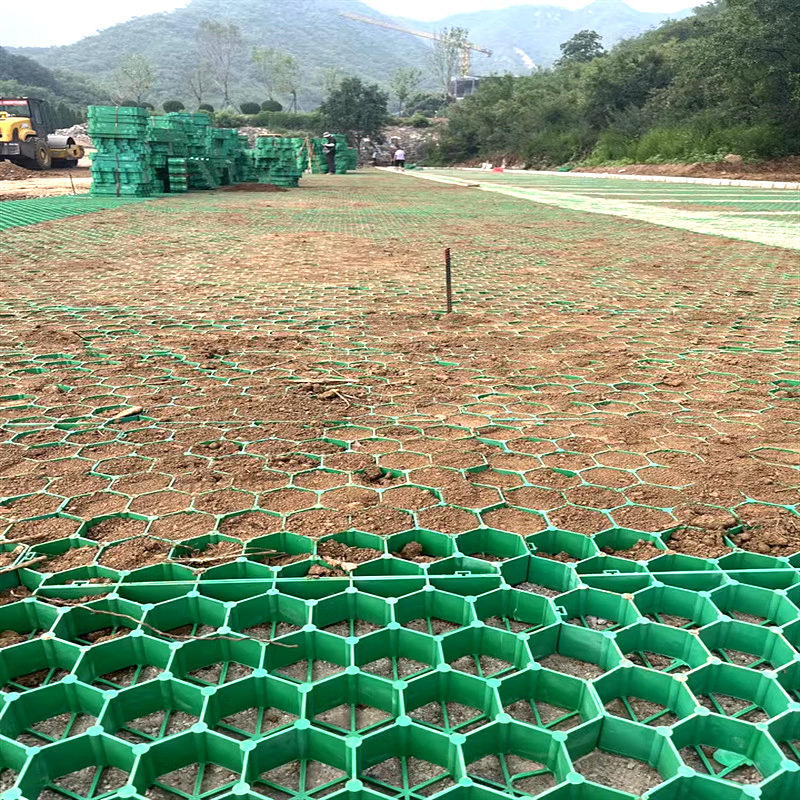
Pairing grass pavers with smart tech is another trend to watch. For example, combining ’em with smart irrigation systems—these use sensors to check soil moisture and weather, adjusting water flow to avoid waste. A lot of cities waste water on overwatering, so this saves a significant amount. Adding simple sensors to track soil moisture, temperature, grass health—this also makes maintenance easier, catching small problems early to keep greening projects running well for years. These tech add-ons turn grass pavers from a basic paving material into part of a smart, eco-friendly urban system.
As more cities recognize the value of grass pavers—saving money, benefiting the environment, and enhancing livability—government support is likely to grow. Policies might include tax breaks for businesses, grants for municipal projects, or requirements for new developments to use eco-friendly materials like plastic grass pavers. Faster approval for green projects is also possible, as cities encourage sustainable development. Policy support plus market demand will grow the grass paver industry and drive global adoption—already common in Europe and Asia, they’ll soon become standard in more regions.
Grass pavers ain’t just some paving material—they’re a sign that cities are shifting to more sustainable, eco-friendly development. Plastic grass pavers have proven reliable, efficient, eco-friendly—checking all the boxes for modern cities. They help create more “green breathing holes” in concrete jungles, making urban areas healthier and more livable. As urbanization continues, promoting grass pavers will become more and more important for building greener, healthier cities for future generations. Whether in parking lots, parks, neighborhoods, municipal projects—these versatile pavers quietly transform urban spaces one green step at a time. It’s not a quick fix, but a steady one—and that’s exactly what sustainability demands.