Hdpe Geomembrane Pond Liner
Manufacturing Process
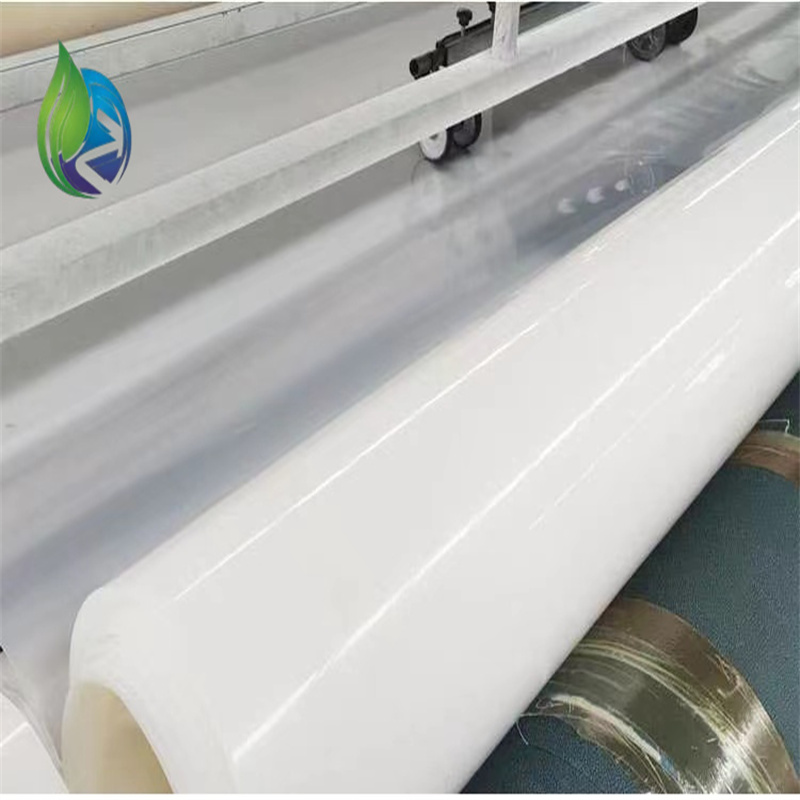
HDPE geomembrane pond liner is produced through controlled industrial extrusion processes:
Selection and inspection of virgin or qualified resin
Precise blending of carbon black and additives
High-temperature melting and homogenization
Flat-die or blown film extrusion
Thickness calibration and surface texturing (if required)
Cooling and stress relaxation
Online quality monitoring (thickness, defects)
Roll cutting, labeling, and protective packaging
Product Definition
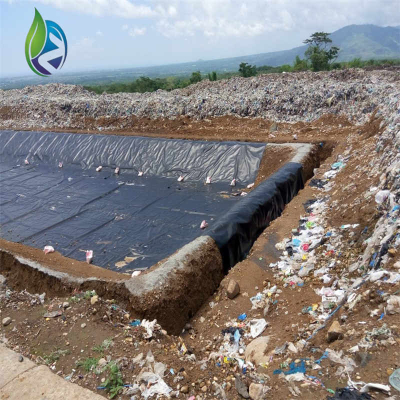
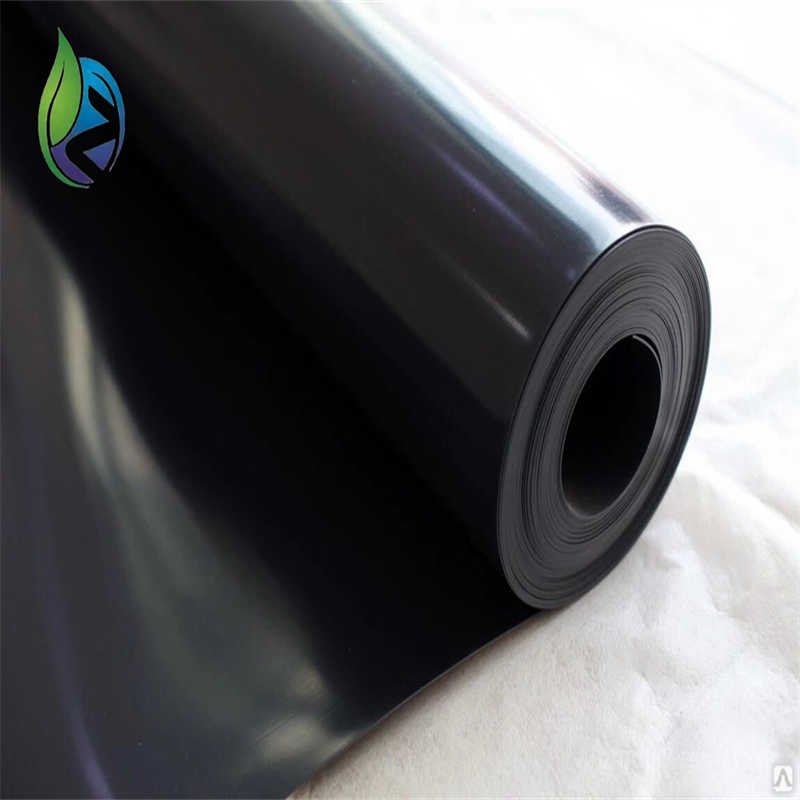
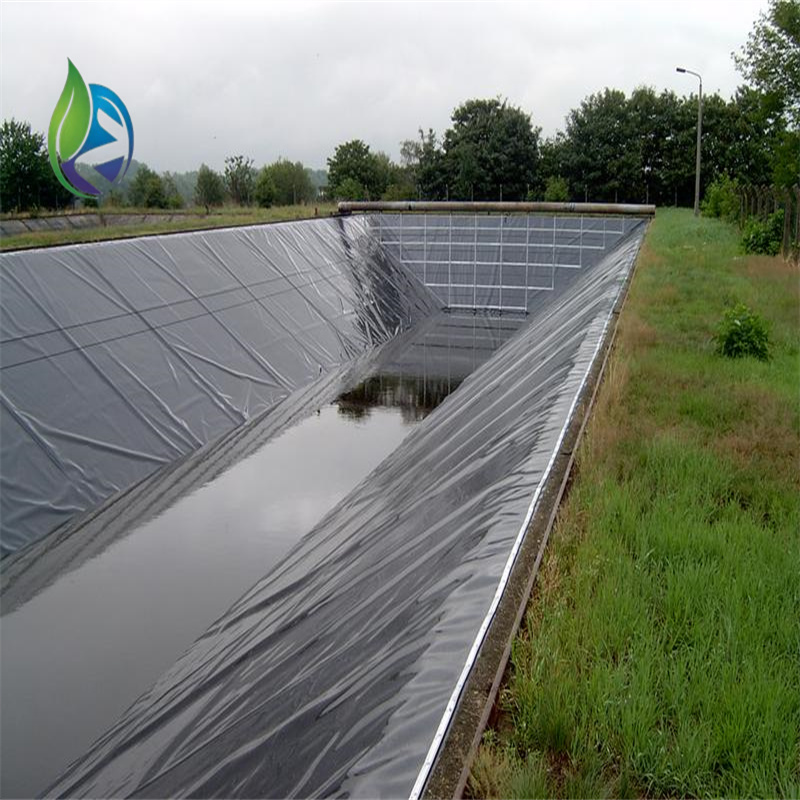
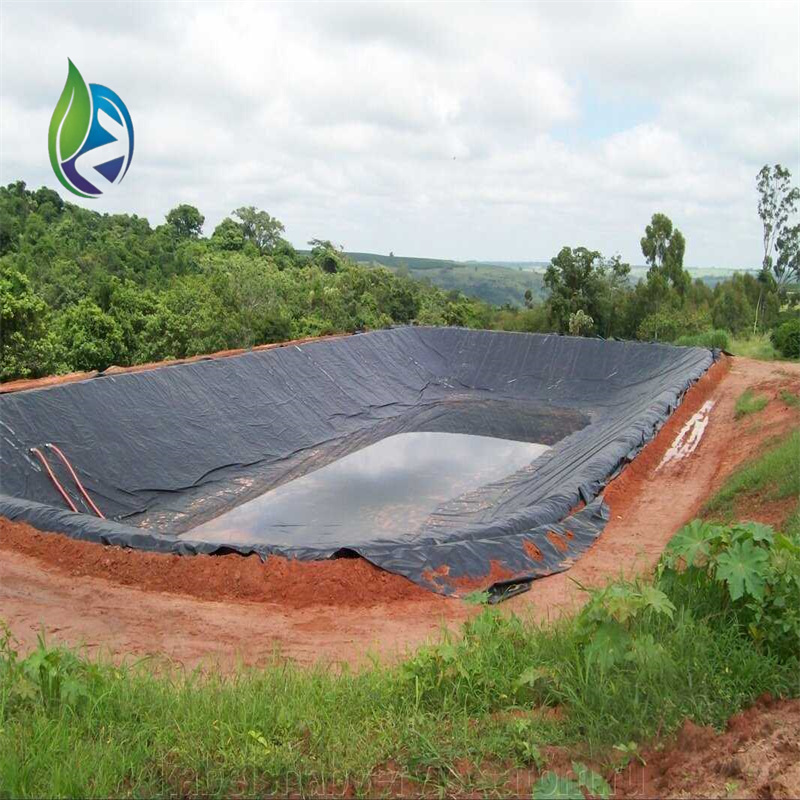
HDPE geomembrane pond liner is a high-density polyethylene impermeable lining material engineered for water containment, seepage control, and environmental protection in ponds, reservoirs, and aquaculture systems, offering long-term chemical resistance, durability, and structural stability.
Technical Parameters and Specifications
Typical technical specifications of HDPE geomembrane pond liner used in engineering projects include:
Raw material: High-Density Polyethylene (HDPE)
Thickness range: 0.5 mm – 3.0 mm
Density: ≥ 0.94 g/cm³
Tensile strength at yield: ≥ 15 MPa
Elongation at break: ≥ 700%
Tear resistance: ≥ 200 N
Puncture resistance: ≥ 500 N
Carbon black content: 2.0 – 3.0%
Carbon black dispersion: Grade 1 or 2
Service temperature: -40°C to +60°C
Design service life: ≥ 30–50 years (buried conditions)
Structure and Material Composition
The performance of HDPE geomembrane pond liner is defined by its material formulation and uniform structure:
HDPE Resin Matrix: Provides impermeability and mechanical strength
Carbon Black: Enhances UV resistance and weather durability
Antioxidants: Prevent thermal and oxidative degradation
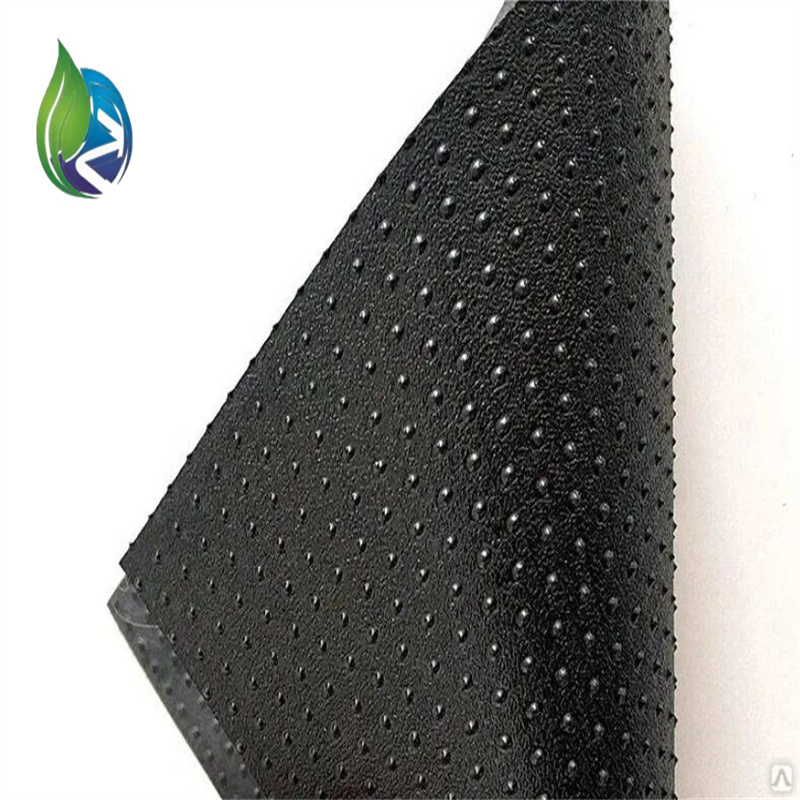
Smooth or Textured Surface: Optional textures for slope stability
Homogeneous Sheet Structure: Ensures consistent thickness and performance
Manufacturing Process
HDPE geomembrane pond liner is produced through controlled industrial extrusion processes:
Selection and inspection of virgin or qualified resin
Precise blending of carbon black and additives
High-temperature melting and homogenization
Flat-die or blown film extrusion
Thickness calibration and surface texturing (if required)
Cooling and stress relaxation
Online quality monitoring (thickness, defects)
Roll cutting, labeling, and protective packaging
Industry Comparison
| Liner Type | Impermeability | Chemical Resistance | Flexibility | Service Life |
|---|---|---|---|---|
| HDPE Geomembrane Pond Liner | Excellent | Excellent | Medium | 30–50 Years |
| LDPE Geomembrane | Excellent | Good | High | 20–30 Years |
| EPDM Rubber Liner | Excellent | Good | Very High | 25–40 Years |
| Clay Lining | Medium | Poor | Low | Variable |
Application Scenarios
HDPE geomembrane pond liner is widely adopted by EPC contractors, developers, and operators for:
Aquaculture ponds and fish farms
Irrigation reservoirs and water storage ponds
Wastewater and effluent treatment lagoons
Industrial process water containment
Landscape and decorative ponds
Mining and tailings ponds
Core Pain Points and Solutions
Pain Point: Water leakage and seepage losses
Solution: Continuous impermeable HDPE geomembrane pond linerPain Point: Chemical attack from water or soil
Solution: Excellent chemical resistance of HDPE materialPain Point: UV degradation in exposed conditions
Solution: Carbon black stabilized formulationPain Point: Installation damage and puncture
Solution: High puncture and tear resistance with protective layers
Risk Warnings and Mitigation
Potential risks and recommended mitigation measures include:
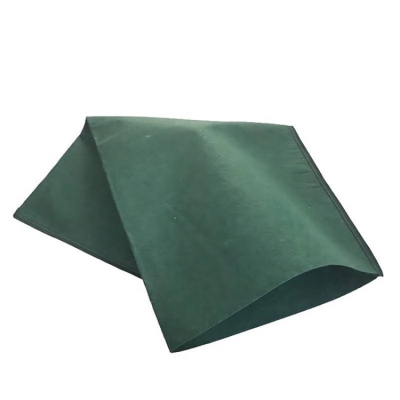
Subgrade damage: ensure smooth, compacted base with geotextile cushion
Improper welding: use certified hot wedge or extrusion welding
Thermal expansion: allow slack during installation
UV exposure during storage: store rolls covered before installation
Procurement and Selection Guide
Define pond size, depth, and design life
Select appropriate liner thickness
Confirm chemical compatibility with contained water
Check compliance with relevant standards
Review third-party test reports
Evaluate welding and installation support
Assess supplier production capacity and delivery time
Engineering Case Study
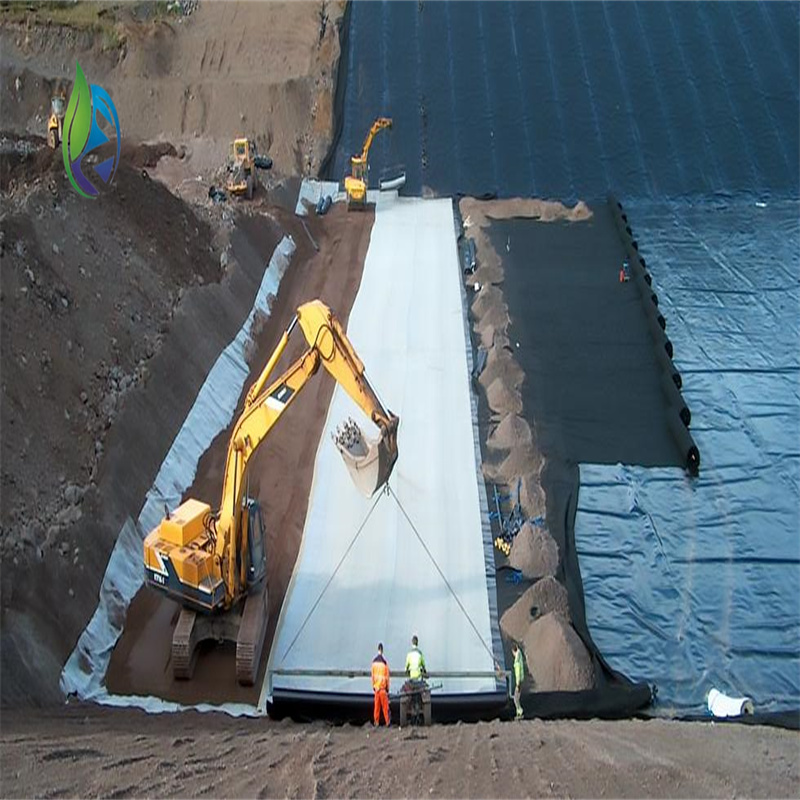
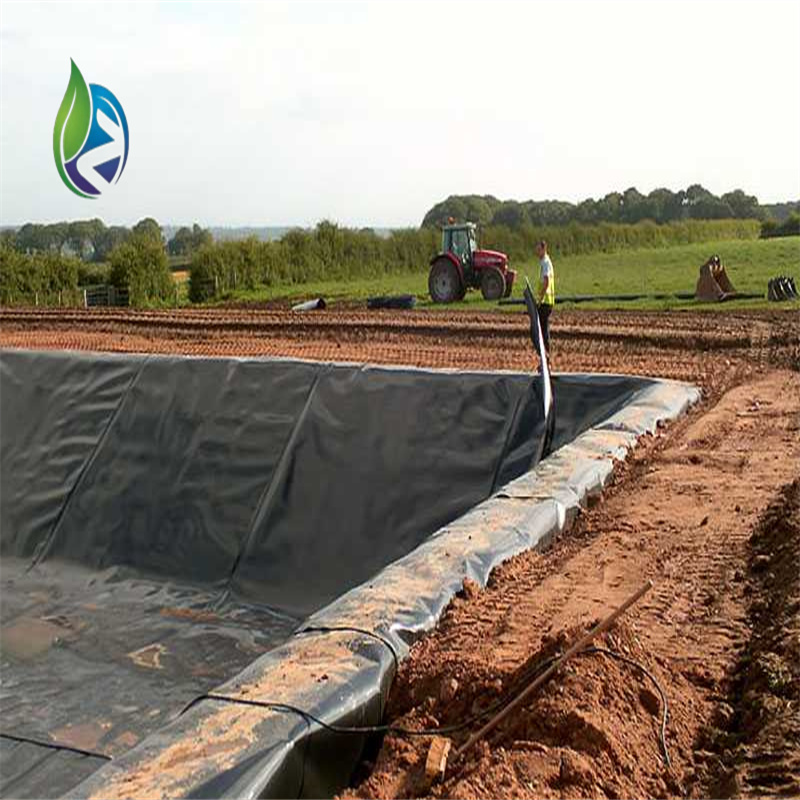
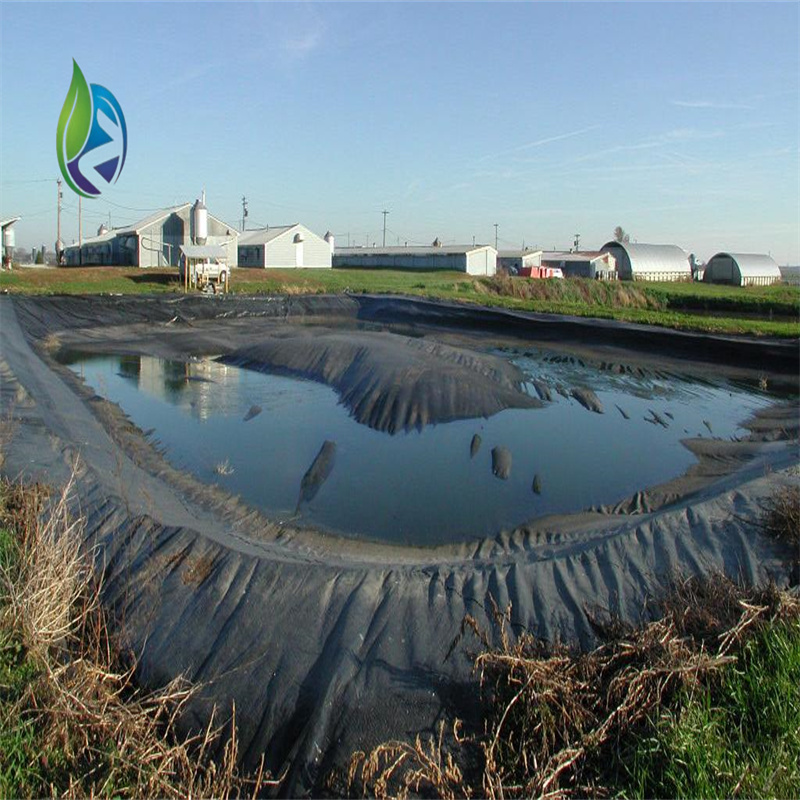
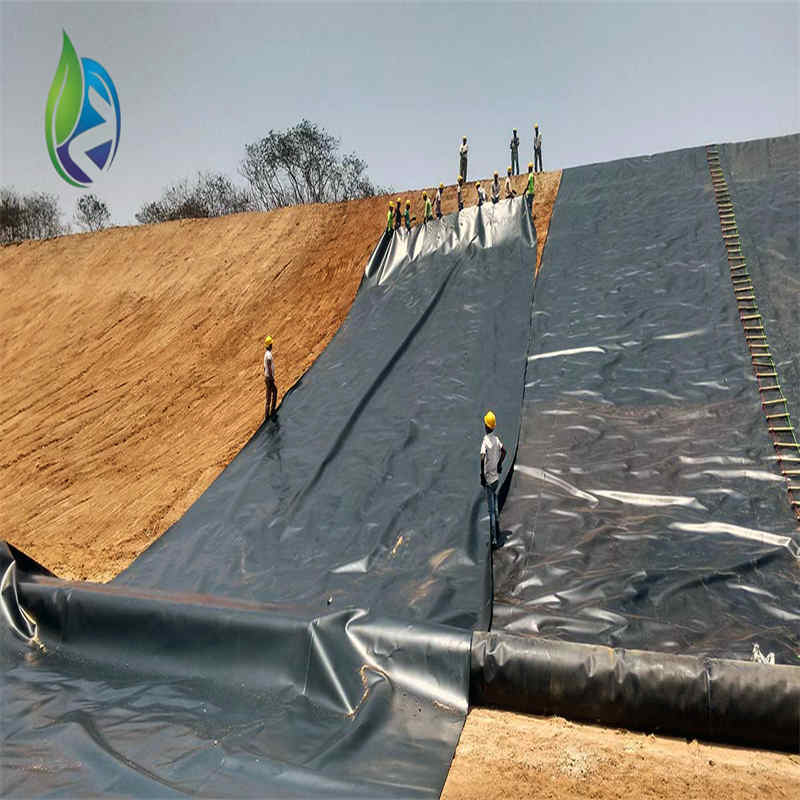
In a commercial aquaculture project, a 1.5 mm HDPE geomembrane pond liner was installed over a compacted soil base with nonwoven geotextile protection. After four years of continuous operation, inspections confirmed zero leakage and stable water quality, meeting design and environmental requirements.
FAQ
What thickness is suitable for fish ponds? Commonly 0.75–1.5 mm.
Is it safe for aquaculture? Yes, inert and non-toxic.
Can it be exposed to sunlight? Yes, with carbon black protection.
How are seams joined? By thermal welding.
Does it resist algae and bacteria? Yes, smooth surface limits adhesion.
Can it be repaired? Yes, by patch welding.
Is it suitable for cold climates? Yes, down to -40°C.
What is the roll width? Typically 5–8 meters.
Is a geotextile required? Recommended for protection.
Does it meet environmental regulations? Yes, widely approved.
Call to Action
To request pricing, technical datasheets, installation guidance, or project samples of HDPE geomembrane pond liner, please provide your project details for professional evaluation.
E-E-A-T Author Statement
This article is authored by geosynthetics engineers and environmental materials specialists with over 20 years of experience in pond lining systems, water containment engineering, and international infrastructure projects.