Ecological Geobag
1.Resistance to moisture and chemical corrosion.
2.Resistant to biodegradation and animal destruction.
3.Resistance to UV and high and low temperature decomposition.
When it comes to sustainable infrastructure and environmental protection, Ecological Geobag systems have emerged as a quiet yet powerful revolution. From shoreline restoration to slope stabilization and riverbank reinforcement, these humble fabric bags are transforming how engineers, landscapers, and environmentalists approach land and water management.
But what makes ecological geobags so effective? And why are they becoming a preferred choice over traditional hard structures like concrete or stone?
Let’s dig deep.
What is an Ecological Geobag?
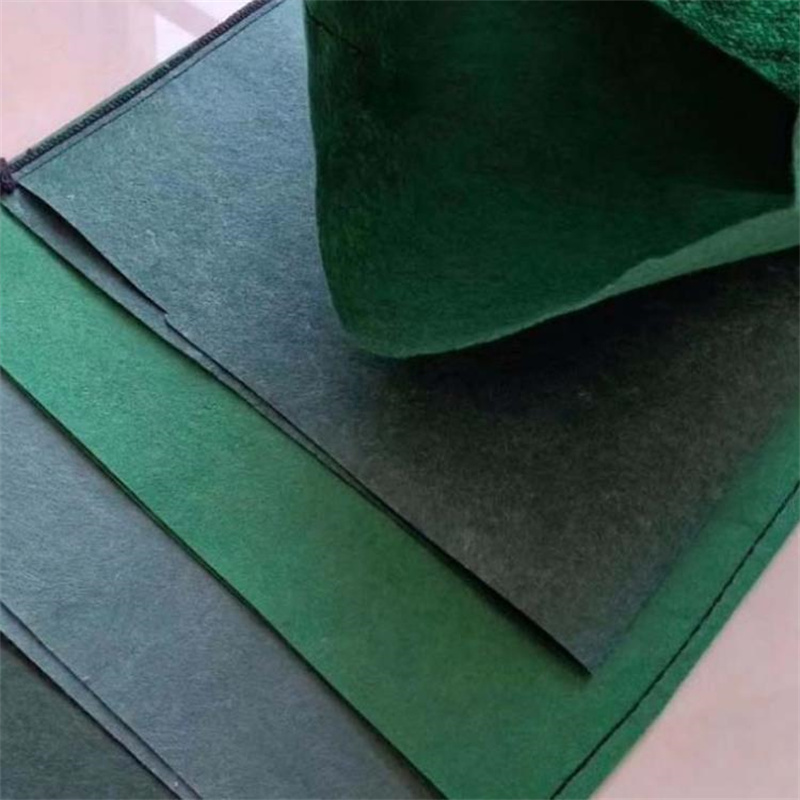
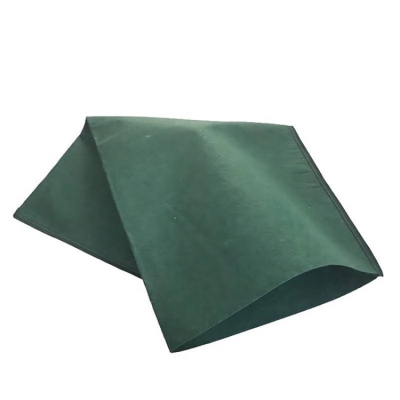
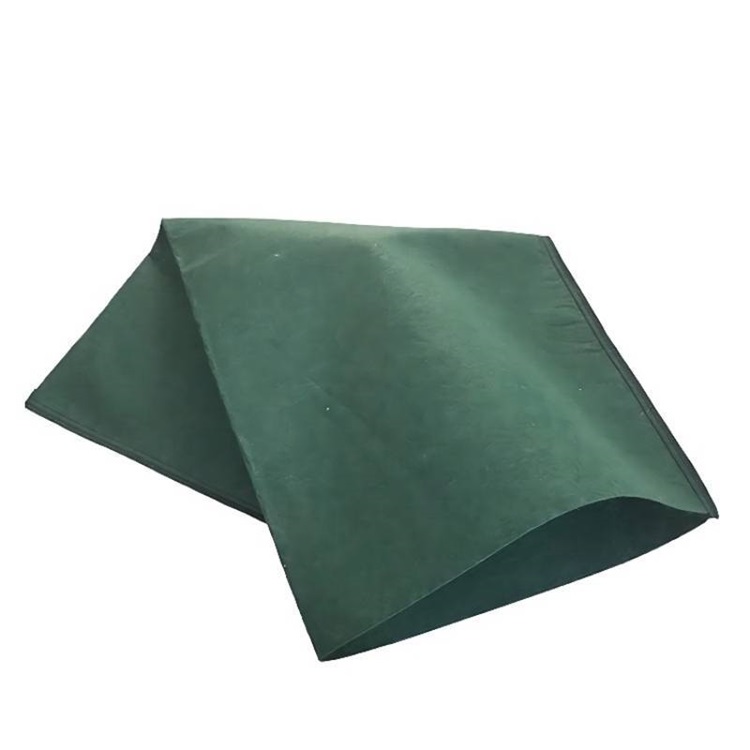
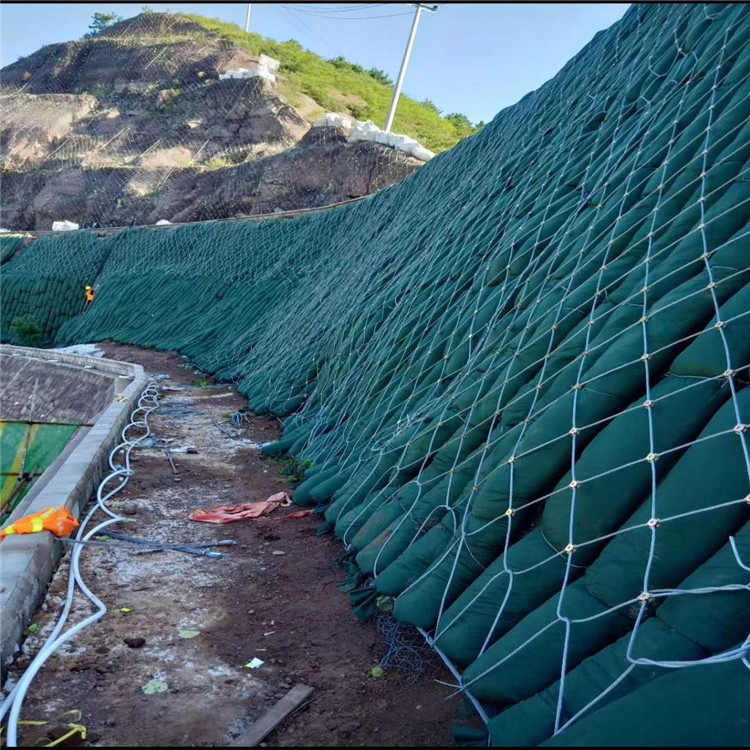
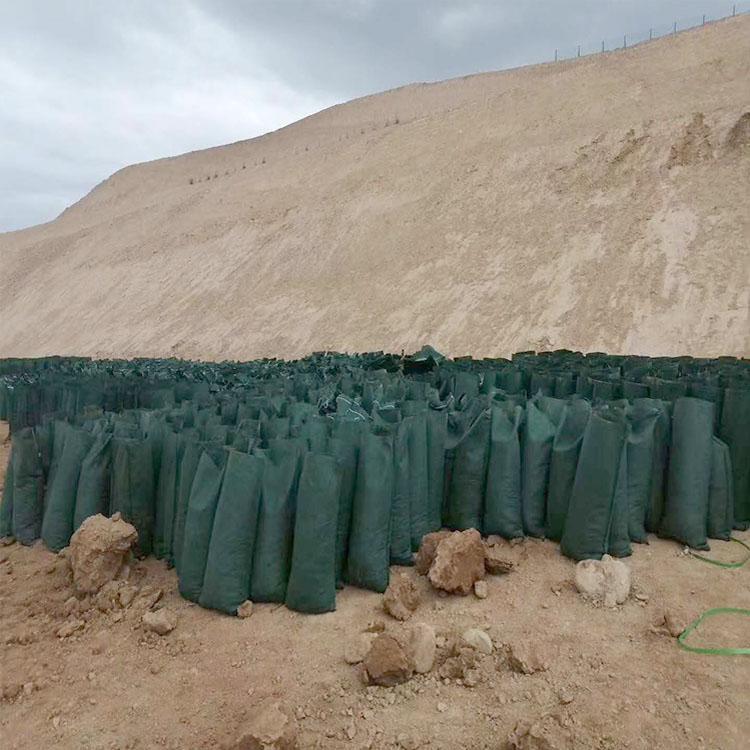
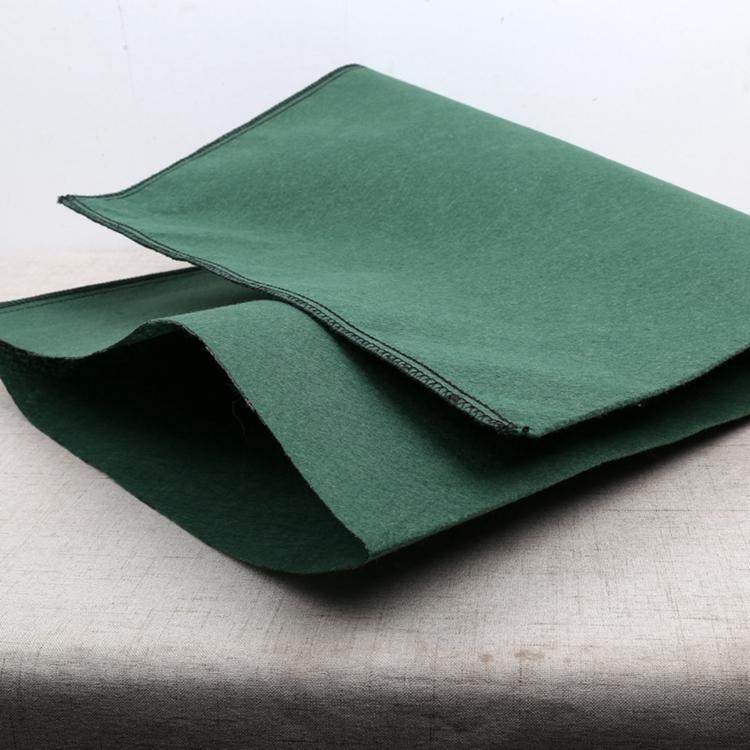
An Ecological Geobag is a specially engineered bag made of biodegradable or long-lasting non-woven geotextile, filled with soil or sand, designed for erosion control and vegetation support. Unlike rigid structures, ecological geobags blend seamlessly with the environment, allowing plants to grow through them and reinforcing slopes or shorelines naturally over time.
"I was skeptical at first, but after a full rainy season, our slope held firm—and it’s now covered in native grass. Ecological geobags are the real deal."
— Claire N., Civil Engineer (User Review)
Why Choose Ecological Geobag Over Traditional Methods?
✅ Eco-Friendly and Vegetation-Ready
The standout benefit of ecological geobag solutions is their ability to support vegetation. Over time, the geobag becomes part of the ecosystem, reducing visual impact and promoting biodiversity.
✅ Cost-Effective Installation
Compared to riprap, gabions, or concrete retaining walls, ecological geobags are lighter, easier to transport, and quicker to install—significantly cutting project time and labor costs.
✅ Strong Erosion Resistance
Each ecological geobag absorbs and disperses hydraulic pressure. They effectively prevent slope failure, especially in areas with frequent rainfall or fluctuating water levels.
✅ Flexible and Scalable
Whether you’re protecting a small garden slope or a full-scale riverbank, ecological geobag systems can scale without compromising on performance or aesthetics.
Key Applications of Ecological Geobags
1. Riverbank and Coastal Protection
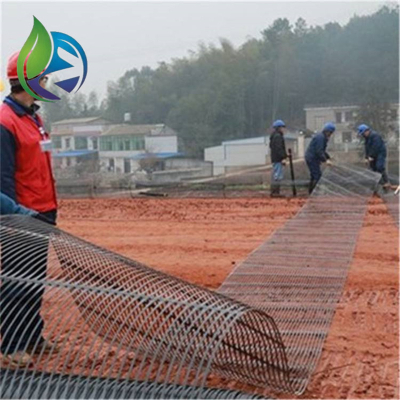
Ecological geobags are ideal for stabilizing riverbanks, canals, and seashores while maintaining the natural look of the landscape.
2. Slope Reinforcement
For embankments and highway slopes, geobags minimize erosion and provide a base for vegetation.
3. Landscape Terracing
In green landscaping, they’re often used to create sustainable terraced designs that retain soil and manage water runoff.
4. Flood Management
In emergency flood response, ecological geobag systems serve as quick-deploy barriers that are both functional and environmentally gentle.
"We used ecological geobags in a coastal restoration project. After six months, it looked like a natural dune—blending in while holding strong. Absolutely impressive."
— Luis T., Environmental Consultant (User Review)
What Makes a Good Ecological Geobag?
When selecting an ecological geobag, here are critical qualities to look for:
UV Stability – To withstand sun exposure if vegetation takes time to grow.
Tensile Strength – High strength geotextiles reduce rupture risks during flooding or shifting soils.
Biodegradable Options – For temporary applications where natural disintegration is preferred.
Permeability – Allows water drainage while retaining soil or planting media.
How to Install Ecological Geobags (Step-by-Step)
Site Preparation
Clear debris and level the surface.Bag Filling
Use sand or a soil-plant mix. For vegetation, mixing native seeds with topsoil is recommended.Layering & Placement
Lay geobags in overlapping rows, staggering the joints for structural strength.Compaction & Watering
Compact the layers gently, especially when used for terracing or embankments.Vegetation & Maintenance
Water regularly until vegetation establishes itself. Once rooted, nature takes over.
"It was easier than I imagined. I installed 40 ecological geobags around our garden pond. Three months in, it's lush and looks like it was always part of the land."
— Jenn R., Homeowner (User Review)
Common Questions About Ecological Geobag
Q: How long does an ecological geobag last?
A: It depends. Biodegradable bags typically degrade within 12–36 months, while permanent geobags made of polypropylene can last over 20 years.
Q: Can plants really grow through ecological geobags?
A: Yes! Especially when filled with topsoil and native seed mixes, plants establish root systems through the bag’s surface, reinforcing the structure naturally.
Q: Are they suitable for urban landscaping?
A: Absolutely. Urban planners use ecological geobag systems for park slopes, bioswales, and sustainable green barriers.
Final Verdict: Should You Use Ecological Geobag Systems?
If you're looking for a long-term, environmentally sound, and visually pleasing solution for erosion control, Ecological Geobag systems are hard to beat. From municipal engineering to backyard landscaping, they offer the perfect balance between functionality and sustainability.
Not only do they hold soil—they help rebuild ecosystems.
Have you used ecological geobags in your project? Tell us how it worked out in the comments!
Looking for suppliers or guidance on large-scale projects? Contact us—we’re here to help!