The boom in green infrastructure has led to a surge in demand for geomembranes.
These days, there’s a clear shift toward sustainability worldwide—you’ll spot it everywhere, from government policy talks to private sector investment blueprints. Honestly, that’s why green infrastructure’s moved front and center for both sides. Governments and private firms are pouring serious money into projects that boost economic growth without cutting corners on environmental protection—large-scale renewable energy plants, water-saving irrigation setups, pollution-cutting waste management facilities, to name a few. This development wave’s sent ripples through the construction materials industry, geomembranes turning into a critical component you just can’t ignore. As cities and nations step up to meet stricter environmental standards—most get tighter year after year—demand for high-quality geomembranes is through the roof. This change isn’t just altering how suppliers do business; it’s shaking up the whole market too, driving real innovation in material tech. More manufacturers are focused on tweaking formulas and production processes, making geomembranes tougher, greener—just overall better suited to different project needs.
Green infrastructure wasn’t always mainstream. Truth is, it started as a niche idea—only a handful of forward-thinking regions and companies backed it early on. Now though, it’s a top global priority. Growing worries over climate change—more extreme weather, rising sea levels, unpredictable rainfall—and the push for resource efficiency are the main drivers. Recent data puts global investment in green infrastructure at over $2 trillion a year, and this upward trend’s set to keep going for the next decade. Developed countries aren’t the only ones on board; emerging economies in Asia and Africa are ramping up investments too. Rapid urbanization’s straining their existing infrastructure, and they need to fix these gaps without harming the environment—that’s what’s fueling it. Renewable energy projects are a massive driver, no doubt. Solar and wind farms now make up over half of all new power capacity worldwide, and these projects really lean on specialized materials for long-term stability and environmental safety. Any on-site crew knows you can’t build a large solar farm without solid ground protection; wind farm bases need materials that can handle constant exposure to the elements. That’s where HDPE black smooth geomembrane comes in—it’s grown more and more indispensable. A cost-effective, durable fix for all sorts of green infrastructure uses: lining solar farm grounds, protecting water storage systems linked to renewable energy projects, that sort of thing.
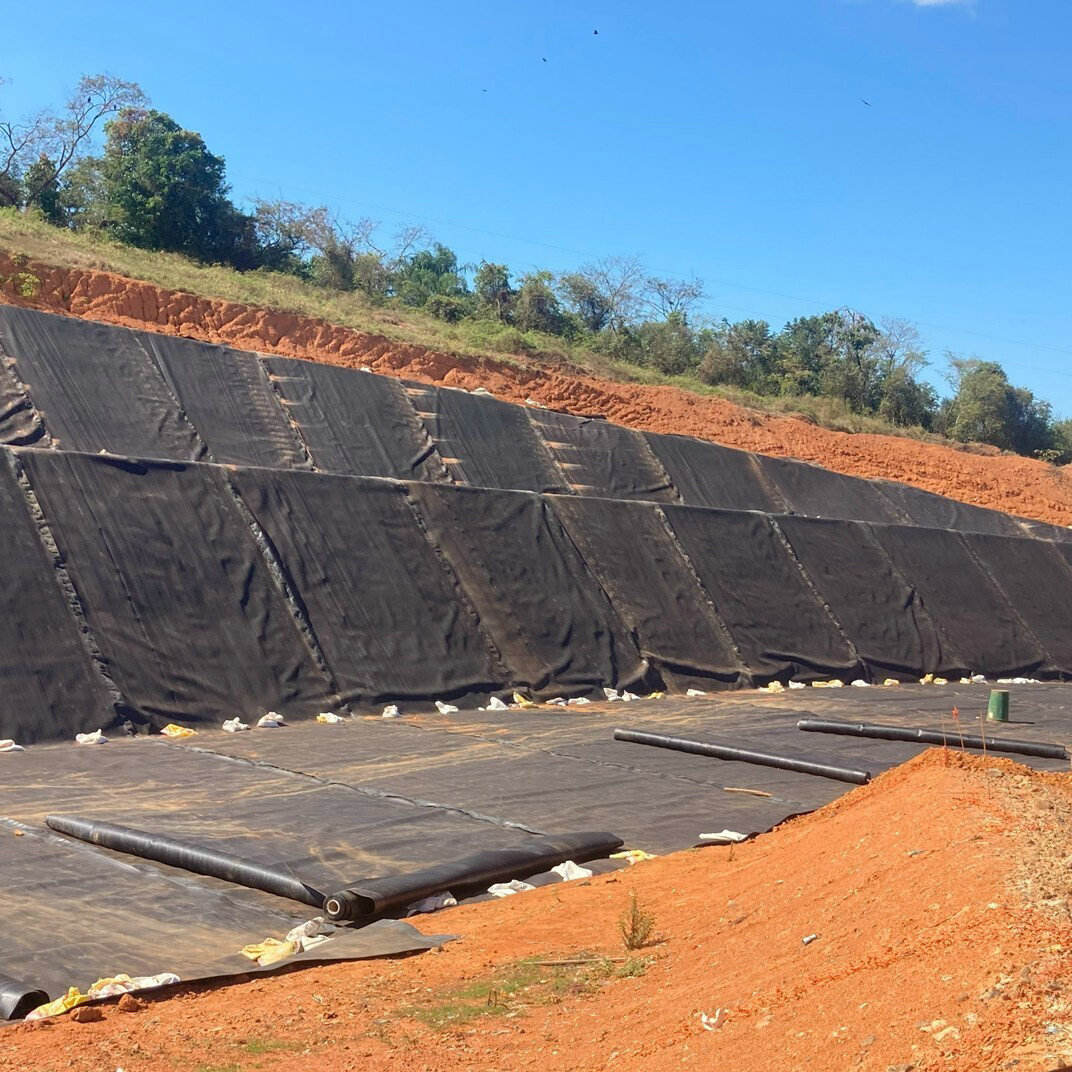
A few key things are driving up geomembrane demand in green infrastructure projects. First, environmental regulations have gotten way tighter lately. These rules have raised the bar for pollution control and resource management across the board—no room for shoddy materials. Governments everywhere are imposing stricter standards on waste disposal (stopping landfills from leaking toxic stuff into soil or groundwater), water protection, soil conservation. So high-quality anti-seepage materials are non-negotiable for construction projects. Cut corners here, and you’re looking at steep fines, delays, even long-term environmental harm. Landfills, wastewater treatment plants, tailings ponds—key parts of environmental management systems—now need strong lining solutions to stop leaks and contamination. Then, the expansion of renewable energy infrastructure has opened up new uses for geomembranes, ones that weren’t common a decade ago. Solar farms need reliable ground protection and geomembrane-lined water storage systems; hydropower projects use them to reinforce dams and line reservoirs, keeping water stored safely without seepage. Urbanization’s cranked up demand too, for sustainable urban infrastructure—green roofs, rainwater collection systems, artificial wetlands, you name it. All of these rely on geomembranes for structural soundness and environmental effectiveness. HDPE black smooth geomembrane stands out here—great chemical resistance, UV stability, long service life. Fits these projects’ tough conditions well, whether it’s constant sun on a green roof or contact with treated water in a collection system.
In the geomembrane sector, HDPE (high-density polyethylene) products are the go-to choice these days—HDPE black smooth geomembrane’s especially popular for green infrastructure projects. Why? Simple enough—it balances performance and cost just right. Every project manager knows that’s a big deal. HDPE’s naturally tough against chemicals, wear and tear, UV rays, so it can handle harsh weather—scorching heat, heavy rain, freezing temps—and corrosive substances common in environmental and energy projects. No need to worry about it breaking down fast when it’s exposed to wastewater chemicals or industrial byproducts. The black color ups UV resistance even more, key for outdoor projects; prolonged sun exposure degrades most materials over time, but the black pigment stops premature breakdown, extending project life. The smooth surface eases installation too, cutting down on friction—that’s a huge plus for large-scale projects where efficiency counts. Installers don’t have to fight with rough materials that get snagged on equipment or take extra time to smooth out. Unlike some materials that need frequent maintenance or replacement every few years, HDPE black smooth geomembrane has a long service life—often over 50 years when installed right. Getting installation correct isn’t hard, but it makes all the difference. This lowers lifecycle costs for project operators, a big win for public and private projects on tight budgets. Plus, HDPE is recyclable, lining up with green infrastructure’s sustainability goals. More clients are asking for recyclable materials to meet green building certifications, and this geomembrane checks that box easy—helps developers meet requirements without giving up on performance.

Demand for geomembranes—including HDPE black smooth geomembrane—varies by region, but all major markets are growing strong. The Asia-Pacific region leads globally now, making up over 35% of total sales volume. The reason’s straightforward—this region’s got some of the world’s fastest-growing economies, and the most urgent infrastructure needs. China and India are the main drivers, along with other Southeast Asian nations. China’s ongoing investments in major water conservation projects and rapid expansion of solar and wind capacity have created huge demand for high-performance geomembranes. These large-scale projects need consistent, high-quality materials to hold up as planned for decades. In India, booming urbanization and government efforts to upgrade water management infrastructure keep the geomembrane market growing steadily. Europe and North America are more mature markets—growing slower than Asia-Pacific but still seeing steady demand. This demand mostly comes from upgrading old infrastructure and strict environmental regulations; much of the infrastructure here was built decades ago, needing upgrades to meet modern environmental standards. In Europe, the European Green Deal’s carbon neutrality goals have spurred big investments in sustainable infrastructure, boosting demand for eco-friendly materials like HDPE black smooth geomembrane. In North America, the focus is on upgrading wastewater treatment facilities for growing urban populations and developing renewable energy projects—creating a stable geomembrane market. Regional project priorities vary a bit, product specs too. For example, European projects might require specific environmental certifications that aren’t as common in Asia, while Asian projects prioritize cost-effectiveness along with durability. But the core need for tough, sustainable geomembranes is universal.
The geomembrane market’s future looks solid, no two ways about it. As green infrastructure investments grow—driven by climate goals and urbanization—the market will expand right along with them. Industry forecasts say the global geomembrane market will hit $920 million by 2032, with a 6.7% CAGR from 2024 to 2032. That’s solid growth, rooted in real global demand. This growth will bring ongoing innovation in material technology as manufacturers work to stay competitive and meet changing project needs. More R&D efforts will focus on making geomembranes better, more sustainable: improving HDPE recyclability, creating thinner but stronger membranes, integrating smart tech for real-time integrity checks. New tech’s emerging too—geomembranes with built-in sensors that catch leaks early, before they become big issues. That’s the innovation taking shape now. New applications are popping up too, creating more market opportunities—floating solar farms, carbon capture facilities, all needing specialized geomembranes for unique environmental conditions.
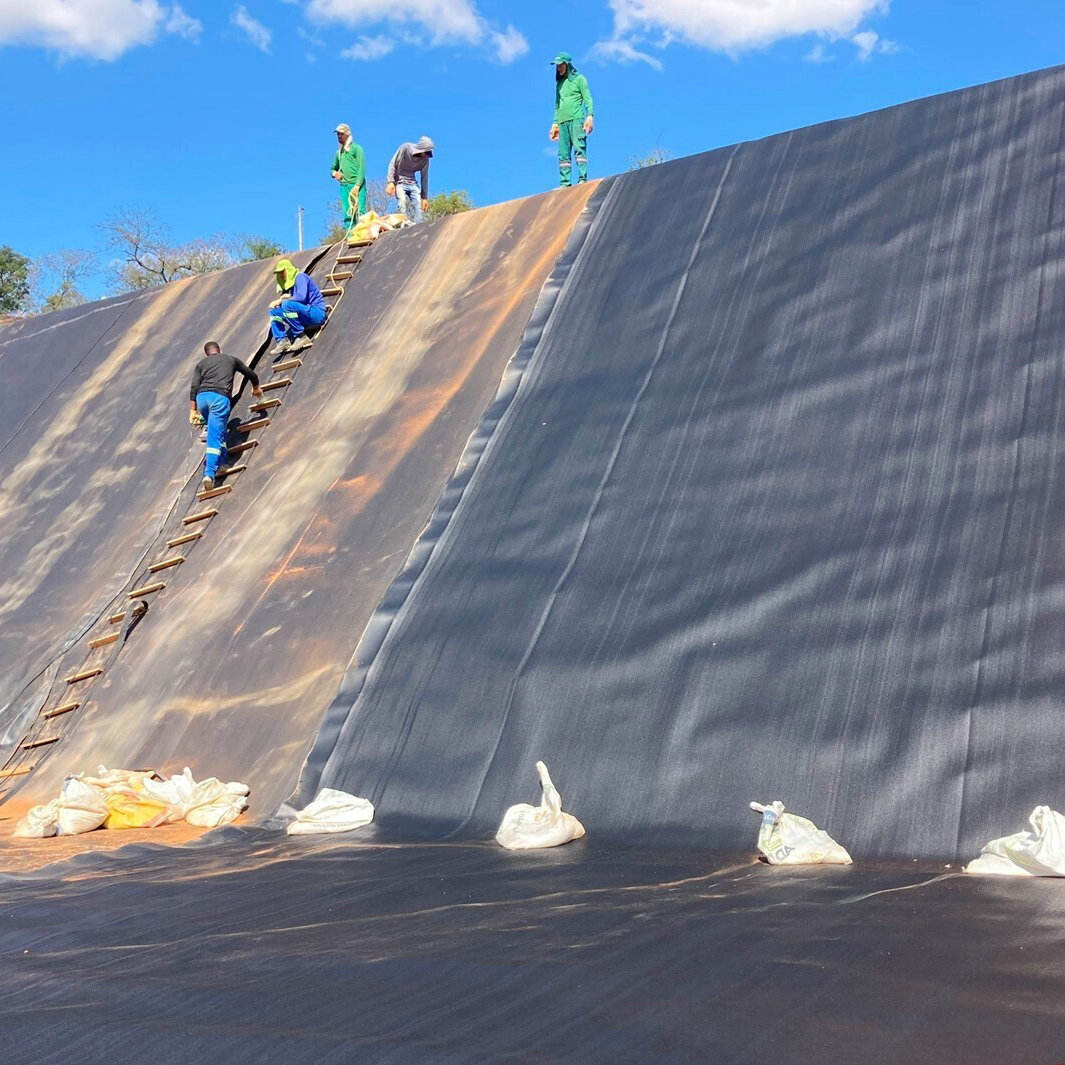
These will create fresh opportunities for HDPE black smooth geomembrane. Also, the growing trend of public-private partnerships (PPPs) in green
infrastructure will make the market more accessible for geomembrane manufacturers. PPPs bring more funding and resources, leading to more large-scale developments that need geomembranes. This is especially true in emerging economies with big infrastructure gaps, where governments turn to private companies for funding and construction help.