Desert subgrades are no longer "loose" - geocells strengthen and stabilize the road foundation
Desert Subgrades No Longer “Loose”: Geocells Solidify Road-Building Foundations
Road building in deserts? It’s always been a major hassle for civil engineering teams globally. The harsh desert environment—loose sand, wild temperature swings, hardly any water—throws all sorts of hurdles at traditional road-building materials and methods. Sandy subgrades don’t bind well, can’t bear heavy loads. So roads built on them often sink unevenly, develop ruts, or even fall apart entirely after just a short while. Maintenance costs skyrocket, and the roads stop functioning properly. This slows local economic growth and makes transport links between areas tough. But in recent years, geocell technology has changed the game. It offers a reliable way to stabilize desert subgrades and build long-lasting roads without overspending. This isn’t just a small tweak to construction methods. It’s a big shift in how we go about building infrastructure in one of the harshest places on the planet.
The Core Challenge of Loose Desert Subgrades and Geocell Adaptability
Desert sand is mostly small, loose particles. They don’t hold together, can’t resist sliding. Use this sand as a road subgrade, and it can’t spread the weight from vehicles evenly. That leads to uneven settling. Traditional fixes? Things like hauling in truckloads of clay soil or using heavy asphalt reinforcements—they’re not just pricey. They’re a logistical mess in remote deserts. Hauling materials long distances takes more time, creates more carbon emissions. In the long run, these methods just don’t hold up. And half the time, they don’t even fix the root issue: the local sand itself lacks the structural strength to support a road.
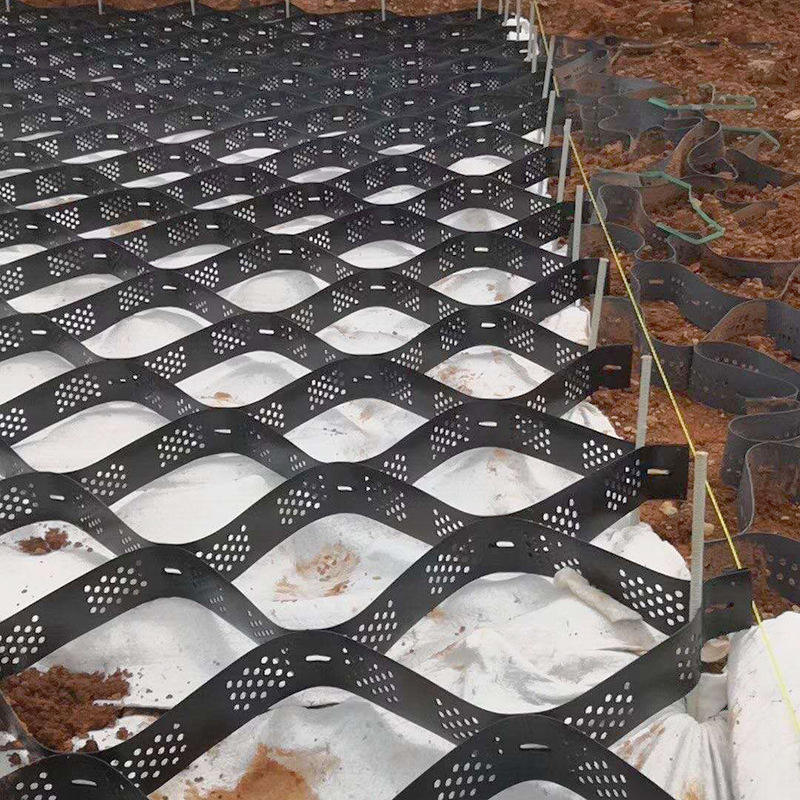
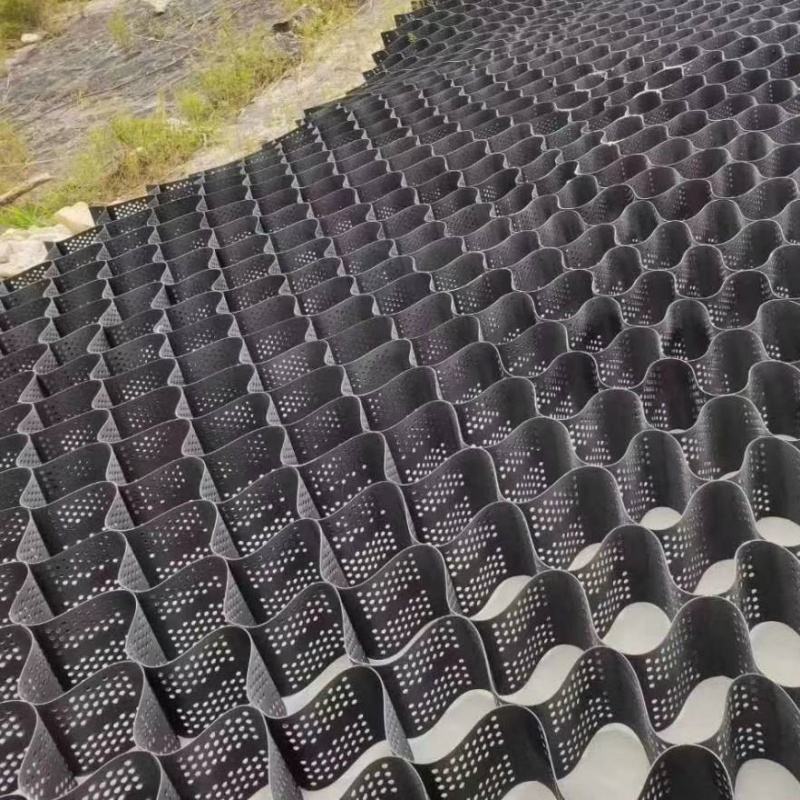
Geocells are basically 3D honeycomb structures, usually made of high-density polyethylene (HDPE) or other tough plastics. They fix this problem by trapping sandy soil inside their cells. Expand them, fill them with local sand or gravel, and they form a hard, load-bearing platform. This makes the subgrade much stronger, better at carrying weight. The secret to getting the most out of this? Picking the right geocell specifications for that specific desert’s conditions. You’ve got to check things like cell height, wall thickness, tensile strength, and material durability carefully. This ensures the geocells can handle the desert’s unique stresses. Take areas with strong winds and lots of sand erosion, for example—geocells with thicker walls and higher tensile strength work better to avoid bending or breaking. Skip these specs, and the geocells won’t perform. That shortens the road’s life, means more frequent maintenance earlier on.
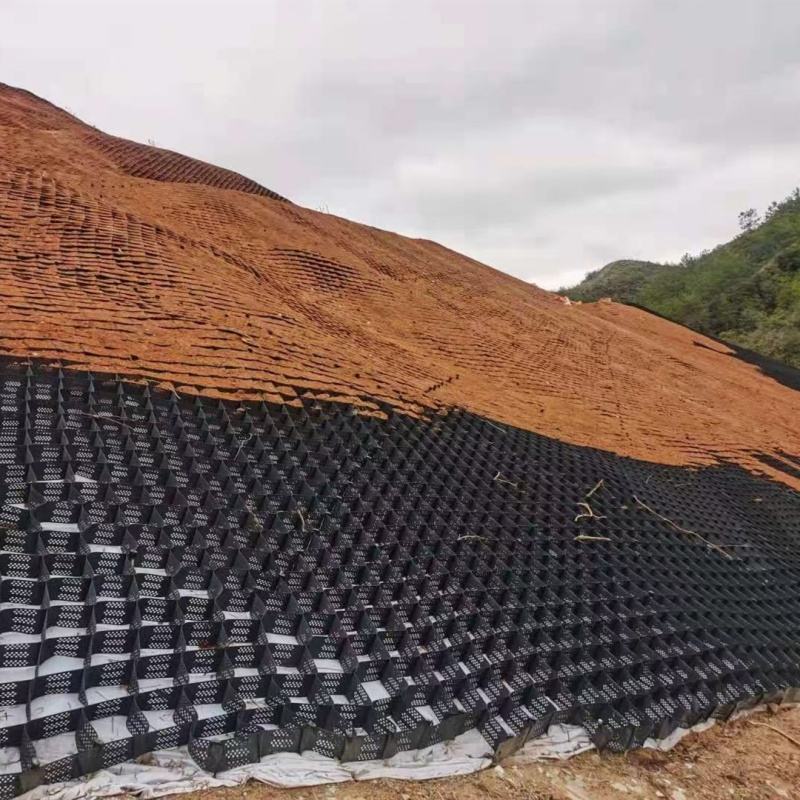
Another big plus for geocells: they fit desert conditions well. Unlike traditional materials that need lots of pre-processing or special handling, geocells are light, easy to haul to remote desert spots. You can expand them fast, install on-site—cuts down construction time and labor costs right there. And here’s the thing: you can fill them with local materials. No need to import expensive stuff from far away. This saves money on the project, and cuts the environmental impact from long-haul transport. Work with the local environment instead of fighting it, and geocells become a practical, sustainable fix for loose desert subgrades.
Key Construction Considerations for Geocells in Desert Subgrade Stabilization
To make geocells work for desert road builds, you need to follow the right construction steps closely. Even the best geocell products will underperform if installed wrong. Start with site prep—this is non-negotiable. The desert subgrade needs leveling and compaction to a specific density, to create a stable base for the geocells. You also have to clear big rocks and debris—those can puncture geocell walls during installation. Mess up this initial prep, and you get uneven loading. The geocell system will fail early.
Site prep done, expand the geocells and lay them out as per the project plan. Then anchor them tight to the subgrade—can’t have them shifting when you fill and compact. Anchoring methods vary, depending on soil conditions and the geocell specifications chosen for the job. Geocells with higher tensile strength, for instance, might need fewer anchors. Thinner-walled ones? They might need extra anchor points to stay stable. After anchoring, fill the cells with local sand or gravel, then compact that material to the right density. Compaction’s critical here—it makes sure the filled material locks together inside the cells, forming a hard, load-bearing structure. You have to control compaction carefully, though. Damage the geocell walls, and the whole system’s integrity goes out the window.
Another thing to keep in mind during construction: protecting geocells from extreme desert heat. HDPE geocells can be sensitive to high temperatures. Mishandle them, and they might soften or deform. So construction teams usually work in the cooler parts of the day—early morning, late afternoon—to keep heat impact low. Also, cover the geocells with a layer of material right after installation. Keeps them out of direct sunlight, which stops heat damage. And it helps stabilize the filled material, cuts down erosion too.
Quality checks matter throughout the whole construction process. Do regular inspections to make sure geocells are installed right, filled material is properly compacted, and all specs are met. Something off from the project design? Fix it immediately—avoids bigger problems later. Stick to these key construction steps, and teams can make geocells work well for stabilizing desert subgrades. The end result? Roads that last, roads you can rely on.
Performance Assurance and Long-Term Durability of Geocell-Reinforced Desert Subgrades
How well geocell-reinforced desert subgrades hold up over time is the main way to judge if this tech works. Desert roads face all kinds of environmental stress: wild temperature changes, wind erosion, occasional flash floods. These stresses damage road infrastructure—cracks, sinking, all sorts of issues. But geocell-reinforced subgrades hold up really well under these conditions. Why? Their unique structure, and picking the right geocell specifications in the first place.
Tensile strength and creep resistance of the geocell material are key for long-term performance. HDPE geocells, for example, are known for being strong and creep-resistant. That means they keep their structural integrity even under constant loads and extreme temperatures. Cell height and wall thickness—big parts of geocell specifications—matter for durability too. Taller cells hold fill material better, make the subgrade stronger. Thicker walls resist punctures and deformation more. Pick the right specs, and engineers can make sure the reinforced subgrade lasts long, stands up to the desert’s harshness.
Wind erosion’s a big threat to desert roads. It strips away surface material, exposes the subgrade. But geocell-reinforced subgrades resist wind erosion well. The honeycomb structure traps fill material, stops it from being blown away. Also, the compacted material inside the cells forms a hard, smooth surface—cuts down wind resistance, reduces erosion even more. Resisting wind erosion doesn’t just make the road last longer. It means less frequent maintenance, saves time and money over the long haul.
Occasional flash floods are another desert road problem—they can wreck infrastructure badly. But geocell-reinforced subgrades are built to handle flash floods. Their high shear strength and load-bearing capacity help spread water force evenly across the subgrade. This stops local scouring and erosion. Also, the compacted fill material lets water drain fast. Reduces the risk of waterlogging, which would soften the subgrade. Combine erosion resistance and good drainage, and geocell-reinforced subgrades are perfect for desert road builds—especially where flash floods pose a big risk to road integrity.
You still need regular maintenance for geocell-reinforced desert roads. But it’s usually less frequent, less intensive than roads built with traditional methods. Simple inspections, small repairs—filling in small ruts or potholes, for example—are usually enough to keep the road in good shape. This reduced maintenance saves money, and cuts down on traffic disruptions. Keeps the road usable for longer stretches of time.
Industry Application Prospects and Green Infrastructure Value of Geocells
Geocell tech’s success in stabilizing desert subgrades has opened up new options for building infrastructure in tough environments worldwide. More civil engineering teams are seeing its benefits, so demand for this tech is set to grow a lot in the coming years. And it’s not just for desert roads. Geocells are used in other jobs too—slope stabilization, channel lining, landfill construction. Their versatility makes them a valuable tool for civil engineers. One cost-effective solution, able to tackle a wide range of infrastructure challenges.
A big driver of this growth? The growing focus on green infrastructure and sustainable construction. Geocells fit right in with these goals. They cut down on material imports, reduce carbon emissions from transport, and use local resources. Use geocells, and construction teams can lower their project’s environmental impact a lot. And they still get high-quality, durable infrastructure. This sustainable approach is good for the environment, good for the budget too. Cuts project costs, improves long-term performance.
Picking the right geocell specifications is just as important in these new applications as it is in desert road builds. Different jobs need different geocell properties—cell size, material type, tensile strength, for example. Slope stabilization projects, say, might need bigger cells to hold larger fill materials. Channel lining jobs? They might need geocells with higher chemical resistance to handle water and other substances. As geocells are used in more areas, manufacturers are making new products with customized specs to meet each application’s unique needs. This ongoing innovation is pushing geocell tech adoption, expanding its potential in the civil engineering industry.
Beyond environmental and economic benefits, geocells offer social benefits too—especially in remote, underserved areas. Make durable desert roads possible, and geocells improve transport connectivity. This makes it easier for people to access education, healthcare, and economic opportunities. Better connectivity can transform local communities. Helps reduce poverty, promotes sustainable development. As geocell tech keeps evolving and expanding, it could play a key role in solving some of today’s biggest infrastructure challenges—from desert road builds to climate-resilient infrastructure.
Conclusion
Building roads in deserts doesn’t have to be a fight against loose, unstable subgrades anymore. Geocell tech has proven reliable, effective. It stabilizes desert subgrades, lets us build long-lasting, cost-effective roads that can handle the desert’s harsh environment. The key to success? Understand the unique challenges of desert construction, pick the right geocell specifications for the project, and follow proper construction steps. Do these things, and engineering teams can get past traditional methods’ limitations. Deliver infrastructure that meets today’s needs, tomorrow’s too.
Demand for sustainable, climate-resilient infrastructure keeps growing. Geocell tech will only become more important. Its versatility, cost-effectiveness, and environmental benefits make it a valuable tool for civil engineers worldwide. Lets them take on a wide range of infrastructure challenges with confidence. From desert roads to slope stabilization, geocells are helping build a more connected, sustainable future—one project at a time. The days when loose desert subgrades derailed road builds? They’re almost over, thanks to geocell tech’s innovation.