

Hdpe plastic dimple drain board
Manufacturing Process
HDPE resin drying and material conditioning
Extrusion through flat die sheet production line
Thermoforming of dimple structure using precision molds
Online thickness and geometry monitoring via laser systems
Thermal bonding of optional geotextile layers
Cooling and dimensional stabilization in controlled rollers
Automated cutting, winding, labeling, and pallet packaging
Product Definition
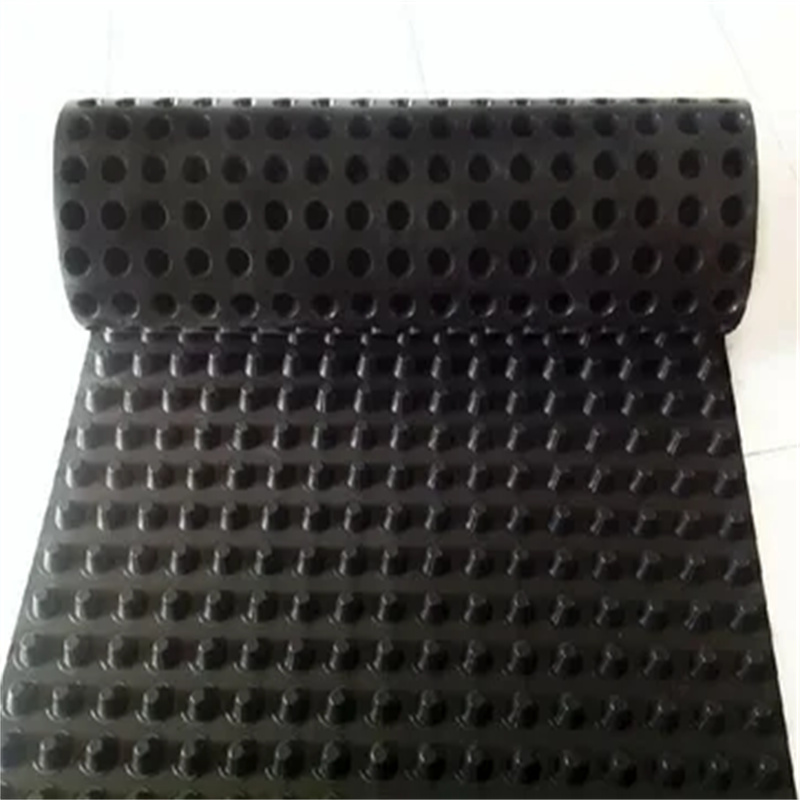
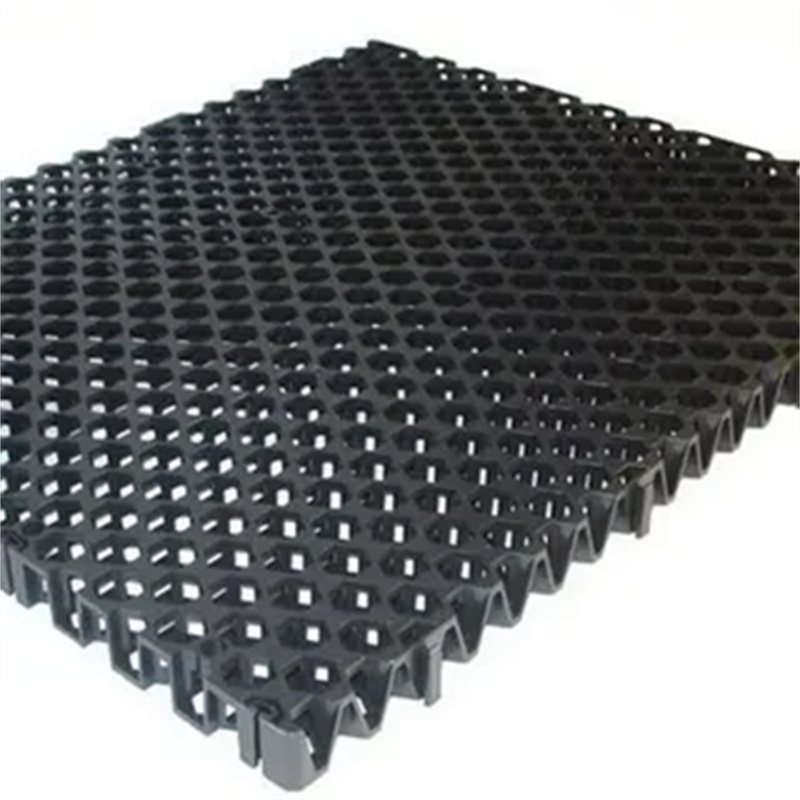
Hdpe plastic dimple drain board is an engineered drainage and protection panel manufactured from high-density polyethylene, designed to create continuous air and water flow channels, relieve hydrostatic pressure, and protect waterproofing membranes in foundation, tunnel, and structural underground engineering systems.
Technical Parameters and Specifications
Material: High-density polyethylene (HDPE)
Panel thickness: 0.8 mm – 2.0 mm
Dimple height: 8 mm – 20 mm
Compressive strength: ≥ 250 kN/m²
Void rate: ≥ 85%
Water flow capacity: ≥ 4.5 L/s·m
Temperature resistance: -30°C to +60°C
Chemical resistance: Resistant to common soil acids and alkalis
Standard roll width: 1.0 m – 3.0 m
Standard roll length: 10 m – 30 m
Structure and Material Composition
Top protective layer with organized dimple geometry
Core drainage channel structure formed by uniform studs
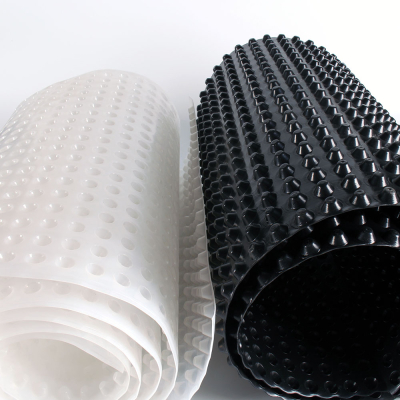
Base sheet layer for membrane protection
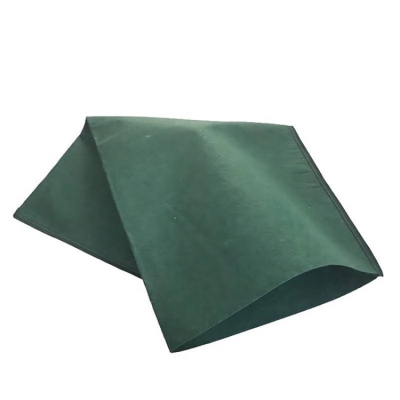
Optional laminated geotextile filter layer
Additive system:
UV stabilizers
Anti-aging antioxidants
Processing stabilizers
Manufacturing Process
HDPE resin drying and material conditioning
Extrusion through flat die sheet production line
Thermoforming of dimple structure using precision molds
Online thickness and geometry monitoring via laser systems
Thermal bonding of optional geotextile layers
Cooling and dimensional stabilization in controlled rollers
Automated cutting, winding, labeling, and pallet packaging
Industry Comparison
| Drainage Material | Load Capacity | Drainage Efficiency | Service Life | Installation Speed |
|---|---|---|---|---|
| Hdpe plastic dimple drain board | High | Excellent | 30–50 Years | Fast |
| Gravel Drainage Layer | Medium | Moderate | 10–20 Years | Slow |
| Concrete Drain Boards | Very High | Low | 40–60 Years | Slow |
| EPS Drainage Panels | Low | Moderate | 10–15 Years | Fast |
Application Scenarios
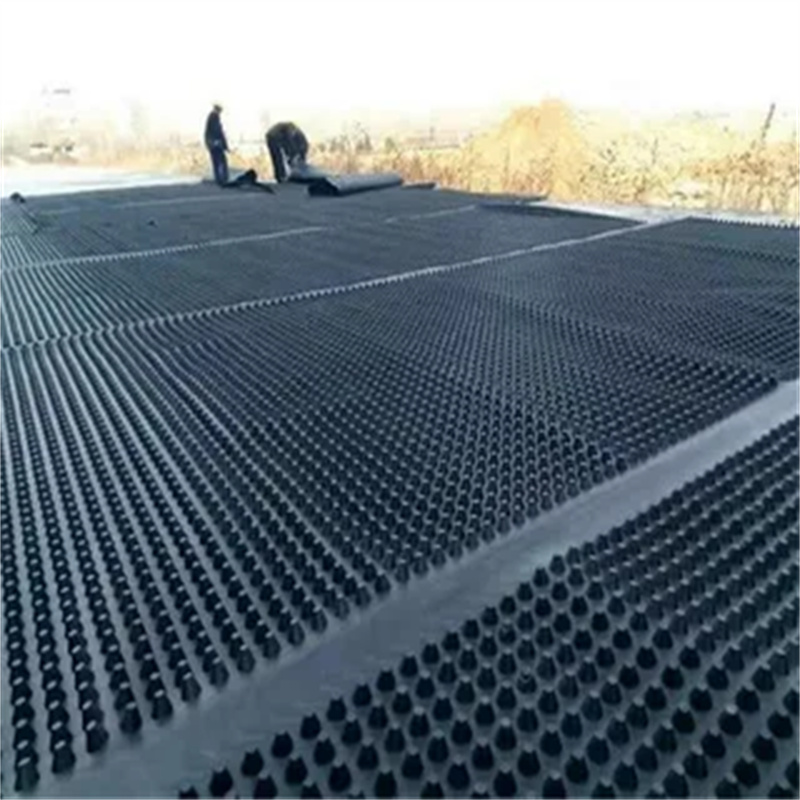
Basement and foundation wall drainage systems
Underground parking structure water management
Tunnel lining drainage and protection
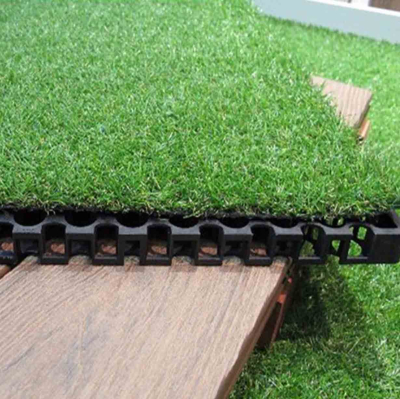
Green roof and podium landscape drainage layers
Retaining wall back-drain systems for infrastructure projects
Key Pain Points and Solutions
Hydrostatic pressure buildup: High void ratio promotes continuous water discharge.
Membrane mechanical damage: Rigid HDPE sheet protects waterproof layers.
Drainage clogging: Optional geotextile prevents soil particle intrusion.
Difficult installation: Lightweight rolls reduce labor and equipment demand.
Risk Warnings and Mitigation Recommendations
Substrate must be cleaned of sharp protrusions before placement.
Edge overlap and fastening points must be secured against soil ingress.
Avoid prolonged UV exposure without temporary covering.
Verify compatibility with specified waterproofing membranes.
Procurement and Selection Guide
Define load requirements based on soil depth and structural backfill calculations.
Select appropriate dimple height according to required drainage volume.
Confirm compressive strength with certified laboratory reports.
Choose laminated geotextile option for fine soil environments.
Evaluate roll dimensions for site logistics and handling efficiency.
Verify production capacity and quality control systems of manufacturer.
Request project-specific drawings and installation guidelines.
Engineering Case Example
In a commercial underground parking project, hdpe plastic dimple drain board was installed along 3,500 square meters of retaining wall surface. A laminated geotextile layer was applied to prevent silt blockage. Field inspections confirmed stable water discharge, and post-construction moisture monitoring showed effective pressure relief and dry interior wall conditions.
FAQ
Q1: What is the typical lifespan?
A: 30–50 years under standard burial conditions.Q2: Can it be installed vertically?
A: Yes, it is suitable for vertical and horizontal drainage.Q3: Does it replace gravel drainage?
A: In many designs, it can reduce or eliminate gravel layers.Q4: What is the standard overlap width?
A: Typically 100–150 mm.Q5: Is it resistant to soil chemicals?
A: Yes, HDPE resists common soil-based acids and alkalis.Q6: Can it be cut on site?
A: Yes, using standard construction cutting tools.Q7: Is geotextile mandatory?
A: Recommended for fine-grained or silty soil conditions.Q8: What backfill is suitable?
A: Free-draining granular backfill is recommended when specified.Q9: Does it need special fixings?
A: Mechanical anchors or compatible adhesives are commonly used.Q10: How is quality verified on site?
A: Visual inspection and flow testing are standard practices.
CTA
For formal quotations, detailed technical datasheets, or project samples of hdpe plastic dimple drain board, provide your structural drawings and drainage design requirements for professional engineering review.
E-E-A-T Author Credentials
This article is prepared by a civil infrastructure materials specialist with over 15 years of experience in foundation drainage engineering, geosynthetics design, and EPC technical support for large-scale construction projects.
You have not enough Humanizer words left. Upgrade your Surfer plan.