LDPE Geomembrane
Manufacturing Process
The production of LDPE Geomembrane follows controlled engineering procedures to ensure uniformity and compliance.
Raw material batching and gravimetric dosing
High-temperature extrusion using flat-die or blown-film lines
Calendering or air-ring thickness control
Online thickness and surface inspection
Controlled cooling and edge trimming
Roll winding and labeling
Quality testing: tensile, elongation, puncture, and density checks
Product Definition
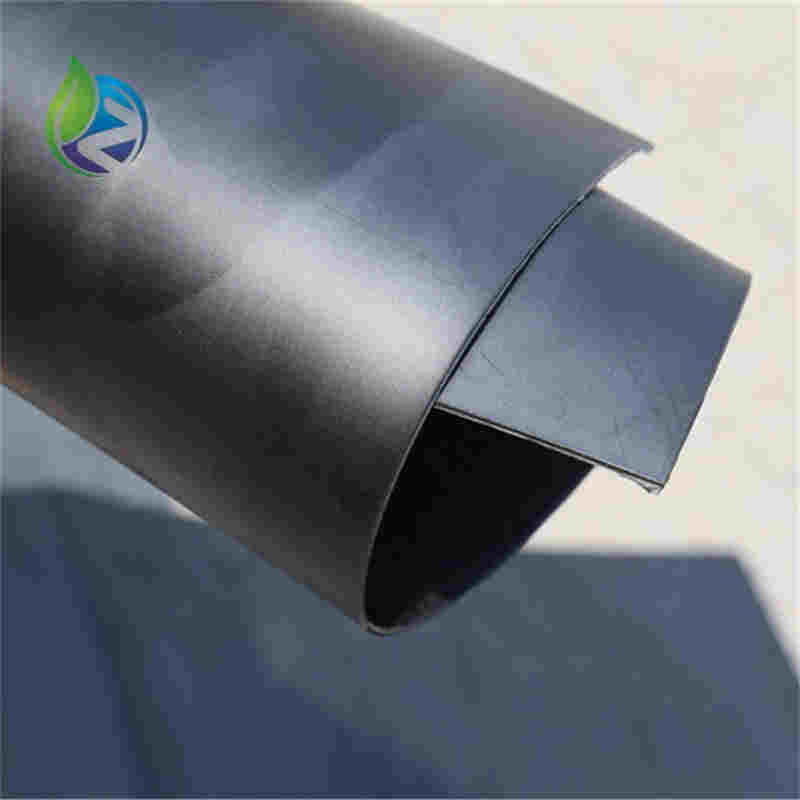
LDPE Geomembrane is a low-density polyethylene impermeable lining material engineered for fluid containment, seepage control, and environmental protection in civil and industrial projects. It offers high flexibility, chemical resistance, and adaptability to complex substrates.
Technical Parameters and Specifications
LDPE Geomembrane specifications are designed to meet international engineering and environmental standards.
Thickness: 0.3 mm – 3.0 mm
Density: 0.915 – 0.930 g/cm³
Tensile Strength at Yield: ≥ 8 MPa
Elongation at Break: ≥ 600%
Puncture Resistance: ≥ 300 N
Carbon Black Content: 2.0% – 3.0%
Service Temperature Range: -40°C to +60°C
Standard Width: 5.8 m – 8.0 m
Roll Length: 50 m – 200 m
Structure and Material Composition
LDPE Geomembrane is composed of a single-layer or co-extruded polymer structure optimized for flexibility and durability.
Base Resin: Virgin LDPE polymer for consistent mechanical properties
Carbon Black: UV stabilization and aging resistance
Antioxidants: Thermal and oxidative stability
Processing Additives: Improved extrusion flow and surface finish
Manufacturing Process
The production of LDPE Geomembrane follows controlled engineering procedures to ensure uniformity and compliance.
Raw material batching and gravimetric dosing
High-temperature extrusion using flat-die or blown-film lines
Calendering or air-ring thickness control
Online thickness and surface inspection
Controlled cooling and edge trimming
Roll winding and labeling
Quality testing: tensile, elongation, puncture, and density checks
Industry Comparison
| Material | Flexibility | Chemical Resistance | Cost Level | Typical Applications |
|---|---|---|---|---|
| LDPE Geomembrane | High | Good | Medium | Landfills, ponds, canals |
| HDPE Geomembrane | Moderate | Excellent | Medium-High | Hazardous waste, mining |
| PVC Geomembrane | Very High | Moderate | Low-Medium | Decorative ponds, roofing |
| EPDM | Very High | Good | High | Water features |
Application Scenarios
LDPE Geomembrane is widely adopted by EPC contractors, distributors, and engineering firms in:
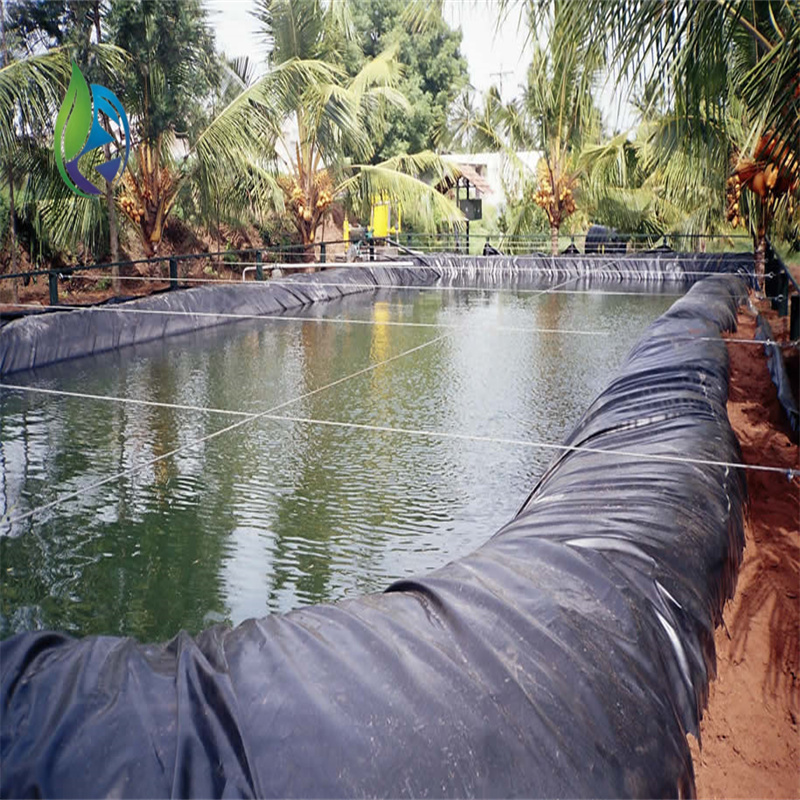
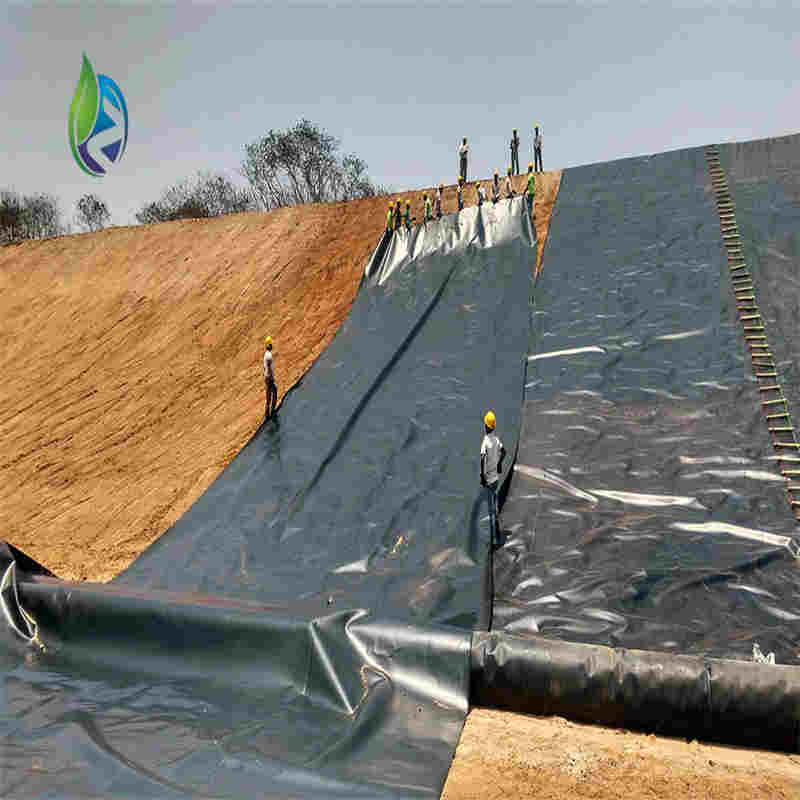
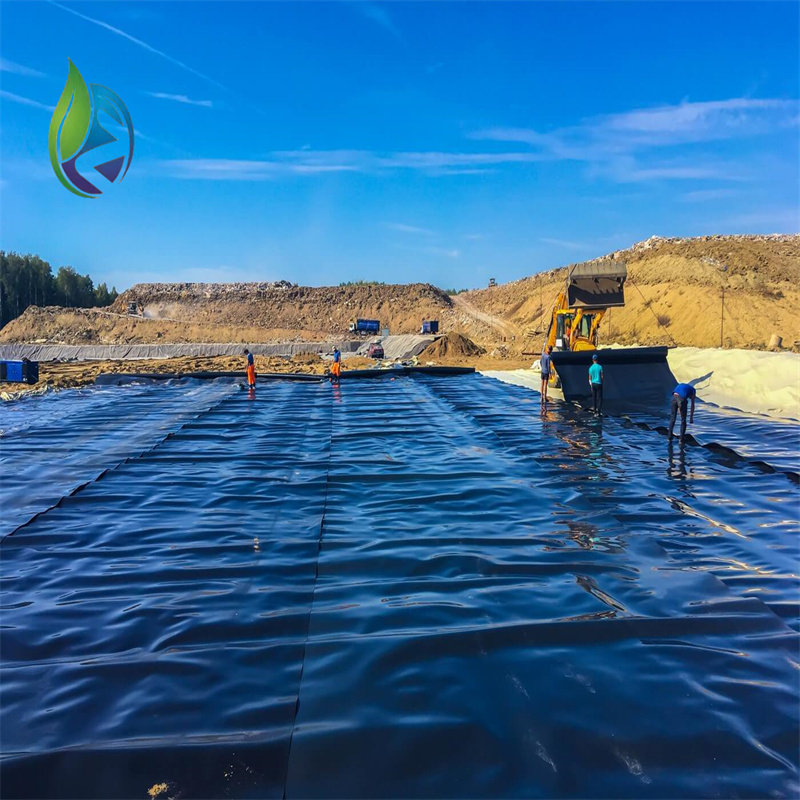
Municipal and industrial landfill liners
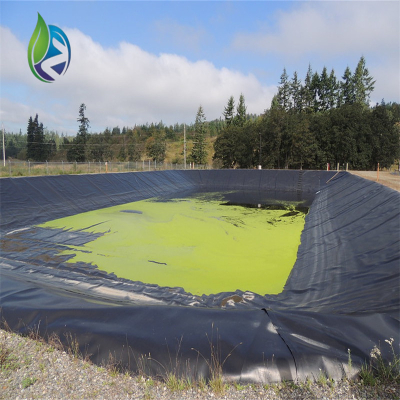
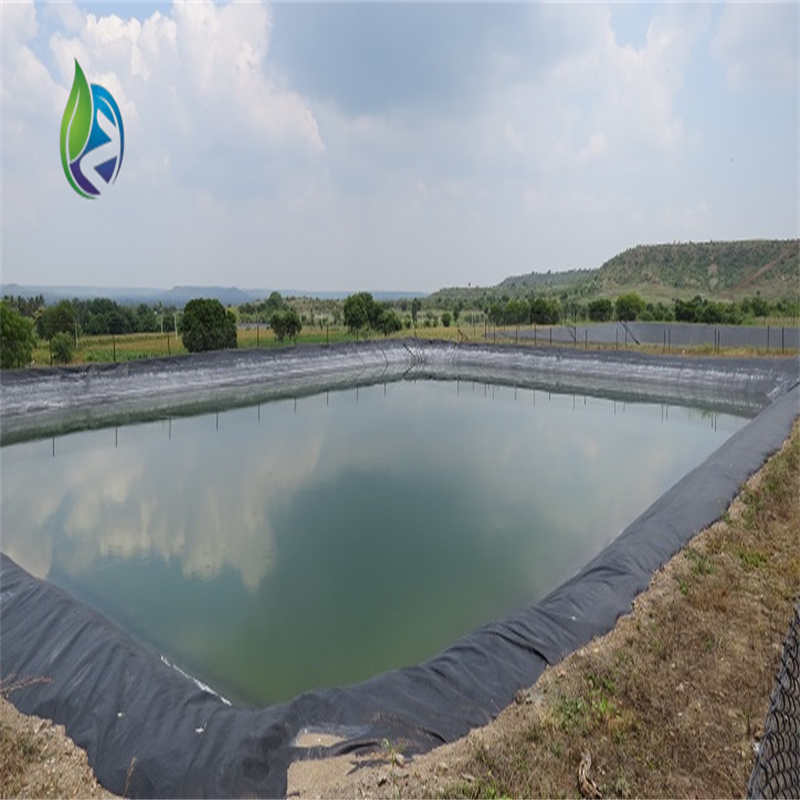
Wastewater treatment lagoons
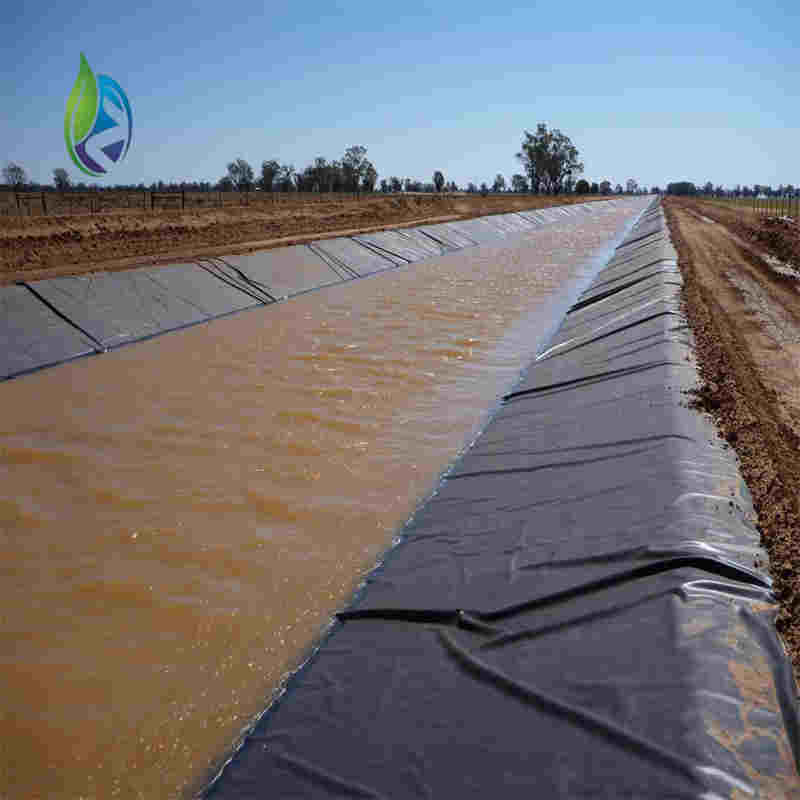
Agricultural irrigation canals and reservoirs
Mining heap leach pads
Temporary containment systems
Secondary containment for chemical storage
Core Engineering Pain Points and Solutions
Subgrade irregularity: High elongation accommodates settlement
Crack propagation: LDPE flexibility reduces stress concentration
Installation speed: Wider rolls minimize welding seams
Environmental exposure: UV-stabilized formulation extends service life
Risk Warnings and Mitigation Recommendations
Avoid prolonged exposure to sharp aggregates without cushioning layers
Ensure certified welding technicians perform seam joining
Conduct vacuum box or air pressure seam testing
Do not use recycled-content liners for critical containment
Procurement and Selection Guide
Define application environment and chemical exposure
Select appropriate thickness based on load and risk
Verify compliance with ASTM or equivalent standards
Confirm roll dimensions for site logistics
Request third-party quality test reports
Evaluate supplier engineering support capabilities
Plan installation and QA/QC procedures
Engineering Case Application
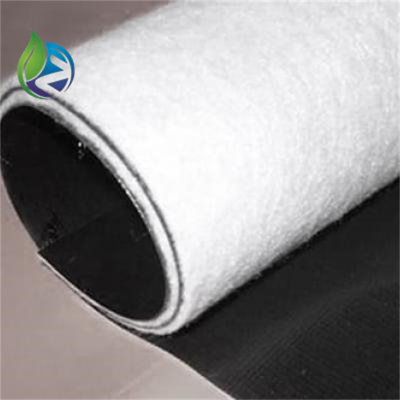
In a municipal wastewater lagoon project, 1.5 mm LDPE Geomembrane was installed over a compacted clay subgrade with geotextile protection. The liner accommodated differential settlement while maintaining hydraulic integrity, reducing seepage losses and long-term maintenance costs.
Frequently Asked Questions (FAQ)
What is the typical lifespan of LDPE Geomembrane? — 20–30 years under proper conditions.
Is LDPE Geomembrane suitable for potable water? — Yes, with certified formulations.
Can LDPE Geomembrane be welded? — Yes, using hot wedge or extrusion welding.
How does LDPE compare to HDPE? — LDPE is more flexible but less rigid.
What thickness is common for landfills? — Typically 1.5–2.0 mm.
Is UV resistance adequate? — Yes, with proper carbon black content.
Can it be installed in cold climates? — Installation is feasible above -10°C.
Does it resist acids and alkalis? — Yes, for most industrial chemicals.
Is custom sizing available? — Standard practice for large projects.
What QA tests are required? — Tensile, elongation, puncture, and seam testing.
Call to Action
For detailed technical datasheets, engineering consultation, project references, or quotation requests for LDPE Geomembrane, please contact our technical sales team with your project specifications.
E-E-A-T Author Credentials
This content is prepared by a geosynthetics engineering specialist with over 12 years of experience in geomembrane design, manufacturing quality control, and international EPC project support across environmental, mining, and infrastructure sectors.