High Quality Short Fiber Geotextile
Manufacturing Process
High quality short fiber geotextile is produced through a fully controlled industrial process to ensure consistency and performance reliability.
Selection and opening of PET or PP staple fibers
Carding and web formation for uniform fiber distribution
Layer stacking to achieve target mass per unit area
Needle punching for mechanical bonding and strength
Heat setting to stabilize dimensions (optional)
Online inspection of thickness, weight, and defects
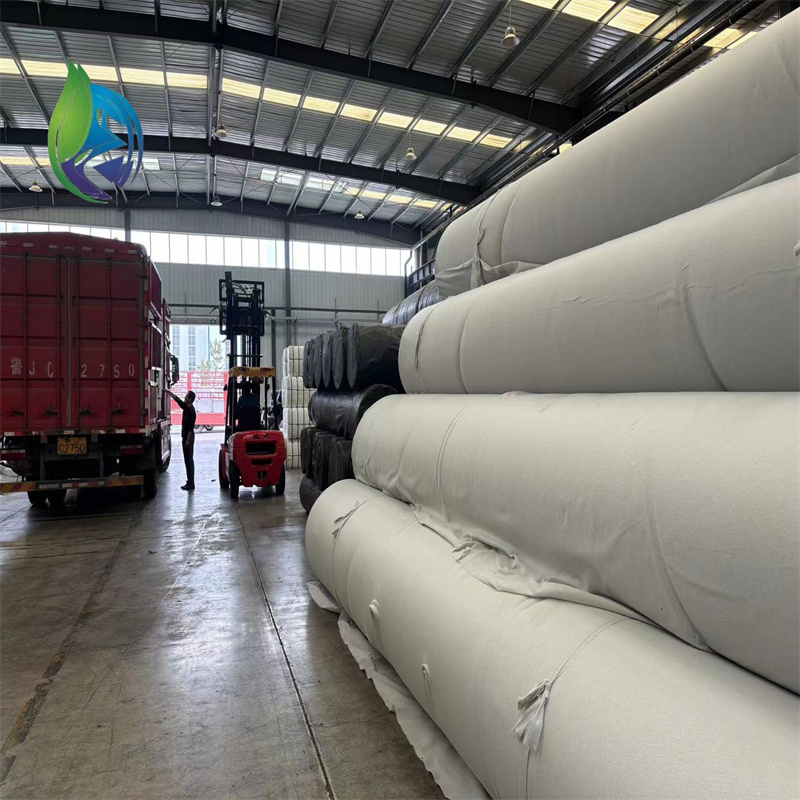
Roll cutting, labeling, and protective packaging
Key equipment includes fiber openers, carding machines, needle-punch looms, thickness gauges, and tensile testing systems.
Product Definition: What Is High Quality Short Fiber Geotextile?
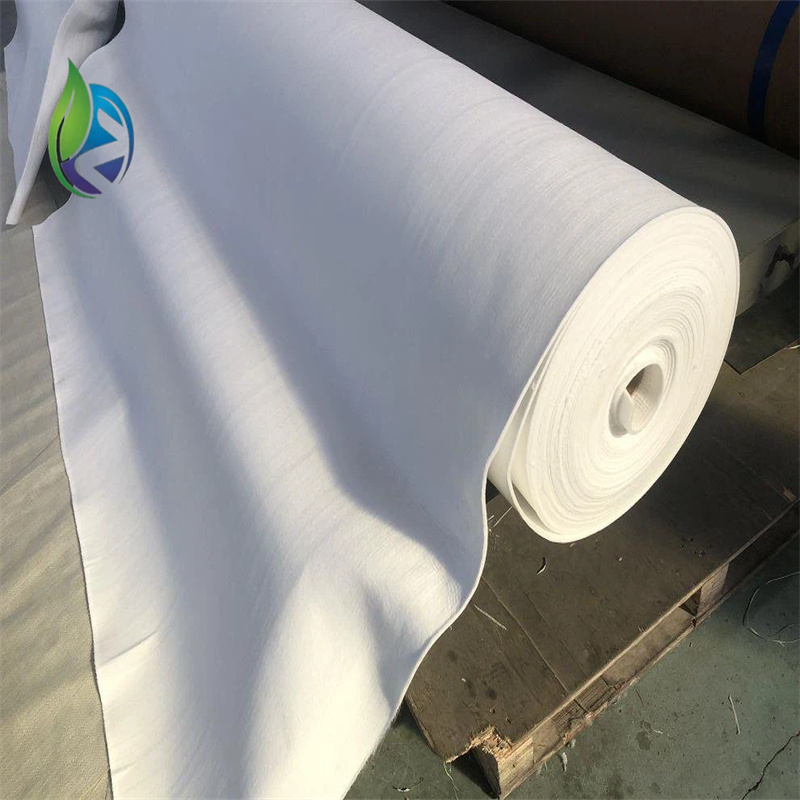
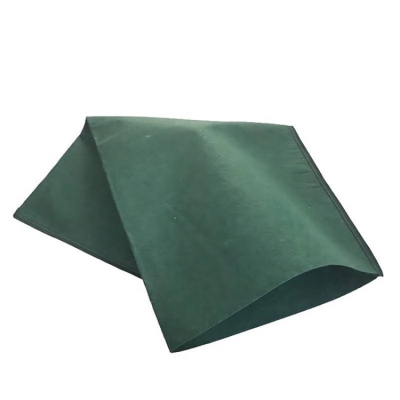
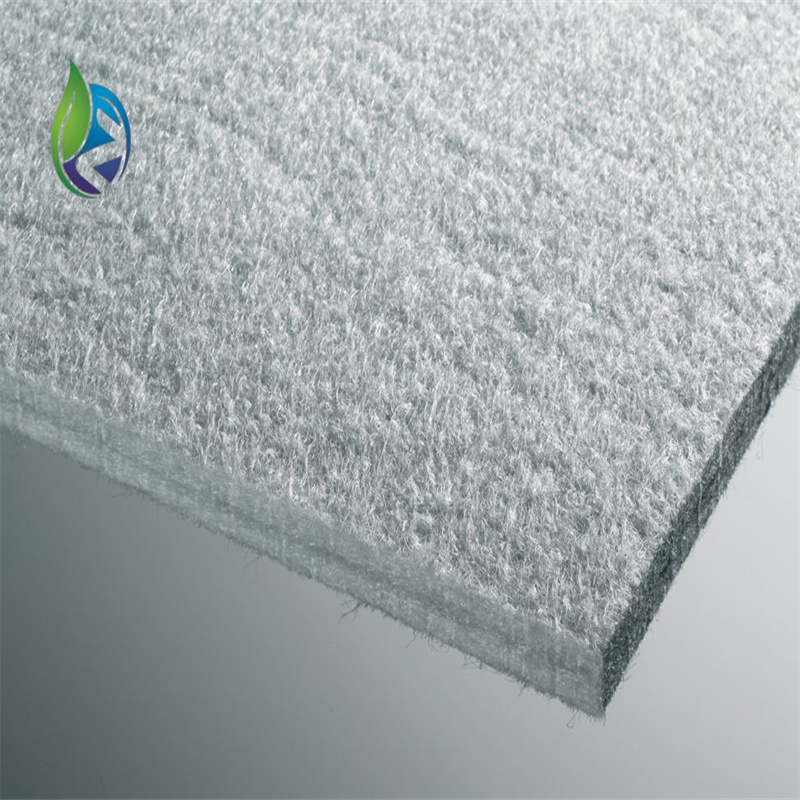
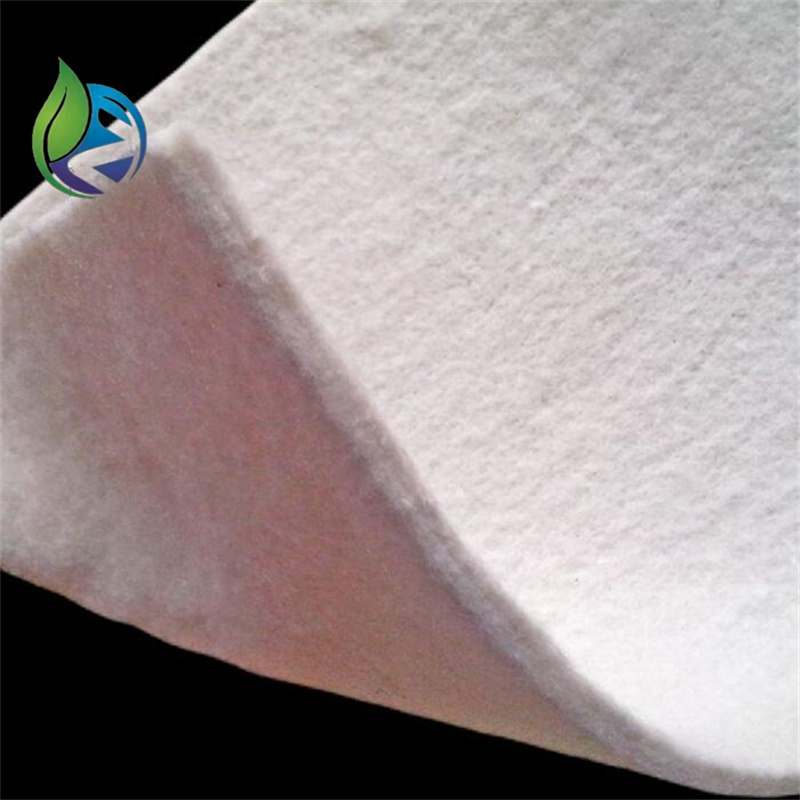
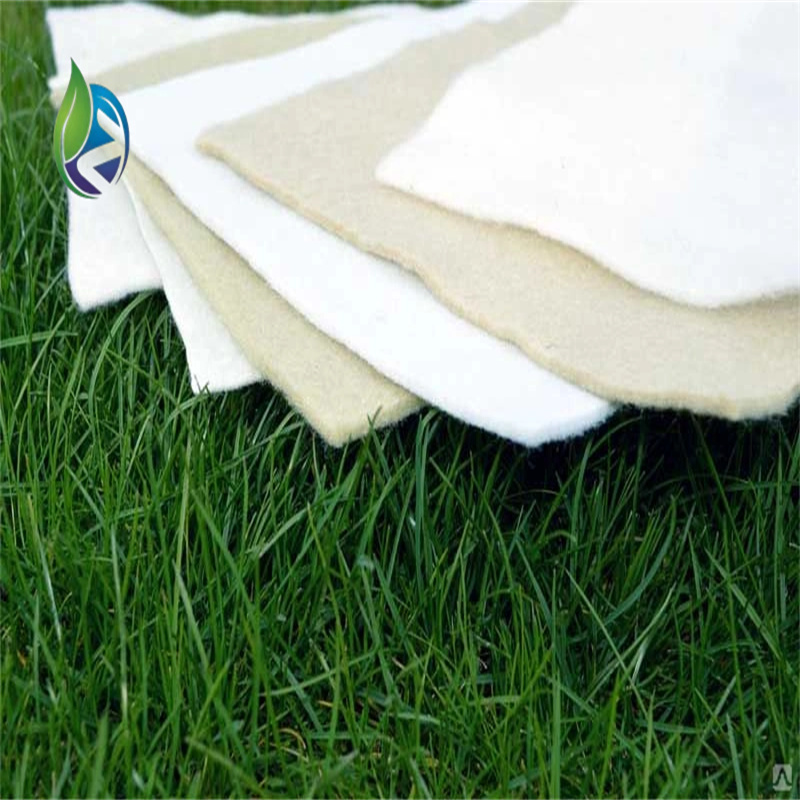
High quality short fiber geotextile is a nonwoven geosynthetic material manufactured from polyester (PET) or polypropylene (PP) staple fibers through needle punching. It is engineered for separation, filtration, drainage, and reinforcement functions in civil, environmental, and infrastructure projects.
Technical Parameters and Specifications
High quality short fiber geotextile performance is defined by standardized mechanical and hydraulic indicators suitable for long-term engineering applications.
Raw Material: PET or PP short (staple) fiber
Manufacturing Method: Needle-punched nonwoven
Mass per Unit Area: 100–800 g/m²
Tensile Strength: 6–35 kN/m
Elongation at Break: 40%–80%
CBR Puncture Strength: 1.0–6.5 kN
Water Permeability (Vertical): ≥ 10⁻² m/s
Equivalent Opening Size (O90): 0.07–0.30 mm
Thickness (2 kPa): 0.9–6.0 mm
UV Resistance Retention (500 h): ≥ 70%
Applicable Standards: ASTM D4595, EN ISO 10319, ASTM D6241
Structure and Material Composition
The internal structure of high quality short fiber geotextile determines its multi-functional engineering performance.
Staple Fiber Matrix: Randomly oriented PET or PP fibers
Needle-Punched Network: Mechanical entanglement ensuring isotropic strength
Porous Structure: Enables controlled water flow and soil retention
Surface Uniformity: Improves contact with soil and aggregates
Chemical Stability: Resistant to acids, alkalis, and biological degradation
Manufacturing Process
High quality short fiber geotextile is produced through a fully controlled industrial process to ensure consistency and performance reliability.
Selection and opening of PET or PP staple fibers
Carding and web formation for uniform fiber distribution
Layer stacking to achieve target mass per unit area
Needle punching for mechanical bonding and strength
Heat setting to stabilize dimensions (optional)
Online inspection of thickness, weight, and defects
Roll cutting, labeling, and protective packaging
Key equipment includes fiber openers, carding machines, needle-punch looms, thickness gauges, and tensile testing systems.
Industry Comparison: Short Fiber vs Other Geotextiles
| Parameter | Short Fiber Geotextile | Filament Geotextile | Woven Geotextile | Geogrid |
|---|---|---|---|---|
| Manufacturing Type | Nonwoven, needle-punched | Nonwoven, spunbond | Woven | Extruded / Welded |
| Filtration Performance | Excellent | Good | Limited | Not applicable |
| Isotropic Strength | Yes | Yes | No | Directional |
| Drainage Capability | High | Moderate | Low | None |
| Cost Efficiency | High | Moderate | Moderate | Higher |
Application Scenarios
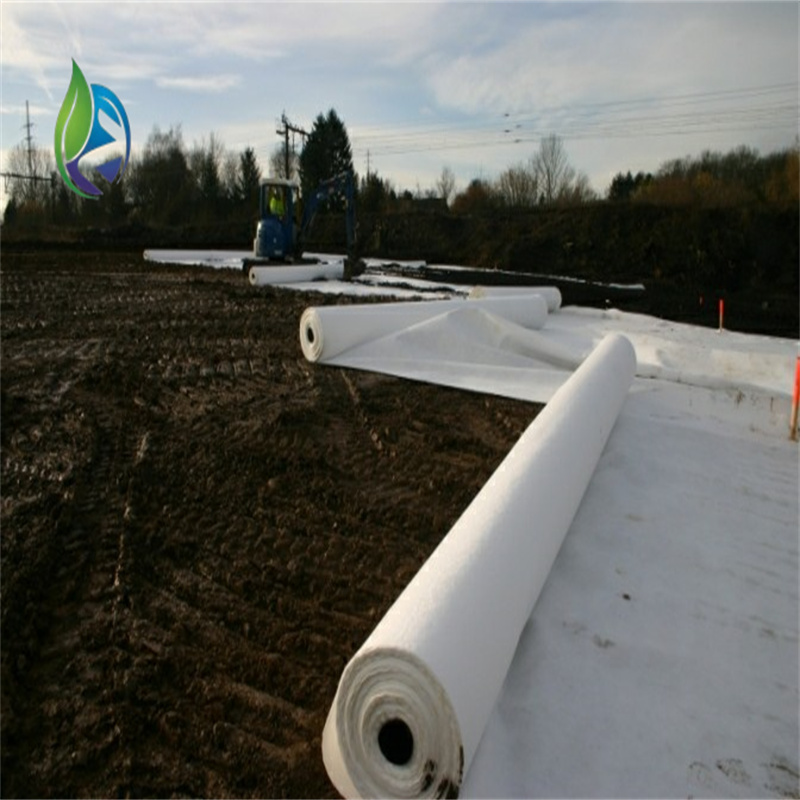
High quality short fiber geotextile is widely used by EPC contractors, distributors, and engineering firms across infrastructure sectors.
Road and highway subgrade separation
Railway ballast stabilization
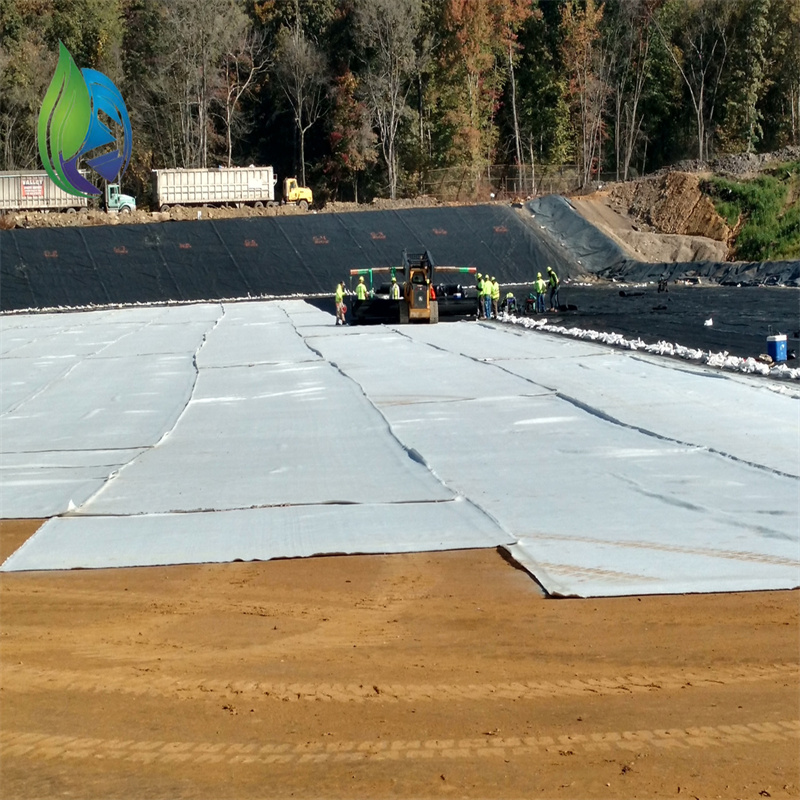
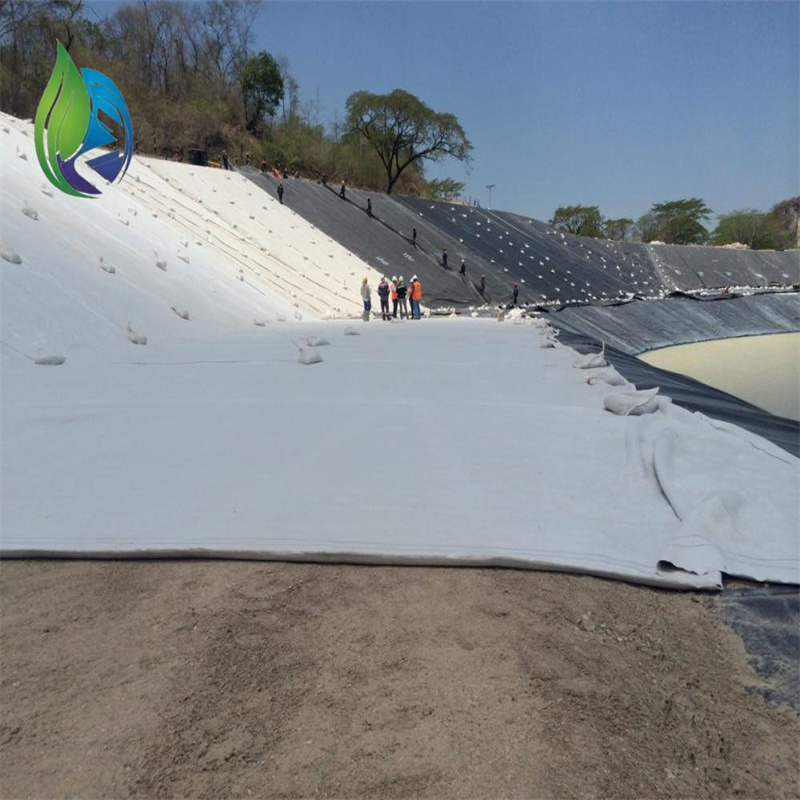
Landfill drainage and protection layers
Riverbank and coastal erosion control
Tunnel and underground drainage systems
Retaining wall and slope protection projects
Core Engineering Pain Points and Solutions
Soil Contamination: Prevents intermixing of subgrade and aggregate layers
Poor Drainage: Maintains permeability while retaining soil particles
Uneven Settlement: Distributes loads and improves subgrade stability
Material Degradation: PET/PP fibers ensure long-term chemical resistance
Risk Warnings and Mitigation Recommendations
Ensure correct orientation and overlap during installation
Avoid prolonged UV exposure before backfilling
Match opening size to soil gradation to prevent clogging
Use protective layers to avoid puncture during construction
Procurement and Selection Guide
Identify project function: separation, filtration, drainage, or protection
Define required tensile strength and puncture resistance
Select appropriate mass per unit area
Verify compliance with project specifications and standards
Review third-party laboratory test reports
Evaluate supplier production capacity and QA systems
Confirm roll dimensions, logistics, and technical support
Engineering Case Study
In a highway expansion project, a 300 g/m² high quality short fiber geotextile was installed between the soft clay subgrade and crushed stone base. Post-construction monitoring showed improved drainage performance and reduced rutting, extending pavement service life and reducing maintenance costs.
Frequently Asked Questions (FAQ)
What is high quality short fiber geotextile used for? – Separation, filtration, drainage, and protection
Is short fiber geotextile suitable for soft soils? – Yes
What is the difference between short fiber and filament geotextile? – Fiber length and structure
Can it be used in drainage systems? – Yes
Is PET or PP better? – Depends on chemical and temperature conditions
How long does it last underground? – Typically over 50 years
Does it resist biological degradation? – Yes
Can it be combined with geomembranes? – Commonly used together
Does it require special installation tools? – No
Is third-party testing recommended? – Strongly recommended
CTA – Request Quotation or Technical Documentation
Procurement managers, EPC contractors, and distributors may request technical datasheets, compliance certificates, pricing, or engineering samples for tender preparation and design verification.
E-E-A-T Author Credentials
This article is prepared by geosynthetics engineering professionals with extensive experience in infrastructure design, material testing, and international project delivery. All technical parameters are aligned with recognized ASTM and EN standards and proven field applications.