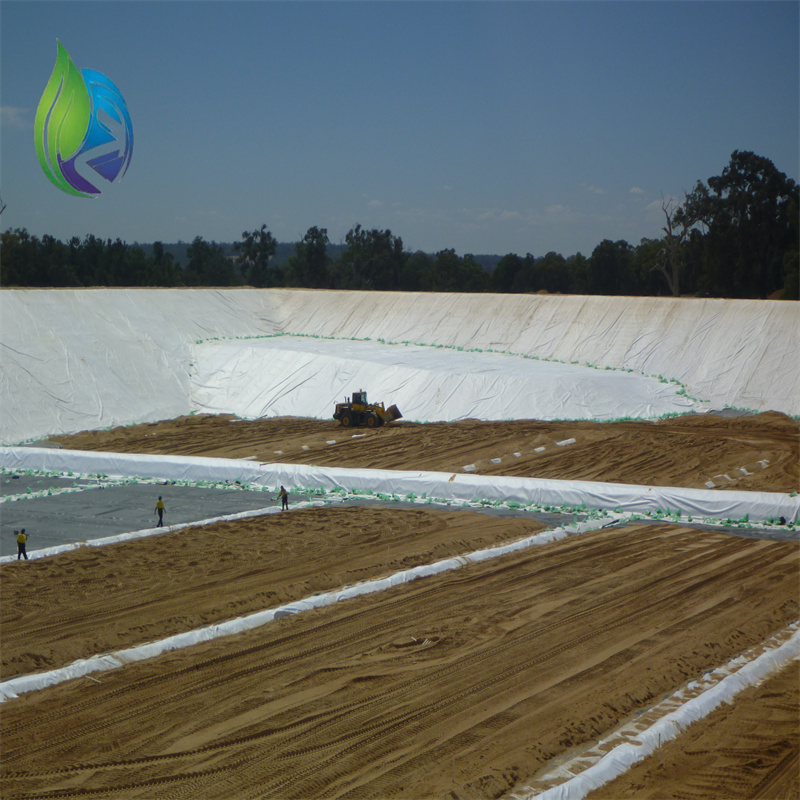
Nonwovens Composite Geomembrane
Manufacturing Process
The manufacturing process emphasizes bonding integrity and thickness uniformity.
Polymer geomembrane sheet extrusion or calendering
Nonwoven geotextile preparation and surface conditioning
Thermal lamination or hot-melt composite bonding
Online thickness and peel strength inspection
Cooling, trimming, and roll formation
Factory mechanical, hydraulic, and durability testing
Product Definition
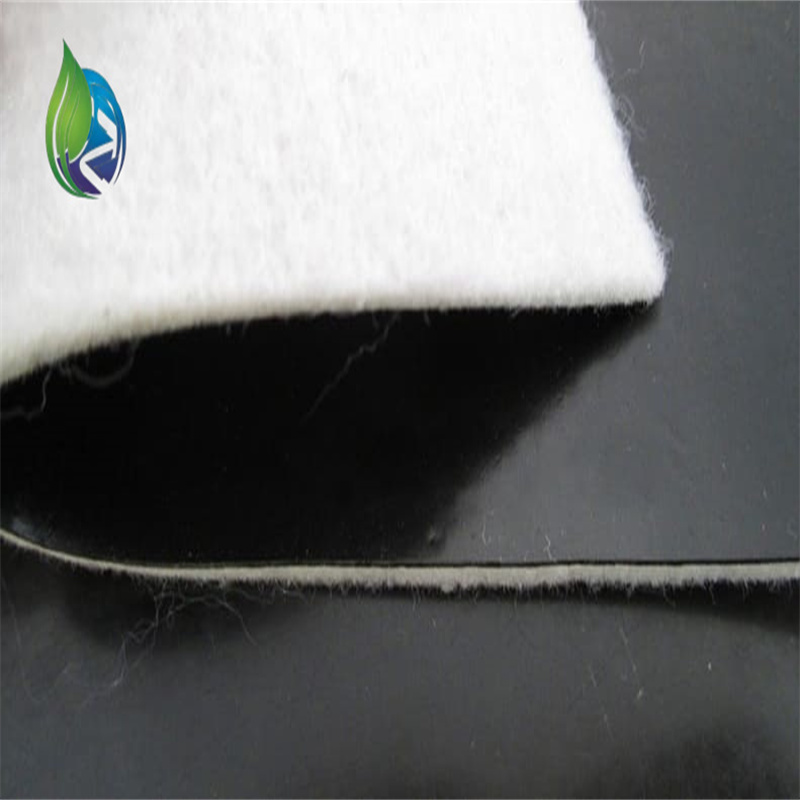
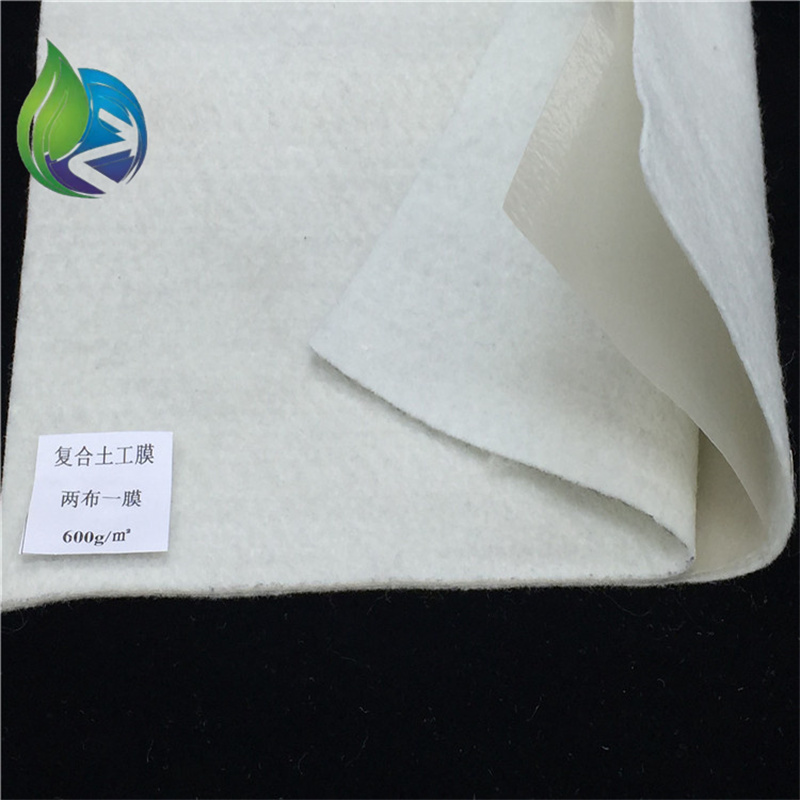
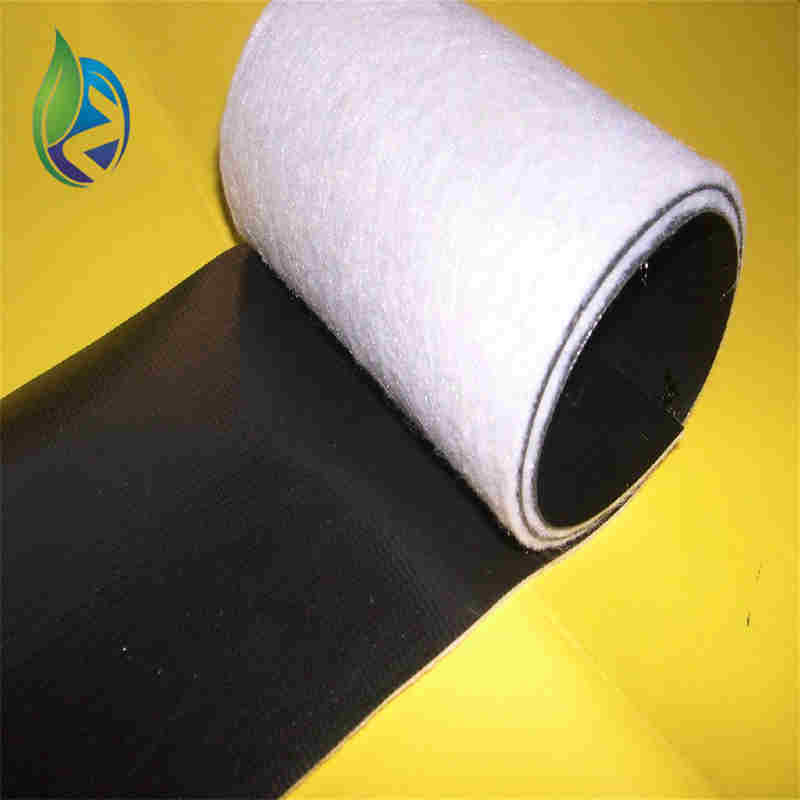
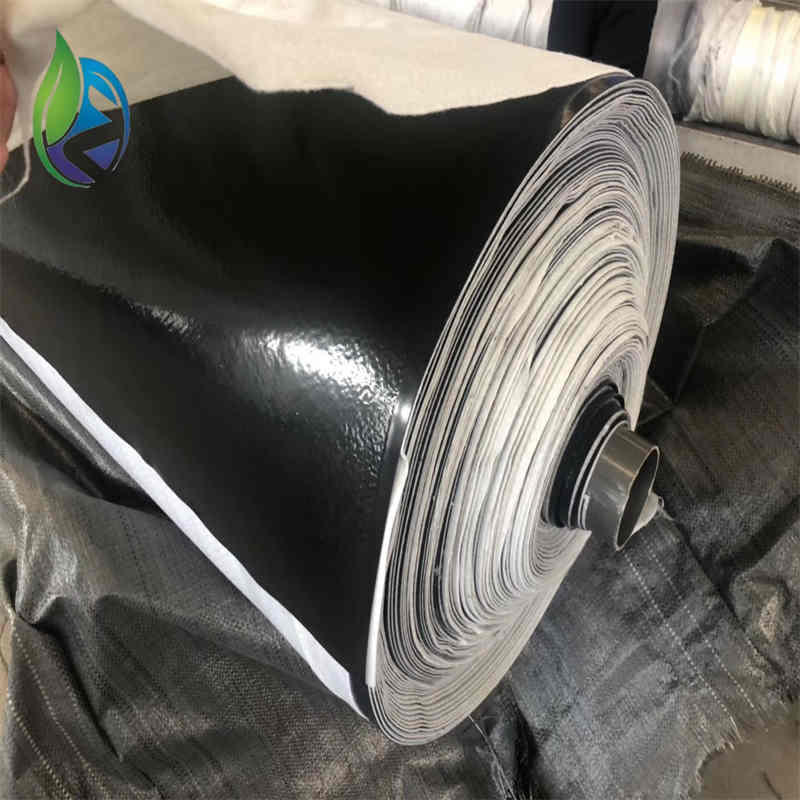
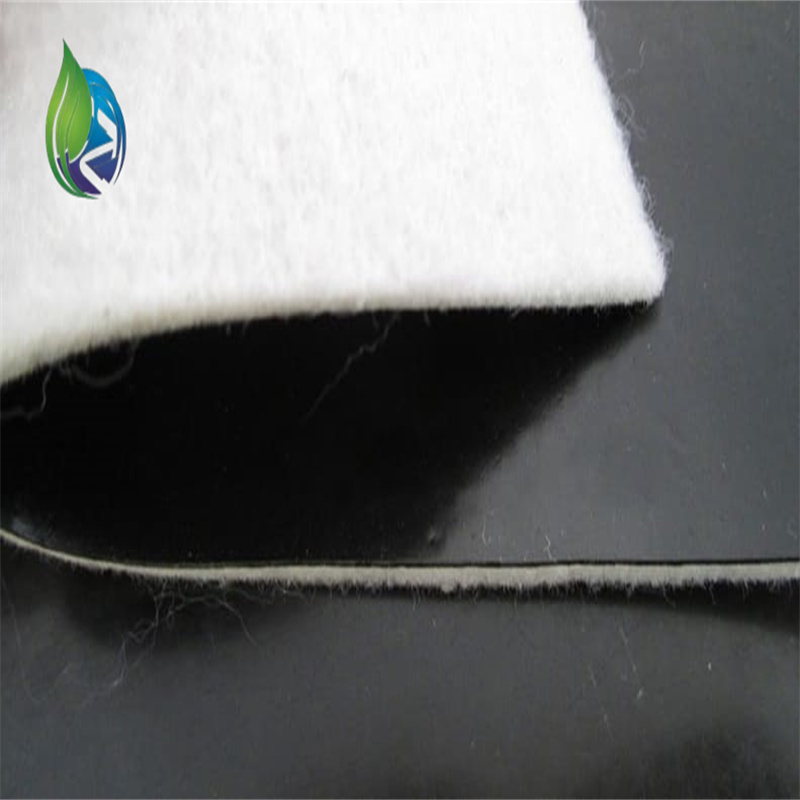
Nonwovens Composite Geomembrane is an engineered impermeable barrier formed by bonding one or two layers of nonwoven geotextile to a polymer geomembrane core. It integrates anti-seepage performance with filtration, protection, and stress distribution, widely applied in hydraulic, environmental, and civil engineering projects.
Technical Parameters and Specifications
The following parameters represent commonly adopted engineering ranges. Final selection should comply with project design codes and testing standards.
Composite Structure: Nonwoven geotextile + geomembrane + nonwoven geotextile
Geomembrane Thickness: 0.3 mm – 1.5 mm
Nonwoven Geotextile Mass: 200 – 800 g/m²
Tensile Strength: ≥ 8.0 kN/m
Elongation at Break: ≥ 50%
Peel Strength: ≥ 30 N/cm
Hydrostatic Pressure Resistance: ≥ 0.6 MPa
Permeability Coefficient: ≤ 1 × 10⁻¹³ cm/s
Service Temperature: -40°C to +80°C
Structure and Material Composition
Nonwovens Composite Geomembrane adopts a layered structure to achieve both impermeability and mechanical protection.
Upper nonwoven geotextile layer for cushioning and puncture resistance
Central polymer geomembrane providing hydraulic impermeability
Lower nonwoven geotextile layer for filtration and interface friction
Thermal or adhesive bonding ensuring long-term interlayer stability
Manufacturing Process
The manufacturing process emphasizes bonding integrity and thickness uniformity.
Polymer geomembrane sheet extrusion or calendering
Nonwoven geotextile preparation and surface conditioning
Thermal lamination or hot-melt composite bonding
Online thickness and peel strength inspection
Cooling, trimming, and roll formation
Factory mechanical, hydraulic, and durability testing
Industry Comparison
| Material Type | Impermeability | Protection Capability | Installation Complexity | Typical Use |
|---|---|---|---|---|
| Nonwovens Composite Geomembrane | Excellent | High | Moderate | Dams, canals, landfills |
| Single HDPE Geomembrane | Excellent | Low | Low | Waste containment |
| Clay Liner | Moderate | Moderate | High | Traditional earthworks |
| Geosynthetic Clay Liner | High | Moderate | Moderate | Landfill liners |
Application Scenarios
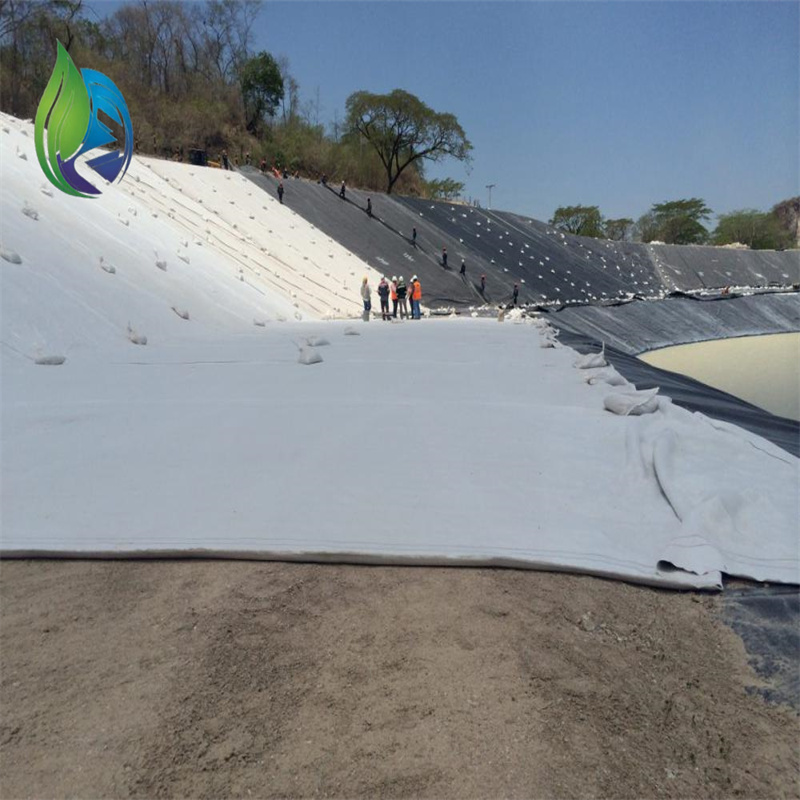
Nonwovens Composite Geomembrane is widely adopted by EPC contractors, infrastructure developers, and distributors.
Reservoirs and earth dams
Irrigation and water conveyance canals
Landfill bottom and cover liner systems
Mining tailings ponds
Artificial lakes and water landscape projects
Core Pain Points and Engineering Solutions
Puncture risk from subgrade: Nonwoven layers provide cushioning protection
Seepage control failure: Continuous geomembrane core ensures impermeability
Uneven stress distribution: Composite structure spreads load effectively
Construction damage: Integrated protection reduces installation defects
Risk Warnings and Mitigation Recommendations
Ensure proper seam welding of geomembrane core
Avoid excessive dragging during installation
Protect exposed edges from UV degradation
Conduct peel strength testing on bonded layers
Procurement and Selection Guide
Confirm hydraulic pressure and seepage requirements
Select geomembrane thickness based on design life
Determine nonwoven mass according to puncture risk
Check compatibility with local standards and codes
Request third-party laboratory test reports
Evaluate supplier project references and production capacity
Engineering Case Example
In a medium-sized irrigation reservoir project, a double-sided Nonwovens Composite Geomembrane with 0.75 mm HDPE core and 400 g/m² nonwoven layers was installed. The system improved construction efficiency, minimized seepage losses, and reduced maintenance compared to traditional clay lining methods.
Frequently Asked Questions
What is the main advantage? Integrated impermeability and protection.
Can it replace concrete lining? In many hydraulic applications, yes.
Is welding required? Yes, for the geomembrane core seams.
Does it allow drainage? The nonwoven layer supports filtration, not drainage.
What thickness is common? 0.5–1.0 mm for most projects.
Is it resistant to chemicals? Depends on geomembrane polymer selection.
Can it be used on slopes? Yes, with proper anchoring design.
How is quality checked? Peel, tensile, and permeability tests.
What is the service life? Typically 20–30 years under proper conditions.
Is geotextile separation still needed? Often unnecessary due to composite structure.
Call to Action
For project-specific quotations, detailed technical datasheets, or engineering samples of Nonwovens Composite Geomembrane, please submit your design parameters for professional assessment and procurement support.
E-E-A-T Author Credentials
This article is prepared by geotechnical engineers and materials specialists with extensive experience in geosynthetics, hydraulic engineering, and environmental containment systems. All information is based on established engineering practice, standardized testing methods, and verified project implementation data.