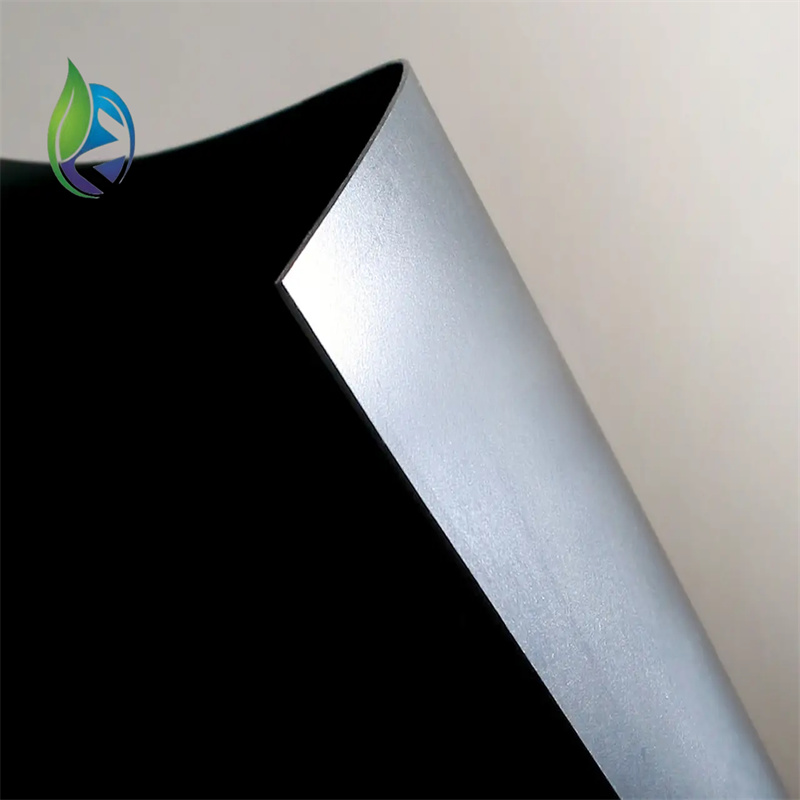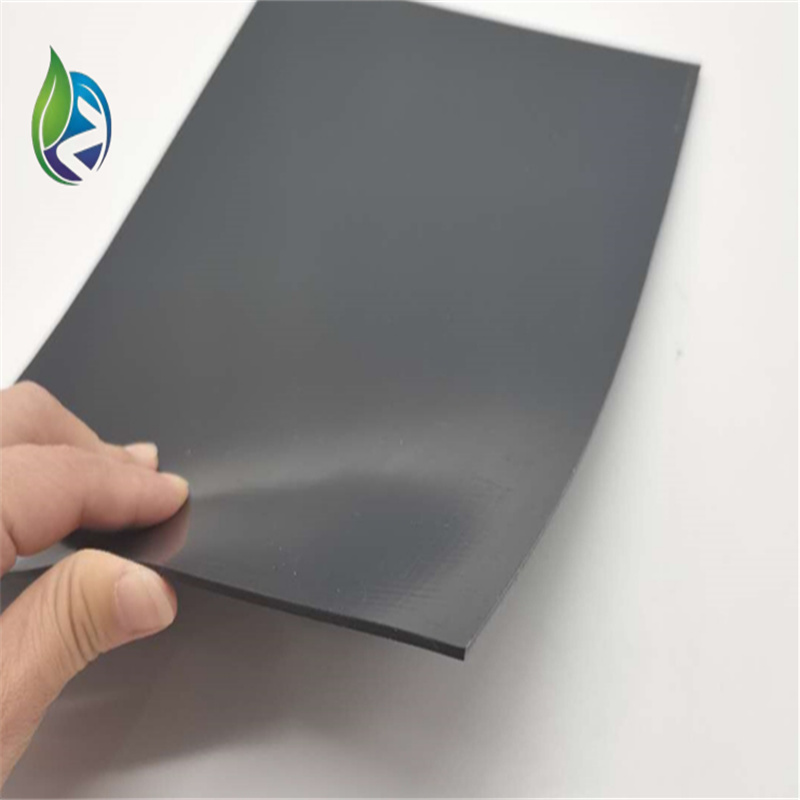

1.5 mm Geomembrane Flexible Sheet
Manufacturing Process
Engineering-grade production process of 1.5 mm Geomembrane Flexible Sheet:
Raw material batching and gravimetric dosing system
Twin-screw extrusion melting and homogenization
Flat die or blown film extrusion forming
Precision calendering for thickness control
Online thickness scanning (beta or infrared gauge)
Surface texturing (if required) using embossing rollers
Controlled cooling and stress-relief section
Automatic winding and roll cutting
Quality inspection including spark testing and visual defect scanning
Product Definition
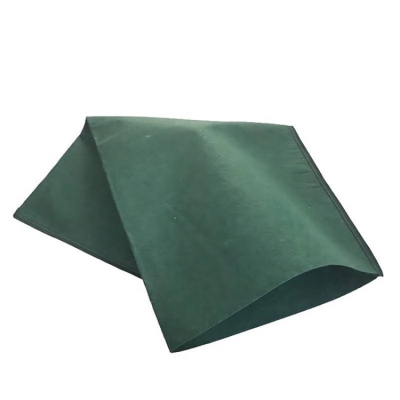
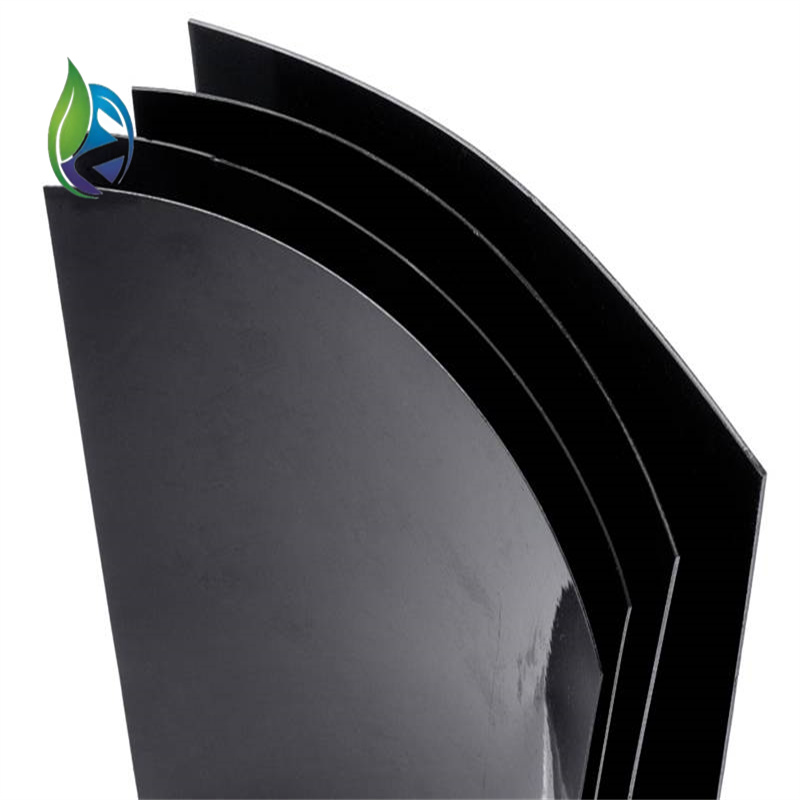
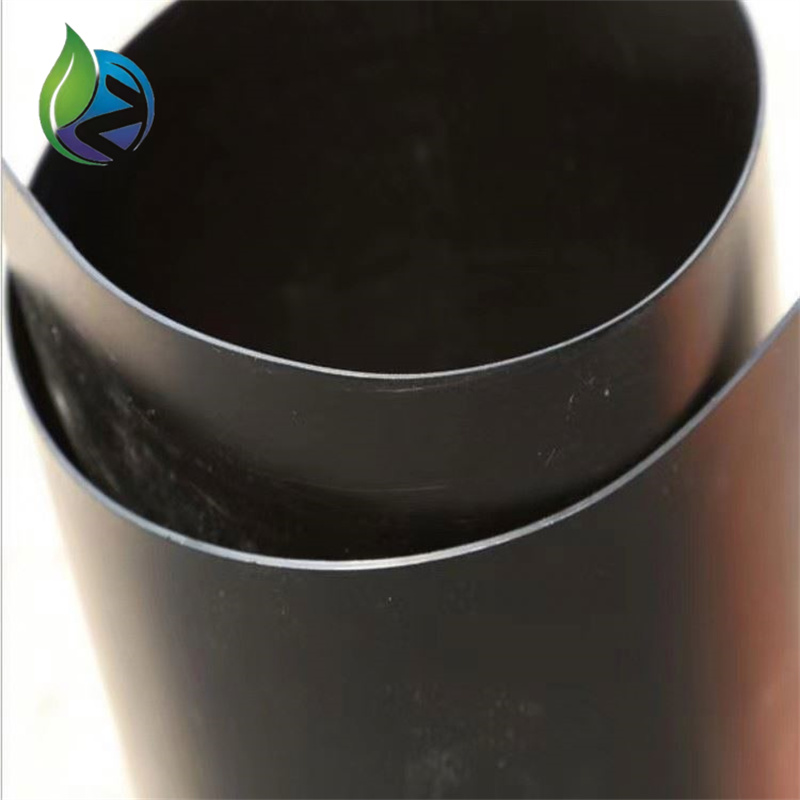
1.5 mm Geomembrane Flexible Sheet is a polymer-based impermeable liner engineered to prevent liquid and gas migration in civil and environmental engineering projects. It provides controlled containment, chemical resistance, and long-term durability for landfill, mining, water management, and industrial lining systems.
Technical Parameters and Specifications
Key engineering parameters for 1.5 mm Geomembrane Flexible Sheet used in infrastructure and environmental containment:
Nominal thickness: 1.50 mm ±10%
Raw material options: HDPE, LLDPE, PVC, EVA
Tensile strength: 15–20 MPa (ASTM D638)
Elongation at break: ≥600% (ASTM D638)
Density (HDPE): 0.94–0.96 g/cm³
Puncture resistance: ≥320 N (ASTM D4833)
Hydrostatic pressure resistance: ≥1.5 MPa
Carbon black content (HDPE): 2.0%–3.0%
Standard roll width: 5.8 m – 8.0 m
Standard roll length: 50 m – 200 m
Structure and Material Composition
Typical layered structure of 1.5 mm Geomembrane Flexible Sheet:
Surface layer: UV-stabilized polymer skin
Core layer: High-density or linear low-density polyethylene matrix
Additive package:
Carbon black for UV resistance
Antioxidants for thermal stability
Processing stabilizers
Optional textured layer for increased friction angle
Manufacturing Process
Engineering-grade production process of 1.5 mm Geomembrane Flexible Sheet:
Raw material batching and gravimetric dosing system
Twin-screw extrusion melting and homogenization
Flat die or blown film extrusion forming
Precision calendering for thickness control
Online thickness scanning (beta or infrared gauge)
Surface texturing (if required) using embossing rollers
Controlled cooling and stress-relief section
Automatic winding and roll cutting
Quality inspection including spark testing and visual defect scanning
Industry Comparison
| Material Type | Flexibility | Chemical Resistance | Service Life | Typical Thickness |
|---|---|---|---|---|
| 1.5 mm Geomembrane Flexible Sheet | High | Excellent | 25–40 years | 1.50 mm |
| 1.0 mm HDPE Sheet | Medium | Excellent | 15–25 years | 1.00 mm |
| Clay Liner (Compacted) | Low | Moderate | 10–20 years | N/A |
| Bituminous Liner | Low | Low–Moderate | 5–10 years | 3–5 mm |
Application Scenarios
Main usage scenarios of 1.5 mm Geomembrane Flexible Sheet for B2B users:
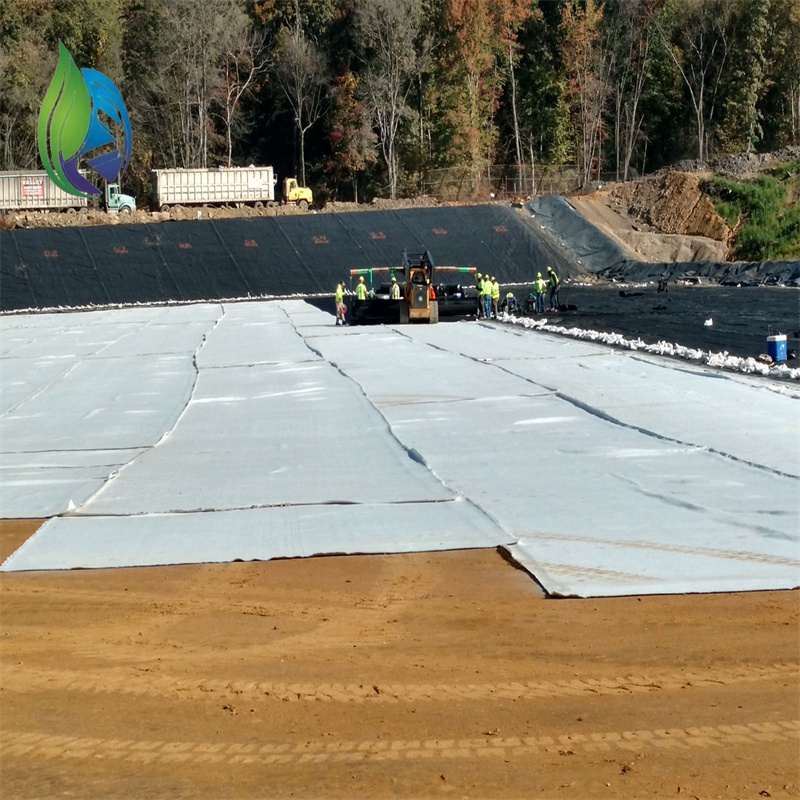
Landfill base liners and capping systems for EPC contractors
Mining tailings ponds and heap leach pads for engineering firms
Water reservoirs, canals, and irrigation ponds for infrastructure developers
Industrial wastewater treatment plants for municipal contractors
Secondary containment for chemical storage areas
Core Pain Points and Engineering Solutions
Leakage risk: 1.5 mm Geomembrane Flexible Sheet provides continuous impermeable barrier with heat-welded seams.
Subgrade settlement: High elongation allows accommodation of differential settlement.
Chemical attack: Polymer matrix resists acids, alkalis, and hydrocarbons.
UV degradation: Carbon black stabilized surface extends outdoor service life.
Risk Warnings and Mitigation Measures
Risk of seam failure due to poor welding – mitigate by certified thermal fusion welding.
Risk of puncture from sharp aggregates – mitigate using geotextile cushion layers.
Risk of wind uplift during installation – mitigate with temporary ballast.
Risk of thermal expansion – design with anchor trenches and slack allowances.
Procurement and Selection Guide
Confirm chemical compatibility with contained media.
Verify thickness tolerance and factory quality certificates.
Select base polymer type based on temperature range.
Specify surface type: smooth or textured.
Review roll dimensions for site logistics.
Request third-party test reports before contract signing.
Audit production facility for quality management capability.
Engineering Case Example
A mining EPC contractor utilized 1.5 mm Geomembrane Flexible Sheet in a 50,000 m² tailings storage facility. The project adopted double-liner composite system with leak detection layer, hot wedge welded seams, and vacuum box testing. After three years of operation, no measurable leakage was detected, and liner integrity remained within design tolerances.
FAQ
Q1: Is 1.5 mm Geomembrane Flexible Sheet suitable for potable water?
A: Yes, when certified food-grade raw materials are used.
Q2: What is the typical welding method?
A: Hot wedge or extrusion welding.
Q3: Can it be used in cold climates?
A: Yes, with LLDPE or flexible formulations.
Q4: What is the expected service life?
A: 25–40 years under standard exposure.
Q5: Does thickness affect puncture resistance?
A: Yes, thicker sheets provide higher puncture resistance.
Q6: Can it be customized in width?
A: Yes, within extrusion equipment limits.
Q7: Is textured surface mandatory?
A: Only required for slope stability applications.
Q8: How is quality controlled?
A: Online thickness scanning and batch sampling tests.
Q9: Is it compatible with geotextiles?
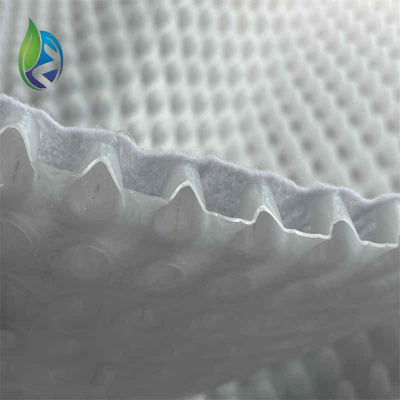
A: Yes, commonly used as a composite lining system.
Q10: What standards can it comply with?
A: ASTM, GRI-GM13, and ISO standards.
Call to Action (CTA)
For project quotations, technical datasheets, or engineered samples of 1.5 mm Geomembrane Flexible Sheet, please submit a formal inquiry including project location, media type, and required standards. Engineering support is available for specification review.
E-E-A-T Author Credentials
This document is prepared by a civil and environmental materials engineering specialist with over 15 years of experience in geomembrane system design, landfill engineering, and mining containment projects, supporting EPC contractors and government infrastructure agencies.