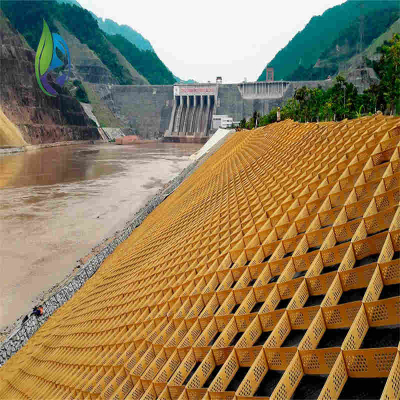
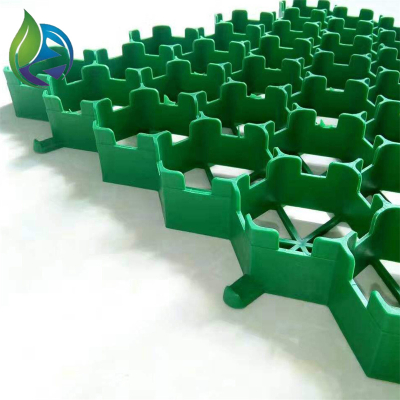
The Advantages of Plastic Drainage Cell
The Advantages of Plastic Drainage Cell: Enhancing Drainage Efficiency
Plastic drainage cells have become an essential component in modern drainage systems, particularly for applications in construction, landscaping, and water management. These innovative products offer an effective solution for efficient water drainage, preventing soil erosion, and improving the overall stability of structures. In this article, we will explore the advantages of plastic drainage cells, their applications, and why they are considered a go-to solution for drainage needs in various industries.
What is a Plastic Drainage Cell?
A plastic drainage cell is a modular, high-strength structure designed to support and direct water flow through a drainage system. Made from durable plastic materials like high-density polyethylene (HDPE), these cells form a network of interconnected spaces that allow water to flow through while also providing support to the surrounding soil. Plastic drainage cells are commonly used in green roofs, underground drainage systems, and landscape applications to facilitate effective water management.
Key Advantages of Plastic Drainage Cells
1. Efficient Water Drainage
The primary function of plastic drainage cells is to ensure efficient water drainage. By creating a void space beneath the surface, they allow rainwater and excess moisture to flow through the system and be directed away from structures or areas where it could cause damage. These drainage cells are designed to handle large volumes of water, preventing waterlogging and ensuring that water is drained effectively from the surface to the subsoil.
The open structure of plastic drainage cells provides optimal flow paths for water, which helps to maintain a dry and stable environment in areas like green roofs, sports fields, and landscaping projects. Whether it's a commercial building, a residential property, or an industrial complex, plastic drainage cells ensure that water is properly managed, reducing the risk of flooding and water damage.
2. Sustainable and Eco-Friendly
One of the standout advantages of plastic drainage cells is their sustainability. Most drainage cells are made from recyclable materials like HDPE, making them an eco-friendly choice for water management solutions. By using plastic drainage cells, you contribute to reducing environmental impact while also enhancing the longevity and performance of your drainage systems.
In addition to being recyclable, these drainage cells are designed to promote green building practices. They allow for efficient rainwater management, reducing runoff, and promoting water conservation. Their ability to store water for later use can be particularly useful in drought-prone areas where water resources are limited.
3. High Strength and Durability
Plastic drainage cells are highly durable and resistant to wear and tear. Unlike traditional drainage solutions, which can degrade over time due to exposure to soil and moisture, plastic drainage cells are designed to withstand harsh environmental conditions. Their high-strength design ensures that they maintain structural integrity even under heavy loads, making them suitable for a wide range of applications, including rooftops, parking lots, and sports fields.
The durability of plastic drainage cells also reduces maintenance needs. These systems are designed to last for many years without requiring significant repairs or replacements, providing long-term value and cost savings for property owners and developers.
4. Easy Installation
Another significant advantage of plastic drainage cells is their ease of installation. These cells are modular and lightweight, making them easy to transport and install without the need for heavy machinery. The interlocking design allows for quick assembly, and they can be customized to fit various surface areas.
Whether it's for a rooftop garden, a landscape project, or an underground drainage system, plastic drainage cells can be quickly integrated into the existing infrastructure. Their ease of installation makes them a popular choice for both small and large-scale projects.
5. Enhanced Load-Bearing Capacity
Plastic drainage cells are engineered to support significant weight without compromising their structural integrity. This makes them ideal for use in applications where heavy traffic or load-bearing is expected, such as parking lots, roadways, and residential or commercial buildings. The ability of these cells to bear heavy loads without deformation ensures that the drainage system remains functional and effective over time.
Their load-bearing capacity is one of the reasons plastic drainage cells are frequently used in urban development projects, where ground pressure and space constraints are key factors in design considerations.
6. Promotes Root Growth and Vegetation Support
In green roofs and landscaping applications, plastic drainage cells help to create a stable environment for plant growth. The cells provide the necessary support for plants by holding water and nutrients while preventing waterlogging. This helps ensure that plants receive the appropriate amount of moisture and nutrients without the risk of root rot or other issues caused by excess water.
Additionally, the void spaces within the drainage cells allow for air circulation, which is beneficial for the root system. The support offered by plastic drainage cells enables vegetation to thrive, promoting a healthier and more vibrant ecosystem in urban environments.
7. Cost-Effective Solution
Plastic drainage cells offer an affordable drainage solution, especially when considering their long lifespan and low maintenance requirements. Traditional drainage systems may involve costly excavation, installation, and ongoing maintenance. In contrast, plastic drainage cells provide a more cost-effective option by simplifying the installation process and reducing the need for repairs.
Moreover, their durability and ability to manage water effectively help prevent potential damage to buildings, landscapes, or roads, which can result in expensive repairs in the future. With plastic drainage cells, the initial investment pays off over time in terms of maintenance savings and enhanced performance.
8. Versatile Applications
The versatility of plastic drainage cells is another key advantage. They can be used in a variety of applications, including:
Green Roofs: Plastic drainage cells create the necessary drainage system for green roofs, ensuring that excess water is effectively managed while supporting plant growth.
Landscaping Projects: These cells help prevent soil erosion, promote water infiltration, and improve the stability of soil in landscaping designs.
Sports Fields and Parks: In areas subject to heavy foot or vehicle traffic, such as sports fields or public parks, plastic drainage cells provide an effective drainage solution.
Underground Drainage Systems: Plastic drainage cells are often used in subsurface drainage systems to direct water away from structures and reduce the risk of flooding.
Conclusion
The advantages of plastic drainage cells make them an invaluable asset for modern drainage systems. With their ability to ensure efficient water drainage, sustainability, durability, and easy installation, plastic drainage cells are a smart choice for both small-scale and large-scale projects. Their versatility, cost-effectiveness, and long-term performance make them an essential component in a variety of applications, including green roofs, landscaping, and underground drainage systems.
By choosing plastic drainage cells for your drainage needs, you are not only ensuring the success and longevity of your project but also contributing to a more sustainable and environmentally-friendly solution.
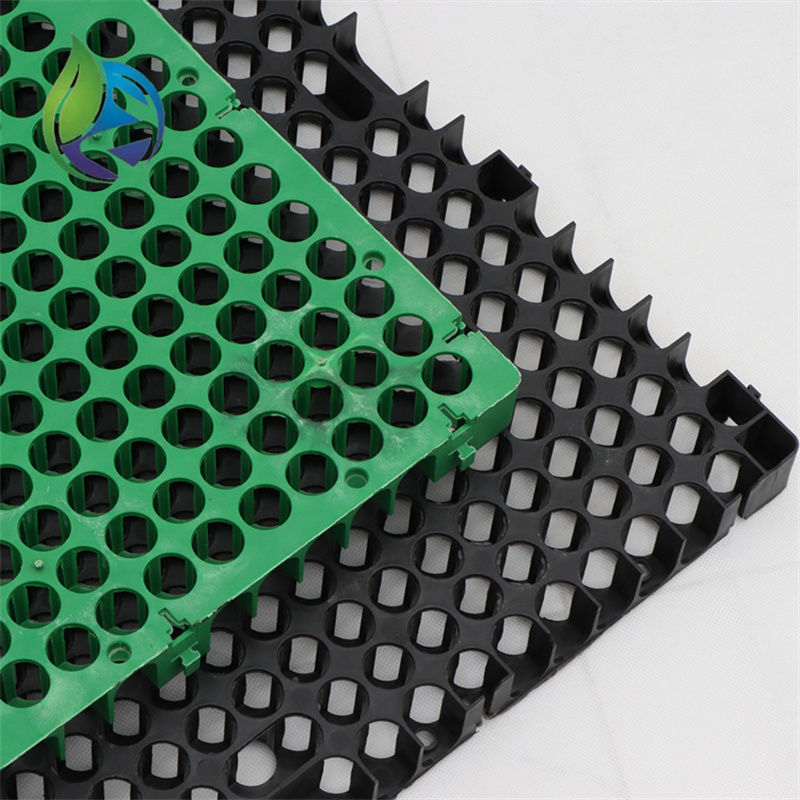
The drainage cell embodies many advantages in the drainage system, and the following is a detailed summary of these advantages:
Structural advantages
1. Easy installation: The structure of the drainage cell is simple, and the installation process is time-saving and labor-saving. The edge of the plate is usually designed to connect the special buckle and card slot, making the construction pavement very convenient.
2. Strong compressive load-bearing resistance: The drainage cell adopts a three-dimensional staggered reinforced support structure, which not only enhances the overall compressive load-bearing resistance, but also ensures the stability of the drainage cell in the long-term use.
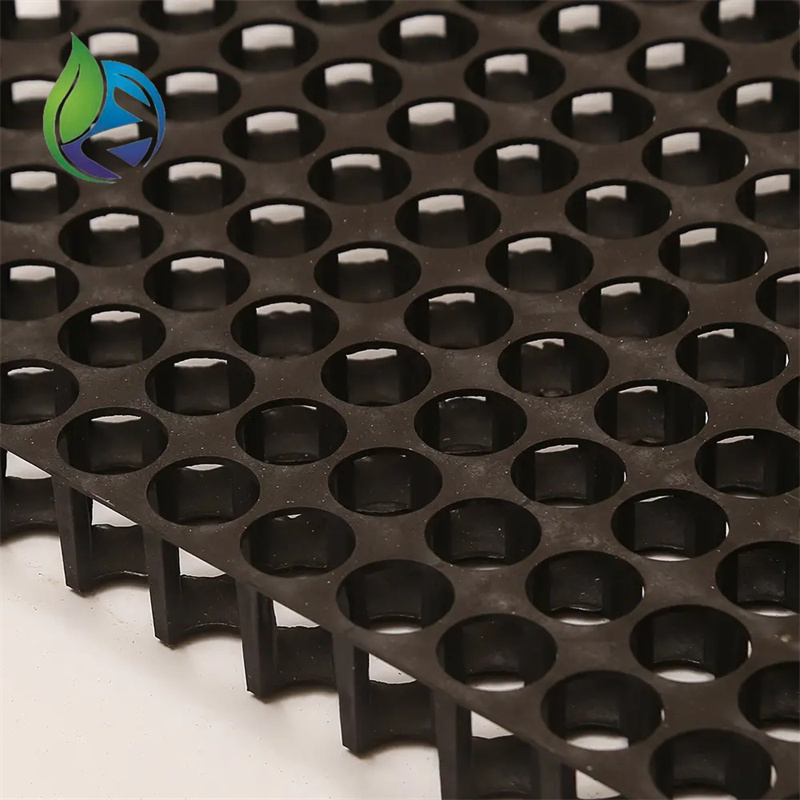
Function superiority
1. Strong permeable drainage capacity: the water permeability and water flow rate of the drainage cell are very high, and it is a good material for permeable drainage. Its upper and lower surfaces are smooth and flat, with permeable air holes, so that water can pass smoothly, effectively improve the drainage efficiency.
2. Anti-debris entry: The structural design of the drainage cell can effectively prevent debris from entering the drainage system, thus avoiding the blockage problem of the drainage system and extending the service life of the drainage system.
Environmental suitability
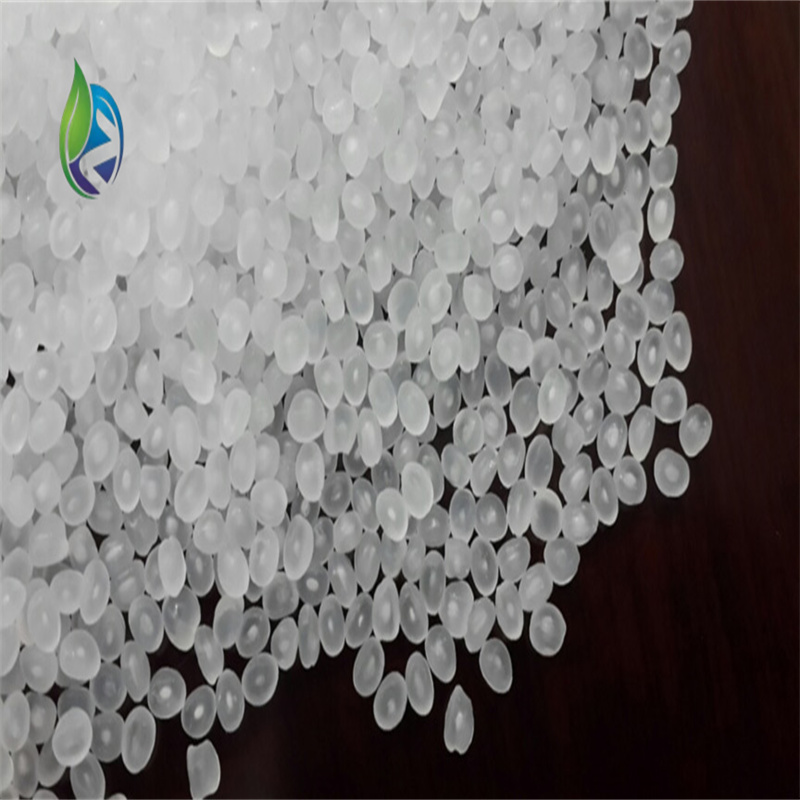
1. Aging resistance, corrosion resistance: The drainage cell is made of polypropylene (PP) material, has good aging resistance, corrosion resistance, can adapt to a variety of harsh environments, such as high temperature, low temperature, strong corrosion and so on. This makes the drainage cell less susceptible to aging, deformation or damage during long-term use.
2. Strong adaptability: The drainage cell can adapt to a variety of drainage scenarios, such as water conservancy projects, municipal engineering, sewage treatment plants, highways, railways and other projects in the drainage system. Its wide range of applications makes the drainage cell an indispensable drainage material.
Favourable economic condition
1. Reduce construction costs: the installation of the drainage cell is convenient and fast, reducing the construction procedure and shortening the construction period. At the same time, the entire construction process does not need to use additional materials such as cement sand slurry, reducing the overall cost of the project.
2. Reduce maintenance costs: The design of the drain cell allows for maintenance free after construction, reducing maintenance costs. And due to the high water permeability of the material, it is not easy to plug, further reducing the operating cost.
Environment friendly
1. Support surface greening: the drainage cell can be integrated with the landscape to support surface greening. Its permeable performance helps to improve the water quality of stormwater runoff, prevent sediment loss, and is conducive to soil and water conservation.
2. Improve environmental quality: The use of drainage cells increases the green area of the road and improves the environmental quality. At the same time, its environmental protection and energy saving characteristics are also in line with the sustainable development concept of modern urban construction.
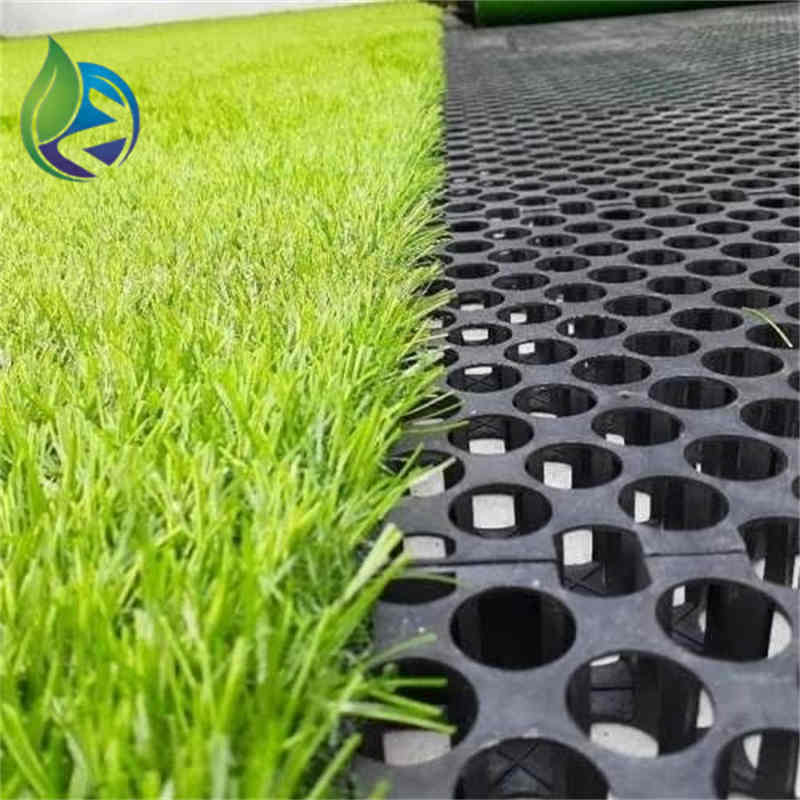
In summary, the drainage cell has many advantages in the drainage system, and these advantages make the drainage cell become an efficient, stable, economic and environmentally friendly drainage material.