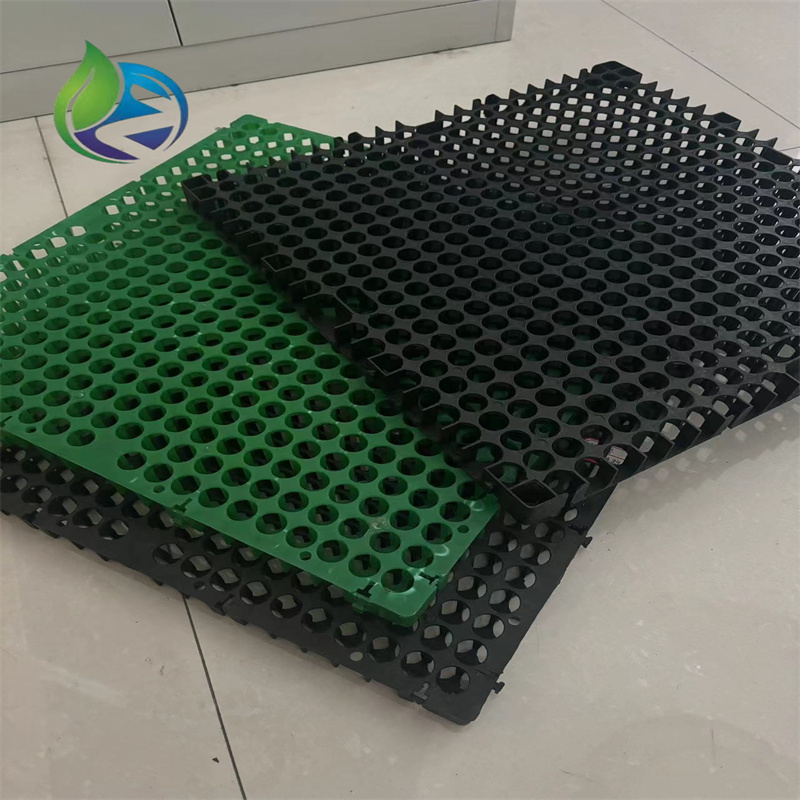
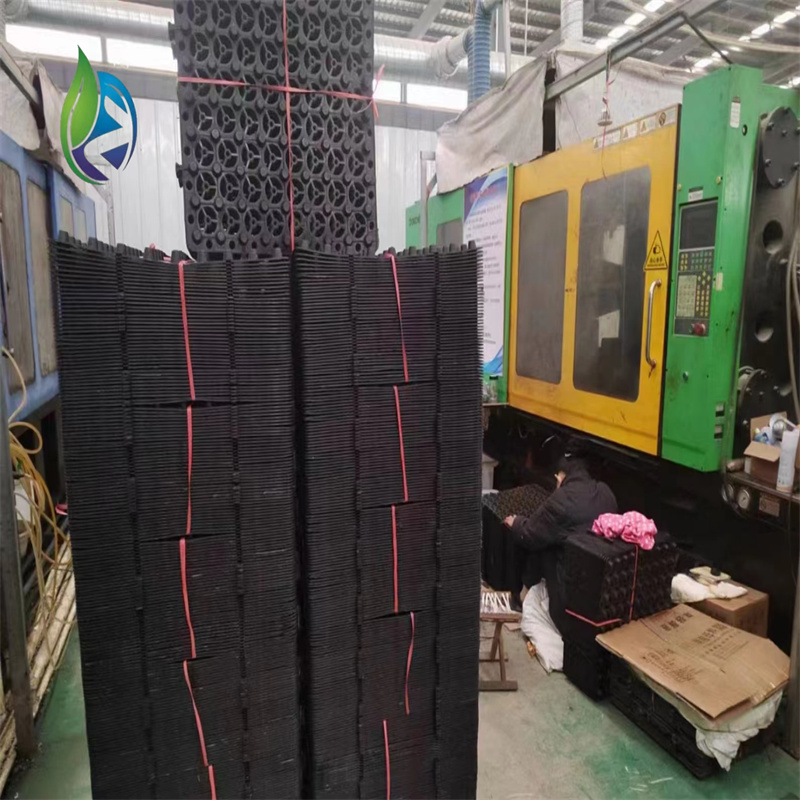
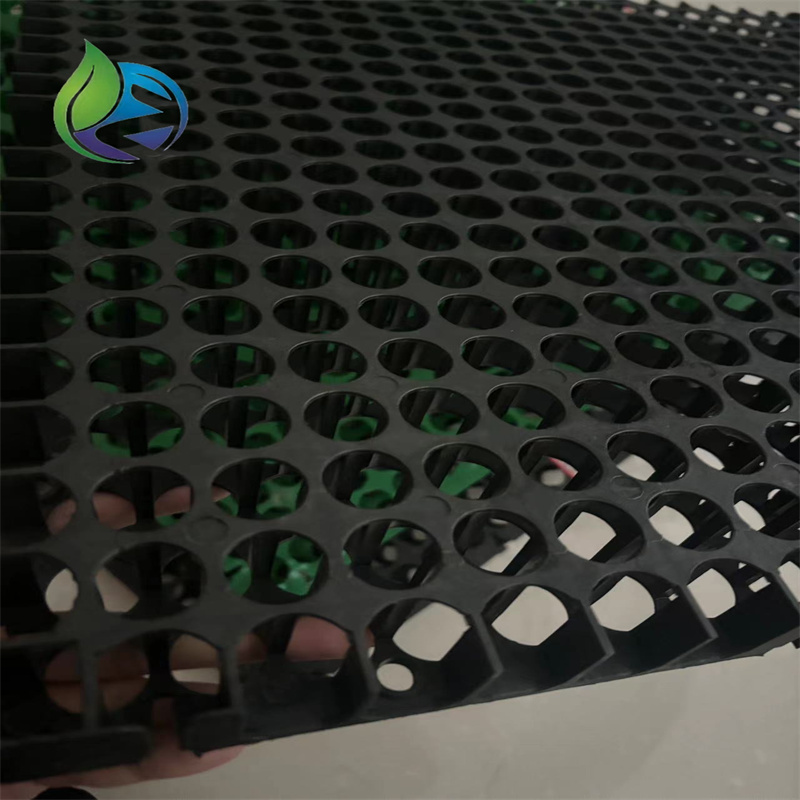
Drainage board for Roof Gardens
Manufacturing Process
Drainage board for roof gardens is produced through controlled industrial processes:
Polymer resin selection and formulation
Thermoforming or extrusion molding of drainage sheets
Precision forming of dimples or channel structures
Cooling and dimensional stabilization
Optional geotextile lamination
Inline inspection for thickness and strength
Roll or panel cutting and packaging
Product Definition
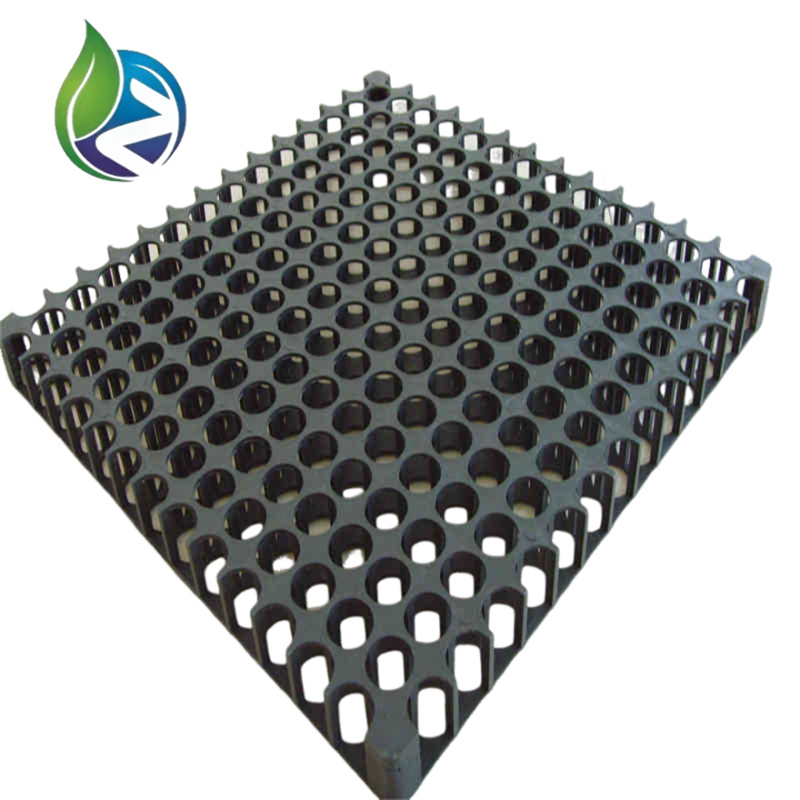
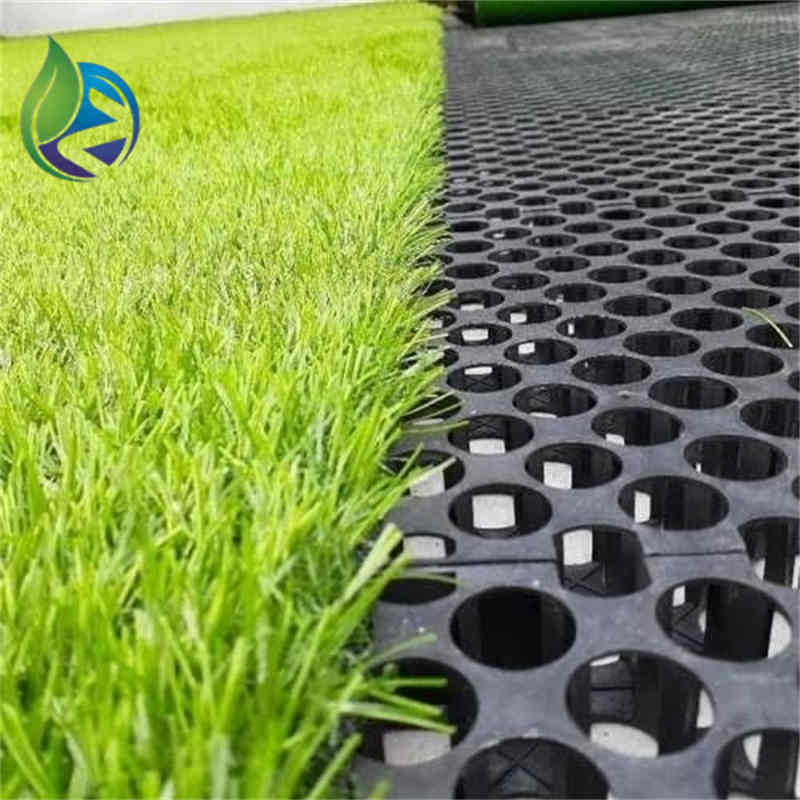
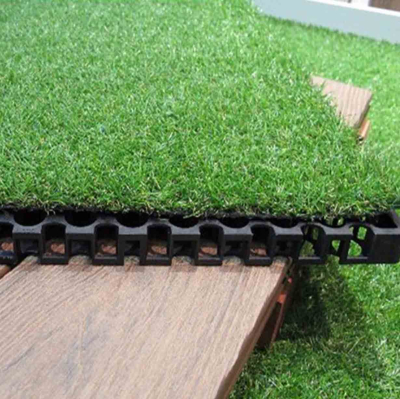
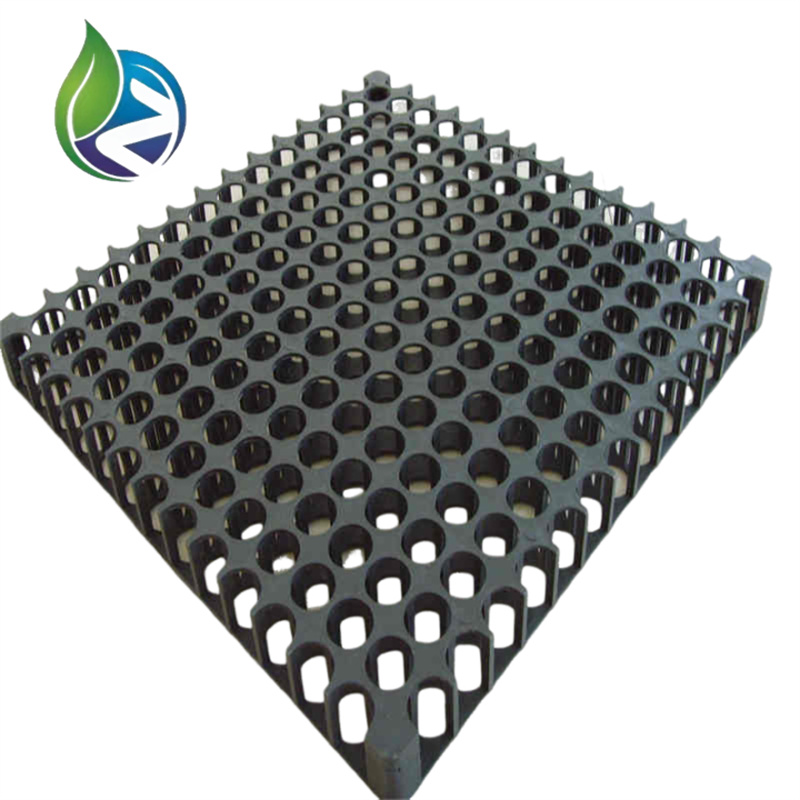
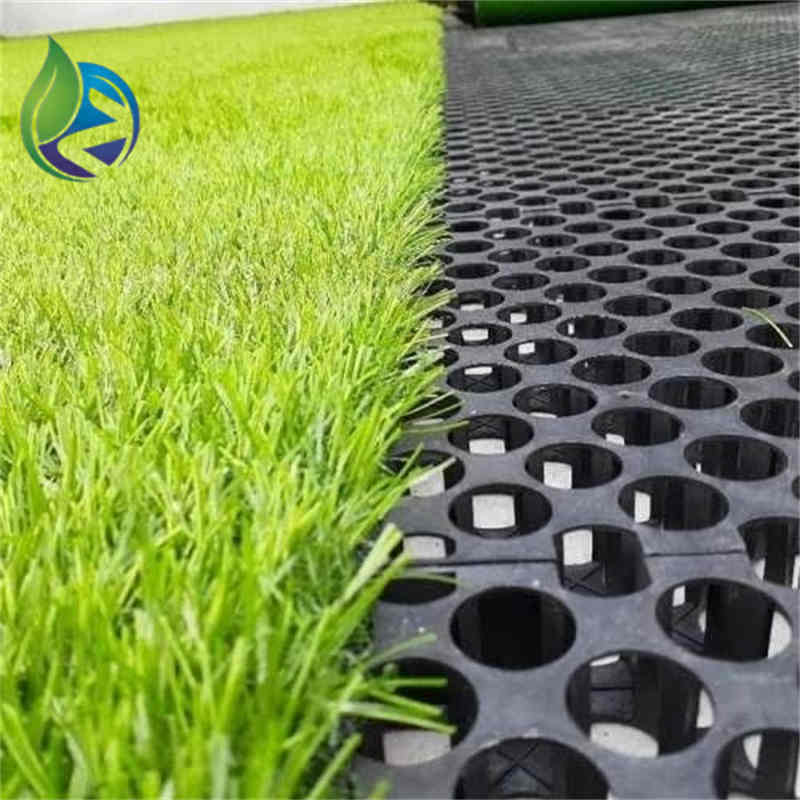
Drainage board for roof gardens is a high-strength polymer-based drainage layer installed above waterproofing systems to efficiently discharge excess water, protect structural slabs, and create stable growing conditions for vegetation in green roof and rooftop landscape projects.
Technical Parameters and Specifications
The following parameters are commonly specified in commercial and municipal roof garden projects:
Board thickness: 8 mm – 30 mm
Compressive strength: ≥ 150 kPa (10% deformation)
Material: High-density polyethylene (HDPE) or polypropylene (PP)
Drainage capacity: ≥ 8.0 L/(m·s)
Surface load resistance: ≥ 400 kN/m² (with soil cover)
Operating temperature range: -30°C to +70°C
Design service life: ≥ 25 years
Structure and Material Composition
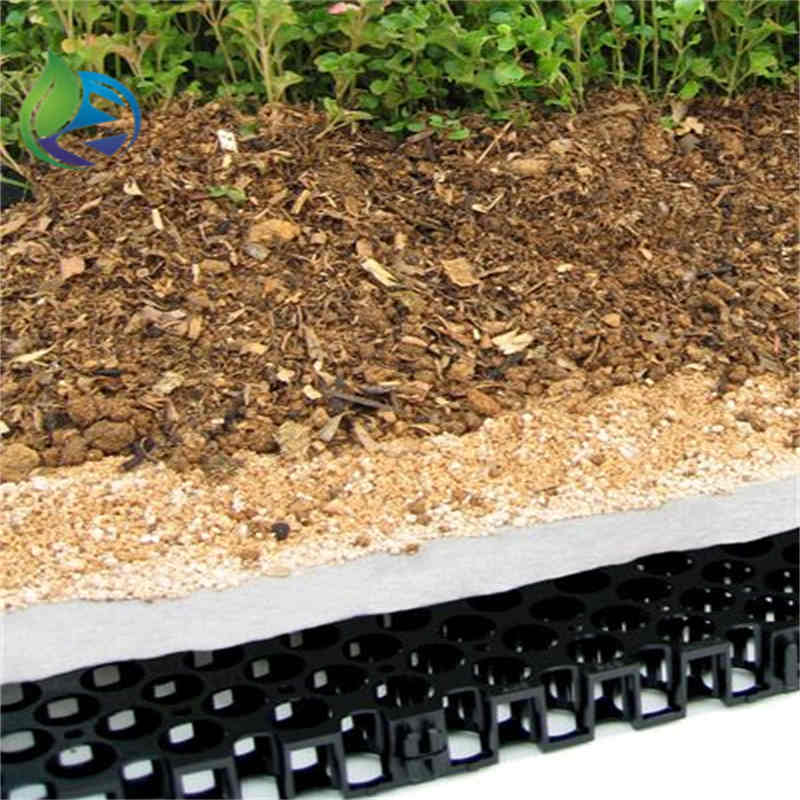
The functional performance of drainage board for roof gardens depends on its engineered layered structure:
Upper Support Layer: Raised dimples supporting soil and landscape loads
Drainage Channel Layer: Interconnected cavities enabling horizontal water flow
Base Protection Layer: Continuous sheet protecting waterproof membranes
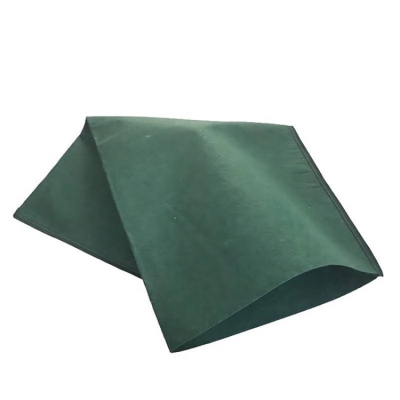
Optional Filter Layer: Nonwoven geotextile preventing soil particle blockage
Material Additives: Anti-aging agents and UV stabilizers
Manufacturing Process
Drainage board for roof gardens is produced through controlled industrial processes:
Polymer resin selection and formulation
Thermoforming or extrusion molding of drainage sheets
Precision forming of dimples or channel structures
Cooling and dimensional stabilization
Optional geotextile lamination
Inline inspection for thickness and strength
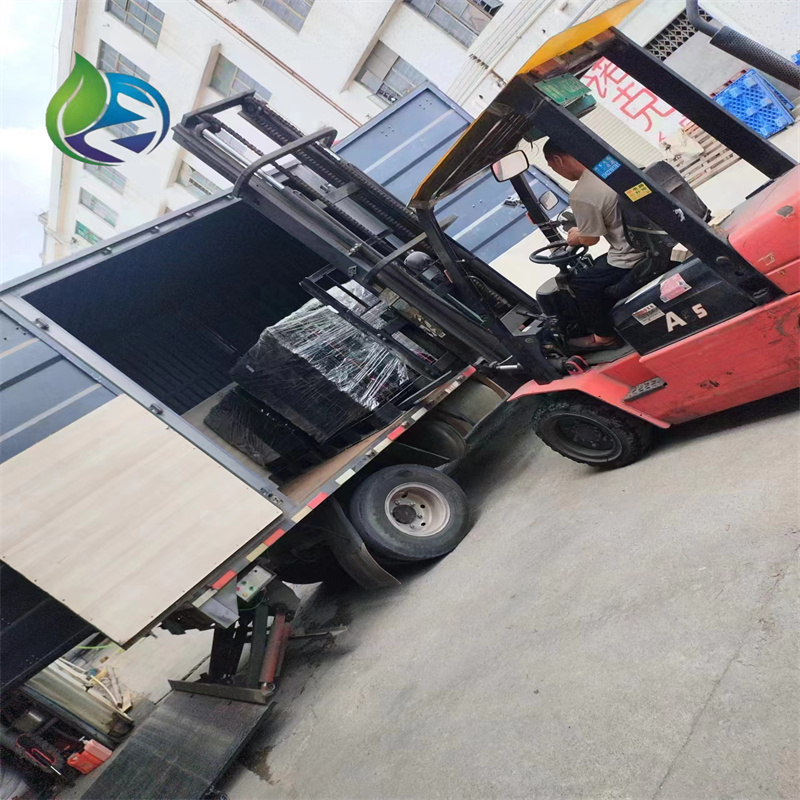
Roll or panel cutting and packaging
Industry Comparison
| Drainage Method | Drainage Efficiency | Structural Protection | Service Life | Maintenance Requirement |
|---|---|---|---|---|
| Drainage Board | High | Excellent | 25+ years | Low |
| Gravel Layer | Medium | Limited | 10–15 years | High |
| Drainage Pipes | Localized | Moderate | 15–20 years | Medium |
| Sand Bed | Low | Poor | 5–8 years | High |
Application Scenarios
Drainage board for roof gardens is widely specified by:
Commercial building developers
EPC contractors for green roof systems
Municipal infrastructure and public buildings
Residential and mixed-use rooftop landscapes
Industrial facilities with roof greening requirements
Core Pain Points and Solutions
Pain Point: Water accumulation causing root rot
Solution: Continuous horizontal drainage channelsPain Point: Waterproof layer damage under load
Solution: Load-distributing dimple structurePain Point: Soil clogging drainage paths
Solution: Integrated geotextile filtrationPain Point: Long-term maintenance costs
Solution: Durable polymer materials with long service life
Risk Warnings and Mitigation
Key risks and preventive measures include:
Improper overlap: maintain minimum 100 mm board overlap
Insufficient slope: ensure roof slope ≥ 2%
Point load concentration: apply protection boards where required
Filter layer omission: always use geotextile in soil-based systems
Procurement and Selection Guide
Confirm roof load-bearing capacity
Determine required drainage capacity
Select appropriate board thickness
Verify compatibility with waterproofing system
Check compressive strength certifications
Request laboratory test reports
Evaluate supplier production consistency
Engineering Case Study
In a commercial office roof garden project, a 20 mm drainage board for roof gardens was installed beneath 300 mm of planting soil. After two years of operation, no water retention issues were observed, and waterproof membrane inspections showed no mechanical damage.
FAQ
What is the main function of drainage board? Efficient water discharge and structural protection.
Is geotextile always required? Yes, for soil-based roof gardens.
Can it be used on flat roofs? Yes, with proper slope design.
Does it replace waterproofing? No, it protects waterproof layers.
What thickness is commonly used? 10–20 mm for most projects.
Is it resistant to root penetration? Yes, when properly specified.
Can boards be cut on site? Yes, using standard tools.
What is the typical roll or panel size? Commonly 2 m width or modular panels.
How long is the service life? Typically over 25 years.
Is testing required before installation? Recommended for large-scale projects.
Call to Action
To request pricing, technical datasheets, or engineering samples of drainage board for roof gardens, please contact our technical sales department with your project requirements.
E-E-A-T Author Statement
This article is prepared by building envelope and green roof engineering specialists with over 15 years of experience in roof drainage systems, waterproof protection, and landscape infrastructure projects.