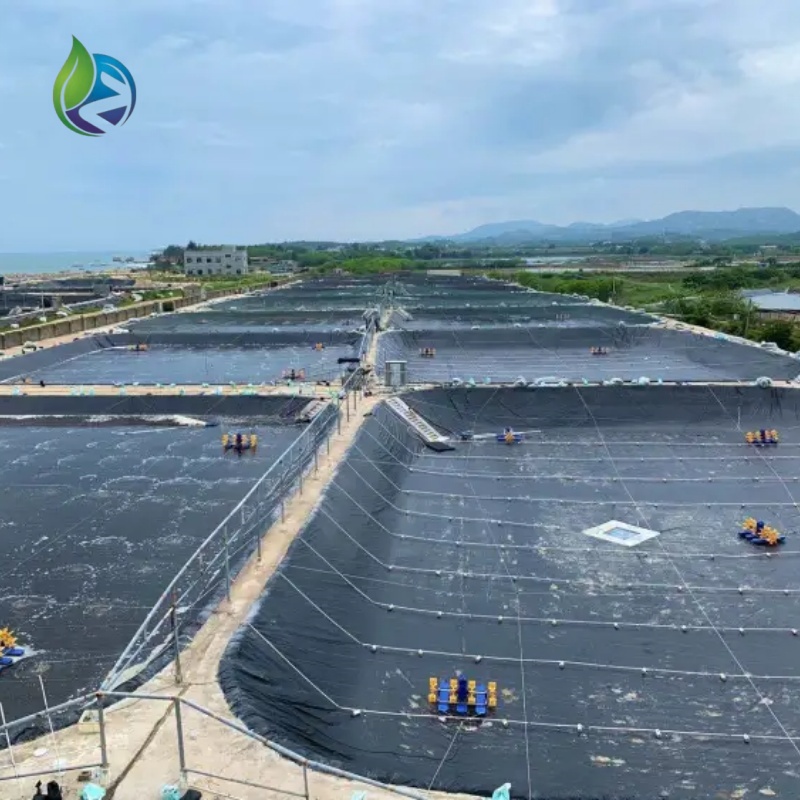
Waterproof Hdpe Geomembrane
Manufacturing Process
The manufacturing of Waterproof HDPE Geomembrane follows a controlled industrial process:
Resin Compounding: HDPE resin blended with stabilizers and additives
Extrusion: Flat-die or blown film extrusion forms continuous sheets
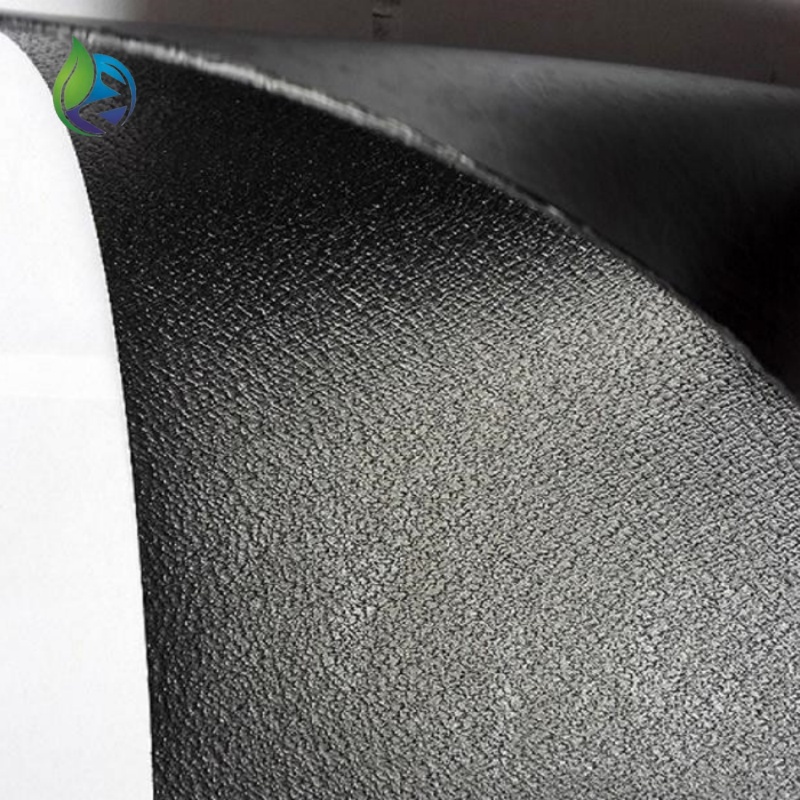
Surface Texturing: Optional embossing for increased friction
Cooling and Calibration: Ensures uniform thickness and flatness
Online Inspection: Thickness, surface, and defect monitoring
Mechanical Testing: Tensile, tear, and puncture performance verification
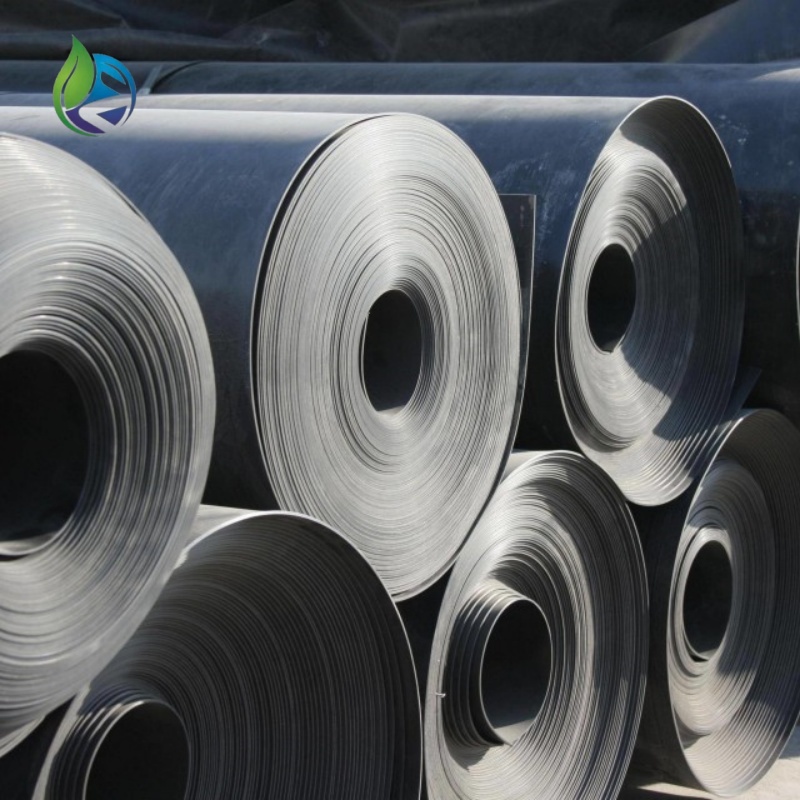
Rolling and Packaging: Controlled winding to prevent deformation
Product Definition
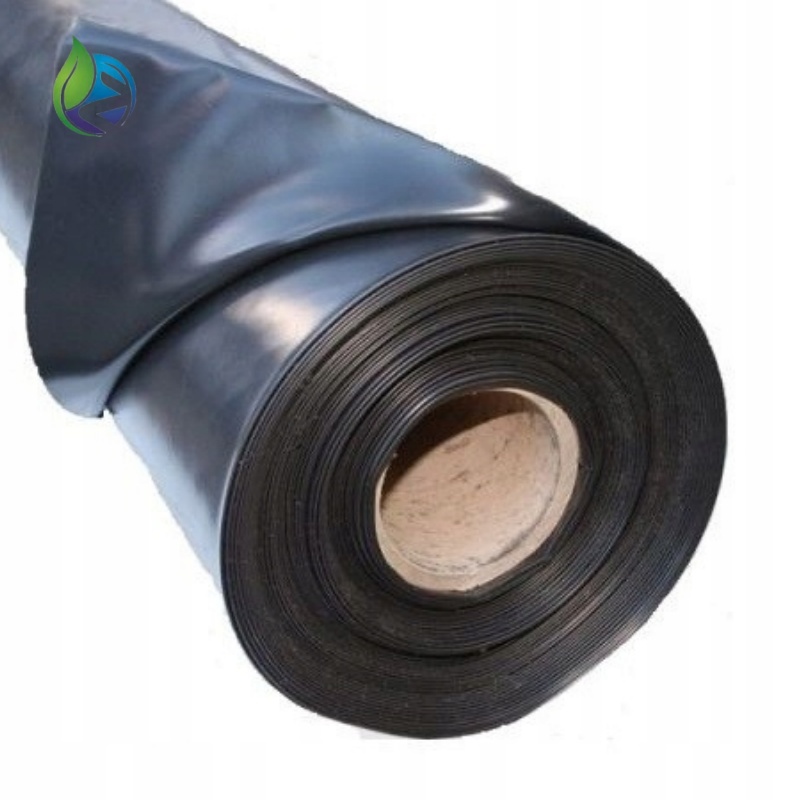
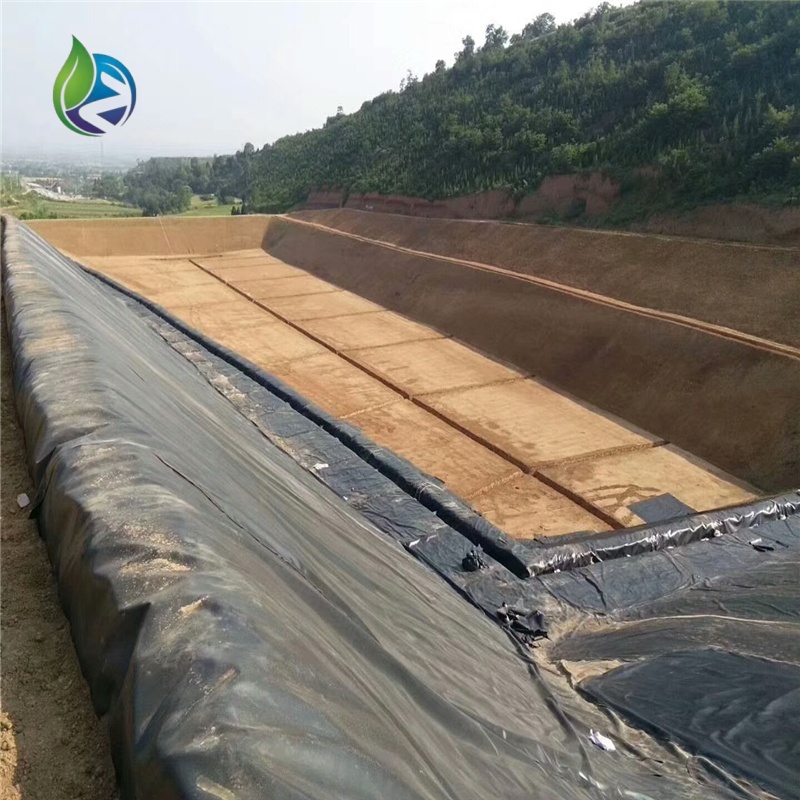
Waterproof HDPE Geomembrane is a high-performance impermeable liner manufactured from high-density polyethylene resin, designed to provide long-term waterproofing and containment for environmental, civil, and hydraulic engineering projects requiring reliable fluid and gas barriers.
Technical Parameters and Specifications
The following parameters are commonly referenced in engineering design, tender documents, and procurement specifications for Waterproof HDPE Geomembrane:
Raw Material: High-density polyethylene (HDPE)
Thickness Range: 0.5 mm – 3.0 mm
Standard Width: 5.0 m – 8.0 m
Roll Length: 50 m – 200 m
Tensile Strength at Yield: ≥ 15 MPa
Elongation at Break: ≥ 700%
Puncture Resistance: ≥ 300 N
Carbon Black Content: 2.0% – 3.0%
UV Resistance: ≥ 90% retained after 1600 hours
Service Life: ≥ 50 years under standard conditions
Structure and Material Composition
Waterproof HDPE Geomembrane is a homogeneous polymer sheet engineered for durability and chemical stability:
HDPE Polymer Matrix: Provides impermeability and chemical resistance
Carbon Black Additives: Enhance UV stability and weather resistance
Antioxidants: Slow thermal aging and oxidation
Smooth or Textured Surface: Optional for slope friction and anchorage
Manufacturing Process
The manufacturing of Waterproof HDPE Geomembrane follows a controlled industrial process:
Resin Compounding: HDPE resin blended with stabilizers and additives
Extrusion: Flat-die or blown film extrusion forms continuous sheets
Surface Texturing: Optional embossing for increased friction
Cooling and Calibration: Ensures uniform thickness and flatness
Online Inspection: Thickness, surface, and defect monitoring
Mechanical Testing: Tensile, tear, and puncture performance verification
Rolling and Packaging: Controlled winding to prevent deformation
Industry Comparison
| Material Type | Impermeability | Chemical Resistance | Flexibility | Lifecycle Cost |
|---|---|---|---|---|
| Waterproof HDPE Geomembrane | Excellent | Excellent | High | Medium |
| PVC Liner | Good | Moderate | Very High | Medium |
| EPDM Rubber | Excellent | Good | Very High | High |
| Clay Liner | Moderate | Low | Low | High |
Application Scenarios
Waterproof HDPE Geomembrane is specified by EPC contractors, engineering consultants, and distributors for:
Landfill bottom liners and capping systems
Mining leach pads and tailings ponds
Wastewater treatment lagoons
Reservoirs, canals, and irrigation ponds
Industrial liquid containment facilities
Aquaculture ponds and water storage tanks
Core Pain Points and Engineering Solutions
Leakage Risk: High-density polymer structure ensures zero permeability
Chemical Degradation: HDPE resists acids, alkalis, and hydrocarbons
UV Exposure: Carbon black stabilization extends outdoor service life
Installation Stress: High elongation absorbs subgrade movement
Risk Warnings and Mitigation Measures
Subgrade must be properly compacted and free of sharp objects
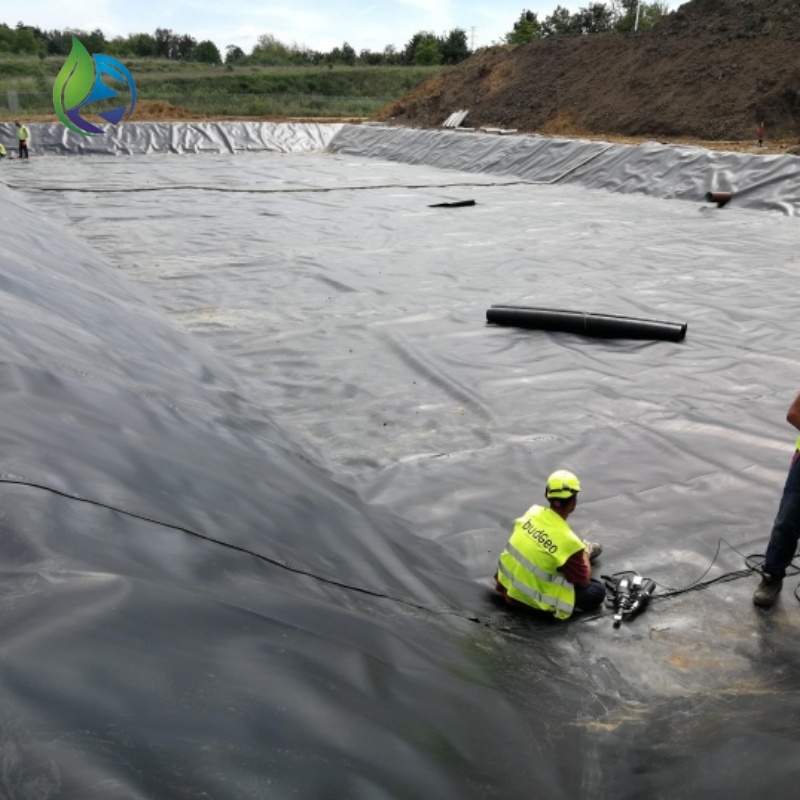
Qualified welding technicians are required for seam integrity
Thermal expansion should be considered during installation
Protective geotextiles are recommended for puncture prevention
Procurement and Selection Guide
Define project application and containment requirements
Select thickness based on hydraulic pressure and load
Determine smooth or textured surface requirements
Verify compliance with ASTM or ISO standards
Review factory quality control and test reports
Confirm installation support and seam testing procedures
Engineering Case Study
In a municipal wastewater lagoon project, a 1.5 mm Waterproof HDPE Geomembrane was installed over a compacted clay subgrade with protective geotextile layers. Double-track hot wedge welding and vacuum testing ensured seam integrity. After five years of operation, no leakage or material degradation was observed.
Frequently Asked Questions
Q1: Is HDPE geomembrane fully waterproof?
A: Yes, it provides near-zero permeability.Q2: What thickness is commonly used?
A: 1.0–2.0 mm for most applications.Q3: Can it resist chemicals?
A: Yes, it has excellent chemical resistance.Q4: Is UV exposure an issue?
A: Carbon black ensures UV stability.Q5: How are seams welded?
A: Hot wedge or extrusion welding.Q6: Can it be used on slopes?
A: Yes, textured surfaces improve friction.Q7: What is the expected lifespan?
A: Over 50 years under normal conditions.Q8: Is protective geotextile required?
A: Recommended for puncture resistance.Q9: What standards apply?
A: ASTM D638, D6693, ISO equivalents.Q10: Can geomembrane be repaired?
A: Yes, localized patch welding is possible.
Call to Action
For project-specific quotations, technical datasheets, or waterproof HDPE geomembrane samples, submit your engineering requirements to receive professional technical and procurement support.
E-E-A-T Author Credentials
This article is prepared by professionals specializing in geosynthetics engineering, containment system design, and environmental infrastructure projects, with extensive experience supporting EPC contractors and international procurement teams.