What is hdpe geomembrane
What is HDPE Geomembrane? A Reliable Solution for Modern Waterproofing and Containment
HDPE geomembrane is a high-performance geosynthetic material widely used in civil engineering, environmental protection, and industrial containment projects. As the demand for long-term, impermeable lining systems grows, HDPE geomembrane has become the preferred solution due to its strength, durability, and chemical resistance.
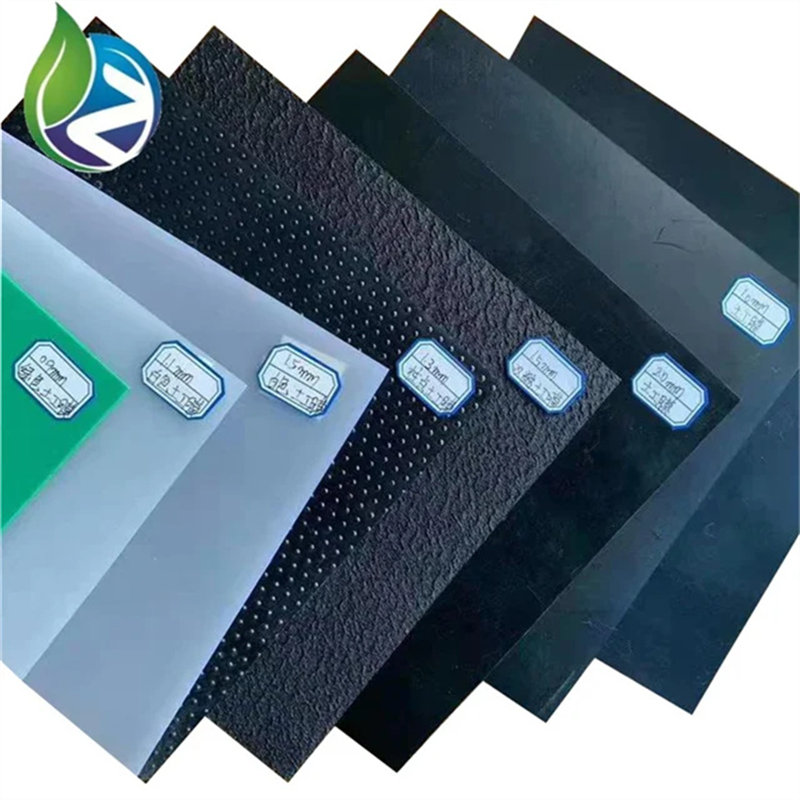
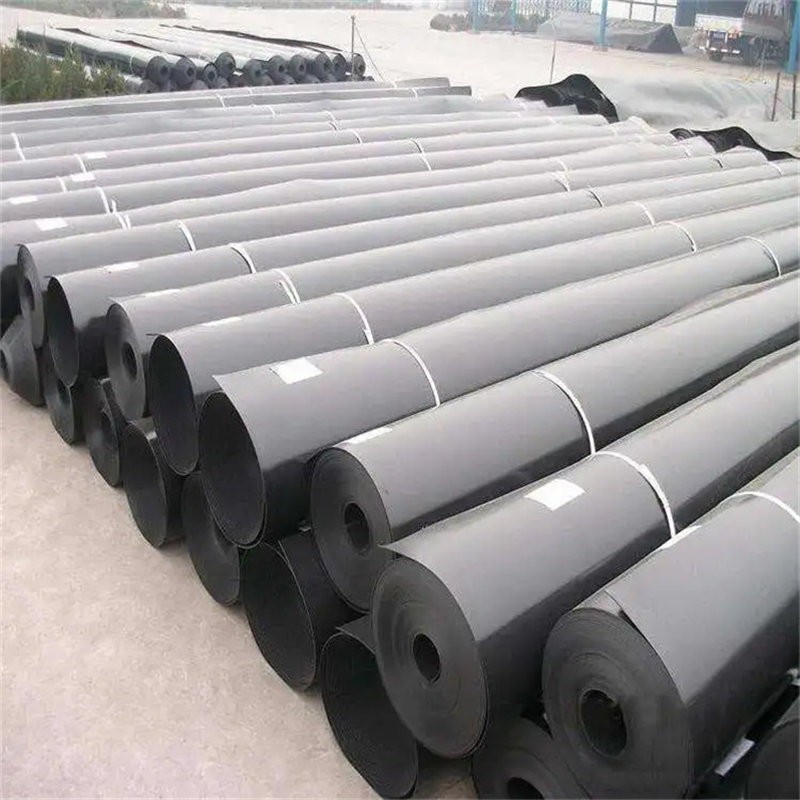
So, what exactly is HDPE geomembrane? It stands for High-Density Polyethylene geomembrane—a flexible sheet made from high-grade polyethylene resins. This material is manufactured through a process of extrusion or blown film technology, resulting in a smooth or textured surface that can be adapted to suit different soil and structural conditions.
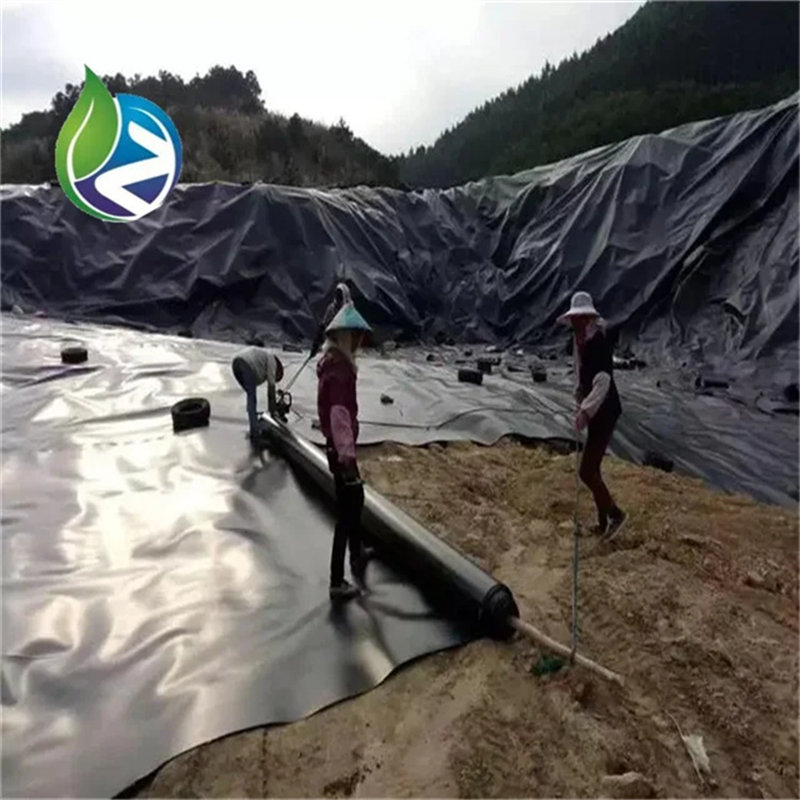
The primary function of HDPE geomembrane is to act as a barrier to prevent the migration of liquids or gases. It is commonly used in landfills, mining operations, wastewater treatment plants, canals, fish ponds, and agricultural lagoons. Thanks to its low permeability, HDPE geomembrane effectively prevents contamination of surrounding soil and groundwater, making it a vital component in sustainable construction and waste management.
One of the standout characteristics of HDPE geomembrane is its exceptional chemical resistance. It can withstand exposure to acids, alkalis, salts, and hydrocarbons, which makes it ideal for hazardous waste containment. In addition, HDPE geomembrane offers excellent UV stability, meaning it retains performance even under prolonged exposure to sunlight, making it suitable for both buried and exposed installations.
Durability is another reason why HDPE geomembrane is highly valued in the construction and environmental industries. With proper installation, it can last for decades without significant degradation. It resists punctures, tearing, and stress cracking—ensuring consistent protection even under mechanical or environmental stress.
The versatility of HDPE geomembrane extends to its availability in various thicknesses and textures. Smooth surfaces are commonly used in applications requiring ease of welding and leak-proof joints, while textured surfaces improve friction and stability in steep slope projects. Installation is typically performed using heat-welding equipment that fuses sheets together, forming seamless, watertight barriers.
In terms of sustainability, HDPE geomembrane is considered environmentally friendly. It is non-toxic, recyclable, and does not leach harmful chemicals into the soil or water. This makes it a safe option for applications involving drinking water reservoirs or aquaculture environments.
To sum up, HDPE geomembrane is a versatile, durable, and eco-friendly solution for waterproofing and containment. Whether used in a landfill liner or a decorative pond, HDPE geomembrane ensures long-term protection with minimal maintenance. Its combination of mechanical strength, chemical resistance, and environmental safety places it at the forefront of modern geotechnical engineering materials.