Precautions for Geomembrane Construction
Installing geomembranes is a critical step in waterproofing and environmental protection projects, from landfills and ponds to mining operations and aquaculture systems. However, without the right precautions for geomembrane construction, even the best materials can fail prematurely.
In this comprehensive guide, we break down the most important precautions for geomembrane construction to help engineers, contractors, and site managers avoid costly mistakes and achieve long-term performance.
✅ Why Are Precautions for Geomembrane Construction So Important?
Geomembranes act as a barrier system, protecting soil, water, and the environment from contaminants or seepage. Any misstep during installation—such as wrinkles, poor welding, or contamination—can compromise the integrity of the entire lining system.
? "We learned the hard way during our first pond project. Not paying attention to the geomembrane precautions cost us an entire liner replacement. This checklist would have saved us a fortune!"
— @EcoBuildMark
? Top 10 Critical Precautions for Geomembrane Construction
1. Proper Site Preparation
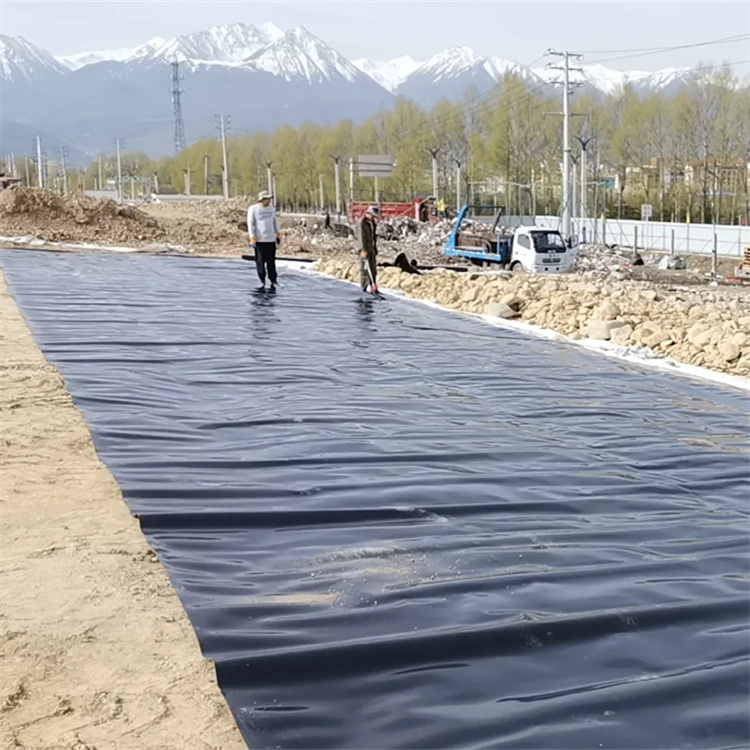
Before laying down the geomembrane, the surface must be clean, smooth, compacted, and free of sharp objects like stones, roots, or debris. Even minor protrusions can puncture the liner over time.
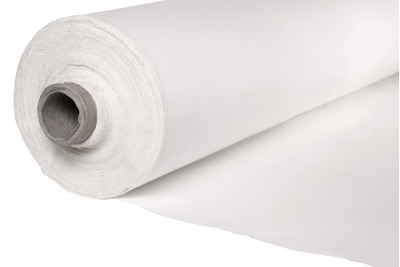
? Pro Tip: Use a geotextile cushion layer beneath the geomembrane for extra protection.
2. Avoid Installation During Extreme Weather
Avoid geomembrane construction in high winds, rain, or freezing temperatures, as these can affect the flexibility of the liner and the quality of welding seams.
? "We delayed our landfill project by two days to avoid rain—and it was worth it. The welds turned out perfect!"
— @CivilSiteSupervisor
3. Storage and Handling of Geomembrane Rolls
Always store rolls in a dry, shaded area, away from direct sunlight and sharp tools. When handling, avoid dragging the material across rough ground to prevent micro-tears.
4. Use Certified Technicians for Seaming
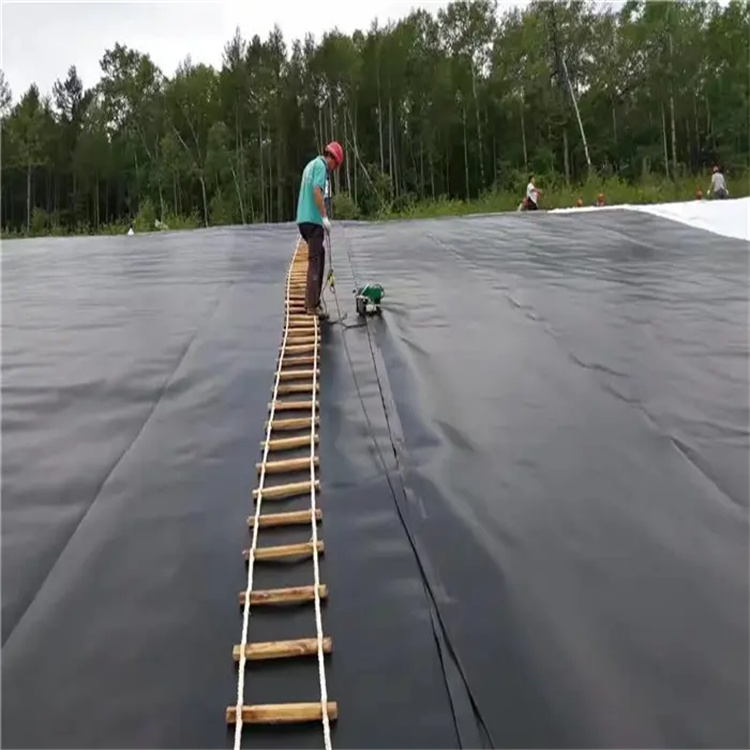
All geomembrane welding (hot wedge or extrusion welding) must be done by trained and certified professionals. Incorrect seams are one of the leading causes of liner failure.
? "Hiring certified welders was the best investment we made on our mining site."
— @GreenMinesTeam
5. Conduct Trial Welds and Testing
Before full-scale installation, always perform trial welds to test equipment settings. Use destructive and non-destructive testing methods (e.g., air pressure tests, vacuum box) to verify seam strength.
6. Allow for Thermal Expansion
Geomembranes expand and contract with temperature changes. Leave enough slack and anchor properly to prevent tearing or slippage over time.
7. Install Anchoring Systems Correctly
Anchoring trenches must be properly excavated and compacted to secure the edges of the geomembrane, especially in slopes and vertical applications.
8. Protect from UV Exposure
HDPE and LDPE geomembranes are vulnerable to UV damage over time. Backfilling or covering the liner as soon as possible after installation is crucial.
9. Minimize Foot Traffic and Machinery Contact
Limit movement on the geomembrane during installation. Use plywood walkways or soft-soled shoes when walking on the liner. Avoid placing heavy machinery directly on the surface.
10. Post-Installation Inspection
Before placing any overlay (soil, gravel, concrete), conduct a final inspection for punctures, missed welds, or signs of material fatigue. Use spark testing or visual checks under controlled lighting.
? "Our final inspection caught two punctures that would've gone unnoticed until it leaked. Always inspect twice!"
— @GeoEngineeringPro
? Bonus Tips for Safe and Efficient Geomembrane Construction
Keep a daily log of ambient temperature, welding settings, and quality tests
Label each seam section clearly for traceability
Use GPS documentation for large-scale projects to track liner placement
Train your team on safety, material handling, and best practices regularly
?️ Recommended Tools for Geomembrane Installation
Hot wedge welders & extrusion guns
Air pressure testing kits
Vacuum boxes for leak detection
Non-destructive ultrasonic testers
Edge trimmers and anchor weights
Conclusion: Precautions for Geomembrane Construction Save Time, Money, and the Environment
By following these precautions for geomembrane construction, you’re not only improving your project’s longevity—you’re also ensuring compliance, safety, and sustainability.
Remember: The success of a geomembrane system lies not just in the material, but in the method of installation.
? "A well-installed geomembrane means peace of mind for years. Every tip in this guide is gold!"
— @EnviroContractorsLtd