The Role of Geotextiles
The Role of Geotextiles: Essential for Modern Engineering and Construction
In today’s world of civil engineering, construction, and environmental management, the role of geotextiles cannot be overstated. These versatile materials are used to enhance the performance and durability of various structures, including roads, dams, bridges, and drainage systems. Geotextiles are integral to soil stabilization, erosion control, and improving the efficiency of drainage systems. In this article, we will explore the crucial role of geotextiles in modern engineering, highlighting their benefits, types, and applications.
What Are Geotextiles?
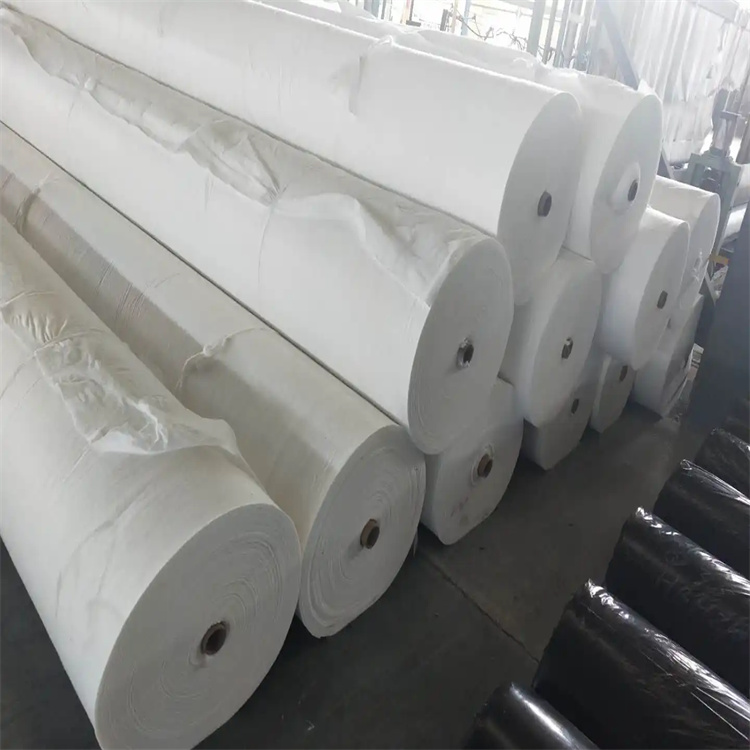
Geotextiles are synthetic fabrics or woven materials that are used in various civil engineering projects. Made from polymers like polypropylene, polyester, or nylon, these materials are designed to interact with soil and other materials to improve the performance of engineering structures. The role of geotextiles is primarily to provide support, separation, filtration, and drainage to the underlying soil.
Geotextiles are typically categorized into four main types based on their function and application: woven, non-woven, knitted, and composite geotextiles. The role of geotextiles in these categories varies, but all contribute significantly to enhancing the durability and longevity of infrastructure projects.
The Key Functions of Geotextiles
1. Separation
One of the primary functions of geotextiles is to separate different layers of soil, aggregates, or other materials in a construction project. For example, in road construction, the role of geotextiles is to prevent the mixing of subgrade soil and aggregate materials, which helps maintain the integrity of the foundation. By separating these layers, geotextiles prevent the migration of fine particles from the soil, ensuring stability and reducing erosion.
In applications such as landfills or drainage systems, the role of geotextiles is also to separate waste materials from natural soil, preventing contamination and ensuring proper filtration.
2. Filtration
The role of geotextiles in filtration is essential in water management and drainage systems. Geotextiles allow water to pass through while filtering out fine particles like sand, silt, and clay. In drainage systems, the role of geotextiles is to ensure that the water flows freely while preventing clogging of drainage pipes and soil mixing.
Geotextiles are commonly used in the construction of French drains, ponds, and other water management systems, where filtration is vital to maintaining proper water flow and preventing soil erosion.
3. Reinforcement
Geotextiles play a significant role in reinforcing soil in construction projects. By adding geotextiles to soil, engineers can improve the load-bearing capacity and stability of the structure. The role of geotextiles in soil reinforcement helps to distribute the weight of the structure more evenly, preventing soil movement or settlement.
In applications such as embankments, retaining walls, and road foundations, the role of geotextiles is crucial in enhancing soil strength and ensuring long-term stability.
4. Drainage
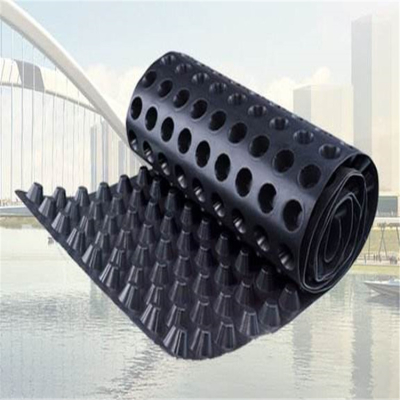
The role of geotextiles in drainage systems is indispensable. By enhancing the permeability of soil and preventing clogging, geotextiles help to manage water flow and ensure that excess water is efficiently removed from the system. This is particularly important in areas with high rainfall or where water accumulation is a concern.
Geotextiles are used in a variety of drainage applications, such as roadways, construction sites, and waste management facilities, where proper drainage is essential to prevent water damage and structural failure.
Types of Geotextiles and Their Applications
1. Woven Geotextiles
Woven geotextiles are made by interlacing fibers or yarns, creating a fabric with a high strength-to-weight ratio. The role of geotextiles in this category is primarily for soil reinforcement and separation. These geotextiles are commonly used in heavy-duty applications, such as road construction, railways, and landfills, where high tensile strength is required.
2. Non-Woven Geotextiles
Non-woven geotextiles are made by bonding fibers together using heat or chemicals, resulting in a fabric that is strong and flexible. The role of geotextiles in this type includes filtration, drainage, and separation. Non-woven geotextiles are often used in applications where water flow and filtration are a priority, such as in drainage systems, erosion control, and coastal engineering.
3. Knitted Geotextiles
Knitted geotextiles are made by interlooping fibers, which gives the fabric a high degree of flexibility. The role of geotextiles in knitted forms is to provide soil reinforcement and separation while also enhancing drainage performance. Knitted geotextiles are commonly used in road construction and embankment stabilization, where flexibility and adaptability are essential.
4. Composite Geotextiles
Composite geotextiles combine multiple layers of materials to provide enhanced performance. These may include a combination of woven and non-woven fabrics, offering the benefits of both filtration and reinforcement. The role of geotextiles in composite forms is to provide a more versatile solution for complex engineering applications, such as in large-scale drainage projects, landfills, and coastal protection systems.
Applications of Geotextiles in Modern Engineering
1. Road and Pavement Construction
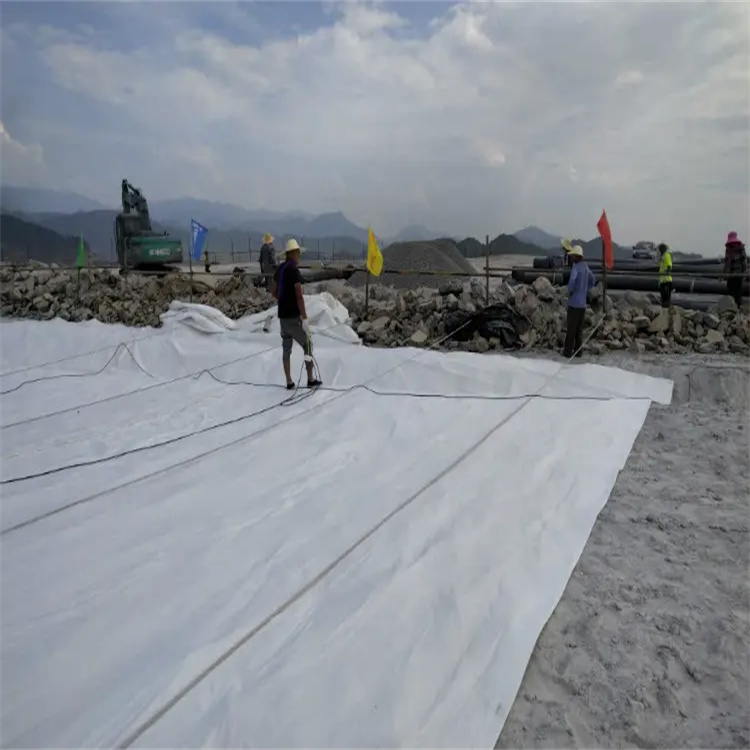
One of the most common uses of geotextiles is in road and pavement construction. The role of geotextiles in road construction includes separation of soil from aggregates, reinforcement of subgrade material, and improving drainage. By using geotextiles, road engineers can enhance the stability and lifespan of road surfaces, especially in areas with poor soil conditions.
Geotextiles are also used in the construction of highway embankments and bridges to ensure a solid foundation and prevent erosion.
2. Erosion Control
In areas prone to soil erosion, the role of geotextiles is vital in protecting natural landscapes. By covering slopes, riverbanks, and coastal areas with geotextiles, engineers can prevent soil movement and erosion caused by wind or water. The materials in the geotextiles also support the growth of vegetation, further enhancing erosion control efforts.
Geotextiles are extensively used in riverbank protection, coastal engineering, and slope stabilization projects, ensuring that soil remains intact and preventing environmental damage.
3. Landfills and Waste Management
In landfill construction, the role of geotextiles is twofold: they provide a separation layer between waste materials and the underlying soil, and they also serve as a filtration layer to prevent contamination of groundwater. Geotextiles are used to line the bottom of landfills and in the construction of leachate collection systems, improving environmental protection and reducing the risk of pollution.
4. Agricultural Applications
The role of geotextiles extends to agriculture as well. Geotextiles are used in agricultural drainage systems to improve water management and prevent soil erosion. They also serve as a barrier to control weed growth and provide stabilization in agricultural fields.
Conclusion: Why the Role of Geotextiles is Crucial
The role of geotextiles is essential to modern engineering and construction practices. By improving soil stability, providing drainage, and offering a sustainable solution to environmental challenges, geotextiles have become indispensable materials in civil engineering. As the demand for sustainable, long-lasting infrastructure grows, the role of geotextiles will continue to play a key role in shaping the future of construction and environmental protection.
Whether in roads, drainage systems, or erosion control, the use of geotextiles offers cost-effective, durable, and environmentally friendly solutions. Their multifaceted applications ensure that the role of geotextiles will remain critical in the development of safe, stable, and sustainable infrastructure.