A New Choice for Water Conservancy Projects: Geomembranes Show Practical Effects
Water Conservancy Projects’ New Choice: Geomembrane Delivers Tangible Results
Water conservancy projects are way more important than most people realize—they’re the backbone of infrastructure worldwide, supporting farm irrigation, city water supplies, flood control, and protecting ecosystems. Climate change is dumping more extreme weather on us—long dry spells, sudden floods, the whole deal. So the need for durable, efficient, reliable materials in water conservancy builds is higher than ever. Concrete and clay have been the go-to anti-seepage materials for years, but they just don’t cut it when it comes to flexibility, how fast you can get them installed, or holding up over time. In recent years, geomembrane has stepped in as a total game-changer—offering a no-nonsense solution to the main headaches of modern water work. And among all the geomembrane options out there, hdpe black smooth geomembrane is what engineers and project managers reach for first. It performs like a champ and has proven itself time and again in real jobs.
The Core Demand for Anti-Seepage in Water Conservancy Projects and Geomembrane’s Adaptability
Anti-seepage isn’t optional for water conservancy structures—reservoirs, canals, ponds, wetlands, you name it. Water leaking out doesn’t just waste a precious resource; it weakens the whole project over time. Cracks start forming, soil erodes, and if you don’t fix it, the whole thing can even fail. Traditional materials struggle to balance good seepage control with being easy to use. Concrete, for example, is stiff as a board. It cracks when temperatures swing or the ground settles. Clay liners need tons of compaction, and they’re easy to tear up during construction.
Geomembrane? It’s built to fix these problems fast. Made from high-quality synthetic polymers, it creates a seamless, flexible barrier that hugs the ground tight. It adjusts to how the terrain changes and stops water from seeping through like a pro. hdpe black smooth geomembrane really stands out here—it’s made from high density polyethylene (HDPE). That material has great tensile strength and doesn’t react to chemicals. Unlike some lighter alternatives, it can handle the pressure of huge water volumes and won’t corrode from soil chemicals. So even in tough job sites—rocky ground, soil that’s harsh on materials—it keeps water in reliably. Whether it’s a massive reservoir holding millions of cubic meters of water or a small irrigation canal for local farms, this geomembrane drops leakage to practically zero.
Durability and Environmental Friendliness: The Dual Advantages of Geomembrane
In water conservancy work, it’s not enough for a material to work well once—it needs to last decades without constant fixes. Geomembrane knocks this out of the park. With proper installation and basic upkeep, it can last 30 years or more. That longevity comes from its ability to stand up to UV rays, oxidation, and even decay from plants or tiny microbes. Organic materials break down over time, but hdpe black smooth geomembrane keeps its structure intact—even when it’s out in direct sunlight all day or temperatures go up and down. That makes it perfect for outdoor water projects that need to be trustworthy for years. No more replacing sections every few years or constant touch-ups.
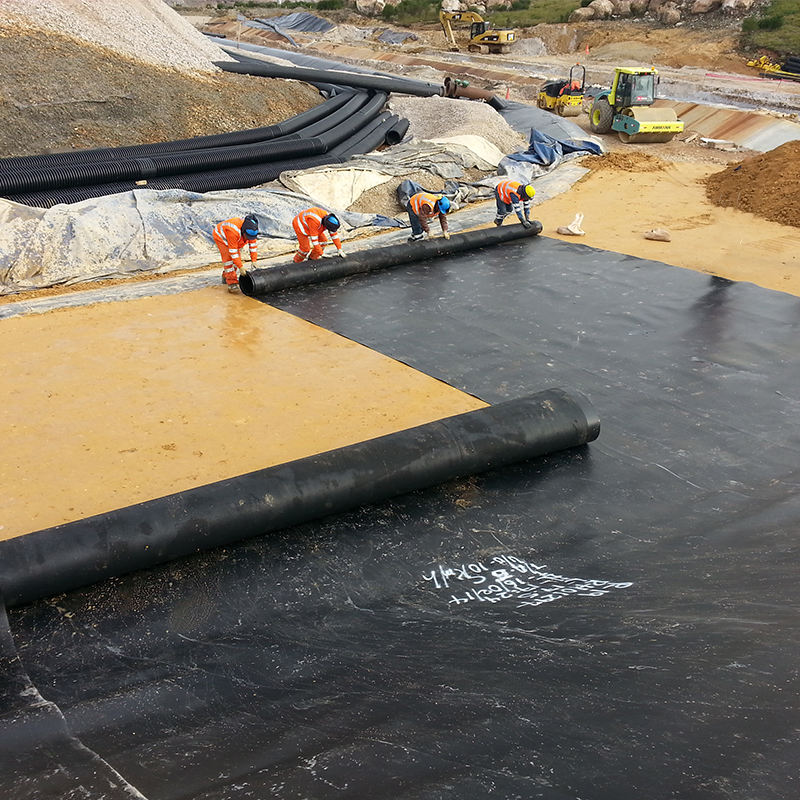
Being eco-friendly is another big plus that makes geomembrane a smart pick for modern water work. HDPE, the main material in hdpe black smooth geomembrane, is non-toxic and can be recycled. That cuts down on the environmental impact of building and later getting rid of it. Concrete has a huge carbon footprint because of how it’s made. Geomembrane, though, is lightweight—so it takes less energy to make and ship. And its anti-seepage properties protect soil and groundwater from contamination, which keeps local ecosystems healthy. For projects focused on fixing ecosystems—like saving wetlands or stabilizing riverbanks—geomembrane plays a huge role. It keeps water quality good and helps plants and animals thrive. It’s not just about getting the job done; it’s about doing it without messing up the planet.
Multi-Scenario Adaptability: Geomembrane’s Wide Application in Water Conservancy Projects
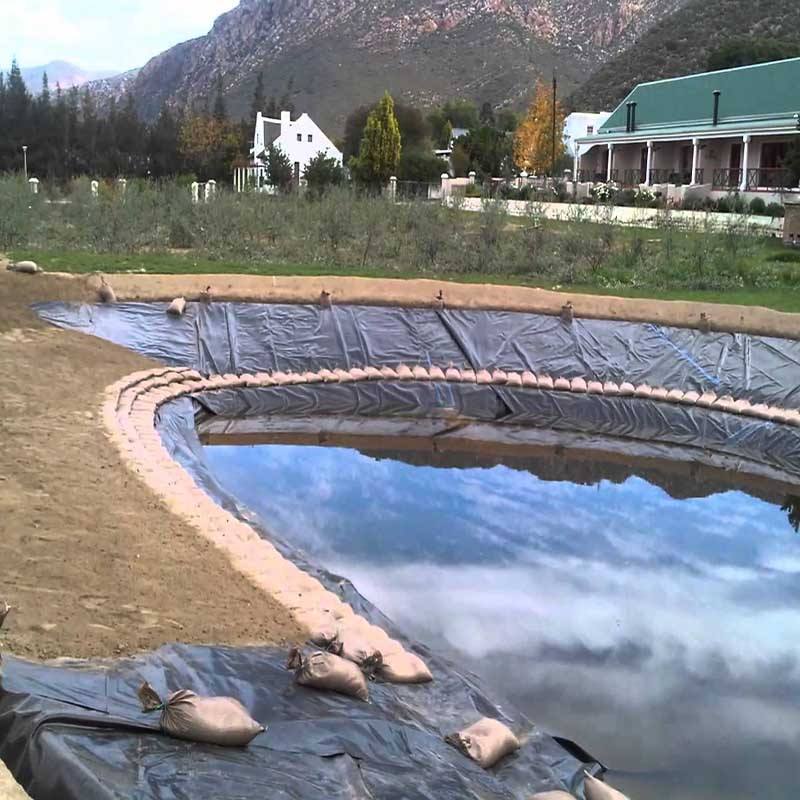
Water conservancy projects aren’t one-size-fits-all. There’s huge reservoirs, small farm irrigation setups, and everything in between. Geomembrane’s versatility means it works well in all these cases—delivering consistent results no matter what the job is. One of the most common uses is lining reservoirs. Here, hdpe black smooth geomembrane is laid across the bottom and slopes to stop water from seeping into the surrounding soil. This doesn’t just save water; it reduces soil erosion and the risk of landslides. So the reservoir stays structurally sound for years.
Irrigation canals are another major spot where geomembrane shines. Anyone who’s been in the water conservancy game knows traditional canals lose tons of water to seepage—especially in dry areas where every drop counts. Lining those canals with geomembrane slashes that water loss by up to 90%. More water gets to the farms, and irrigation works way better. hdpe black smooth geomembrane is perfect for this because its smooth surface means less friction. Water flows through easier, and you don’t need as much energy for pumping. That saves both money and resources in the long run.
Geomembrane is also used a lot in ecological water projects—like restoring wetlands or cleaning up rivers. Wetlands are crucial for filtering water, controlling floods, and giving wildlife a home. But they often get damaged because water leaks out or pollution seeps in. Using geomembrane to create impermeable layers keeps water levels steady in wetlands. That helps aquatic plants grow and lets wildlife hang on. In river cleanups, geomembrane lines the banks to stop erosion. It helps restore the river’s natural balance. And it’s flexible enough to fit the curves of rivers and wetlands—so it doesn’t mess up the natural landscape.
Technical Optimization: Making Geomembrane Construction More Efficient and Convenient
Another thing that makes geomembrane stand out? It’s incredibly easy to handle. That’s a big reason it’s become so popular in water conservancy. Traditional materials? They need all sorts of on-site mixing and curing. Total hassle. Geomembrane comes in big rolls. You unroll it, cut it to size, and install it fast. That saves a ton of construction time. Projects finish ahead of schedule, and you cut down on labor costs. hdpe black smooth geomembrane is designed with efficiency in mind. It’s lightweight but tough, so it’s easy to haul to remote job sites. No need for heavy machinery just to move the material around. And it’s flexible—so it fits around rocks, tree roots, or other obstacles without losing its ability to stop seepage.
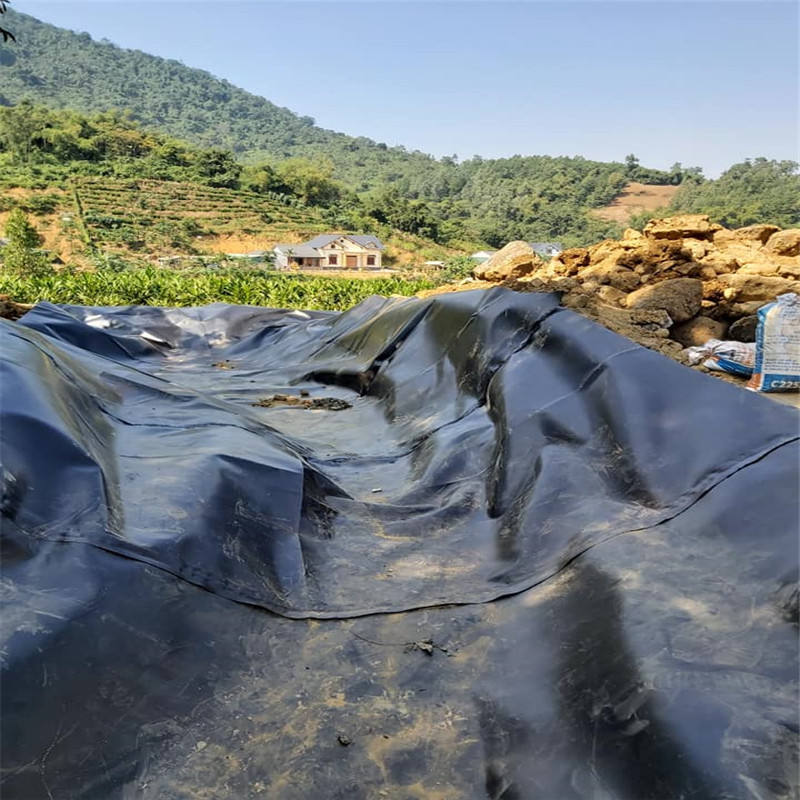
The welding tech for joining geomembrane sheets is another win. Modern thermal welding machines create seamless bonds between sheets. No gaps, no weak spots in the anti-seepage barrier. The welding process is quick and reliable, and workers don’t need months of training to do it right. Also, hdpe black smooth geomembrane doesn’t need a ton of site prep. Concrete needs a perfectly level, compacted base—you can’t cut corners there. But geomembrane can handle small uneven spots in the ground. That saves time and money on getting the site ready. No need to spend weeks leveling every square inch.
Quality control is simpler with geomembrane too. Every roll of hdpe black smooth geomembrane gets tested hard before it leaves the factory. They check thickness, tensile strength, how well it keeps water out—all the important stuff. On-site inspections are straightforward too. Just visual checks and simple tests to make sure the geomembrane is installed and welded correctly. That lowers the risk of construction mistakes and ensures the project meets design standards. No fancy equipment or complicated procedures needed. Just common-sense checks that any crew can do.
Market Recognition and Verification of Project Effectiveness
In recent years, geomembrane has been used in thousands of water conservancy projects around the world. Engineers, government agencies, and project crews all see its value. It’s proven itself in big projects—like China’s Three Gorges Reservoir, irrigation systems in Australia’s Murray-Darling Basin, and wetland restoration in the US. In every one of these, hdpe black smooth geomembrane did exactly what it was supposed to. Less water loss, better structural stability, and lower maintenance costs. Project teams often talk about how it makes their jobs easier and delivers results they can count on.
Project managers often mention cost-effectiveness as a key reason they choose geomembrane. The upfront cost might be higher than some traditional materials, but it lasts so long and needs so little maintenance that the total cost over time is way lower. For example, a reservoir lined with geomembrane might not need major repairs for 30 years. A concrete-lined one? You’re patching and resurfacing every 5-10 years. That’s not just more money—it means shutting down the reservoir or canal for weeks. Total disruption.
The push for sustainable development has also made geomembrane more popular. Governments and international groups are making infrastructure projects meet stricter environmental standards. Geomembrane’s recyclability and low carbon footprint make it a great choice for green water conservancy projects. hdpe black smooth geomembrane fits right into these sustainability goals. It helps projects do well financially and environmentally. It’s a win-win all around.
Future Trends: The Development Potential of Geomembrane in Water Conservancy Projects
Water conservancy projects face more challenges every year. Climate change, more people needing water—so the demand for high-performance anti-seepage materials like geomembrane will keep going up. Future geomembrane tech will focus on three main things: better durability, more eco-friendly performance, and more ways to use it. For example, researchers are working on geomembranes with even higher tensile strength and better resistance to extreme temperatures. That would make them work in polar regions or areas with brutal weather—places where traditional materials would fail fast.
Adding smart tech is another trend that’s starting to pick up. Future geomembrane products might come with sensors that monitor water pressure, leaks, and structural integrity in real time. That lets project operators spot problems early and fix them before they get worse. This will make water conservancy projects more reliable and efficient. Less risk of failures, lower maintenance costs. Imagine checking how your geomembrane is holding up from your computer or phone—no need to hang around the job site nonstop.
hdpe black smooth geomembrane is in a great position to benefit from these trends. Its flexible design and proven performance make it a foundation for future innovations. As more engineers and project managers see how well it works, it will keep playing a key role in shaping water conservancy infrastructure worldwide. It’s not just a material for today—it’s one that will adapt to tomorrow’s challenges.
Conclusion
Water conservancy projects are essential. They make sure we have enough water, support economic growth, and protect the environment. In this context, geomembrane has become a reliable, efficient, sustainable solution for anti-seepage needs. It’s changing how we design and build water conservancy projects. hdpe black smooth geomembrane, in particular, stands out. It performs great, lasts long, and works in so many situations. It’s a top choice for projects of all sizes—from small community ponds to massive reservoirs.
From large reservoirs to small irrigation canals, from keeping structures stable to protecting ecosystems, geomembrane delivers real results. It makes projects more efficient, cuts costs, and reduces environmental impact. As tech gets better and the demand for sustainable infrastructure grows, geomembrane will definitely stay a key part of modern water conservancy. For engineers, project managers, and policymakers looking to build water systems that are strong, efficient, and eco-friendly, geomembrane isn’t just some material—it’s a smart investment in the future of water security.
Whether you’re planning a new reservoir, upgrading an irrigation system, or restoring a wetland, hdpe black smooth geomembrane offers a practical, proven solution. It meets the demands of today’s water conservancy challenges with its mix of performance, durability, and sustainability. It’s no wonder geomembrane has become the new choice for water conservancy projects around the world—it works, it lasts, and it’s good for the planet.