How many kinds of geogrid can we offer?
Product Definition of Geogrid
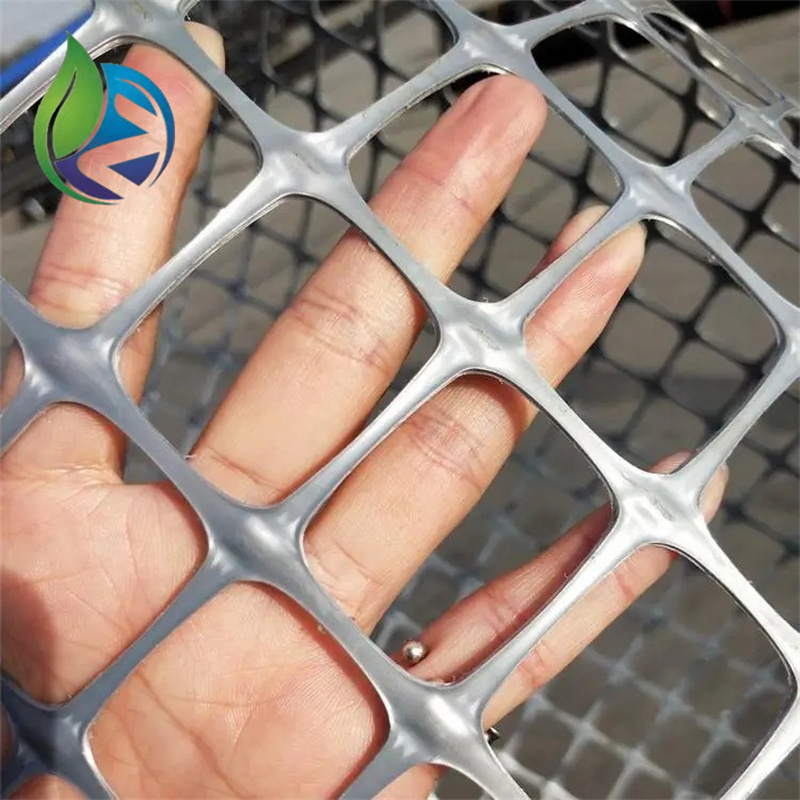
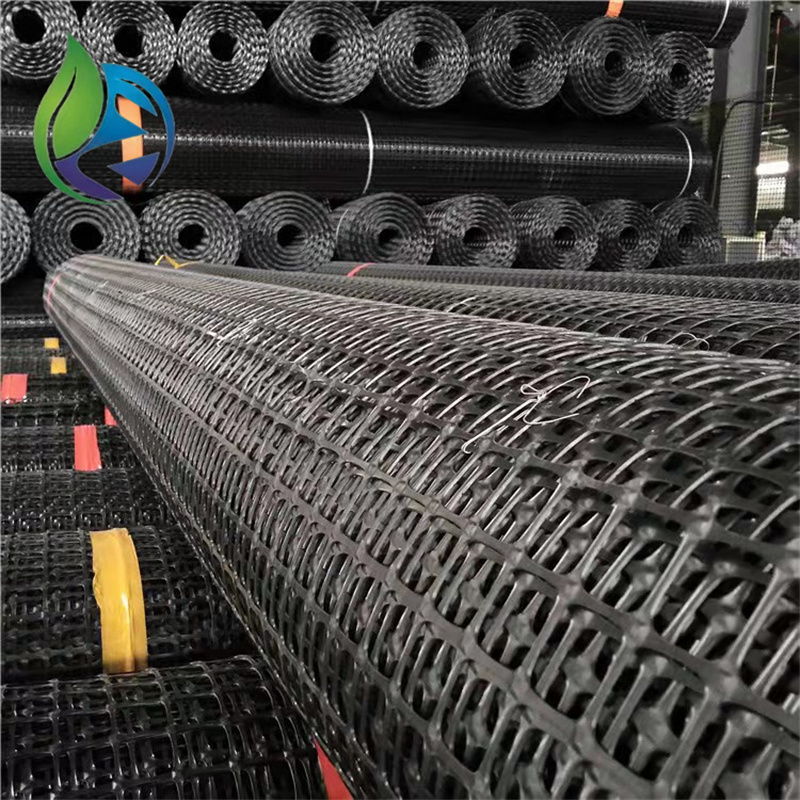
Geogrid is a polymer-based geosynthetic material engineered with a regular grid structure to reinforce soil and aggregate systems. It improves load distribution, tensile resistance, and long-term stability in civil, mining, transportation, and infrastructure engineering applications.
How Many Kinds of Geogrid Can We Offer?
From an engineering and supply perspective, geogrids are generally classified into several standardized categories based on structure, material, and load direction. Understanding how many kinds of geogrid can we offer helps EPC contractors, designers, and procurement teams match performance requirements with project conditions.
Main Categories of Geogrid
Triaxial Geogrid
Polyester (PET) Geogrid
Steel-Plastic Composite Geogrid
Technical Parameters and Specifications
The following parameters are commonly used in engineering specifications and tenders when evaluating how many kinds of geogrid can we offer for a project:
Raw material: HDPE, PP, PET, fiberglass, steel-plastic composite
Tensile strength: 20–200 kN/m (depending on type)
Elongation at break: ≤10% (PET), ≤15% (HDPE/PP)
Aperture size: 20 × 20 mm to 65 × 65 mm
Creep reduction factor: ≤1.4 (PET geogrid)
Design life: ≥50 years in buried conditions
Roll width: 3.9–6.0 m (customizable)
Structure and Material Composition
Different answers to how many kinds of geogrid can we offer originate from variations in structure and material composition:
Uniaxial Geogrid: High-strength ribs oriented in one direction for slope and retaining wall reinforcement
Biaxial Geogrid: Balanced tensile strength in longitudinal and transverse directions
Triaxial Geogrid: Triangular aperture structure for multidirectional load transfer
Fiberglass Geogrid: Alkali-resistant glass fibers with polymer coating
PET Geogrid: High-modulus polyester yarns with PVC or bitumen coating
Steel-Plastic Geogrid: Steel wires encapsulated in polyethylene
Manufacturing Process
The manufacturing process determines how many kinds of geogrid can we offer with stable and repeatable performance:
Raw material preparation: Polymer pellets, fibers, or steel wire inspection
Extrusion or weaving: Sheet extrusion (HDPE/PP) or warp knitting (PET/fiberglass)
Punching and stretching: Controlled stretching to orient molecular chains
Coating process: PVC, bitumen, or polymer coating for durability
Quality testing: Tensile, creep, junction efficiency testing
Roll forming and packaging: Standardized rolls for logistics
Industry Comparison
| Material | Tensile Strength | Creep Resistance | Typical Application |
|---|---|---|---|
| Geogrid | High | Excellent | Roads, slopes, retaining walls |
| Geotextile | Medium | Moderate | Separation, filtration |
| Steel Mesh | Very High | Low (corrosion risk) | Temporary reinforcement |
| Concrete | Rigid | N/A | Structural support |
Application Scenarios
Understanding how many kinds of geogrid can we offer allows stakeholders to select the correct solution for:
Road and highway base reinforcement
Railway subgrade stabilization
Mining haul roads and tailings dams
Retaining walls and steep slopes
Port, airport, and industrial platforms
Core Engineering Pain Points and Solutions
Uneven settlement: Solved by biaxial or triaxial geogrid load distribution
Slope instability: Addressed using high-strength uniaxial geogrid
Long-term creep: PET geogrid with low creep factors
Corrosion concerns: Polymer-coated or fiberglass geogrid solutions
Risk Warnings and Mitigation
Avoid mismatching tensile direction and load direction
Verify chemical resistance in aggressive soil environments
Ensure correct overlap and anchoring during installation
Confirm compliance with project design standards
Procurement and Selection Guide
Clarify load direction and design tensile requirements
Identify soil type and environmental exposure
Confirm design life and creep limits
Select geogrid type accordingly
Request laboratory test reports
Conduct trial installation if necessary
Engineering Application Case
In a mining haul road project, a biaxial HDPE geogrid with 40 kN/m tensile strength was installed between subgrade and aggregate layers. The reinforced section reduced rutting by over 35% and extended maintenance intervals, demonstrating how different answers to how many kinds of geogrid can we offer translate into engineering value.
FAQ
Q1: How many kinds of geogrid can we offer for road projects?
A: Typically uniaxial, biaxial, triaxial, and PET geogrids.Q2: Which geogrid has the lowest creep?
A: PET geogrid.Q3: Are geogrids customizable?
A: Yes, in strength, aperture, and roll size.Q4: Can geogrids be used in mining?
A: Yes, especially for haul roads and tailings dams.Q5: What is junction efficiency?
A: The strength of rib intersections.Q6: Are fiberglass geogrids alkali resistant?
A: Yes, with proper coating.Q7: How long is the service life?
A: Typically over 50 years.Q8: Can geogrids replace concrete?
A: They complement, not replace, rigid structures.Q9: Do standards vary by region?
A: Yes, ASTM, ISO, and EN standards apply.Q10: Is on-site supervision required?
A: Recommended for large EPC projects.
CTA
For detailed specifications, engineering drawings, or project-based quotations related to how many kinds of geogrid can we offer, please request technical documentation or engineering samples through formal procurement channels.
E-E-A-T Author Statement
This article is prepared by a technical engineering team with over 15 years of experience in geosynthetics manufacturing, testing, and EPC project support, providing evidence-based guidance aligned with international civil engineering standards.