How to Distinguish Between Geomembrane and Composite Geomembrane
How to Distinguish Between Geomembrane and Composite Geomembrane
When it comes to civil engineering, environmental protection, and water containment systems, how to distinguish between geomembrane and composite geomembrane is a frequently asked question among engineers, contractors, and procurement professionals. Both materials serve similar functions in geotechnical projects, yet they differ significantly in composition, structure, performance, and application.
In this comprehensive guide, we will help you understand how to distinguish between geomembrane and composite geomembrane, so you can make the best material selection for your specific project.
What Is a Geomembrane?
A geomembrane is a synthetic membrane liner or barrier primarily composed of impermeable polymers such as HDPE (high-density polyethylene), LDPE (low-density polyethylene), PVC (polyvinyl chloride), or EVA (ethylene-vinyl acetate). It is used to control fluid migration in a wide range of containment applications.
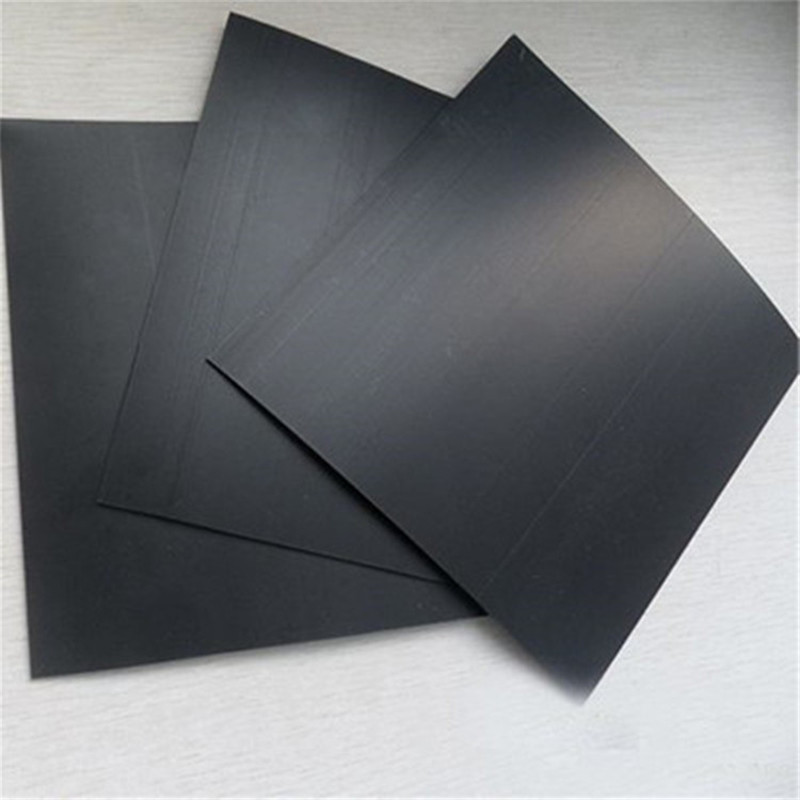
Typically, geomembranes are smooth or textured sheets available in various thicknesses, with high resistance to chemical attack, UV rays, and mechanical damage.
What Is a Composite Geomembrane?
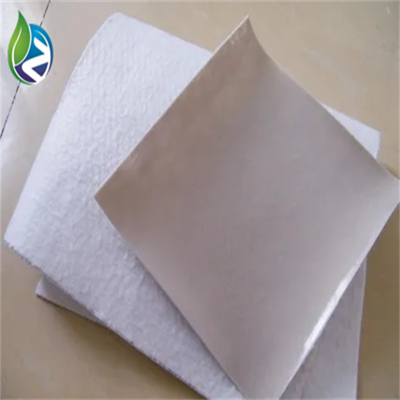
A composite geomembrane is a combination of a polymer geomembrane with a geotextile layer, either on one side or both sides. The geotextile is usually made of polypropylene or polyester, bonded through heat or adhesive lamination.
Understanding how to distinguish between geomembrane and composite geomembrane starts with this key structural difference: geomembranes are single-layer barriers, while composite geomembranes integrate a multi-layer system that enhances mechanical strength and puncture resistance.
How to Distinguish Between Geomembrane and Composite Geomembrane
1. Material Composition
When considering how to distinguish between geomembrane and composite geomembrane, the most obvious difference is the material composition:
Geomembrane: Made entirely from polymer material, usually HDPE or LDPE.
Composite Geomembrane: Combines a geomembrane with one or two layers of geotextile.
This layering not only increases tensile strength but also provides better protection against puncture and substrate irregularities.
2. Application Purpose
Another important factor in how to distinguish between geomembrane and composite geomembrane is their application:
Geomembrane: Ideal for clean environments such as reservoirs, landfills, and chemical containment.
Composite Geomembrane: Better suited for harsh and uneven surfaces, such as mining sites, canal linings, and underground waterproofing, where mechanical stress is greater.
The added geotextile layer in composite geomembranes helps absorb stress and distribute loads more effectively.
3. Visual and Physical Inspection
To practically apply how to distinguish between geomembrane and composite geomembrane, a visual or tactile examination helps:
Geomembranes are smooth or textured, but clearly uniform and plastic-like.
Composite Geomembranes have a visibly fibrous texture due to the geotextile layer, making them appear more fabric-like and less shiny.
You can feel the layered construction in a composite type, especially in a one-sided or double-sided composite sheet.
4. Performance Characteristics
Understanding how to distinguish between geomembrane and composite geomembrane also involves evaluating performance:
| Property | Geomembrane | Composite Geomembrane |
|---|---|---|
| Impermeability | Excellent | Excellent |
| Puncture Resistance | Moderate | High |
| Friction Coefficient | Lower | Higher (due to geotextile) |
| Tensile Strength | High | Higher than pure geomembrane |
| Installation Adaptability | Less tolerant to rough base | More adaptable to base defects |
Composite geomembranes offer added protection and are more suitable for projects requiring cushioning and increased durability.
5. Cost Consideration
When weighing how to distinguish between geomembrane and composite geomembrane, cost is also a deciding factor:
Geomembrane: More cost-effective for simple projects.
Composite Geomembrane: Slightly higher in price due to added layers and enhanced performance, but offers better long-term ROI in demanding applications.
Conclusion
In summary, how to distinguish between geomembrane and composite geomembrane boils down to understanding their structural differences, application use cases, physical appearance, and performance profiles. Geomembranes are best for basic, smooth-surface applications requiring high impermeability, while composite geomembranes are ideal for rugged conditions needing additional reinforcement and friction.
Whether you're designing a landfill, lining a pond, or waterproofing a tunnel, knowing how to distinguish between geomembrane and composite geomembrane ensures optimal material selection, improved project longevity, and lower maintenance costs.