"HDPE Geomembrane: An Invisible Ecological Protection Revolution from Tailings Ponds to Farmlands"
HDPE Geomembrane: An Invisible Ecological Guardian Revolution from Tailings Ponds to Farmlands
Walk through a mining zone, and you’ll miss the thin, tough sheets under tailings ponds—they lock in toxic chemicals so they don’t seep into the dirt. Drive past a farm, and neat crop rows hide a similar barrier: one that holds irrigation water so it doesn’t soak away. These are HDPE geomembranes—unsung heroes quietly changing how we protect nature while keeping infrastructure running. It’s not a headline-grabbing revolution, but it’s crucial—touching mining safety, food security, and more. Let’s break down how this once-niche material became a planet protector, and why it matters more every day.
1. Tailings Ponds: Stopping Toxic Leaks Before They Start
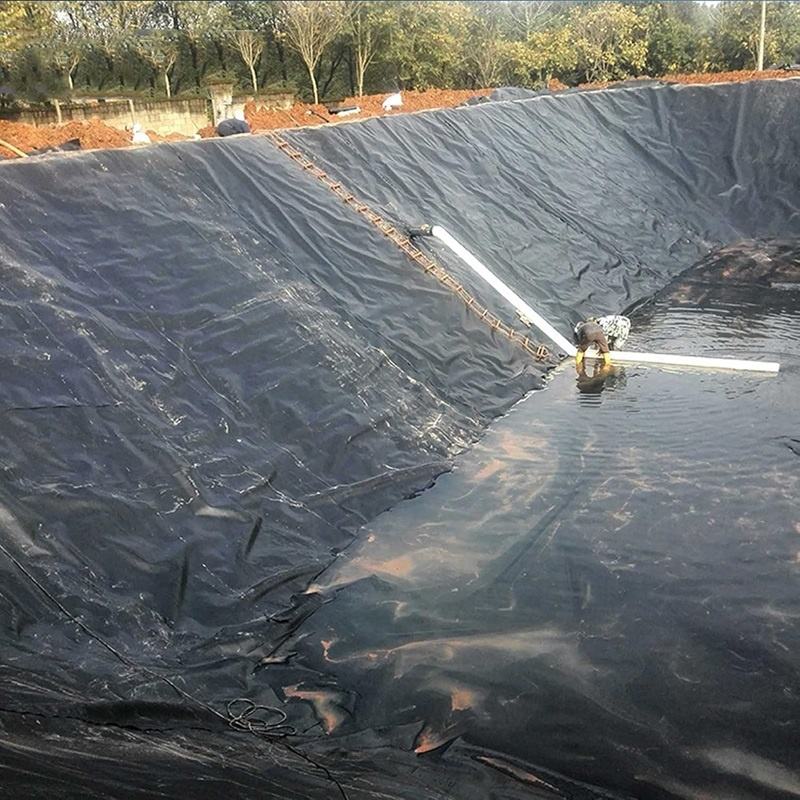
Mining is a double-edged sword: it gives us metals for phones and cars, but creates mountains of waste stored in tailings ponds—pools of water, rock, and harsh chemicals like lead or acid. Without protection, that toxic mix seeps into groundwater, ruins rivers, and poisons land for decades. HDPE geomembranes fix that.
A few years back, a southern China copper mine faced disaster: its tailings pond leaked acidic water, threatening a village’s drinking supply. “We tried clay liners first—cheaper upfront, but they cracked under the waste weight,” said Mr. Li, the mine’s operations manager. Within six months, the village complained of weird-tasting tap water.
Switching to HDPE geomembranes turned things around. The material is thick but flexible—tough enough for pond pressure—and its permeability (less than 10⁻⁷ cm/s) means almost no water gets through. “Three months later, the village’s water was clean, and we avoided a $200,000 fine,” Mr. Li said.
HDPE works here because it resists chemicals (acids, heavy metals don’t break it down) and lasts 20+ years in harsh mine conditions. Cost-wise, it pays for itself: when you factor in lawsuit risks and cleanup costs, the HDPE geomembrane price is a small expense. “We now spend 30% less on repairs than with clay,” Mr. Li added. “It’s mostly set-it-and-forget-it.”
2. Farmlands: Saving Water and Boosting Crops
Ask any farmer their biggest worry, and water scarcity tops the list. Droughts drag on, rains are erratic, and keeping fields watered is a constant fight. That’s why farmers are ditching old methods for HDPE geomembranes to line irrigation ponds and canals.
Last year, I met Gupta and Raju, corn farmers in central India. Three years ago, they used earthen canals—dirt channels carrying water from the Godavari River. “By the time water reached my farm (last in line), 40% seeped away,” Raju said. “We pumped more, hiked our electric bills, and still watched corn wilt in dry seasons.”
Then Gupta learned about HDPE at a workshop. “The guys thought I was crazy—‘A plastic sheet?’ But we asked other farmers, crunched numbers, and lined a small canal section,” he said.
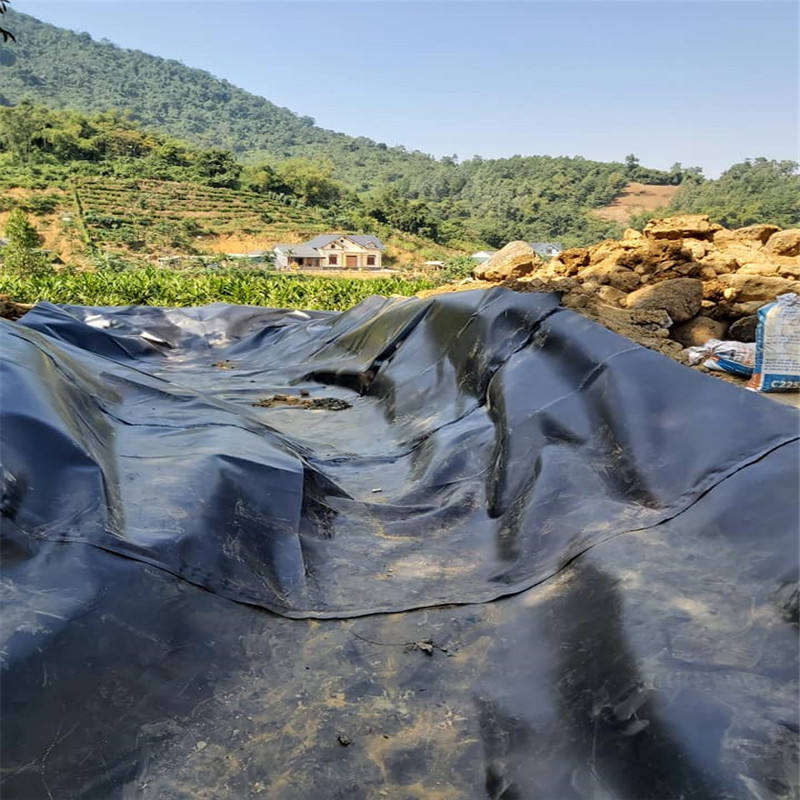
The change was fast: seepage dropped to under 5%, electric bills fell 25%, and next dry season, their corn stayed green while neighbors’ wilted. Harvests rose 15%. “We thought installation would take weeks—local teams finished in three days,” Gupta laughed.
Cost-wise, the HDPE geomembrane price made sense. “It’s upfront, but we’ll earn it back in two harvests from savings and more corn sales,” Raju said. State subsidies helped too. Best of all, less canal waste means more river water for nearby villages. “It’s a ripple effect,” Gupta said. “HDPE isn’t just for crops—it’s for our community’s future.”
3. Landfills: Trapping Toxic Leachate
We throw trash away, but few think about what happens next. Landfills create leachate—a smelly, toxic liquid from decomposing waste. If it seeps into soil or groundwater, it poisons drinking water and harms wildlife. HDPE geomembranes stop that.
A mid-sized U.S. city’s landfill faced crisis a few years back: its old clay liner cracked, and leachate leaked into neighborhood groundwater. The city had two choices: close the landfill (millions to relocate) or upgrade. They chose HDPE.
Workers removed top trash layers, laid thick HDPE liners (paired with leachate drainage), then replaced the trash. Within a year, groundwater tests were clean, and the landfill stayed open.
HDPE works because it’s impermeable to leachate, handles tons of trash weight, and resists landfill methane. Now, most new landfills use it. The HDPE geomembrane price adds to upfront costs, but cities know it’s worth it—leachate cleanup costs millions, and health risks are too high. “It’s a no-brainer,” one city official said.
4. Water Storage: Fixing Leaking Reservoirs
Dams and reservoirs are community lifelines—they supply tap water, electricity, and farm irrigation. But over time, concrete cracks, water seeps, and thousands of gallons are wasted. HDPE geomembranes fix this without rebuilding.
Take Barra do Garças, a small Brazilian town of 10,000. Its main reservoir leaked badly, and dry seasons forced water rations: no lawn watering, quick showers, and restaurants cut menus (no water for dishes or cooking). “We quoted a new reservoir—over $1 million. We couldn’t afford that,” said a council member.
Local engineer Carlos suggested HDPE. “Council laughed—‘A plastic sheet?’ But we had no choice,” he said. His team drained the reservoir, scrubbed muck, laid HDPE (cut to fit weird shapes), and sealed seams. Three months later, they refilled it.
Results shocked everyone: seepage dropped from 30% to under 6%. Next dry season, no rations. “Restaurants are back to normal, families don’t panic about water,” Carlos said. HDPE’s flexibility handles Brazil’s shifting soil, and it resists harsh UV rays. Best of all, lining cost $150,000—1/6 of a new reservoir. “For small towns, HDPE is a game-changer,” Carlos added.
5. The Future: More Sustainable, More Versatile
Sustainability is top of mind, and HDPE makers are fixing a big flaw: old membranes used to go to landfills. Now, things are changing.
A European company launched HDPE made with 50% recycled plastic (old bottles, packaging, used membranes). Tests show it works as well as virgin plastic but uses 30% less energy and keeps plastic out of landfills. A U.S. firm started a “take-back” program: they pick up old HDPE for free, clean it, shred it, and make new liners. “Closed loop—nothing wasted,” a company rep said.
HDPE is also getting more versatile. Researchers test it for coastal erosion (tough against waves) and carbon storage (traps CO₂ underground). It’s no longer niche—It’s a solution for climate and infrastructure problems.
As sustainable HDPE grows, the HDPE geomembrane price gets more competitive. “Small farms and towns can now afford eco-friendly options,” one maker said.
Final Thoughts
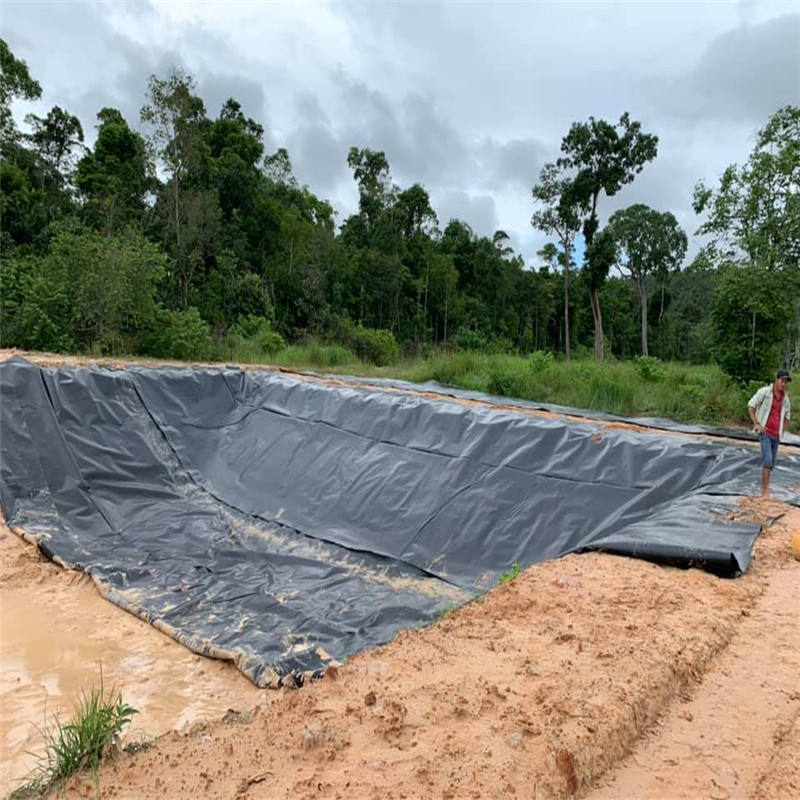
HDPE geomembranes’ revolution isn’t about fancy tech—it’s about practicality. They stop toxins, save water, and fix infrastructure without breaking the bank. As they get more sustainable and affordable, their impact will grow.
These invisible barriers don’t make headlines, but they protect our planet: clean water, healthy soil, strong communities.If you care about those things,HDPE geomembranes are worth watching—even if you never see them work.