

Plastic Drainage Cell
Manufacturing Process
Industrial production of Plastic Drainage Cell involves standardized engineering processes:
Polymer granule drying and filtration to ensure melt stability
High-precision injection molding using automatic mold temperature control
In-mold rib and column structure forming under controlled pressure
Automated trimming and edge finishing
Online dimensional inspection using laser measurement devices
Batch compression testing and visual quality control
Palletizing and shrink-wrapping for logistic protection
Product Definition
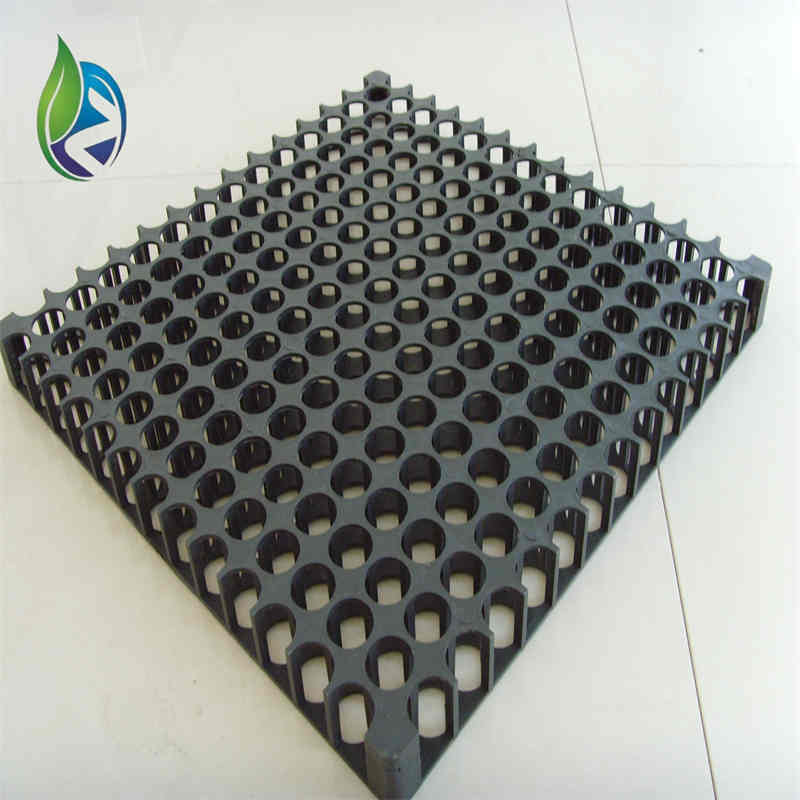
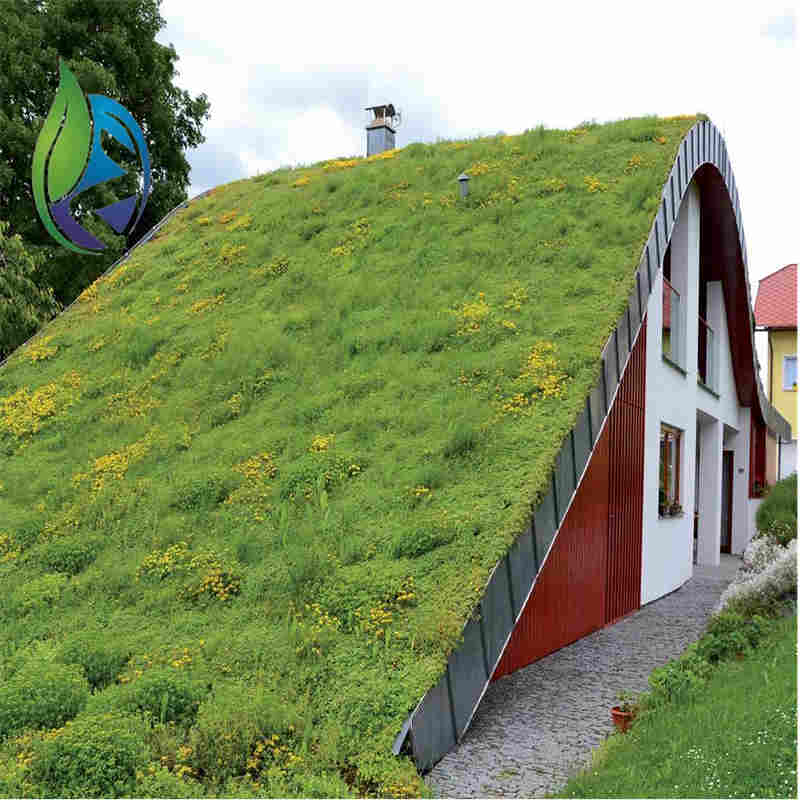
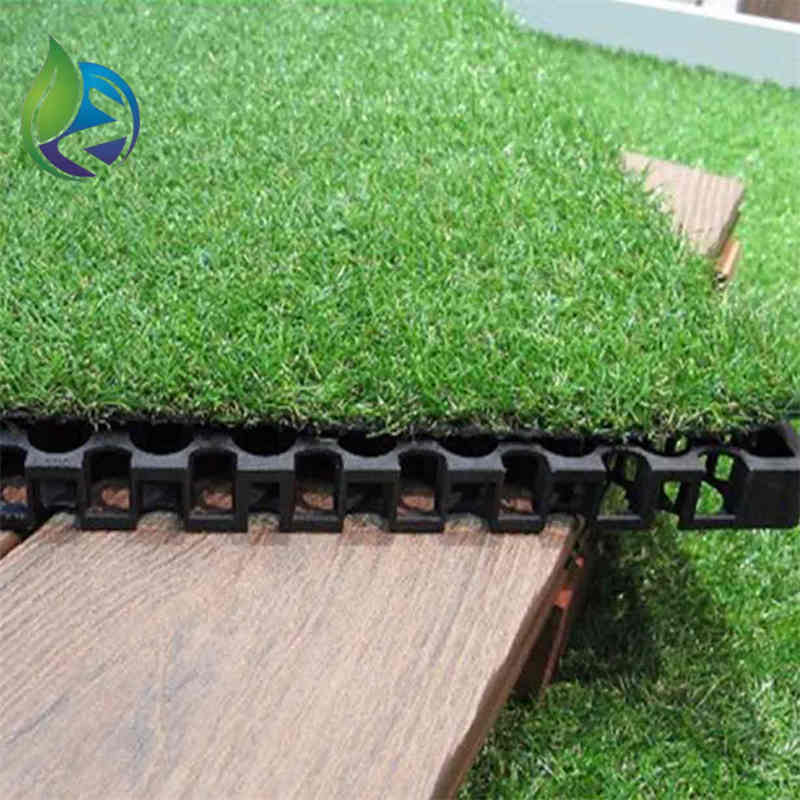
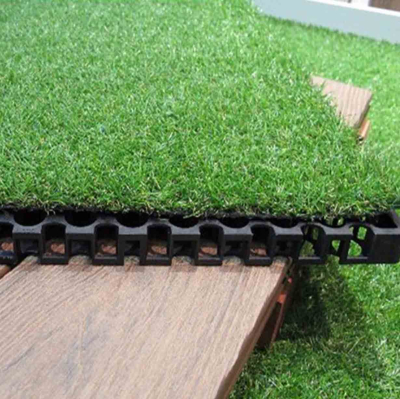
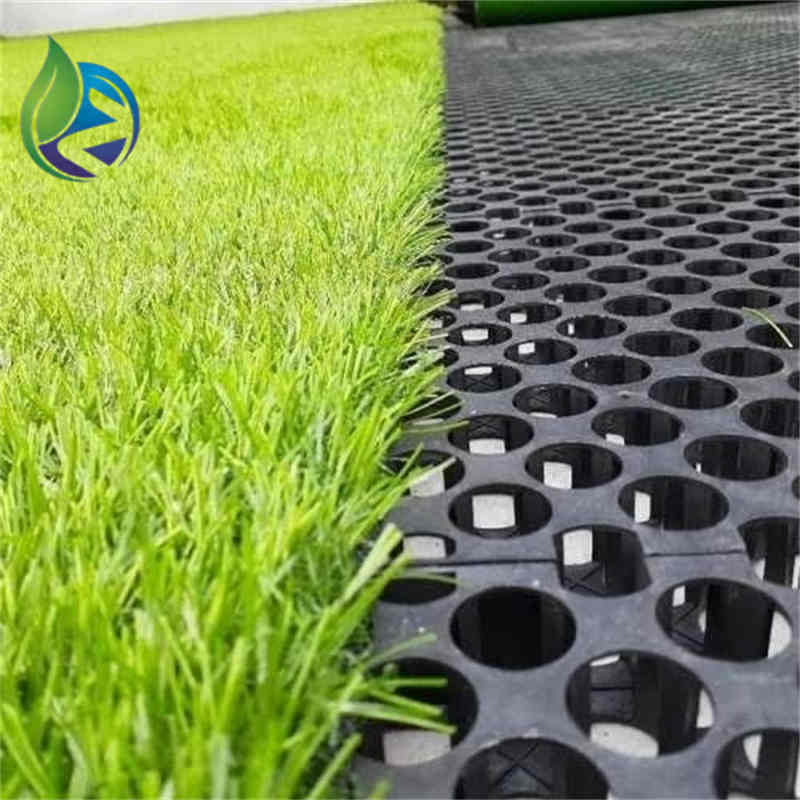
Plastic Drainage Cell is a modular, high-strength polymer drainage layer designed to collect, store and discharge water efficiently under structural loads. It creates a stable void structure for horizontal and vertical drainage in roofs, podium slabs, retaining walls and landscape engineering systems.
Technical Parameters and Specifications
Standard technical parameters for industrial Plastic Drainage Cell systems are listed below and commonly accepted in civil engineering applications:
Material: High-density polypropylene (PP) or recycled HDPE
Cell height: 20 mm, 25 mm, 30 mm, 40 mm, 50 mm
Compressive strength: 150–800 kPa (at 10% deformation)
Void ratio: 85%–95%
Water flow rate (horizontal): ≥ 2.5 L/s·m
Operating temperature: -30°C to +80°C
Creep resistance: ≤ 2% deformation over 50 years (design condition)
UV resistance: Stabilized for temporary exposed installation
Structure and Material Composition
Typical structural configuration of Plastic Drainage Cell:
Top plate support grid with load distribution ribs
Vertical column support nodes for compressive strength
Bottom drainage channels for controlled water collection
Material components:
Polypropylene or HDPE base polymer
Carbon black and UV stabilizers
Processing additives for impact resistance
Manufacturing Process
Industrial production of Plastic Drainage Cell involves standardized engineering processes:
Polymer granule drying and filtration to ensure melt stability
High-precision injection molding using automatic mold temperature control
In-mold rib and column structure forming under controlled pressure
Automated trimming and edge finishing
Online dimensional inspection using laser measurement devices
Batch compression testing and visual quality control
Palletizing and shrink-wrapping for logistic protection
Industry Comparison
| System Type | Drainage Capacity | Load Capacity | Installation Speed | Service Life |
|---|---|---|---|---|
| Plastic Drainage Cell | High | High | Fast | 30–50 Years |
| Gravel Drainage Layer | Medium | Medium | Slow | 10–20 Years |
| Sand Layer Drainage | Low | Low | Slow | 5–10 Years |
| Geocomposite Drain | High | Medium | Medium | 25–40 Years |
Application Scenarios
Plastic Drainage Cell is widely adopted by distributors, EPC contractors and engineering companies in:
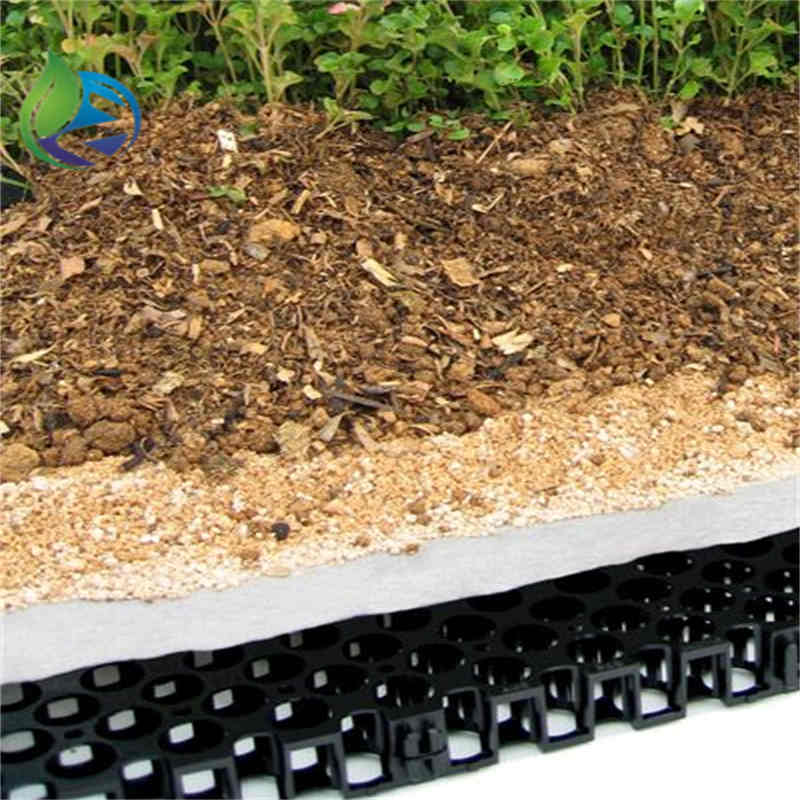
Green roofs and rooftop gardens
Plaza decks and podium slabs
Basement and retaining wall back drainage
Sports fields and landscape projects
Infrastructure tunnel crown drainage
Key Pain Points and Solutions
Poor drainage under heavy load: High compressive strength cell structure maintains permanent flow paths.
Uneven settlement of soil layers: Modular grid provides uniform load distribution.
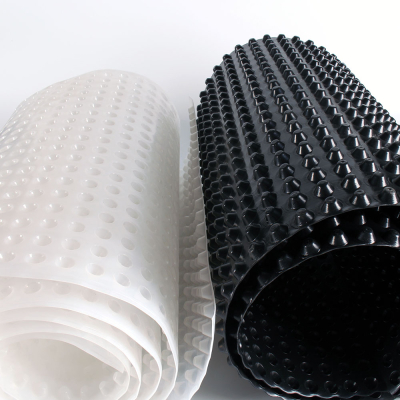
Clogging by fine particles: Compatible geotextile wraps prevent sediment intrusion.
Long installation time: Lightweight modular panels enable rapid on-site placement.
Risk Warnings and Mitigation Recommendations
Risk of collapse under overloading; select compressive grade according to structural design load.
Risk of UV degradation during prolonged outdoor storage; store under covers before installation.
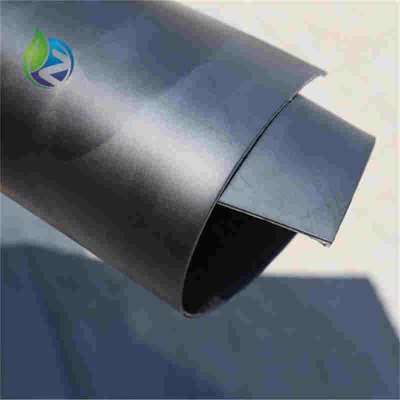
Risk of hydraulic blockage without filtration; always combine with nonwoven geotextile.
Risk of incorrect overlap; follow manufacturer joint connection and locking procedures.
Procurement and Selection Guide
Identify project load requirements in kPa and safety factors.
Confirm required drainage height based on rainfall and runoff calculations.
Select polymer type suitable for chemical and thermal environment.
Check compliance with relevant ASTM, EN or local building standards.
Request third-party test reports for compressive strength and creep.
Verify production capacity and mold consistency of the supplier.
Evaluate packaging type for international transport efficiency.
Engineering Case Example
In a commercial podium deck project, 30 mm Plastic Drainage Cell modules with compressive strength of 500 kPa were installed over a reinforced waterproofing membrane. A nonwoven geotextile layer was placed above the cells to prevent soil intrusion. Post-installation inspections confirmed stable surface drainage and no deformation under pedestrian and landscaping loads.
FAQ
Q1: What is the most common cell height?
A: 25–30 mm.Q2: Can Plastic Drainage Cell replace gravel?
A: Yes, in most structural drainage designs.Q3: Is it suitable for traffic loads?
A: Only high-strength grades are suitable.Q4: Does it require geotextile?
A: Yes, filtration layers are recommended.Q5: What is the typical panel size?
A: Commonly 500 × 500 mm.Q6: How is flow rate tested?
A: Constant head laboratory tests.Q7: Can it be cut on site?
A: Yes, using standard hand tools.Q8: What is the service life expectancy?
A: 30–50 years.Q9: Is recycled material acceptable?
A: Only if mechanical properties meet project standards.Q10: How are panels connected?
A: Snap-lock or overlap joint systems.
CTA
For formal quotation, technical drawings or project-specific engineering samples of Plastic Drainage Cell, provide your application details to receive professional technical support.
E-E-A-T Author Credentials
This technical document is prepared by a civil engineering materials specialist with over 15 years of experience in drainage system design, geosynthetics testing and EPC project material specification.