
From Tropical to Frigid Zones: How Do Geomembranes Adapt to Different Climates and Protect Diverse Ecosystems?
From Tropics to Tundra: How Geomembranes Adapt to Climates and Shield Ecosystems
Cruise through Thailand’s muggy rice fields, and you’ll likely overlook the thin liners along irrigation canals—hidden under mud and water, they’re hard at work stopping every drop from seeping into soggy soil. Fly north to Canada’s frozen mining lands, and beneath the snow, another layer blocks toxic waste from leaking into the permafrost that holds the land together. These are geomembranes, and they’re no “one-size-fits-all” fix. A membrane that survives 35°C (95°F) tropical humidity would shatter in -40°C (-40°F) blizzards. Yet these unassuming barriers adapt to nearly any climate, quietly protecting ecosystems from tropics to tundra. Let’s break down how geomembranes—especially the reliable workhorse, HDPE geomembrane—tackle nature’s harshest extremes, and why they’re becoming essential for safeguarding diverse environments.
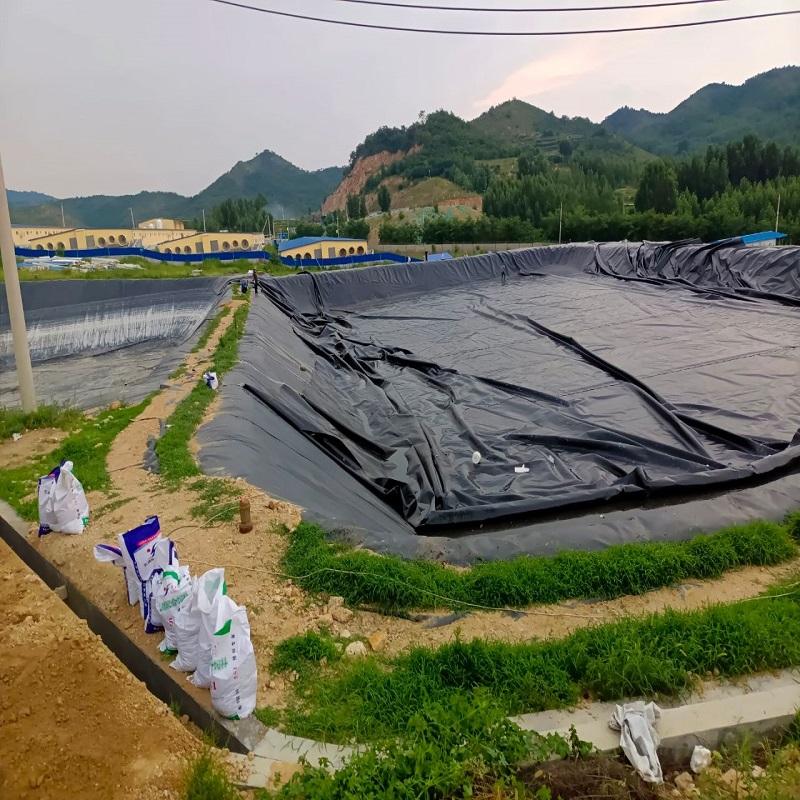
1. Tropics: Beating Humidity, Rains, and Blazing Sun
The tropics wreck most materials: sticky morning heat, afternoon downpours that flood fields, and all-day UV rays strong enough to fade paint or crack plastic. Most products fail here in months—but HDPE geomembrane is built to handle the chaos.
Kamal, who runs a palm oil plantation in central Malaysia, knows this firsthand. A few years back, his team stored irrigation water in simple dirt pits. “Every heavy rain eroded the pit edges,” he said, shaking his head. “Mud mucked up the water, so we spent days dredging. Then the sun evaporated so much we refilled pits twice a week.” Worse, fertilizer seeped through the dirt into groundwater—local villagers complained their tap water tasted odd, and tests traced it to the plantation’s chemicals.
They tried fixes: piling more dirt on pit edges, using cheap market plastic liners—but the dirt still eroded, the plastic melted, and the fertilizer kept leaking. A supplier suggested HDPE geomembrane. “I was skeptical—another plastic sheet?” Kamal admitted. But he had no choice, so he lined one small pit with it.
Within a month, the difference was clear. HDPE’s smooth surface stopped erosion (no more mud, no more dredging), slashed evaporation by 30% (only one refill every two weeks), and blocked fertilizer seepage. “Three months later, the village’s water was clean,” Kamal said. “Villagers even thanked us—we went from problem to solution.”
HDPE works here because it resists UV (unlike cheap plastic that turns brittle in a month), stays flexible through daily heat-cold swings (no cracking), and is fully waterproof (even weeks of rain won’t leak). “Best of all, it’s low-maintenance,” Kamal added. “We used to check pits daily; now we walk around once a month. It saved us time, money, and stress.”
2. Arid Regions: Saving Every Drop of Water
In deserts like Arizona or parts of Australia, water is as precious as gold. Droughts are common, and wasted drops spell crisis. Here, geomembranes aren’t just leak-stoppers—they’re lifelines.
Mia’s cattle ranch in western Australia faced this crisis. For years, she collected rainwater in dirt tanks, but dry soil soaked up so much water the tanks emptied weeks after rain. “We were forced to truck in water—thousands of dollars a month,” she said. “During bad droughts, I almost sold my cattle, my whole livelihood.”
A neighbor told her about HDPE geomembrane. “Could a plastic sheet hold water in this heat?” she wondered. But she had no options, so she lined three big tanks with HDPE. The results hit fast: tanks now hold water for months, even without rain. “We haven’t trucked in water in over a year,” Mia said. “Cows are healthy, and we saved enough to expand the ranch.”
HDPE shines in arid zones because it’s nearly impermeable (hardly any water seeps into soil), handles 49°C (120°F) heat without melting, and is light enough to haul to remote ranches. “In the desert, you need tough, easy-to-use, water-saving gear—and HDPE checks all boxes,” Mia said.
Towns benefit too: in parts of Arizona, HDPE-lined community tanks keep drinking water available for thousands during droughts. “We used to have summer water restrictions,” a local water official said. “Now, with HDPE, no restrictions are needed.”
3. Cold Climates: Surviving Freeze-Thaw Cycles
Cold regions like Canada, Scandinavia, or Russia test geomembranes: freezing and thawing crack weak materials. But HDPE is built for this cycle, making it top choice for mines and wastewater plants.
A gold mine in northern Canada learned this the hard way. It stored toxic waste in tailings ponds, where winter temps drop to -40°C. A few years back, a different membrane split when pond water froze and expanded—leaks contaminated a nearby lake, killing fish and landing the mine a huge fine. “We needed something that could handle freeze-thaw without breaking,” said Alex, the mine’s environmental manager.
They switched to HDPE, and the change was dramatic. HDPE stays flexible even frozen (no cracking when water expands) and resists tailings’ harsh chemicals. “Five winters later, not a single crack,” Alex said. “The lake’s clean, and we’ve had no environmental issues since.”
HDPE works here because it tolerates low temps (stays flexible when frozen), bends with ice (unlike rigid materials that crack), and resists frost heave (lightweight and flexible enough to move with shifting frozen soil). “Up north, you can’t use materials that crack in the cold,” Alex said. “HDPE’s the only reliable option.”
Wastewater plants in Scandinavia agree: HDPE-lined ponds stay intact all winter, no leaks into frozen ground. “We need something that works year-round,” a plant operator said. “HDPE never fails.”
4. Coastal Areas: Fighting Saltwater and Storms
Coastal regions face two threats: saltwater corrosion and storms like hurricanes. Geomembranes here need to resist salt and stand up to high winds and waves—and HDPE delivers, making it key for erosion control.
A small Florida town used HDPE to save its beach. For years, hurricanes and daily waves washed away sand—so much the beach nearly vanished. “Tourism’s our main industry,” said Lisa, the mayor. “Lose the beach, lose businesses, jobs, everything.”
The town brought in engineers, who suggested lining the beach edge with HDPE. Buried under sand, the liner stopped waves from pulling sand out to sea; small HDPE breakwaters absorbed wave energy. “Six months later, the beach started coming back,” Lisa said. “Now it’s bigger than 10 years ago—tourists are back, businesses thrive.”
HDPE works coastal areas because it resists saltwater (unlike metal that rusts or concrete that erodes), handles storm waves (even hurricanes don’t tear it), and bends with shifting sand (no cracking). “Coastal towns need something that fights salt and storms,” Lisa said. “HDPE’s the solution we needed.”
Fishermen in Asia benefit too: HDPE-lined ponds block saltwater intrusion. “We used to lose 20% of our fish to salt,” a Vietnamese fisherman said. “Now, no losses—profits are up 30%.”
5. The Future: Better HDPE for a Changing Climate
As climate change fuels worse heatwaves, colder winters, and stronger storms, makers are upgrading HDPE. One company’s developing a “climate-responsive” HDPE: it gets more flexible in freezes to avoid cracking, and more heat-resistant in spikes. “Our aim is a membrane that doesn’t just survive extreme climates; it thrives in them,” said Dr. Elena Marquez, the lead researcher. “Whether -40°C tundra or 50°C desert, it works.”
Sustainability is another focus: more companies use recycled plastic (old bottles, bags, scraps) to make HDPE. “Last year alone, we converted over 5 million pounds of recycled plastic into HDPE,” said Jamie Liu, a sustainability director. “These membranes work as well as new plastic—we cut waste and lower carbon footprints, no quality loss.” Some add plant-based additives to make HDPE easier to recycle later.
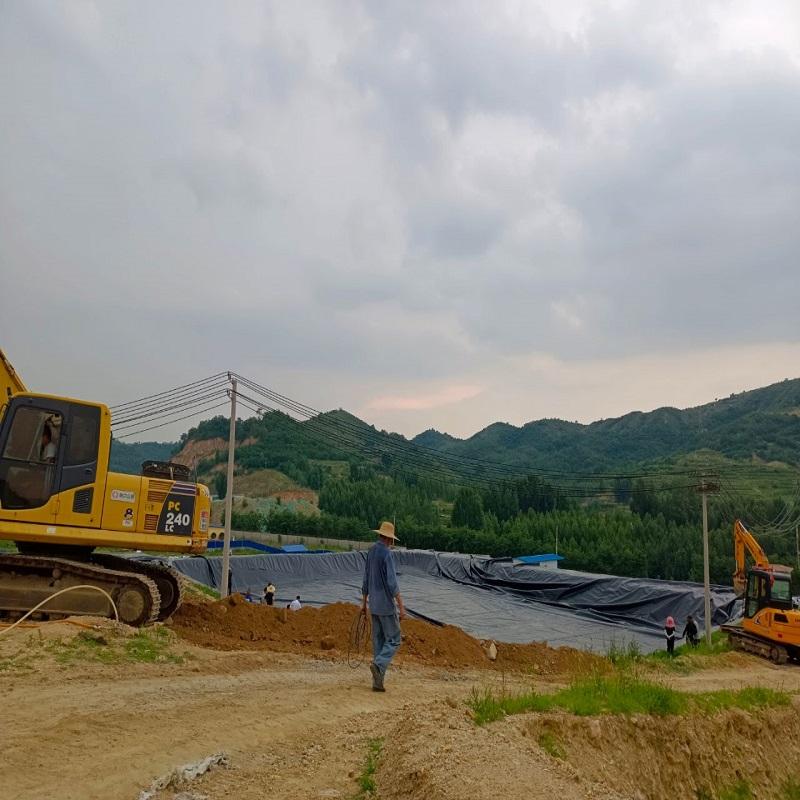
Accessibility matters too: an Australian firm made lightweight, rollable HDPE (15 pounds per roll) that two people can carry. Pre-sealed edges mean remote communities (Outback ranches, Amazon villages) can install it with a shovel and hammer—no heavy gear. “Ranchers in rural Queensland couldn’t get equipment to their tanks,” said CEO Mark Taylor. “Our HDPE changed that—they unroll it in a day. We want HDPE for anyone, anywhere.”
Why HDPE Is the Climate Solution We Need
At its core, HDPE geomembrane isn’t just plastic—it’s a tool to keep up with a changing planet. Tropics: locks water, blocks pollution. Arid zones: keeps ranches and towns alive. Cold regions: stops toxic leaks. Coasts: saves beaches and fisheries.
What makes it stand out? It’s tough, versatile, and affordable. With climate-responsive designs, recycled materials, and easy installation, it’s only getting better.
“We used to see geomembranes as just pond liners,” Alex said. “Now I know they’re protectors—keep ecosystems healthy, livelihoods safe, communities secure, even when weather goes crazy. In a world with normal extreme weather, that’s priceless.”
HDPE is the unsung hero of climate resilience. It doesn’t make headlines, but every day, it works: lining tanks in Africa, protecting mines in Canada, saving beaches in Florida, keeping ponds clean in Vietnam. It’s the invisible guardian we need—keeping our planet healthy and communities thriving, no matter the climate.


