
0.5mm High Hdpe Geomembrane
Manufacturing Process
The manufacturing of 0.5mm high HDPE geomembrane follows a continuous extrusion and calendering process under strict quality control.
HDPE resin drying and gravimetric batching
High-temperature extrusion melting
Flat die or blown film sheet formation
Precision thickness calibration
Surface cooling and stress stabilization
Online thickness and defect inspection
Roll cutting, labeling, and packaging
Key equipment includes twin-screw extruders, automatic thickness gauges, and infrared inspection systems.
Product Definition
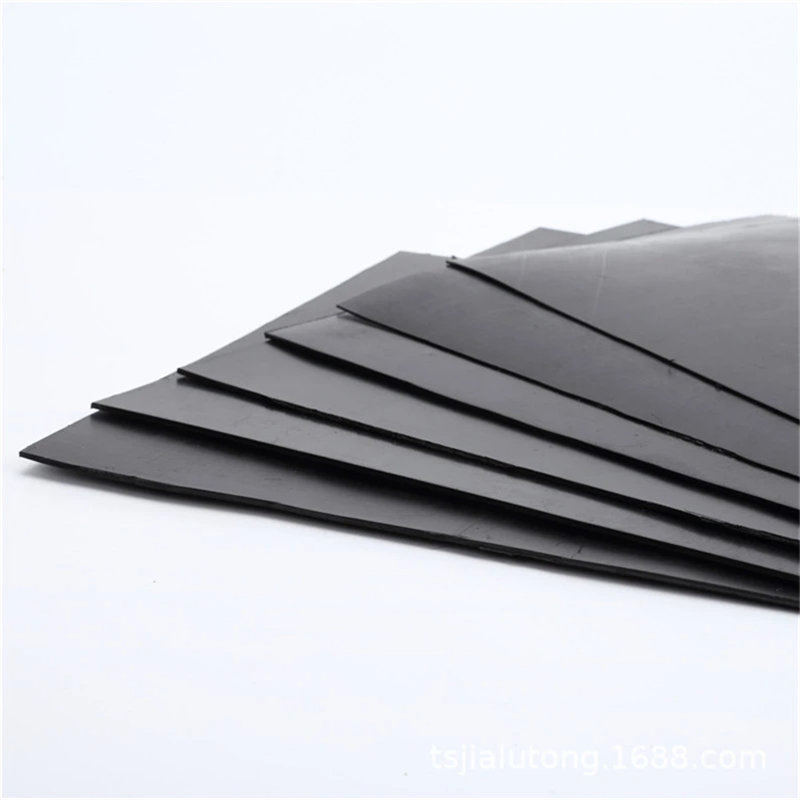
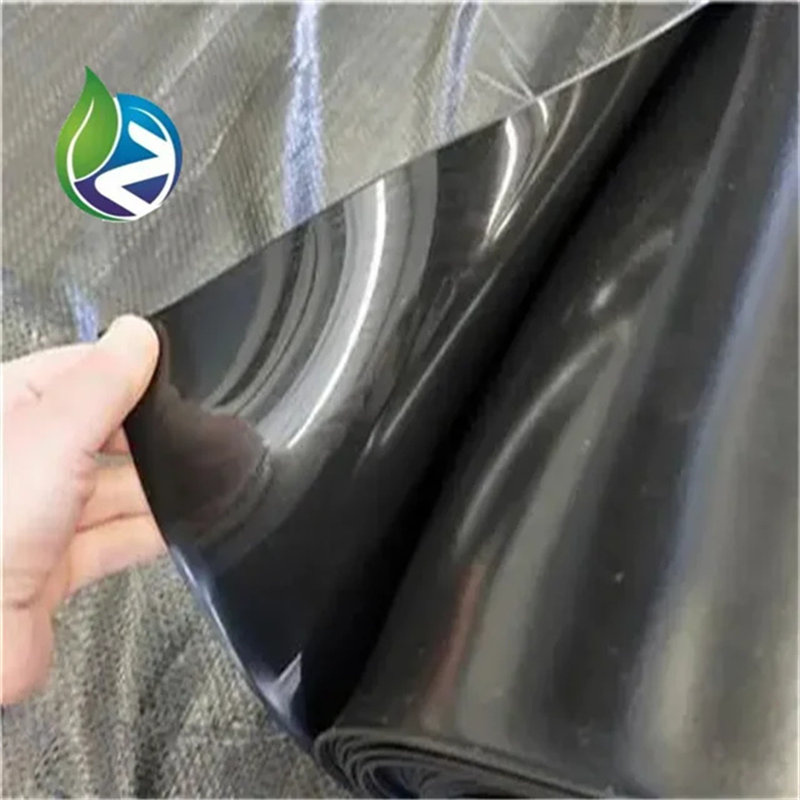
0.5mm High HDPE Geomembrane is a thin, flexible, impermeable geosynthetic liner manufactured from high-density polyethylene resin, designed for cost-effective containment, seepage control, and environmental protection in low to medium-risk engineering applications.
Technical Parameters and Specifications
The following parameters represent commonly accepted engineering ranges for 0.5mm high HDPE geomembrane used in civil and environmental projects.
Nominal thickness: 0.50 mm
Density: ≥0.94 g/cm³
Tensile strength at yield: ≥14 MPa
Elongation at break: ≥700%
Puncture resistance: ≥250 N
Carbon black content: 2.0–3.0%
Carbon black dispersion: Grade 1–2
Oxidative induction time (OIT): ≥100 min
Hydrostatic resistance: No leakage
Service temperature range: -40°C to +60°C
Structure and Material Composition
0.5mm high HDPE geomembrane adopts a homogeneous polymer structure optimized for flexibility and impermeability.
Base Polymer: Virgin high-density polyethylene (HDPE)
Stabilizer System: Carbon black for UV resistance
Antioxidants: Thermal and oxidative aging protection
Surface Type: Smooth (standard); optional textured on request
Manufacturing Process
The manufacturing of 0.5mm high HDPE geomembrane follows a continuous extrusion and calendering process under strict quality control.
HDPE resin drying and gravimetric batching
High-temperature extrusion melting
Flat die or blown film sheet formation
Precision thickness calibration
Surface cooling and stress stabilization
Online thickness and defect inspection
Roll cutting, labeling, and packaging
Key equipment includes twin-screw extruders, automatic thickness gauges, and infrared inspection systems.
Industry Comparison
| Material | Impermeability | Mechanical Strength | UV Resistance | Cost Level |
|---|---|---|---|---|
| 0.5mm HDPE geomembrane | High | Medium | High | Low |
| 0.75mm HDPE geomembrane | Very High | High | High | Medium |
| LDPE geomembrane | Medium | Low | Medium | Low |
| PVC liner | Medium | Low | Low | Medium |
Application Scenarios
0.5mm high HDPE geomembrane is widely used by distributors, EPC contractors, and engineering firms in projects requiring economical lining solutions.
Irrigation canals and water reservoirs
Aquaculture ponds and shrimp farms
Temporary water storage facilities
Landscaping ponds and artificial lakes
Light-duty landfill cover systems
Biogas digesters (secondary containment)
Core Pain Points and Engineering Solutions
Budget constraints: 0.5mm thickness reduces material and transport costs
Installation efficiency: Lightweight rolls enable faster deployment
UV exposure risk: Carbon black stabilization improves outdoor durability
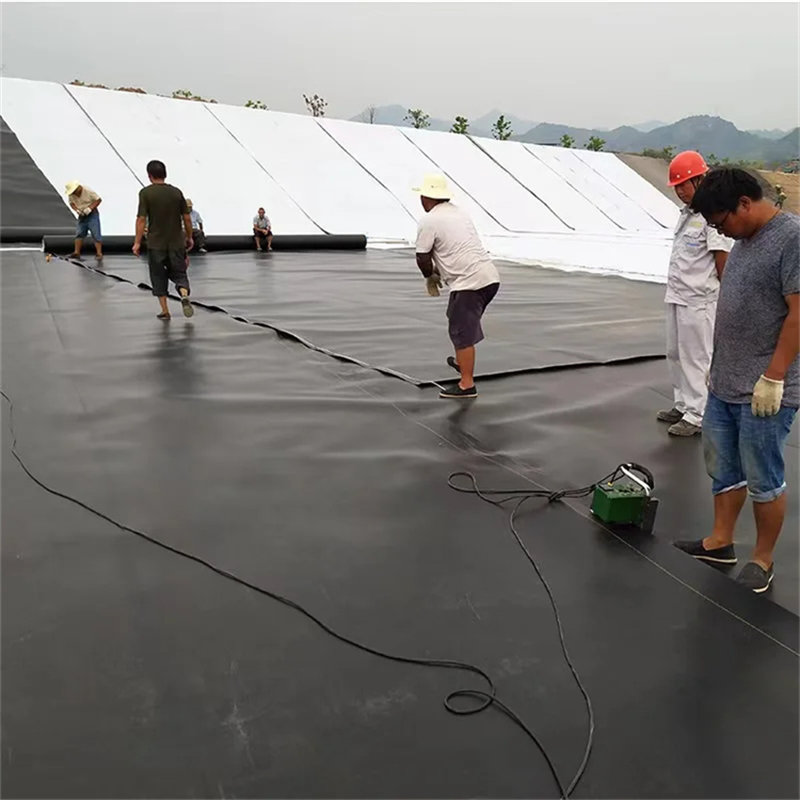
Leakage concerns: Heat-welded seams ensure continuous impermeability
Risk Warnings and Mitigation Recommendations
Despite its advantages, improper use of 0.5mm high HDPE geomembrane may introduce risks.
Risk of puncture on rough subgrade → require geotextile underlayment
Not suitable for high-head containment → evaluate thickness upgrade
Thermal expansion → allow slack during installation
Improper welding → conduct seam testing (air pressure or vacuum)
Procurement and Selection Guide
Confirm project containment risk level
Verify design head pressure and chemical exposure
Specify minimum resin and carbon black requirements
Request third-party test reports
Evaluate supplier production capacity and QC system
Assess logistics and roll dimensions
Plan installation and welding method in advance
Engineering Case Example
In a Southeast Asian aquaculture project, 0.5mm high HDPE geomembrane was installed over a 12,000 m² shrimp pond. With a nonwoven geotextile cushion layer and double-track hot wedge welding, the system achieved zero leakage after three operating seasons, while reducing liner costs by approximately 25% compared to thicker alternatives.
Frequently Asked Questions (FAQ)
Q1: Is 0.5mm HDPE suitable for landfill base liners?
A: Only for temporary or low-risk applications.Q2: Can it be exposed to sunlight?
A: Yes, with adequate carbon black content.Q3: What welding method is recommended?
A: Hot wedge welding.Q4: Does thickness tolerance matter?
A: Yes, uniform thickness ensures performance.Q5: Can it resist chemicals?
A: Suitable for mild acids and alkalis.Q6: Is textured surface necessary?
A: Only for slope stability requirements.Q7: What roll width is common?
A: 5–8 meters.Q8: How long is service life?
A: 10–20 years depending on exposure.Q9: Is third-party testing required?
A: Strongly recommended.Q10: Can it be repaired on site?
A: Yes, using extrusion welding patches.
Call to Action
For pricing, technical datasheets, or project-specific recommendations related to 0.5mm high HDPE geomembrane, please submit your application details to request a formal quotation, samples, or engineering support.
E-E-A-T Author Credentials
This article is authored by geosynthetics engineers with over a decade of experience in HDPE geomembrane manufacturing, quality control, and international civil engineering applications, supporting EPC contractors and importers across water, environmental, and infrastructure sectors.