
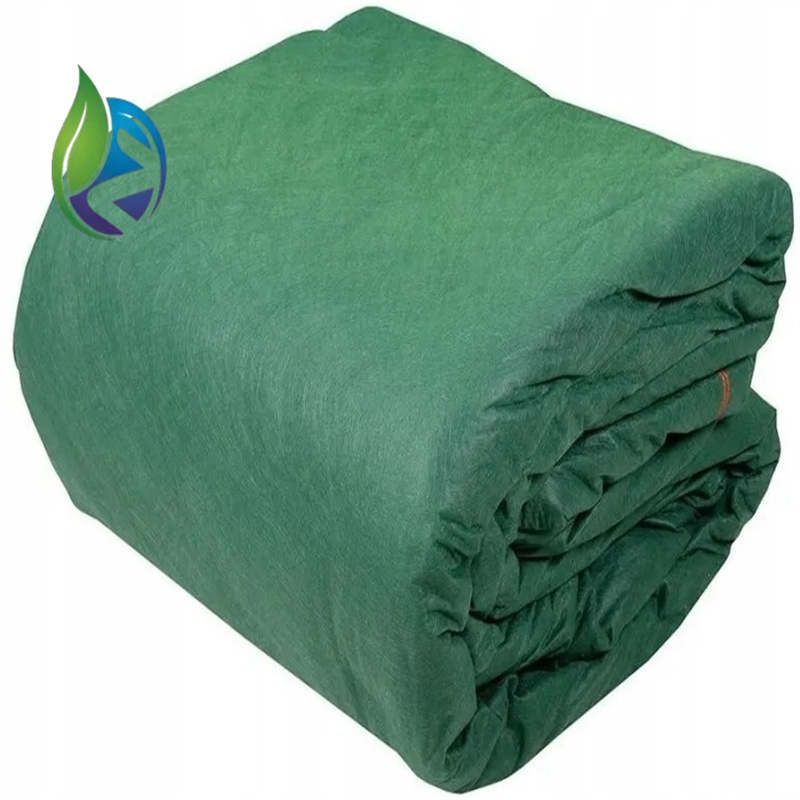


Hay Cover Tarp
Manufacturing Process
The production of hay cover tarp follows standardized industrial steps to ensure consistency and durability.
Polymer granule selection and compounding
Tape extrusion and stretching
Circular or flat weaving of base fabric
LDPE/LLDPE lamination on one or both sides
UV stabilizer integration during coating
Cutting to size and edge reinforcement
Eyelet installation and final inspection
Product Definition: Hay Cover Tarp
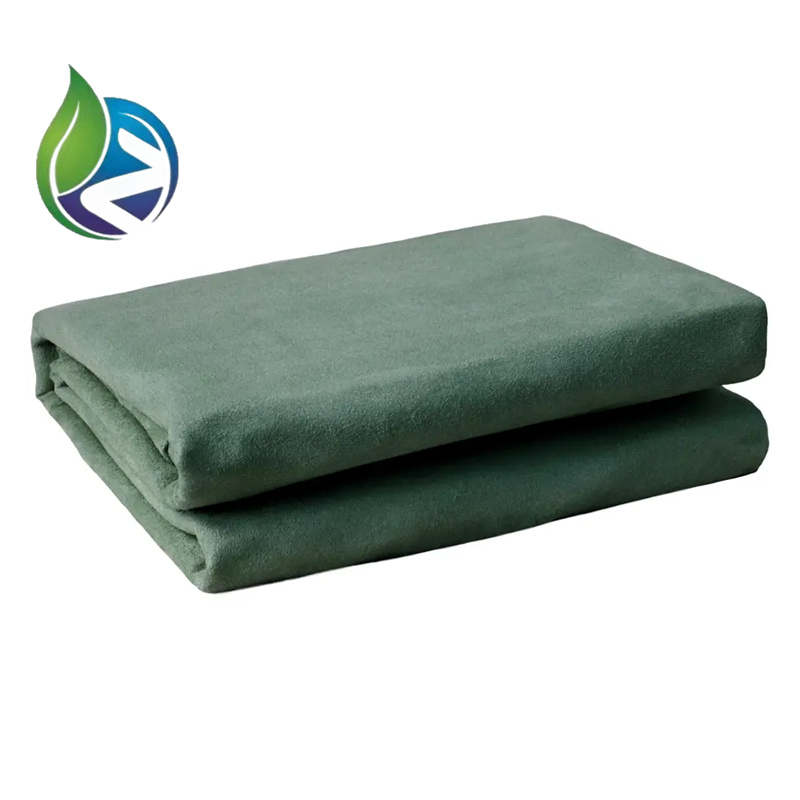
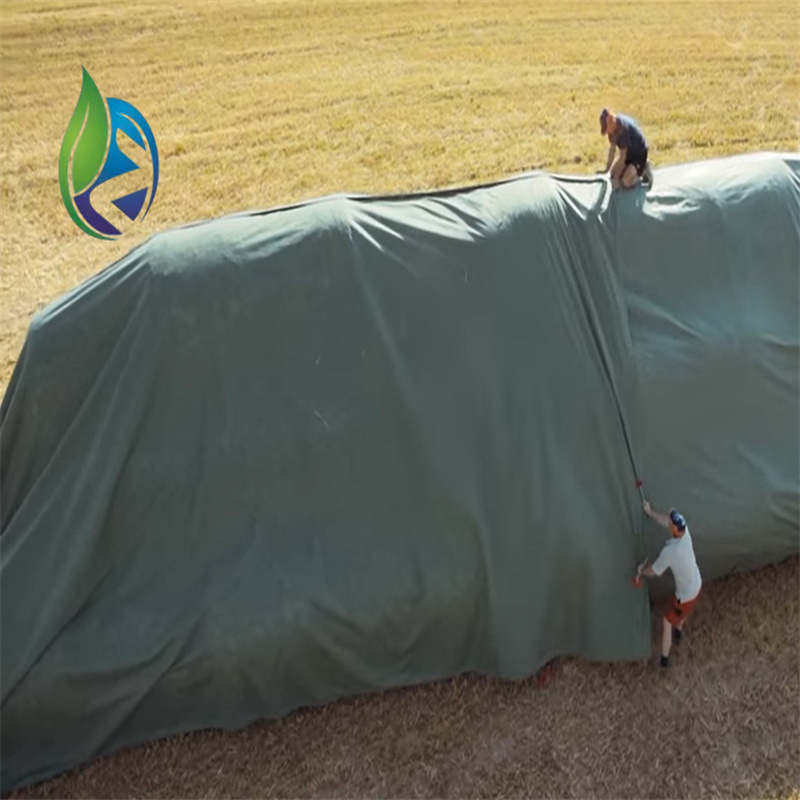
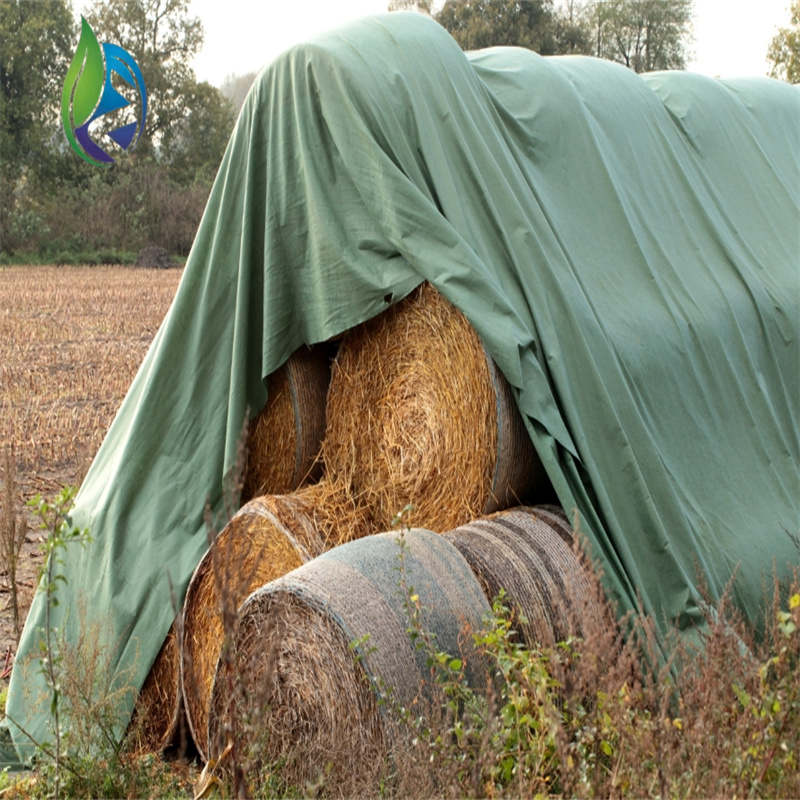
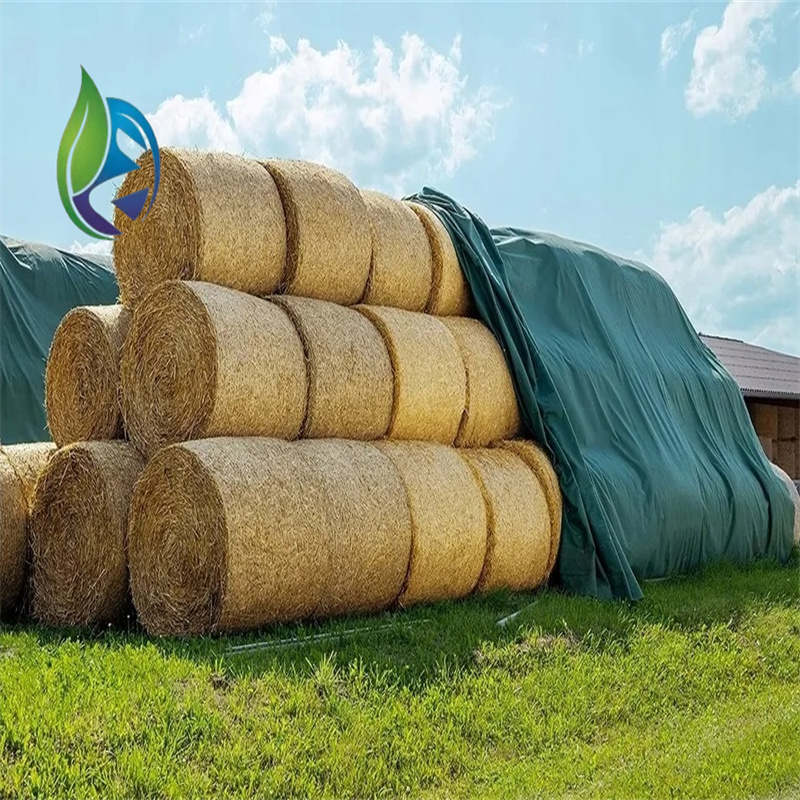
A Hay Cover Tarp is a heavy-duty protective textile engineered to shield baled hay and forage from rain, UV radiation, wind, and moisture ingress during outdoor storage. It is designed to preserve nutritional value, reduce spoilage losses, and extend storage life under varying climatic conditions.
Technical Parameters and Specifications
Commercial-grade hay cover tarp systems are specified based on mechanical strength, weather resistance, and service life.
Base material: Woven HDPE or PP fabric
Coating: LDPE or LLDPE laminated coating
Fabric weight: 140–300 g/m²
Finished tarp weight: 180–420 g/m²
Tensile strength: ≥900 N/5 cm (warp & weft)
Tear resistance: ≥120 N
UV resistance: 12–36 months (accelerated aging)
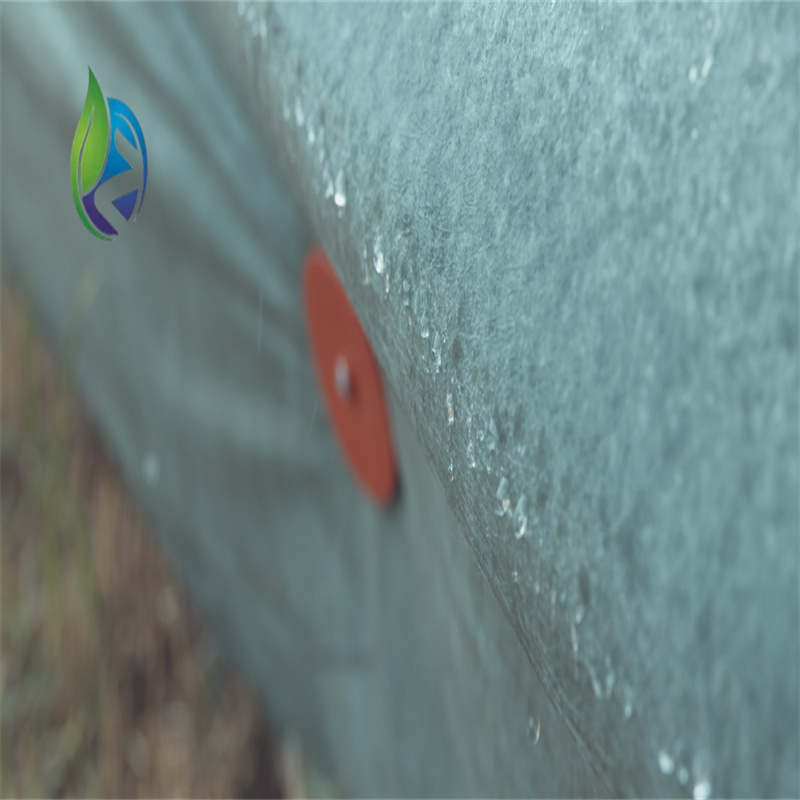
Waterproof rating: ≥1500 mm hydrostatic head
Operating temperature: −30°C to +70°C
Structure and Material Composition
A hay cover tarp is a multi-layer engineered textile optimized for outdoor agricultural use.
Woven Base Fabric: Provides tensile strength and dimensional stability
Polyethylene Coating: Ensures water resistance and surface durability
UV Stabilizer Package: Protects against sunlight degradation
Reinforced Edges: Heat-sealed hems with webbing or rope reinforcement
Fixing System: Aluminum eyelets or welded loops for anchoring
Manufacturing Process
The production of hay cover tarp follows standardized industrial steps to ensure consistency and durability.
Polymer granule selection and compounding
Tape extrusion and stretching
Circular or flat weaving of base fabric
LDPE/LLDPE lamination on one or both sides
UV stabilizer integration during coating
Cutting to size and edge reinforcement
Eyelet installation and final inspection
Industry Comparison
| Cover Type | Water Resistance | UV Protection | Service Life | Cost Efficiency |
|---|---|---|---|---|
| Hay Cover Tarp (HDPE) | Excellent | High | 2–3 Years | High |
| Canvas Cover | Low | Low | <1 Year | Low |
| Plastic Sheet (Thin PE) | Moderate | Very Low | 3–6 Months | Medium |
| Permanent Shed | Excellent | Excellent | 20+ Years | Very Low |
Application Scenarios
Hay cover tarp systems are widely used across agricultural supply chains.
Large-scale hay bale outdoor storage yards
Dairy farms and livestock operations
Forage exporters and distributors
Agricultural EPC storage projects
Seasonal emergency feed stockpiles
Core Pain Points and Engineering Solutions
Moisture penetration: Use double-sided coated hay cover tarp with sealed seams
UV degradation: Specify UV-stabilized fabric with verified aging data
Wind uplift: Apply reinforced hems and dense eyelet spacing
Mold and spoilage: Design sloped stacking and breathable ventilation gaps
Risk Warnings and Mitigation Advice
Improper tarp selection or installation can lead to forage quality loss.
Avoid undersized tarps that expose bale edges
Do not install over sharp bale corners without padding
Ensure proper anchoring to prevent wind abrasion
Inspect UV degradation annually and replace when needed
Procurement and Selection Guide
Identify bale size, stacking height, and layout
Determine local climate exposure (rainfall, UV index)
Select appropriate fabric weight and coating type
Confirm UV resistance and waterproof test data
Choose edge reinforcement and fixing configuration
Evaluate supplier quality control and batch consistency
Plan logistics and packaging for large tarp dimensions
Engineering Application Case
In a 15,000-ton forage storage project for a dairy cooperative, custom-sized hay cover tarp units (260 g/m²) were deployed over stacked round bales. Reinforced edges and ground anchoring reduced spoilage rates by over 30% compared with uncovered storage.
Frequently Asked Questions
Q1: How long does a hay cover tarp last? A: Typically 2–3 years with UV stabilization.
Q2: Is the tarp completely waterproof? A: Yes, when properly installed.
Q3: Can tarps be reused? A: Yes, if structural integrity remains intact.
Q4: What size options are available? A: Standard and custom dimensions.
Q5: Are seams heat sealed? A: Yes, for industrial-grade tarps.
Q6: Can tarps resist snow load? A: Yes, when slope and tension are adequate.
Q7: Do tarps allow ventilation? A: Indirectly through stacking design.
Q8: How are tarps fixed to the ground? A: Ropes, straps, or weighted systems.
Q9: Are fire-retardant versions available? A: Available upon specification.
Q10: What standards apply? A: ISO and internal agricultural textile standards.
Call to Action
For bulk procurement of hay cover tarp, technical datasheets, customized dimensions, or engineering samples, procurement teams and distributors are encouraged to request a formal quotation and specification package.
E-E-A-T Author Credentials
This article is prepared by an agricultural materials engineering specialist with long-term experience supporting forage storage projects, farm operators, and international distributors in selecting protective textile systems.