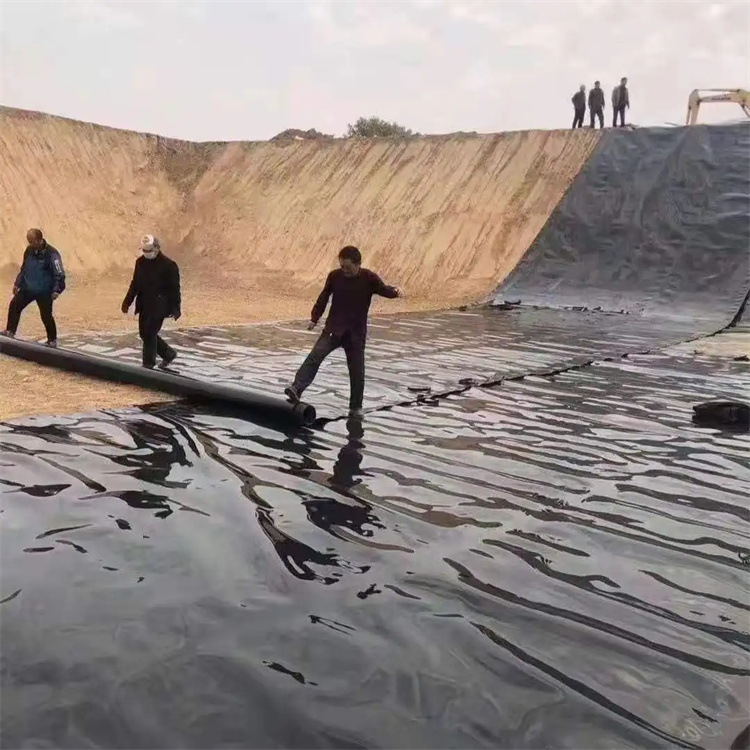
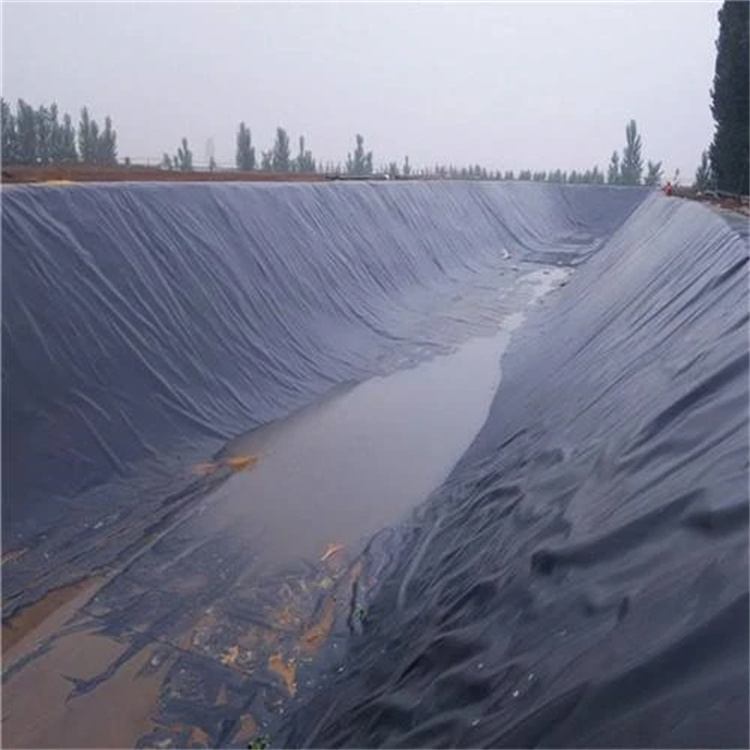
Geomembrane for Fish Pond Culture
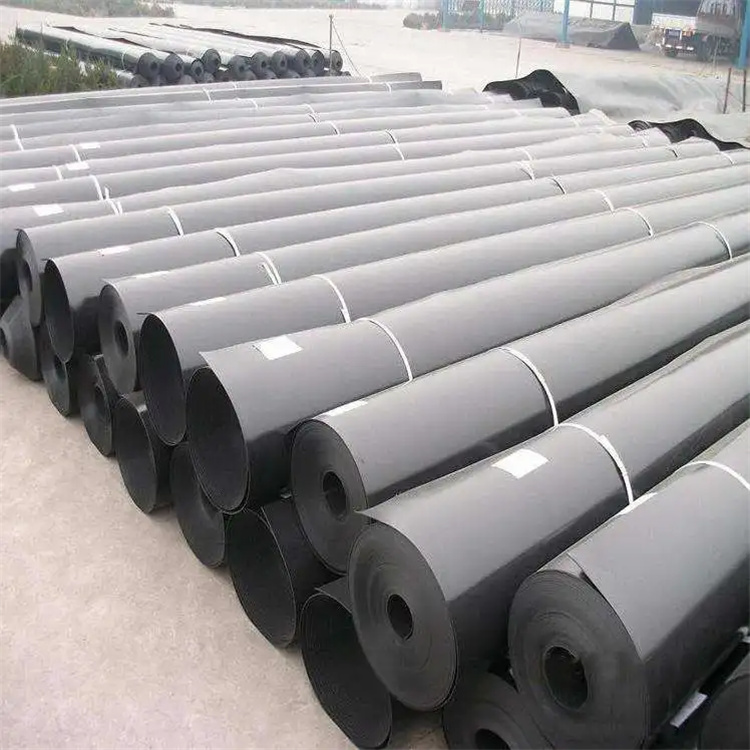
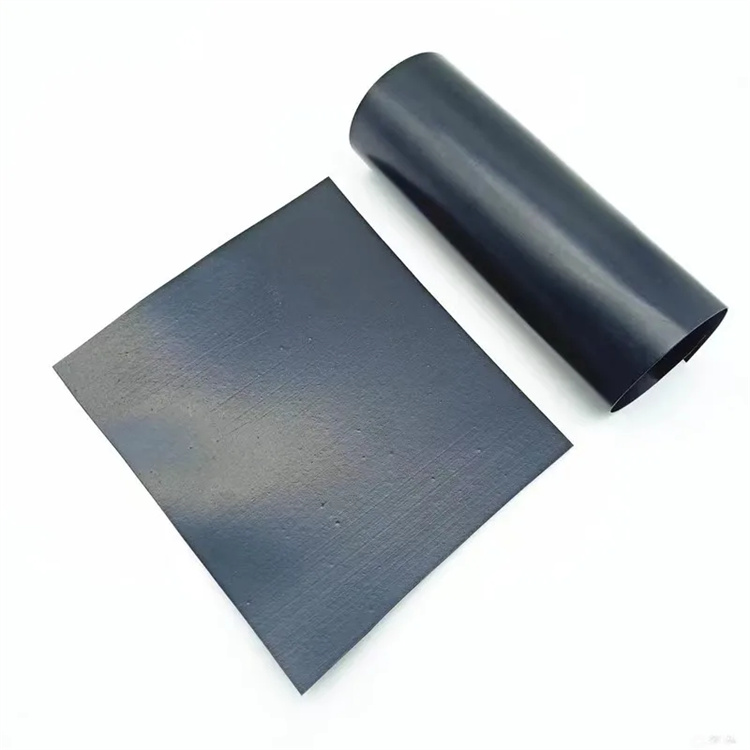
High density polyethylene geomembrane.
The thickness is 0.3-3.0mm, the width is 3-8 meters, the length can be determined according to the engineering design and customer requirements, with excellent low temperature resistance, anti-aging, corrosion resistance, and the use of a wide range of temperature, long service life and other characteristics.
Support bulk ordering with favorable prices.
Support ODM/OEM.
The factory has stock and fast delivery.
Delivery Time: 10-20 working days
Minimum Order Quantity: 300 square meters
Payment Term: 30% T/T Deposit, 70% T/T Before Shipping
In modern aquaculture, geomembrane for fish pond culture has emerged as a game-changer. Whether you're operating a small backyard fish pond or a large-scale commercial fish farm, using a high-quality geomembrane can significantly enhance water retention, prevent leakage, reduce maintenance, and promote healthy fish growth. This article dives deep into the benefits, materials, installation process, and considerations when choosing the best geomembrane for fish pond culture.
What is Geomembrane for Fish Pond Culture?
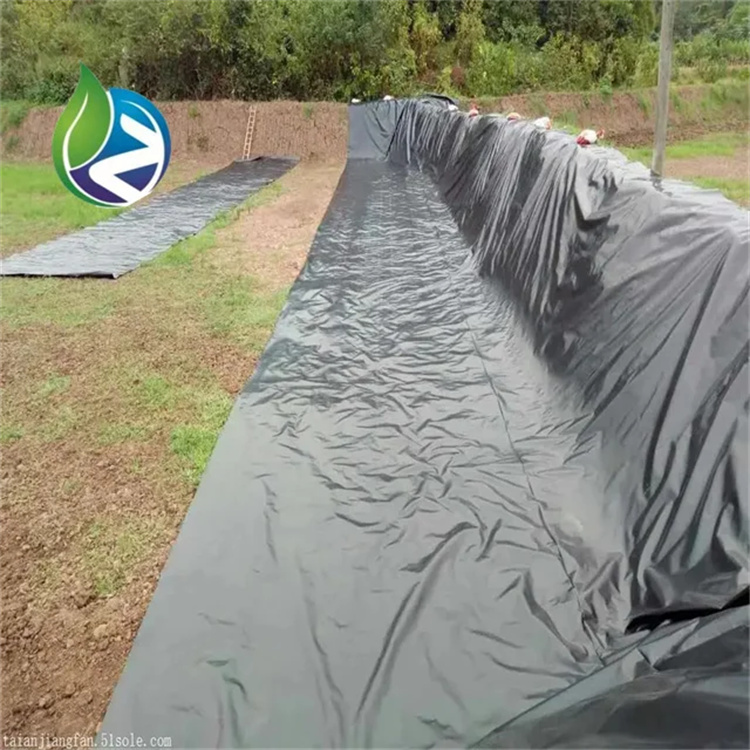
A geomembrane for fish pond culture is a synthetic membrane liner used to line fish ponds and other water-retaining structures. Made from materials like HDPE (High-Density Polyethylene), LDPE (Low-Density Polyethylene), or PVC, geomembranes serve as a waterproof barrier to prevent seepage, contamination, and water loss.
Why Use Geomembrane for Fish Pond Culture?
The use of geomembrane for fish pond culture offers numerous benefits:
1. Superior Water Retention
Water is the lifeblood of aquaculture. Geomembranes ensure excellent waterproofing, preventing losses due to seepage. This stability is crucial for maintaining consistent water quality.
2. Prevention of Soil Contamination
Unlined ponds are susceptible to the leaching of harmful chemicals or waste into the soil. A geomembrane for fish pond culture acts as a barrier, ensuring a clean and healthy environment for aquatic life.
3. Improved Fish Health and Productivity
A clean and controlled aquatic environment minimizes disease risk. With geomembrane for fish pond culture, there are fewer parasites, pathogens, and organic contaminants in the water.
4. Long Lifespan and Cost Savings
Modern geomembranes are UV-resistant, anti-aging, and chemically stable, lasting 10–15 years or more. This durability makes geomembrane for fish pond culture a cost-effective long-term solution.
5. Easy Cleaning and Maintenance
Unlike soil-bottomed ponds, geomembrane-lined ponds are easier to clean and disinfect, which enhances biosecurity and facilitates better management practices.
Best Materials for Geomembrane in Fish Pond Culture
When selecting a geomembrane for fish pond culture, consider the following materials:
HDPE (High-Density Polyethylene): Most common, highly durable, and resistant to UV rays and chemicals.
LDPE (Low-Density Polyethylene): More flexible but slightly less durable.
PVC (Polyvinyl Chloride): Flexible and easy to install, but with shorter lifespan in UV exposure.
LLDPE (Linear Low-Density Polyethylene): Combines flexibility with moderate durability.
Each of these materials serves different pond sizes, budgets, and environmental conditions, but HDPE is often the top choice for commercial fish pond culture due to its strength and longevity.
Installation Tips for Geomembrane for Fish Pond Culture
Installing a geomembrane for fish pond culture requires precision. Here's a step-by-step guide:
Site Preparation: Remove rocks, sharp objects, and debris. Level and compact the soil base.
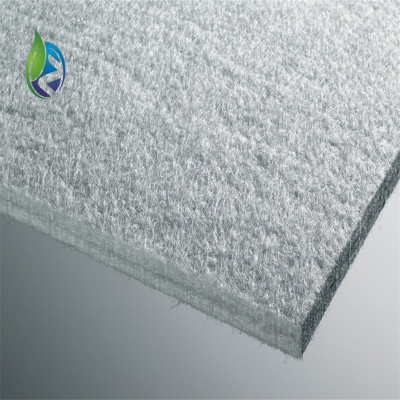
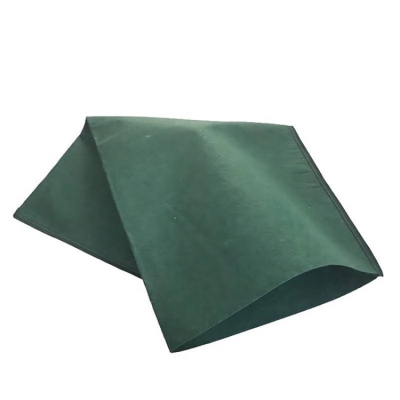
Underlayment (optional but recommended): Use a geotextile fabric beneath the geomembrane to protect against punctures.
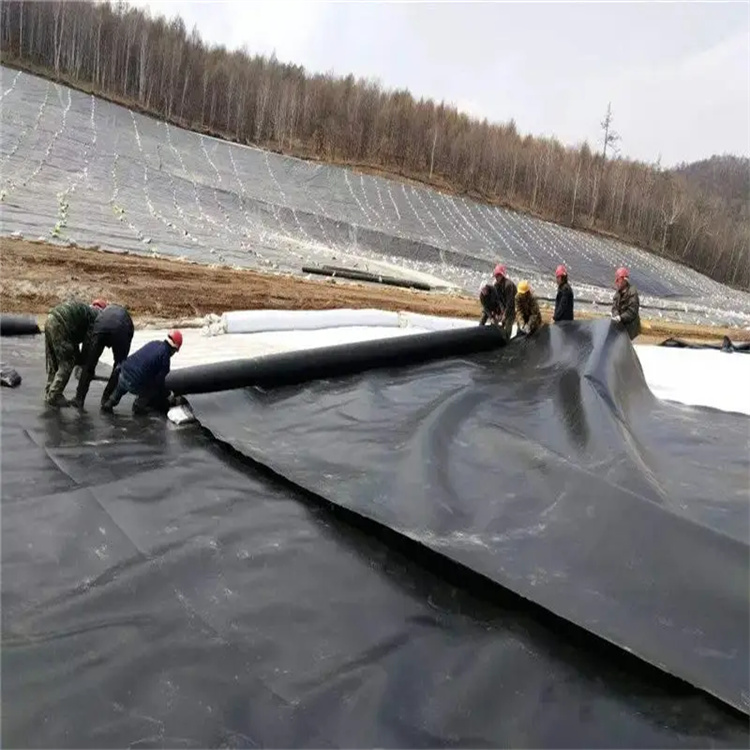
Liner Placement: Unroll the geomembrane carefully, allowing it to adjust to pond shape and contours.
Seaming and Welding: Overlap and weld adjacent sheets using hot wedge or extrusion welding.
Anchor the Edges: Secure the liner in anchor trenches around the pond perimeter.
Filling and Inspection: Slowly fill with water while inspecting for leaks or shifting.
Choosing the Right Geomembrane for Fish Pond Culture
When selecting a geomembrane for fish pond culture, keep the following in mind:
Thickness: Choose thickness according to pond size and expected mechanical stress. Common options range from 0.5mm to 2.0mm.
UV and Chemical Resistance: Essential for outdoor exposure and water with varying pH or chemical treatments.
Food-Grade Certification: Ensure the liner is safe for aquaculture use.
Service Support: Buy from manufacturers who offer installation guidance, warranties, and technical support.
Where to Buy the Best Geomembrane for Fish Pond Culture
For those seeking durable, eco-friendly, and cost-effective geomembrane for fish pond culture, it’s vital to partner with a reputable manufacturer. Leading geomembrane suppliers offer customizable solutions based on pond size, fish species, and regional climate.
When searching online, prioritize vendors with proven customer reviews, ISO certifications, and detailed product specifications. Some companies also provide on-site support, free samples, and quick delivery, ensuring you get the best value for your investment.
Final Thoughts
A geomembrane for fish pond culture is not just a lining—it’s the foundation of sustainable and profitable aquaculture. By ensuring water conservation, environmental protection, and fish health, it drastically reduces long-term operational costs and maximizes yield.
If you're serious about fish farming, investing in a high-quality geomembrane for fish pond culture is a step toward efficiency, biosecurity, and lasting success.
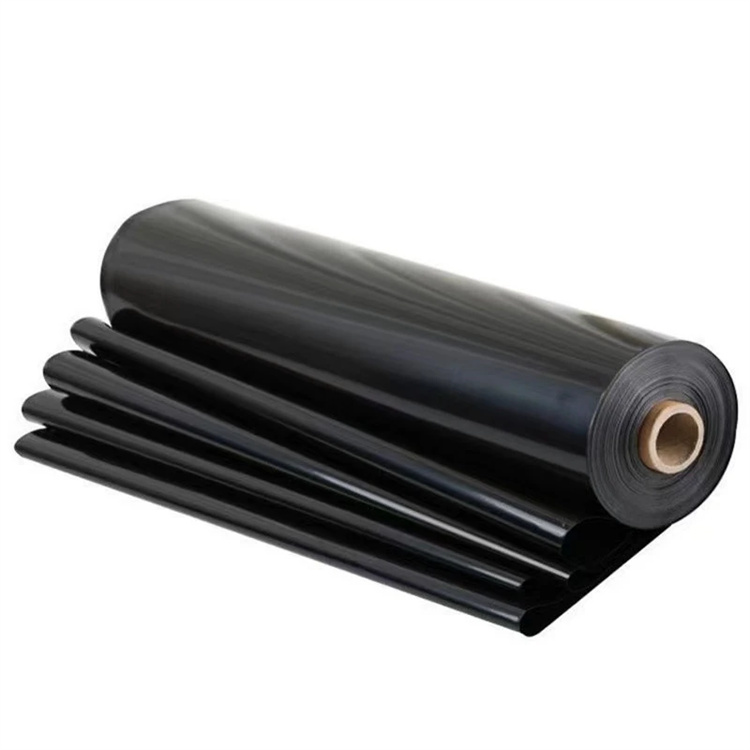
Precautions for geomembrane laying:
Preliminary preparation:
1. Fish pond cleaning: It is necessary to drain the water in the fish pond, and then thoroughly remove the silt, stones and various debris to ensure the smoothness of the pond bottom.
2. Soil treatment: The pond bottom and slope are tamped and leveled, and if necessary, soil improvement is required to optimize its performance.
3. Soil preparation: Evenly lay a layer of clay about 15-20 cm thick on the bottom of the pond and slope after treatment, and use mechanical equipment for compaction treatment.
Construction procedure
1. First, measure and cut. According to the exact size and shape of the fish pond, the detailed measurement is carried out, and then the impermeable film is cut and spliced to ensure that the width of the lap part between each film is at least 15 cm.
2. The next step is to lay the impermeable film. The cut film is laid on the previously prepared clay layer, usually with a thickness between 0.3mm and 0.6mm, with 0.4mm and 0.5mm being the most common thicknesses.
3. The last part is fixation and protection. Using special adhesive or welding equipment, the impermeable film is firmly fixed on the base. In order to ensure the stability of the slope, grass can be sown on the slope to protect the slope through the turf.
Follow-up maintenance points
After the construction of the impermeable membrane is completed, care must be taken to avoid walking on the surface of the membrane or moving objects to avoid damage to the impermeable membrane.
In addition, it is vital to check the state of the impermeable membrane regularly, and repair work should be carried out immediately once damage or holes are found. At the same time, in order to ensure the durability of the impermeable film, it should be avoided to be exposed to strong sunlight for a long time. By following these follow-up maintenance points, you can ensure that the impermeable membrane is always in good condition, thus giving full play to its impermeable effect, extending its service life and reducing maintenance costs.