LDPE Agricultural Geomembrane
Manufacturing Process
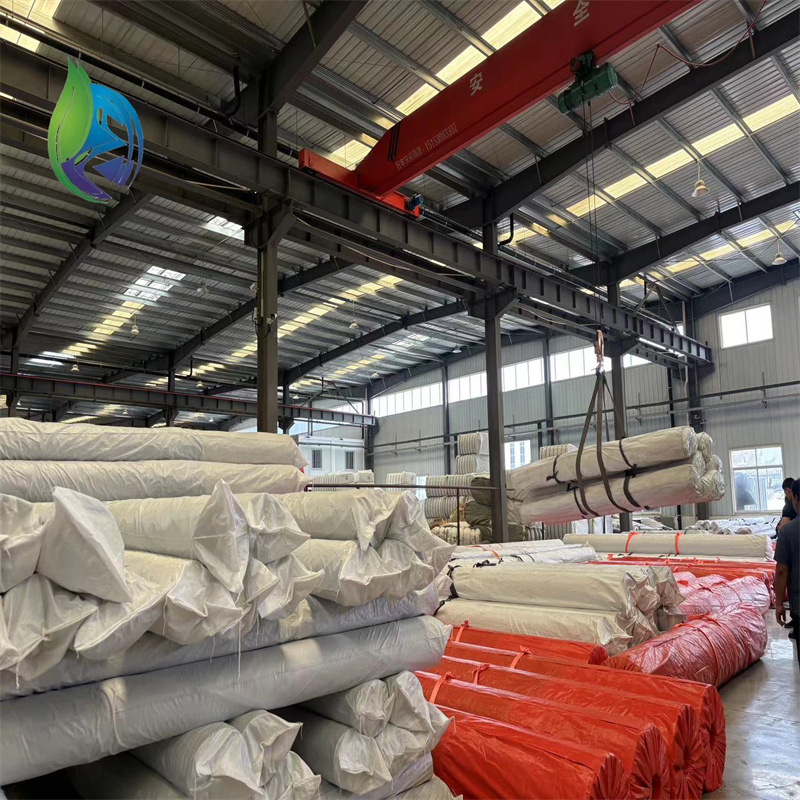
LDPE Agricultural Geomembrane is produced using controlled industrial extrusion processes to ensure consistent quality.
Incoming raw material inspection and formulation design
Automatic batching and gravimetric feeding
High-temperature flat-die or blown-film extrusion
Online thickness monitoring and surface inspection
Controlled cooling and calendering
Edge trimming and roll winding
Finished product testing for mechanical and physical properties
Product Definition
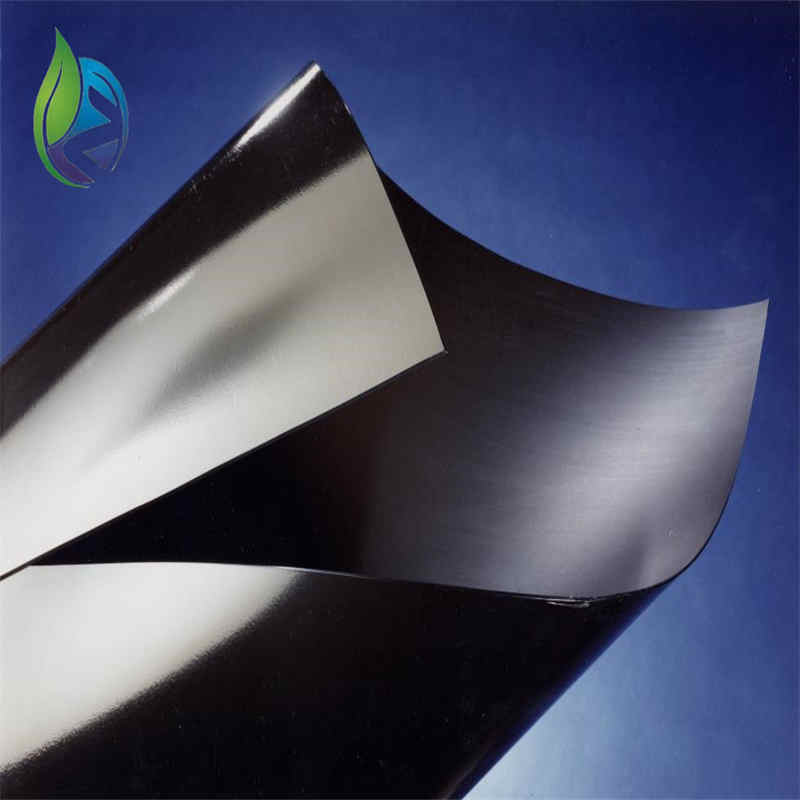
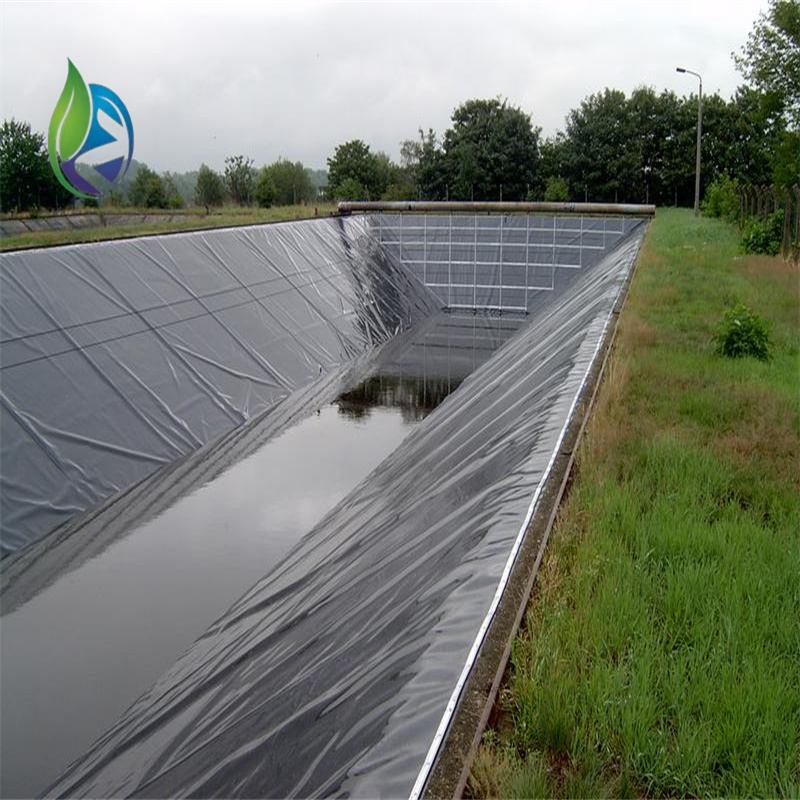
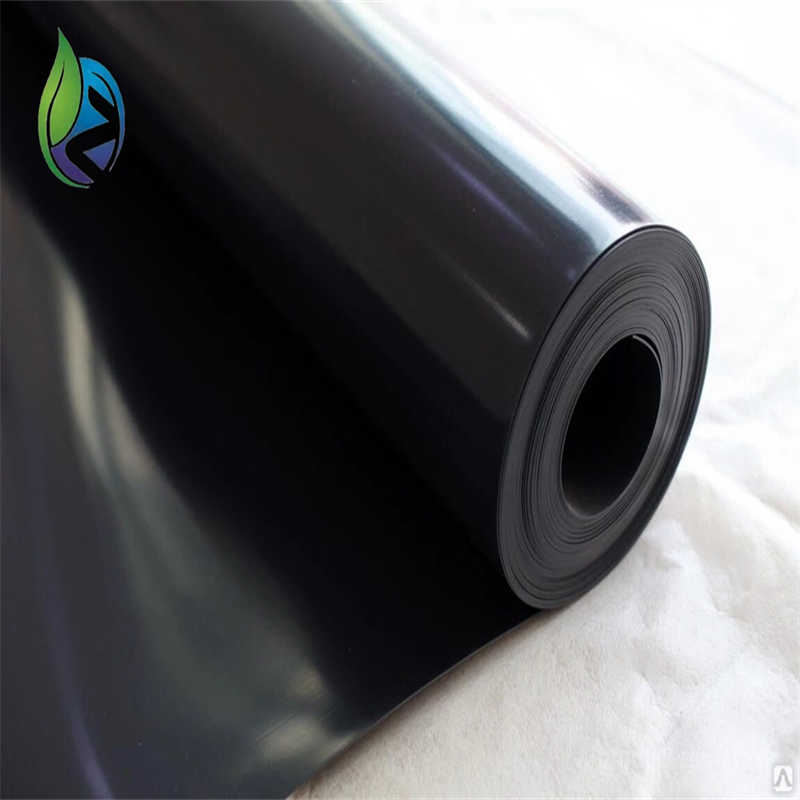
LDPE Agricultural Geomembrane is a low-density polyethylene impermeable liner engineered specifically for agricultural water management, soil protection, and containment applications, offering high flexibility, chemical stability, and long-term resistance to outdoor environmental exposure.
Technical Parameters and Specifications
LDPE Agricultural Geomembrane is designed to meet practical agricultural engineering requirements while maintaining consistent physical performance.
Thickness Range: 0.3 mm – 2.0 mm
Density: 0.915 – 0.930 g/cm³
Tensile Strength at Yield: ≥ 8 MPa
Tensile Strength at Break: ≥ 10 MPa
Elongation at Break: ≥ 600%
Puncture Resistance: ≥ 250 N
Tear Resistance: ≥ 120 N
Carbon Black Content: 2.0% – 3.0%
UV Resistance: ≥ 80% strength retention after accelerated aging
Service Temperature Range: -40°C to +60°C
Standard Roll Width: 4.0 m – 8.0 m
Roll Length: 50 m – 200 m
Structure and Material Composition
The material structure of LDPE Agricultural Geomembrane prioritizes flexibility and durability under variable soil and climate conditions.
LDPE Base Resin: Virgin low-density polyethylene for uniform mechanical behavior
Carbon Black: Provides UV stabilization and weathering resistance
Antioxidants: Delay thermal and oxidative degradation during service life
Processing Additives: Improve extrusion stability and thickness consistency
Manufacturing Process
LDPE Agricultural Geomembrane is produced using controlled industrial extrusion processes to ensure consistent quality.
Incoming raw material inspection and formulation design
Automatic batching and gravimetric feeding
High-temperature flat-die or blown-film extrusion
Online thickness monitoring and surface inspection
Controlled cooling and calendering
Edge trimming and roll winding
Finished product testing for mechanical and physical properties
Industry Comparison
| Material | Flexibility | UV Resistance | Chemical Stability | Relative Cost | Typical Agricultural Use |
|---|---|---|---|---|---|
| LDPE Agricultural Geomembrane | High | Good | Good | Medium | Ponds, canals, reservoirs |
| HDPE Geomembrane | Moderate | Excellent | Excellent | Medium-High | Large reservoirs, waste ponds |
| LLDPE Geomembrane | Very High | Good | Good | Medium | Uneven agricultural terrain |
| PVC Liner | Very High | Moderate | Moderate | Low-Medium | Small decorative ponds |
Application Scenarios
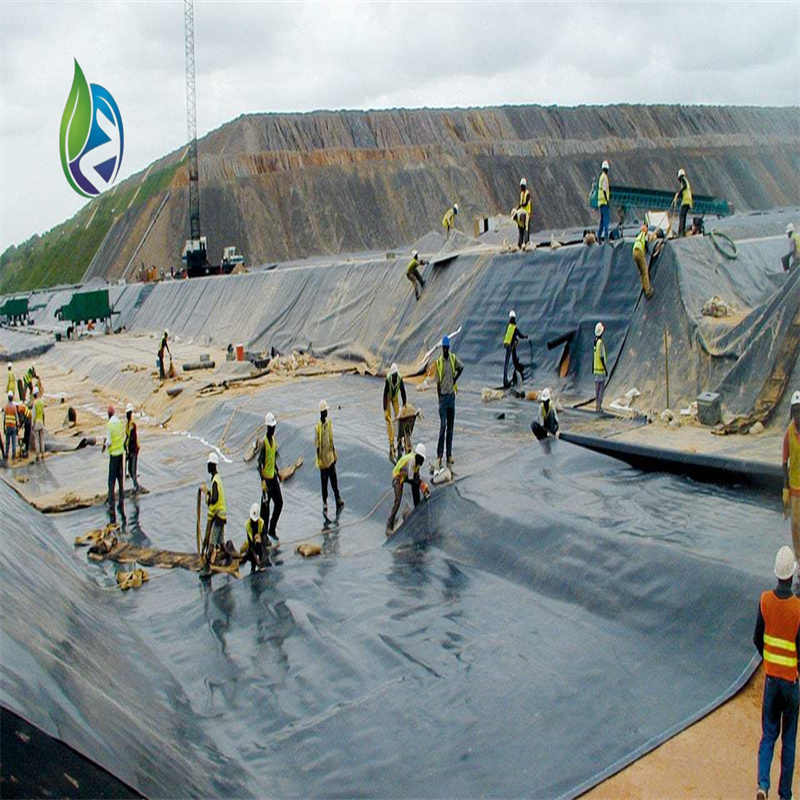
LDPE Agricultural Geomembrane is widely used by agricultural distributors, EPC contractors, and engineering teams in:
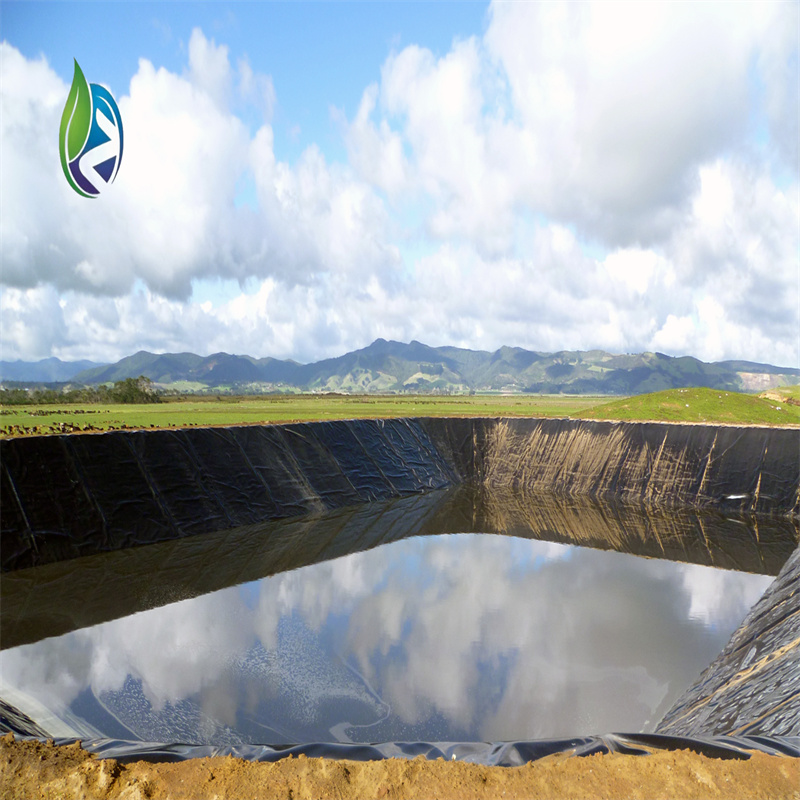
Irrigation water storage ponds and farm reservoirs
Agricultural canal lining and seepage control
Aquaculture ponds and fish farming systems
Biogas digesters and manure containment
Soil moisture conservation systems
Greenhouse water and nutrient containment
Core Engineering Pain Points and Solutions
Water seepage losses: Continuous impermeable barrier minimizes leakage
Uneven or soft subgrade: High elongation accommodates settlement
UV exposure: Stabilized formulation ensures outdoor durability
Complex installation geometry: Flexible sheets adapt to slopes and curves
Risk Warnings and Mitigation Recommendations
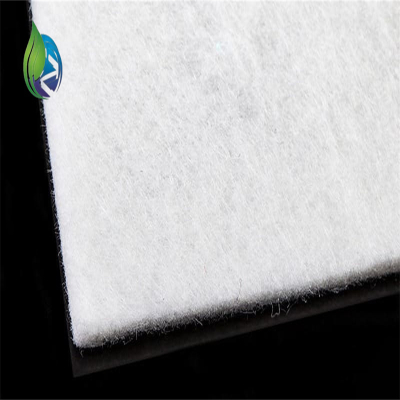
Install cushioning geotextiles over rocky or angular subgrades
Avoid dragging liner sheets across rough ground during installation
Ensure proper anchoring to prevent wind uplift
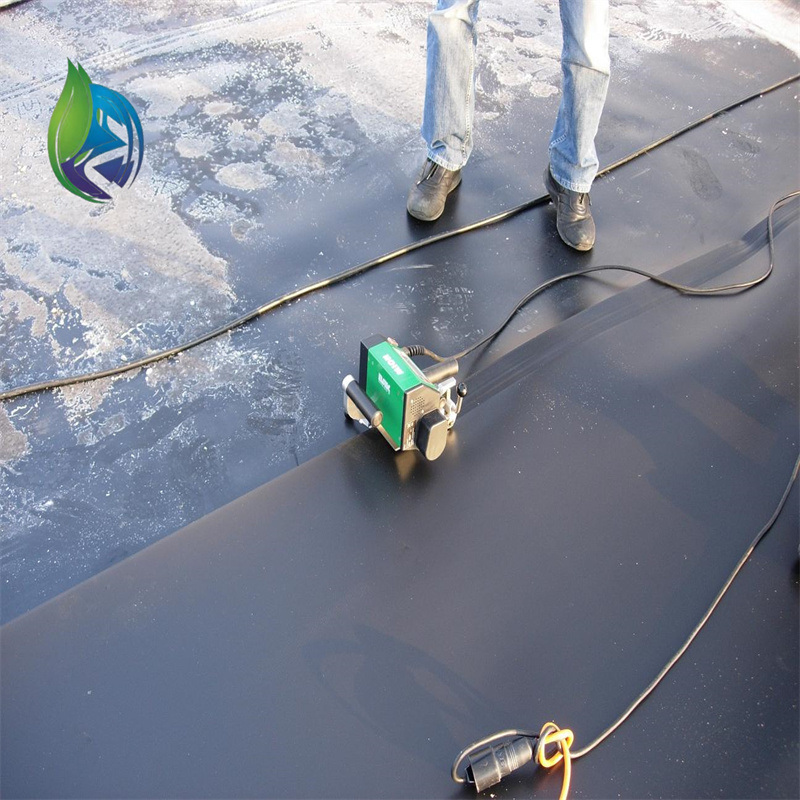
Perform seam testing on welded joints where applicable
Avoid prolonged exposure to open flame or sharp tools
Procurement and Selection Guide
Define agricultural application and expected service life
Select appropriate thickness based on water depth and soil conditions
Confirm UV stabilization requirements for local climate
Choose roll dimensions suitable for site layout
Request mechanical and aging test reports
Evaluate supplier production capacity and quality control
Plan installation method and maintenance strategy
Engineering Case Application
In a commercial aquaculture farm project, a 1.0 mm LDPE Agricultural Geomembrane was installed to line multiple fish ponds over compacted soil with protective geotextile underlay. The system reduced water loss, improved pond hygiene, and supported long-term operation with minimal maintenance.
Frequently Asked Questions (FAQ)
What is the typical lifespan in agricultural use? — 15–25 years depending on exposure.
Is LDPE Agricultural Geomembrane safe for aquaculture? — Yes, with compliant resin formulations.
Can it be welded on site? — Yes, using hot wedge or extrusion welding.
What thickness is common for farm ponds? — Usually 0.75–1.5 mm.
Is UV resistance necessary? — Essential for exposed agricultural applications.
Can it handle seasonal temperature changes? — Yes, within specified temperature range.
Is it resistant to fertilizers and manure? — Resistant to most agricultural chemicals.
Are custom sizes available? — Yes, for large-scale farm projects.
Does it require regular maintenance? — Minimal, with periodic inspection.
What tests ensure quality? — Tensile, elongation, puncture, and aging tests.
Call to Action
For pricing, technical datasheets, agricultural engineering consultation, or material samples of LDPE Agricultural Geomembrane, please submit your project requirements to our technical sales team for professional evaluation.
E-E-A-T Author Credentials
This article is prepared by a geosynthetics engineer with over a decade of experience in agricultural lining systems, polymer material selection, and international EPC project support, ensuring technically accurate and procurement-oriented guidance.