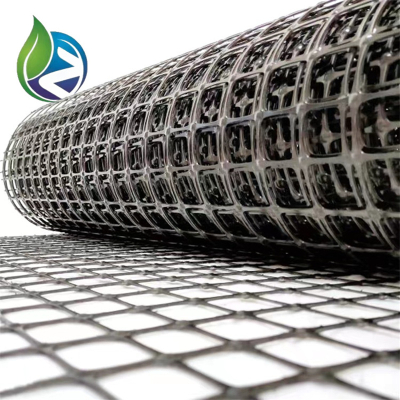
Permeable grass-planting grids solve the problem of road water accumulation
Permeable Grass Pavers: Solving Road Waterlogging Problems Effectively
Anyone who lives in a city’s totally been there—heavy rain hits, and suddenly the roads are flooded. Like, total nightmare, right? You’re stuck in traffic forever, roads get beat up, buildings take damage, and even walking or driving feels risky. As cities grow, more land gets covered with concrete and asphalt. Those surfaces? They don’t let water soak through at all. So rainwater runs off super fast, and storm drains usually can’t keep up when it pours—especially if drains are clogged with leaves or debris. That happens way more than you’d think, let’s be real. That’s why permeable grass pavers are such a game-changer. They’re a practical, eco-friendly fix for waterlogging—one that actually works in real-world cities, y’know? And they add a nice green touch to city spaces too—something concrete just can’t do. Out of all options, plastic grass pavers are a go-to. They’re tough, flexible, and don’t cost a fortune—seriously, pretty affordable—so cities, developers, and homeowners all rely on ’em. You rarely hear complaints after installation—says a lot, huh?
The Growing Problem of Urban Waterlogging
Cities these days are packed with roads, parking lots, sidewalks, and plazas—and most of that paving repels water, not soaks it up. Asphalt, concrete, even some brickwork—none of it lets rain seep in. When it rains, water has nowhere to go but rush off. A lot of drainage systems also weren’t built for huge amounts of water in a short time. Many city drains are decades old, too—built for milder rains, not the crazy downpours we get now, thanks to climate change. So you end up with big puddles that sit for hours, flooded streets that close lanes, and sometimes water seeping into basements or ground floors of homes and shops. This doesn’t just ruin daily life—it wrecks infrastructure over time. Potholes, cracks, erosion—all common once water sits on pavement. Water gets into tiny gaps, freezes in cold spots, expands—breaks the surface apart little by little. By spring, those small cracks turn into big potholes—and fixing ’em costs a ton. Stagnant water also draws mosquitoes, other pests—they can spread diseases like West Nile. No one wants to swat bugs on their porch all evening. For cities dealing with climate change and crazy weather—sudden downpours that dump inches of rain an hour—managing stormwater runoff’s never been more important. Plastic grass pavers offer a simple, smart solution. Works with nature, not against it. Not fancy tech or anything—just a better way to pave.
How Permeable Grass Pavers Work
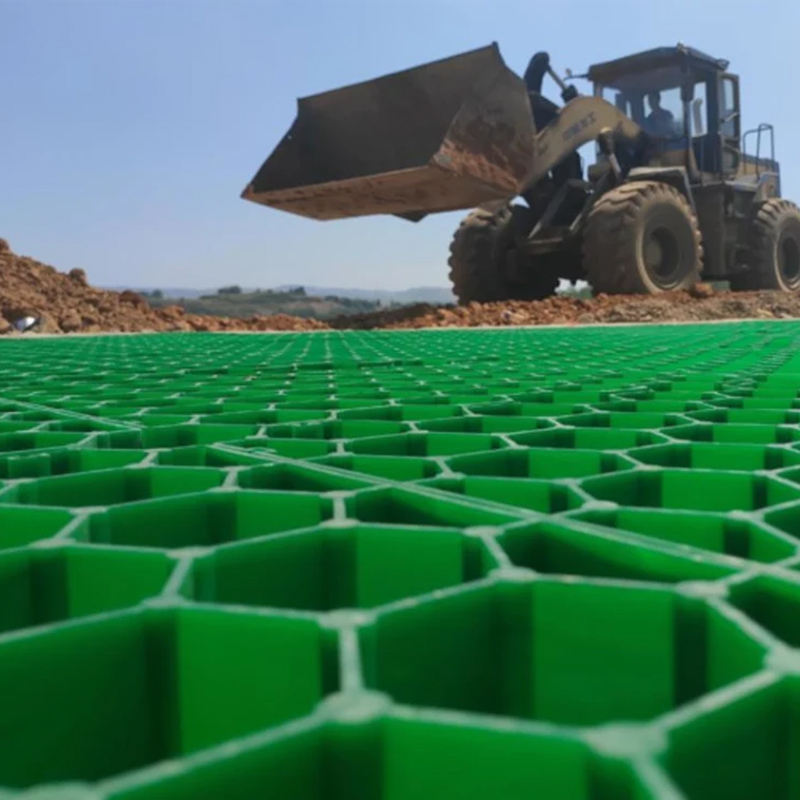
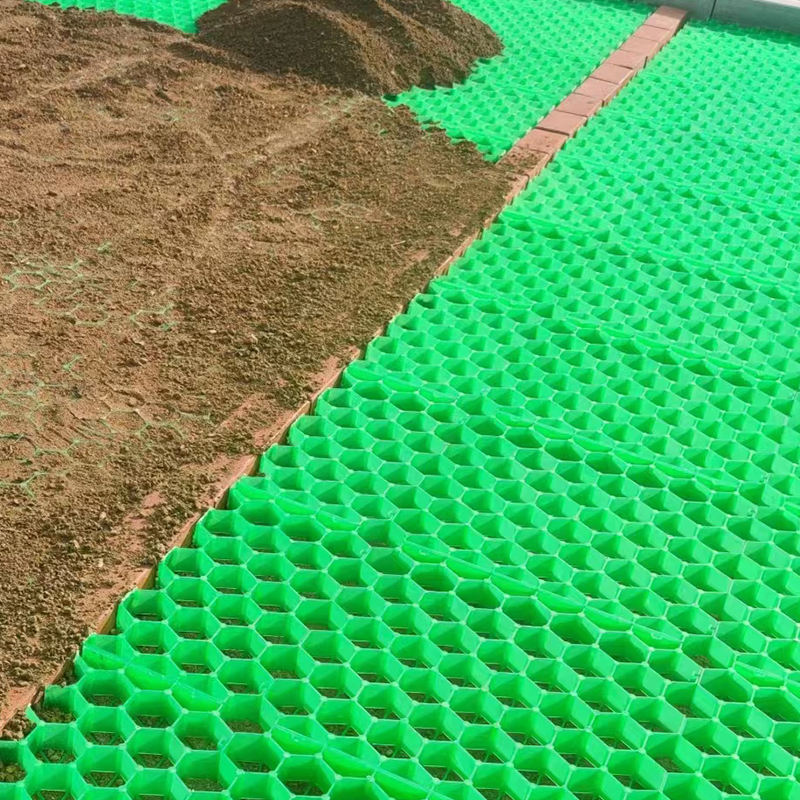
Permeable grass pavers mix traditional paving strength with how plants soak up water—y’know, get that best of both worlds. They’re made of good stuff—usually high-density plastic for durability—and can take heavy use: cars, trucks, even lots of foot traffic from busy parks. And they still let rainwater seep down to the soil below—that’s the key part, no question. These pavers have a grid-like design with open cells—kinda like a big plastic honeycomb. Installation isn’t just laying ’em down, though. First, you prep the ground: a gravel layer for drainage. 3 to 4 inches is usually enough, but you’ve gotta make sure it’s clean—no fine dirt mixed in. Otherwise it clogs up real bad, whole system goes down. You don’t wanna skip that step, trust me. Then add sand to level it out. Next, lay the pavers, fill those cells with soil and grass seed. The result? A surface that looks like a lawn but handles heavy use. Park an SUV on it, grass bounces right back—no dead spots, unlike regular lawns. When it rains, water goes through gaps between pavers and grass roots. Instead of flowing into storm drains, filters into the ground slow. This stops waterlogging, helps refill groundwater supplies. That’s real important for keeping soil and plants healthy in cities—concrete drops groundwater levels a lot, after all. Plastic grass pavers hold up well here. Their plastic build resists rot, rust, extreme weather—hot sun doesn’t warp ’em, freezing temps don’t crack ’em.
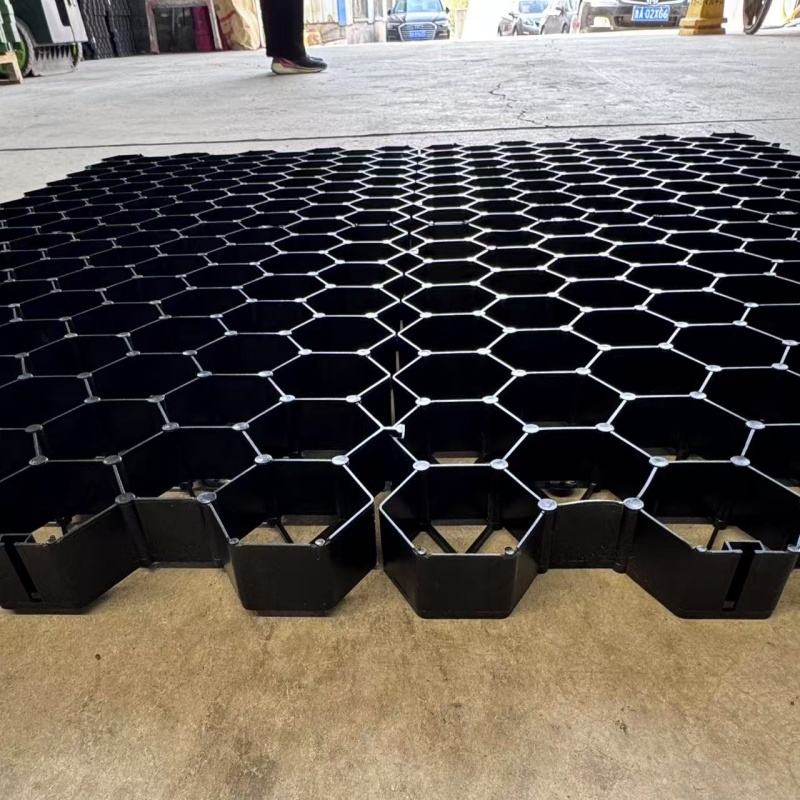
So they last a long time even in busy spots, like school parking lots used every weekday. You also don’t need tons of special equipment to install ’em—most installers say they lay faster than concrete. No mixing big batches, no waiting days to cure. Cuts down on construction noise, mess—neighbors definitely appreciate that.
Key Advantages of Plastic Grass Pavers
Plastic grass pavers have a lot going for ’em that makes ’em better than other paving options. One big plus? Durability. Concrete and asphalt crack easy over time—heavy traffic, bad weather, either one does it. Freeze-thaw cycles? Total nightmare. You’ll see cracks after just one winter, super easy. But plastic grass pavers are flexible—take a hit and don’t break. A delivery truck can drive over ’em, won’t chip or dent. Handle cars, trucks, even construction equipment without losing shape or strength. That makes ’em perfect for parking lots, driveways, roads that get used a lot. Another major benefit? Low maintenance. Once installed and seeded, grass only needs occasional mowing and watering—just like a regular lawn. Don’t have to fertilize it more than usual, either. The plastic pavers themselves? No sealing, no repainting, no frequent repairs. If one gets damaged (rare, by the way), just pop it out and replace it—no tearing up the whole section like you do with concrete. Saves property owners and cities tons of time and money—no constant patching, no big bills down the line. Plastic grass pavers are also lightweight, easy to work with. Not heavy like concrete slabs, so workers don’t need cranes to move ’em. Cut labor costs, installation time compared to traditional materials. You can also cut ’em to fit odd shapes—around a tree in a parking lot, a curved driveway, whatever. So they work for small residential driveways or big commercial parking lots. And they don’t need a super thick base like concrete—concrete sometimes needs 6 inches of gravel plus rebar. Grass pavers just need that thin gravel layer, cuts gravel costs and labor time. Over the years, that adds up to big savings.
Versatile Applications of Permeable Grass Pavers
Permeable grass pavers are super versatile—work in all kinds of spots to fix waterlogging. Common use? Parking lots. Shopping centers, office buildings, commercial areas—they often struggle with flooded parking after heavy rain. You know the ones—half the spots are underwater, everyone’s circling like mad looking for a dry place to park. Put plastic grass pavers there, stops puddles and flooding. Also makes the area nicer for customers, employees—green’s way more inviting than gray concrete. The green surface cools things down in hot weather too—helps with the heat island effect, y’know? On a 90-degree day, a grass paver parking lot can be 10-15 degrees cooler than asphalt—that’s huge for people walking to their cars. Residential driveways, walkways—another popular spot. Homeowners who want better drainage, a bit of nature in their yards usually pick these. Don’t want their driveway to be just a concrete slab—want something that fits their landscaping. These pavers work in public spaces too: parks, plazas, sidewalks. Turn all-concrete areas into green, useful spaces. Imagine a park where paths don’t flood after rain—kids play on ’em, families walk without getting muddy. Plastic grass pavers are also great for slopes, embankments. Slopes erode easy when it rains, but these pavers hold soil in place to prevent that. Still let water soak in, though—so you don’t get runoff buildup. Cities often use ’em in road medians, roundabouts, other traffic areas—helps manage runoff, add greenery. Even small community sports fields, local event spaces can use ’em—give a stable surface for crowds or equipment, no flooding.
Environmental Benefits Beyond Water Management
Stopping waterlogging’s the main job of permeable grass pavers, but they help the environment in other small ways that add up. Let rainwater soak into the ground, refills groundwater aquifers. Those are super important drinking water sources, especially for smaller communities that rely on wells. When groundwater levels drop, wells run dry, people end up paying more for water. Grass pavers keep those levels up. They also cut down on stormwater flowing into rivers, lakes, oceans. That means less pollution—runoff usually carries lawn chemicals, car oil, other gunk from roads and parking lots. Once that gets into waterways, hurts fish and plants. Grass pavers filter some of that out before water soaks in. The grass in the pavers soaks up carbon dioxide from the air too. Not much per square foot, but over a whole parking lot or neighborhood? Adds up quicker than you think—seriously. Reduces greenhouse gas emissions, improves air quality—everyone notices less smog. The green surface of plastic grass pavers also fights urban heat islands. Concrete and asphalt absorb, hold heat—make cities way hotter than nearby rural areas. On hot summer nights, concrete stays warm for hours—impossible to sleep. Grass pavers reflect sunlight, release moisture through transpiration—cools the area down. Even a small strip of grass pavers by the sidewalk can make a neighborhood feel cooler—you’ll notice it when you walk past. For cities that wanna be more sustainable, eco-friendly—permeable grass pavers are a simple but effective step. No huge infrastructure changes needed—like building new storm drains. Just swap some concrete for grass pavers, benefits add up fast. It’s one of those “why didn’t we think of this sooner” solutions.
Why Plastic Grass Pavers Are a Smart Investment
For cities, developers, homeowners—plastic grass pavers are a smart long-term investment. Even if the upfront cost makes some people hesitate. Sure, initial cost might be a bit higher than concrete or asphalt. Concrete’s cheap to lay at first, but then you’re stuck with repairs—potholes, cracks, having to re-pave. Ends up costing way more later. Grass pavers cost a little more upfront, but over time? Save a lot on maintenance, repairs, drainage upgrades. Traditional materials need regular sealing (asphalt every 2-3 years), patching (concrete cracks all the time), eventually replacement—usually every 10-15 years. Those costs add up fast—sealing a driveway costs hundreds, replacing a parking lot costs tens of thousands. Plastic grass pavers resist damage, need barely any upkeep—so their total lifecycle costs are way lower. Over 10 years, maintenance savings alone cover the initial cost difference. Installing these pavers also helps properties follow local stormwater rules. A lot of cities now require new developments to have stormwater solutions—don’t want more runoff making flooding worse. Plastic grass pavers are an affordable, effective way to meet those rules, avoid fines. Fines hit businesses hard too—and that’s the last thing you wanna deal with. Plus, they boost property values. A green, well-drained parking lot or driveway’s way more attractive to buyers or tenants than a cracked, waterlogged one. Selling a house? A grass paver driveway makes it stand out on the block. For commercial spots, that means more customers, higher satisfaction—people wanna visit places that look nice, don’t flood. No one wants to shop at a store where you gotta walk through puddles to get in. Also helps properties stand out in competitive markets. Even for homeowners, a grass paver driveway’s a selling point when moving—buyers love low-maintenance, eco-friendly features.
The Future of Urban Paving: Embracing Permeable Solutions
As cities grow, climate change brings more extreme weather—heavier rains, longer droughts, hotter summers—the need for sustainable paving keeps going up. Cities can’t rely on old concrete and asphalt anymore; need solutions that work with nature, not against it. Permeable grass pavers, especially plastic ones, are set to become a standard in urban design. Solve waterlogging, cut environmental harm, make cities look better—three big wins. Work in so many settings, so they’re practical for almost any project, big or small. Material tech keeps getting better too. Grass pavers are tougher now—some take heavy delivery trucks without bending or breaking. Cheaper, too, as more manufacturers make ’em. And more efficient: new designs have bigger cells for more grass, so that means better drainage, more greenery. Manufacturers also tweak designs to handle heavier loads, harsher weather—extreme heat in the Southwest, freezing temps up North, whatever. Even make ’em in different colors now, so you can get a green surface that matches your landscaping. As more cities, property owners see their benefits, you’ll start seeing ’em more—local grocery store parking lots, park paths, even your neighbor’s driveway. Whether it’s a residential driveway, commercial parking lot, public park—plastic grass pavers turn hard, impermeable surfaces into functional, eco-friendly areas. Good for people (no more flooded shoes), good for the planet (less pollution, cooler cities), good for budgets long-term. You really can’t ask for much more from a paving solution.
In conclusion, road waterlogging’s a big problem for cities everywhere—but it’s not something we gotta live with. Don’t have to deal with flooded streets, potholes, mosquito infestations. Permeable grass pavers fix the root cause by letting rainwater soak into the ground instead of running off. They don’t just mask the problem; solve it. Plastic grass pavers stand out for durability, versatility, low maintenance. Don’t need to be a landscaping expert to appreciate ’em—just need to hate flooding. Great pick for any project—small residential driveways, big municipal parks, whatever. Investing in these pavers helps cities and property owners solve waterlogging. Also creates greener, more sustainable, more attractive urban spaces—places people wanna live, work, play. Looking ahead, permeable grass pavers will play a key role in building resilient, eco-friendly cities—cities that handle climate change while staying nice to live in. They’re a simple solution to a big problem, and their popularity’ll only grow as more people see how well they work.