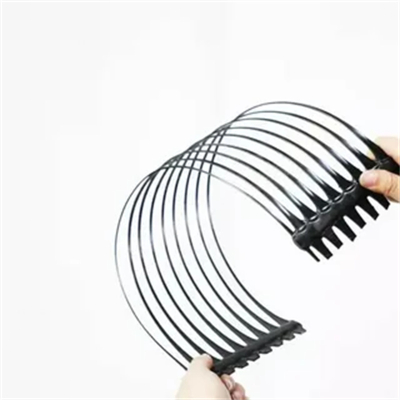
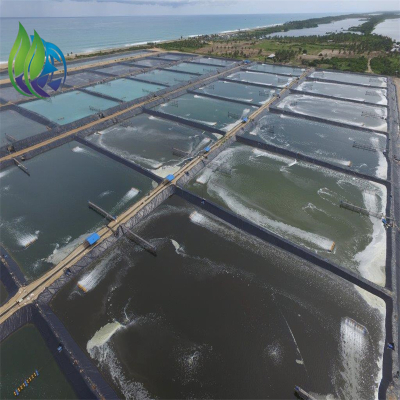
Geomembrane anti-seepage ensures the stable foundation of the project.
Geomembrane Anti-Seepage: Securing Engineering Foundations Steadily
In infrastructure construction, some parts hum along quietly behind the scenes—you might not even notice them day-to-day, but they’re why a project lasts and stays stable. Seepage control’s one of those make-or-break things. People usually brush it off until problems hit: cracked foundations, water leaking away, environmental messes, even the whole structure caving in. These days, engineering rules just keep getting tighter, projects more tangled up. So the need for solid anti-seepage solutions? Higher than ever. Out of all the materials out there, hdpe black smooth geomembrane’s become a go-to for contractors and engineers. Time after time, it proves good anti-seepage measures are what make an engineering project actually hold up for years.
The Critical Role of Anti-Seepage in Engineering Stability
Seepage might look small at first, but its long-term damage can sink an entire project. When water or other liquids seep into a project’s layers—whether it’s a reservoir, road base, landfill, irrigation system—it weakens the structure little by little. Soil washes away, foundations sink, internal parts rust or corrode. These issues don’t just vanish—they get worse. They usually lead to expensive fixes, delayed timelines, even having to tear everything down and start over. Take water storage projects: ignore seepage, and you lose tons of water. That’s a waste of a precious resource, makes the whole infrastructure pointless. For waste sites, leaks can poison groundwater and soil—bad for the environment, bad for people’s health too.
This is where good anti-seepage materials matter, and hdpe black smooth geomembrane stands out for making a reliable barrier. Other materials might crack, break down, stop working after a few years. But this geomembrane creates a continuous, impenetrable layer that blocks liquids completely. Its smooth surface keeps soil particles from sticking and causing damage, and it’s tough enough to stay intact even when conditions get rough. By stopping seepage right at the source, hdpe black smooth geomembrane keeps the project’s foundation stable. It cuts down on long-term damage risks, makes the engineering work last way longer than it would otherwise.
Why HDPE Black Smooth Geomembrane Leads the Market
hdpe black smooth geomembrane isn’t popular by accident. It mixes performance, durability, versatility in a way most other materials can’t touch. HDPE—high-density polyethylene—has always been known for being strong, hard to wear out. Turn it into a smooth geomembrane, and it gets advantages that set it apart from everything else.
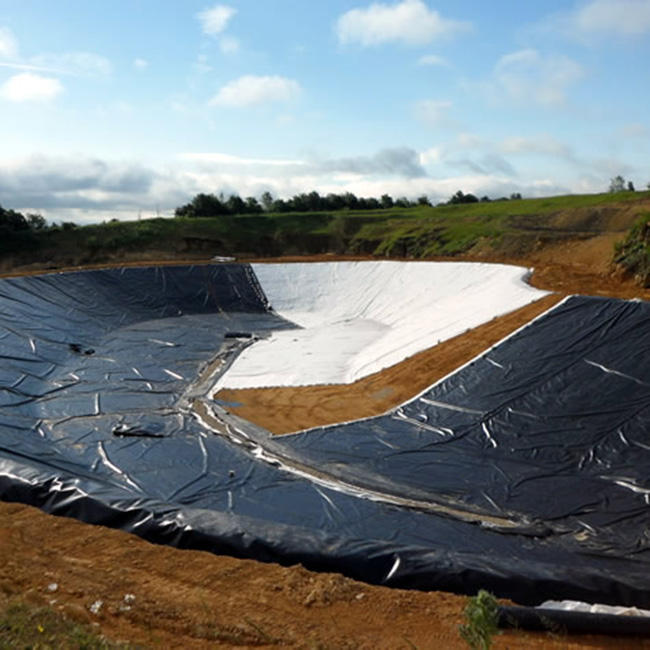
First off, it’s almost unbeatable at keeping liquids out. HDPE’s tight molecular structure stops even tiny water or chemical molecules from getting through. That makes it perfect for projects where seepage control’s non-negotiable—no two ways about it. Whether it’s holding back water in a dam, keeping toxic waste in a landfill, protecting road bases from moisture damage, hdpe black smooth geomembrane delivers consistent, reliable results every time.
Durability counts a lot too. This geomembrane doesn’t care about UV rays, extreme heat or cold, chemicals, even biological decay. Other materials might get brittle in the sun, fall apart when they touch harsh stuff. But hdpe black smooth geomembrane stays strong and flexible for decades. It can handle heavy loads, soil shifting, the rough parts of construction without tearing or losing its ability to block liquids. You don’t have to worry about it failing halfway through a project’s life.
And versatility’s another reason it’s used so much. hdpe black smooth geomembrane comes in different thicknesses and widths. That means it works for all kinds of projects—from small agricultural irrigation setups to big infrastructure like highways, airports, water treatment plants. It’s easy to tweak for a project’s specific needs. Need to cover an odd shape? Adapt to weird soil conditions? It just works. No need for complicated workarounds or extra materials.
Adapting to Diverse Engineering Scenarios
One big thing about hdpe black smooth geomembrane in construction? It works in almost any spot where you need to stop seepage. Let’s break down some common uses, how this material shines in each.
Take water projects, right? Your reservoirs, ponds, canals, dams—they’ll line the structures with hdpe black smooth geomembrane to stop water from seeping out. Without proper lining, these projects lose huge amounts of water over time. But the geomembrane’s impenetrable layer keeps every drop in. It resists water pressure and UV light, so it’s perfect for long-term outdoor use here. You don’t have to stress about it breaking down in the sun or giving way under heavy water loads.
Road and railway construction gets a lot of benefit from this material too. When you build roads or railways, moisture in the subgrade—that’s the layer under the road, simple enough—can soften the soil and make it sink. That leads to potholes, cracks, bumpy surfaces—fixes that cost a lot, are dangerous for drivers or train passengers. By laying hdpe black smooth geomembrane between the subgrade and the top layers, engineers keep moisture out of the soil. That keeps the base stable, makes the road or railway last longer. It also helps with drainage: directs extra water away from the structure, so erosion isn’t a problem. It’s a simple add-on that makes a huge difference in how long the infrastructure holds up.
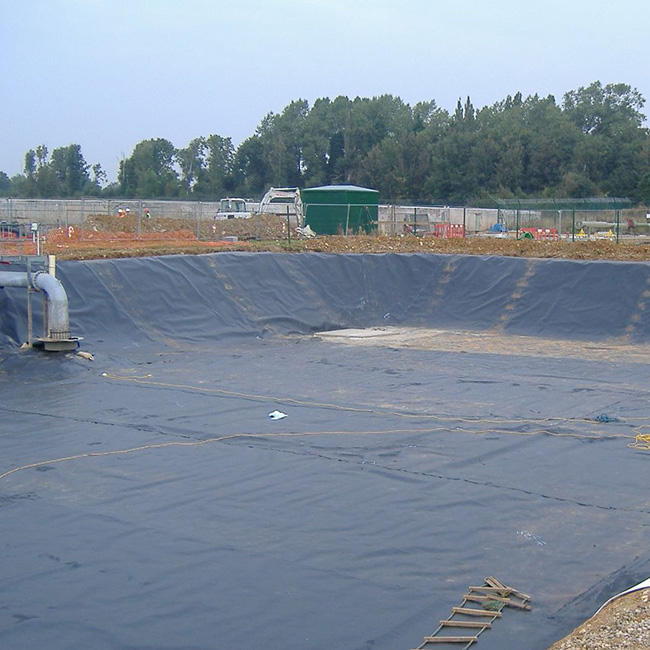
Waste management facilities—landfills, hazardous waste sites especially—rely on hdpe black smooth geomembrane to contain harmful stuff. The material resists chemicals and toxins, so nothing dangerous leaks into the surrounding soil or groundwater. That protects the environment and public health—something you can’t compromise on these days. Its durability means it can handle the weight of the waste, stand the test of time, offer long-term protection no other material can match.
Agricultural projects use hdpe black smooth geomembrane too—things like irrigation canals, fish ponds, greenhouse floors. In irrigation systems, it stops water from seeping away, so every drop reaches the crops. Farmers don’t have to waste water or worry about uneven distribution. In fish ponds, it keeps water levels steady, prevents soil from contaminating the water—keeps the fish healthy. And its smooth surface is easy to clean and maintain—a big plus for farmers who don’t have extra time or resources to spare.
Key Considerations for Installation and Maintenance
hdpe black smooth geomembrane’s a high-performance material, but how well it works depends a lot on proper installation and maintenance. Even the best material fails if you install it wrong, so following good practices is key. No shortcuts here—cutting corners during installation will only cause problems later, trust me.
First up: site prep. It’s make-or-break, no question. The base where you lay the geomembrane needs to be smooth, clean, free of sharp stuff—rocks, roots, debris, anything that could poke a hole in it. Any bumpy spots or sharp edges can tear the geomembrane, ruin its ability to block liquids. Engineers usually use sand or fine soil to make a smooth base. That way, the geomembrane lies flat, isn’t stretched too tight. Tension’s a big enemy here—pull it too hard, and it’s more likely to tear when pressure hits or the soil shifts.
Then, welding or joining the geomembrane sheets is a big step. hdpe black smooth geomembrane usually comes in large rolls, and you need to join those rolls to cover the whole project area. Hot wedge welding’s the most common way to do this. It makes a strong, seamless bond that’s just as impenetrable as the material itself. But you need trained techs and the right equipment for welding. Bad joins are one of the most common causes of seepage—one bad weld can ruin the whole barrier. And don’t rush it: too hot and you melt the edges, too cold and it just peels off later. You definitely can’t hand this off to someone who hasn’t been trained.
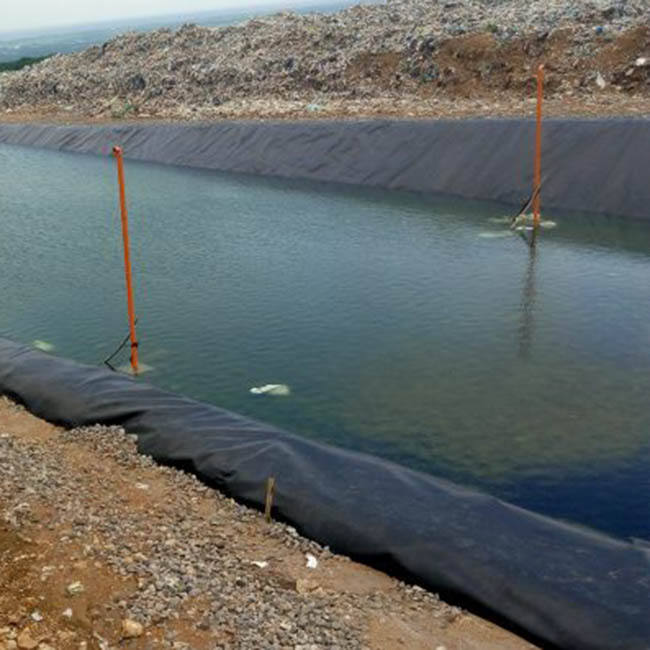
Securing the edges is another important part of installation. The edges of the geomembrane need to be anchored firmly so they don’t move or lift up. You can use concrete weights, anchor trenches, mechanical fasteners—whichever fits the project’s needs. If the edges lift, water can seep underneath, and that defeats the whole purpose of the barrier. Proper edge fixing keeps it in place even when water pressure hits or the soil moves.
When it comes to maintenance, hdpe black smooth geomembrane doesn’t need much work. But you still have to check on it regularly. After bad weather—heavy rain, strong winds, hail—or any construction work near the area, look for punctures, tears, damage. Catch small issues early, and they won’t turn into big problems. You can fix small damages with HDPE geomembrane patch kits—they’re easy to use, work if you apply them right. Also, don’t let sharp objects or heavy machinery touch the installed geomembrane. Most folks forget this, but even a small scratch can turn into a big leak over time. It’s common sense, but it’s amazing how often it’s overlooked.
Meeting the Demands of Green Infrastructure
Lately, the construction industry’s been shifting to more sustainable, eco-friendly practices. It’s not just a trend anymore—it’s a requirement for most projects. hdpe black smooth geomembrane fits right into this shift. As green infrastructure becomes a priority for governments and organizations worldwide, this material’s playing a bigger role in building projects that are both durable and kind to the planet.
One big environmental benefit of hdpe black smooth geomembrane is that it cuts down on wasted resources. In water projects, it minimizes water loss, so we save a precious natural resource. Water scarcity’s getting worse, so every drop saved matters. In waste management, it stops soil and groundwater pollution, protects ecosystems and public health. Unlike some old-school materials that have harmful chemicals or are hard to get rid of, HDPE’s non-toxic. And when it reaches the end of its life, you can recycle it—so it doesn’t add to landfill waste. That’s a huge plus for projects trying to meet green building standards.
hdpe black smooth geomembrane also means you don’t have to do as many repairs or rebuilds. By making engineering projects last longer, it cuts down on the materials and energy used for maintenance. That saves project owners money, lowers the environmental impact of construction—things like carbon emissions from trucking materials or making new parts. Let’s be real, that’s a win-win: better for the planet, better for the bottom line.
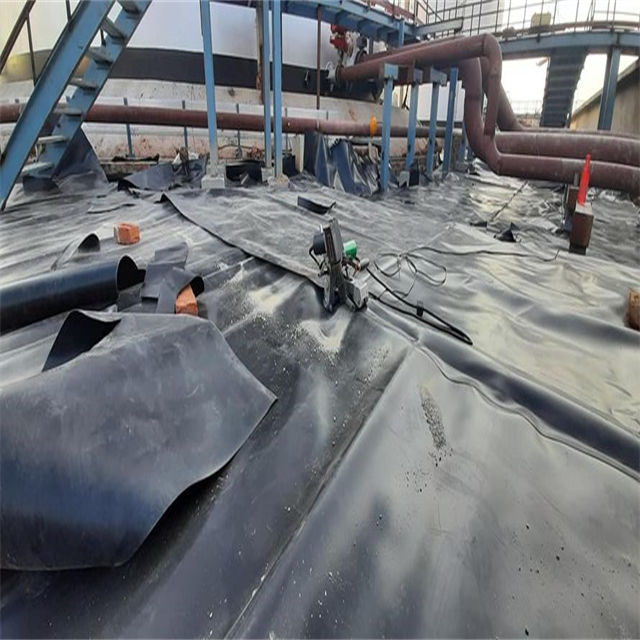
As demand for green infrastructure grows, hdpe black smooth geomembrane will probably be used even more. Engineers and contractors are realizing you don’t have to choose between sustainability and performance. This material gives you both—reliable seepage control and environmental responsibility. You don’t have to pick a durable project or a green one anymore; you can have both.
Conclusion
In engineering, you can’t say enough about how important a solid foundation is. And effective seepage control’s the backbone of that foundation. If you don’t handle seepage right, even the best-designed project will fail eventually. hdpe black smooth geomembrane has proven itself as a reliable, durable, versatile solution for stopping seepage in all kinds of projects—from water work and transportation to waste management and agriculture. Its unique mix of keeping liquids out, lasting a long time, being eco-friendly makes it the top choice for engineers and contractors who want their projects to stand the test of time.
As infrastructure projects get more complex and environmental rules get stricter, the role of hdpe black smooth geomembrane will only grow. It’s a material that works quietly but effectively—securing engineering foundations, giving peace of mind that projects will stay stable and functional for decades. You don’t hear much about it, but it’s the kind of part that makes or breaks a project’s success.
Whether you’re building a reservoir, a road, a landfill, or an agricultural system, spending money on good anti-seepage with hdpe black smooth geomembrane is an investment in the project’s long-term success and sustainability. It’s not the most exciting part of construction, but it’s one of the most important. In the end, projects that last are the ones that nail the basics—and getting seepage control right with the right geomembrane? That’s as basic as it gets.