New type of grass-planting grid: a new choice for greening
New Type Grass Pavers: A Fresh Choice for Greening
Urbanization gives people’s lives tons of convenience, but it dumps some serious ecological headaches too. Miles of concrete and asphalt have taken over natural soil—cities end up with less green space, more waterlogging when storms hit hard, and even soil erosion in spots. Traditional greening methods usually can’t balance function and ecology. They’re either not tough enough for busy areas, or they just don’t fix big issues like water management. That’s where new type grass pavers come in. They’re a real game-changer, no fancy marketing talk needed—just a practical, eco-friendly way to bridge urban growth and protecting the environment.
Core Advantages: Green, Functional, and Built to Last
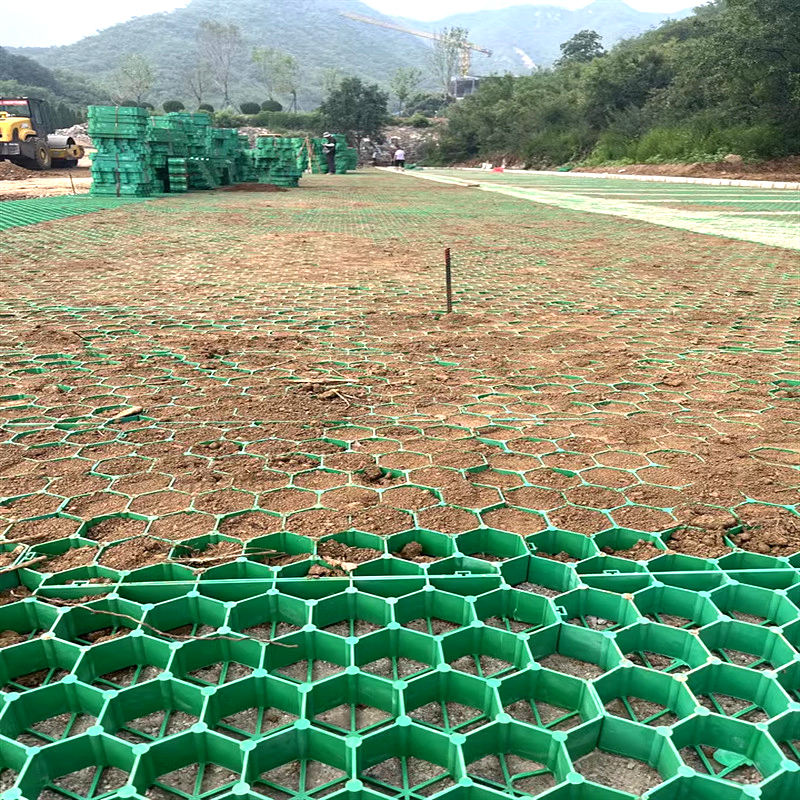
What makes new type grass pavers different from the old stuff isn’t anything flashy. It’s how they mix greenery and real-world use. Solid concrete slabs block water and kill plants. These pavers? They have a porous, grid-like design. They lock in soil so plants can take root, but they handle serious weight too. That dual purpose makes them perfect for spaces that need to be both useful and green—no trade-offs required.
One thing that really stands out is how well water soaks through them. When it pours, rainwater seeps right through the gaps into the soil below. It doesn’t pool on the surface or overload drainage systems. This cuts down on urban waterlogging, and it tops up groundwater reserves. That’s getting more crucial as water gets scarcer. The plants growing in the pavers soak up extra moisture too. This keeps soil from getting packed tight and reduces runoff.
When it comes to greening, these pavers turn bare, hard areas into lush spots. They work with all kinds of low-growing plants—clover, drought-tolerant fescue, creeping thyme, even native wildflowers. Cities can add more green space without giving up usable land. This doesn’t just make neighborhoods, parking lots, and public areas look nicer. It gives small insects and birds a place to hang out, which helps local biodiversity. It’s a small win, but it adds up over time.
Durability is another strong point. They make these grass pavers from tough materials—things like HDPE modified recycled plastic or reinforced concrete. They handle car weight, heavy foot traffic, even harsh weather. Regular grassy areas turn muddy or worn out in busy spots. These pavers stay intact, and they protect the plants underneath. You won’t have to replace them every few years. Trust me, that’s a huge relief for anyone stuck with maintenance duties.
Grass pavers installation is nothing complicated, and it doesn’t cost a fortune. You don’t need special equipment or super skilled workers. Most projects just need you to prep the site right—get the ground nice and level, compact the base soil good (aim for 95% compaction if cars will be using it), then lay the pavers in a neat line. That simplicity shortens construction time and cuts labor costs. It makes them accessible for big city projects, small businesses, even homeowners looking to spruce up their yards.
Versatile Applications: Adapting to Diverse Greening Needs
These new grass pavers aren’t a one-trick pony. You’d be surprised how many different spots they work in—seriously, from small driveways to big municipal projects. They solve all kinds of greening problems across cities.
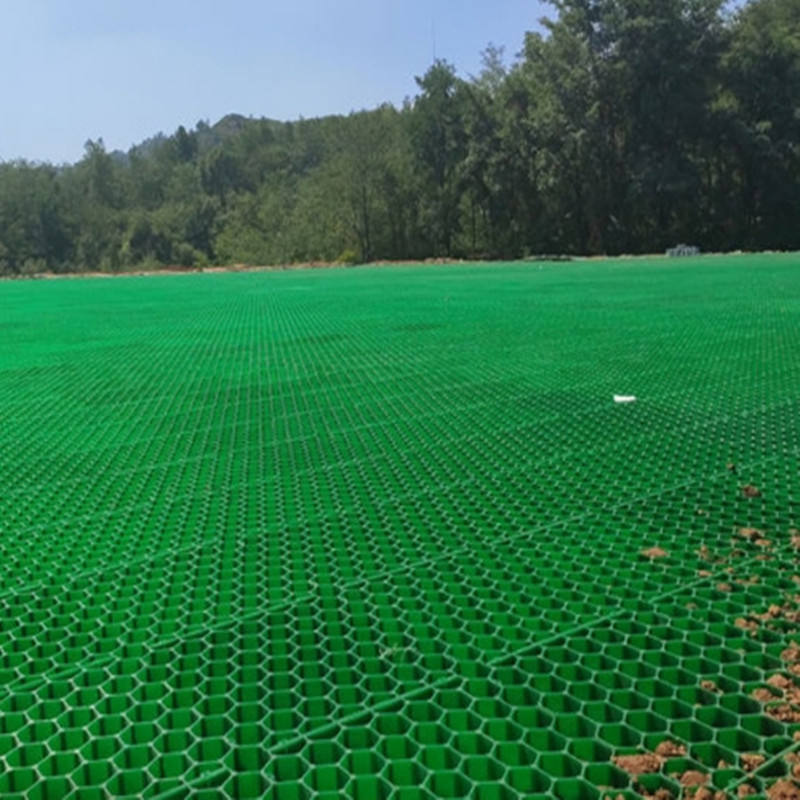
Parking lots are where these pavers truly shine. Let’s be honest, old-school concrete parking lots suck up heat like a sponge. They repel water like it’s their job, and they’re just plain ugly. Switching to grass pavers makes “ecological parking lots.” Cars park safely on the sturdy grid, and grass or other plants grow between the gaps. These lots stay cooler in summer—cuts down on that annoying urban heat island effect. No puddles after rain, and they blend in with surrounding greenery. They check all the boxes: functional, sustainable, easy on the eyes.
Urban sidewalks, plazas, and pedestrian areas get a lot out of these pavers too. Their slip-resistant surface keeps walkers safe, even when wet. They handle crowds without cracking. Public spaces with grass pavers feel more welcoming—like a breath of fresh air from all the concrete. They make cities feel less harsh, more livable. Both residents and visitors notice that difference.
Slope protection and erosion control are another key use. Roadsides, riverbanks, hillsides—they lose soil easily from rain and wind. New type grass pavers hold the soil in place with their interlocking design. The plants’ roots wrap around the soil too, adding extra stability. This mix of structural support and greening prevents landslides, keeps soil healthy, and makes bare slopes look way better. It’s a practical fix that doesn’t sacrifice looks.
Grass pavers installation can be tweaked to fit different needs. For example, parking lots with heavy trucks need a more compacted base to handle the extra weight. For slopes, you lay the pavers at an angle that matches the slope. Adjust the spacing so plants can grow but the pavers don’t shift. That adaptability is why they’re such a go-to solution. No two projects are the same, and these pavers roll with the changes.
Environmental Value: Driving Sustainable Urban Development
Sustainability’s a must-have these days. New type grass pavers stand out because they’re actually good for the planet—no greenwashing here. They help make cities greener and more resilient. That matters more than ever with weird weather becoming normal.
One major benefit is cutting down on the urban heat island effect. Concrete and asphalt soak up solar radiation and hold onto it. Cities feel like ovens in summer. Grass pavers? They support plants that use photosynthesis to absorb solar energy. That reduces heat absorption and release. Their porous design keeps heat from spreading too. The ground stays cooler. You can actually feel the difference walking on grass pavers versus concrete on a hot day.
Managing rainwater well is another big win. Cities face more extreme rainstorms now. Traditional drainage systems often can’t keep up. This leads to waterlogging and pollution—runoff carries chemicals and trash. Grass pavers let rainwater soak into the soil naturally. The soil acts like a filter, getting rid of contaminants. It eases the strain on city drainage too. This prevents flooding and recharges groundwater. That’s a vital resource for city dwellers. It’s simple—work with nature instead of against it.
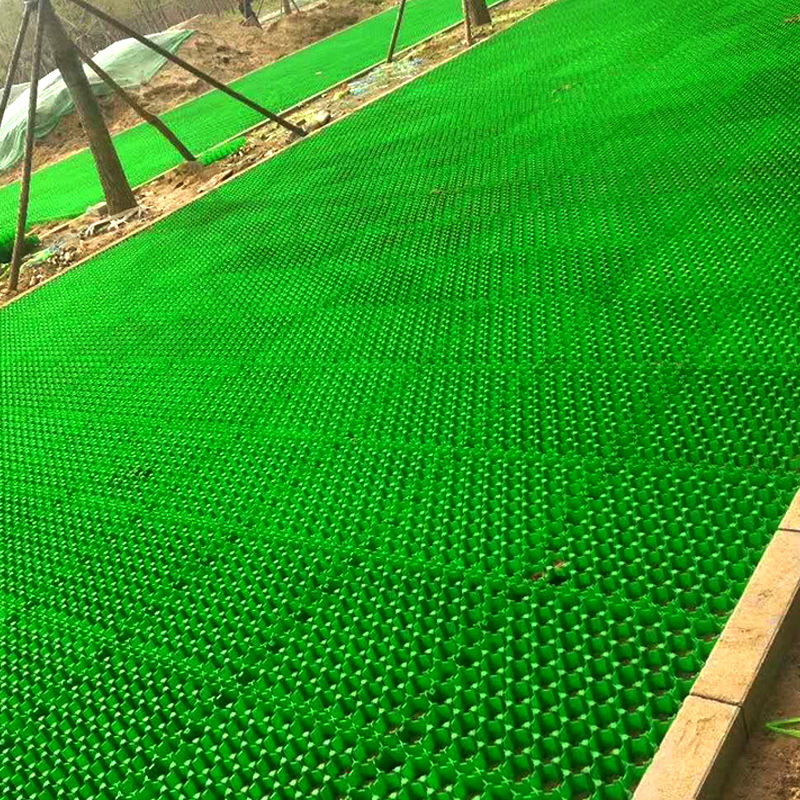
A lot of new grass pavers fit with circular economy ideas. They’re made from recycled materials—old HDPE bottles, construction waste, stuff that would otherwise go to landfills. This reduces the need for new materials, which is better for the planet. Making them uses less energy than making traditional concrete or asphalt. That lowers carbon emissions. The plants on the pavers absorb CO2 and release oxygen too. This improves air quality and offsets some of the carbon cities produce. Every little bit helps, right?
You need to do grass pavers installation the right way to get all these environmental benefits. Cut corners—like laying them unevenly or not compacting the base enough—and you ruin their water permeability and stability. That makes them less eco-friendly. Defeats the whole purpose. Follow simple best practices. Add proper drainage layers. Pick plants that grow well in the local climate. This ensures the pavers do the most good for the environment over time. It’s not hard, just attention to detail.
Material Innovation and Longevity: Designed for Long-Term Use
Grass pavers used to have a bad rap. Flimsy, didn’t last long, not worth the hassle. Those days are gone. Modern material advances have turned them around. Now they’re tough as nails and work like a charm. They’re a reliable long-term investment for greening projects—any scale, big or small.
Old grass pavers had all sorts of issues. They couldn’t handle much weight. They aged fast. They fell apart in bad weather. New type grass pavers fix those problems with better materials. High-strength modified HDPE pavers are flexible—they can take a beating. Reinforced concrete pavers handle heavy loads without bending or breaking. These materials are tested to hold up under cars, small commercial vehicles, even light construction equipment. No warping, no cracking. They resist wear, rust, and damage from de-icing salts or pollution too. You can count on them to last.
Weather resistance is another big improvement. New grass pavers get UV treatment. This keeps them from fading or getting brittle in the sun. They handle extreme temperatures too. Freezing winters where the ground thaws and refreezes. Scorching summers with triple-digit heat. They don’t crack. This durability means they’ll work well and look good for 15 to 20 years or more. Almost no maintenance needed. That’s a huge saving compared to traditional greening methods that need constant upkeep.
Easy maintenance adds to their appeal. Regular lawns need weekly mowing, frequent watering, tons of fertilizer. The plants in grass pavers? They’re usually low-growing and drought-tolerant. Once established, they only need a quick once-over with a weeder every few months. A little water during long dry spells. If a paver gets damaged—say, from a fallen branch or heavy equipment—you can replace it easily. No need to mess up the whole area. That’s way cheaper and less of a hassle than fixing big concrete slabs or reseeding a muddy lawn.
Grass pavers installation quality ties directly to how long they last. A well-prepared base—compacted soil with good drainage—keeps the pavers from shifting. Keeps them level too. Lay them so they lock together right, and they’re more stable. Leave enough space for plant roots to grow, and you get a healthy, sustainable green surface. Spend a little extra time on proper installation upfront. It pays off with decades of reliable use and ecological benefits. It’s one of those things—do it right the first time, save yourself headaches later.
Market Trends: The Growing Demand for Eco-Friendly Greening Solutions
Cities everywhere are focusing harder on sustainability and green builds these days. That’s why the market for new type grass pavers is blowing up. Policy pushes, people wanting greener options, better tech making them more accessible—all of it plays a part. It’s not a passing trend. It’s a real shift in how we build cities.
Governments and urban planners are adding green infrastructure to city plans more and more. A lot of areas have rules now. New construction—malls, apartment complexes, office buildings—needs to include a certain amount of permeable green space. New type grass pavers fit these rules perfectly. They’re a top choice for developers. They follow regulations without sacrificing functionality. Plus, they make projects more attractive to buyers and tenants who care about sustainability. It’s a win-win.
Commercial projects are driving demand too. Developers know green spaces make their projects stand out from the competition. Ecological parking lots, green plazas, walkways with grass pavers—they boost property values. They create a more sustainable brand image. Customers and tenants are more likely to choose an eco-friendly space. They want to feel like they’re doing their part for the planet. Grass pavers make that easy. No extra cost or hassle.
City projects are another big part of the market. Cities use new type grass pavers for road repairs, park renovations, waterfront development, slope protection. These uses make cities nicer to live in. They also make cities more resilient to climate change. Help them handle extreme weather like heavy rain and heatwaves. Taxpayers appreciate solutions that last and don’t need constant repairs. Grass pavers check both boxes.
Better tech is making the market grow even more. Manufacturers are designing better pavers. Interlocking grids that are easier to install and more stable. Materials that let more water through and work better with different plants. Some companies offer custom solutions too. Pavers in different colors, shapes, sizes—match the design of any space. It’s all about making grass pavers fit any project’s needs.
Grass pavers installation is more standardized now as the market grows. Most manufacturers provide detailed guides. Training programs, even on-site help for construction teams. This standardization means fewer mistakes during installation. Faster projects, lower costs. It makes grass pavers a good option even for small-scale jobs. A restaurant’s parking lot, a homeowner’s driveway. You don’t need to be a big developer to use them.
Conclusion
New type grass pavers aren’t some fancy, overhyped solution. They’re a simple, effective fix for the ecological mess that comes with urbanization. They blend function, durability, and sustainability into one product. Offer a fresh way to green cities that benefits everyone—cities, residents, the planet. They don’t just look good. They cut down on waterlogging and heat islands. Improve air quality, help biodiversity thrive.
Use them in parking lots, sidewalks, slope protection, public plazas—anywhere. New type grass pavers prove urban development and nature can coexist. You don’t have to choose between a functional city and a green one. They’re versatile, easy to install, last a long time. That makes them a practical investment for developers, city governments, anyone who wants to create greener spaces.
Sustainability will keep shaping urban planning and construction in the future. New type grass pavers will play a bigger role in building the cities of tomorrow. Cities that are nice to live in, resilient, in harmony with nature. With proper grass pavers installation and ongoing material improvements, these pavers will become a staple of green infrastructure. They’ll turn those endless concrete jungles into lively, sustainable spaces that stick around for generations. It’s a small change that makes a big difference. That’s what green building is all about.