
A New Chapter in Seepage Prevention: Geomembrane Takes the Lead
New Chapter in Anti-Seepage: HDPE Geomembrane Takes the Lead
Seepage control is a basic but ongoing challenge for infrastructure projects, environmental work, and industrial operations. HDPE geomembrane impacts how long projects last, how resources are used, and whether ecosystems hold up—just part of the gig, y’know, if we’re being 100% real. For decades, industries have been stuck with low-quality options that can’t handle harsh conditions. So they end up with costly repairs, wasted resources, and real environmental risks. Now the world’s focusing more on sustainability and long-term reliability. We’ve never needed a trustworthy, flexible, high-performance anti-seepage material more than right now. Today, HDPE geomembrane stands out as the clear leader. It’s changing how we prevent seepage and opening a new chapter in engineering and environmental protection.
The Growing Urgency of Seepage Control: Why Reliable Solutions Matter
Seepage isn’t just a minor nuisance—it’s a serious threat to both projects and the environment. Unaddressed leaks in civil engineering? Let’s keep it real—they weaken foundations, eat away at soil, and shorten the lifespan of dams, canals, retaining walls. No getting around that. At waste management sites like landfills, toxic liquids seep out and contaminate groundwater and soil. This leads to long-term ecological harm, and fixing that mess? It’s expensive, takes forever, and honestly, it’s a headache. In farming, water leaks from irrigation systems and reservoirs. Wastes precious freshwater, and that’s a huge concern as global water scarcity gets worse. Even in industrial settings—chemical storage, mining, whatever—seepage can spark dangerous spills. Puts workers at risk, harms local ecosystems—plain and simple.
Traditional anti-seepage materials—clay liners, concrete, low-grade plastic sheets—have never quite measured up to modern needs. Clay liners? You need to compact them like crazy, and let’s be honest—they crack super easily when temperatures fluctuate or the ground shifts. Concrete’s durable, sure—but it’s expensive to install, a total hassle to haul around, and not flexible enough for bumpy terrain. Low-grade plastics? They can’t take UV rays, chemicals, or physical wear—break down way too fast, sadly. As projects grow bigger, more complex, and face stricter environmental rules, these old materials just don’t cut it anymore.
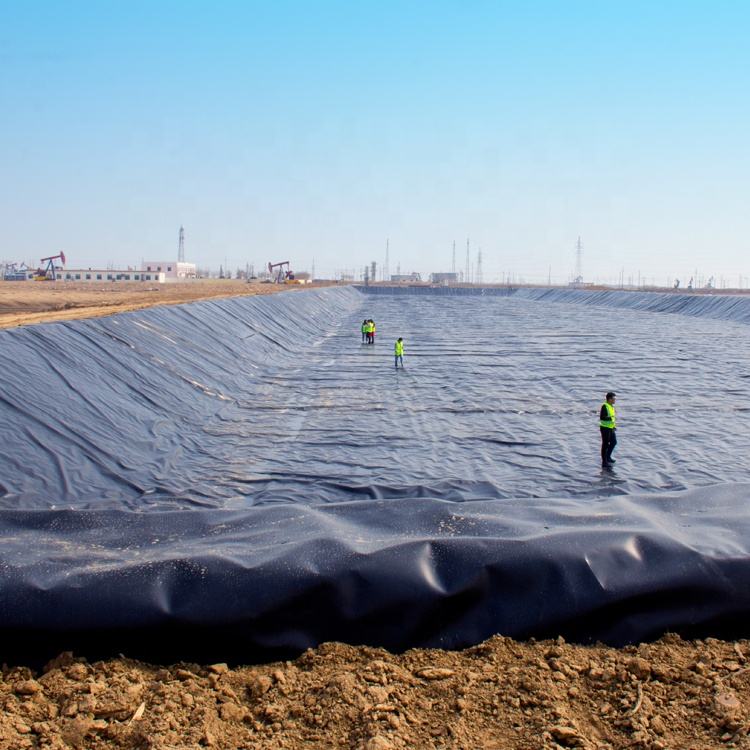
Thankfully, HDPE geomembrane steps in to fix this. Older materials fall short, but HDPE (High-Density Polyethylene) geomembrane is built to solve seepage control’s main issues. It didn’t just fill a market gap—it changed what anti-seepage projects can do. From small agricultural reservoirs to massive infrastructure builds, it just works like a charm.
Core Advantages of HDPE Geomembrane: The Secrets Behind Its Leadership
What sets HDPE geomembrane apart from other anti-seepage materials? It’s a combo of hard-to-beat performance, toughness, and practicality. That’s why engineers, contractors, and environmental experts around the world reach for it first—no second-guessing, no overthinking.
First things first, HDPE geomembrane absolutely crushes seepage control—no other way to say it. Its dense molecular structure forms a barrier that keeps water, chemicals, and other liquids out. Clay or concrete develop cracks over time, but HDPE geomembrane stays intact even in extreme conditions. This guarantees long-term leak prevention. And that reliability? It’s make-or-break for projects where failure isn’t an option—hazardous waste landfills, drinking water reservoirs, stuff like that.
Then there’s the durability factor. This stuff is tough as nails. HDPE geomembrane holds up against UV rays, chemical corrosion, and physical damage. It can take harsh weather—blistering heat, bitter cold, you name it—without falling apart. So it lasts for decades, way longer than traditional materials. For project owners, that means lower maintenance costs over time and fewer replacements. That’s the kicker—it’s a smart long-term investment, no ifs, ands, or buts.
And let’s not forget flexibility—huge plus, honestly. It can be easily cut and shaped to fit any project’s dimensions. Irregular landfills, winding irrigation canals, whatever you’ve got. Its flexibility lets it adapt to ground movement. Prevents the cracks and leaks that plague rigid materials. Installation’s simple, too—most crews already have the tools they need, no fancy gear required. It needs fewer resources and less time than concrete or clay liners. So project timelines get shorter, and disruption to the surrounding area goes down.
Naturally, it wouldn’t be so widely used without its environmental perks. HDPE is recyclable, so it’s a sustainable choice for eco-conscious projects. Doesn’t release harmful chemicals into the environment—keeps soil, water, wildlife safe. Also, its long lifespan means fewer replacements, which lowers the carbon footprint from manufacturing and hauling new materials. In a time when sustainability’s a top priority, these environmental benefits make it even more appealing.
Cross-Industry Applications: Where HDPE Geomembrane Shines
HDPE geomembrane’s biggest strength is its versatility. HDPE geomembrane works across so many industries, proving its worth time and again on actual project sites we’ve been part of. Civil engineering, agriculture, waste management, mining—you name it, it’s pretty much a staple for leak prevention now. No doubt about it.
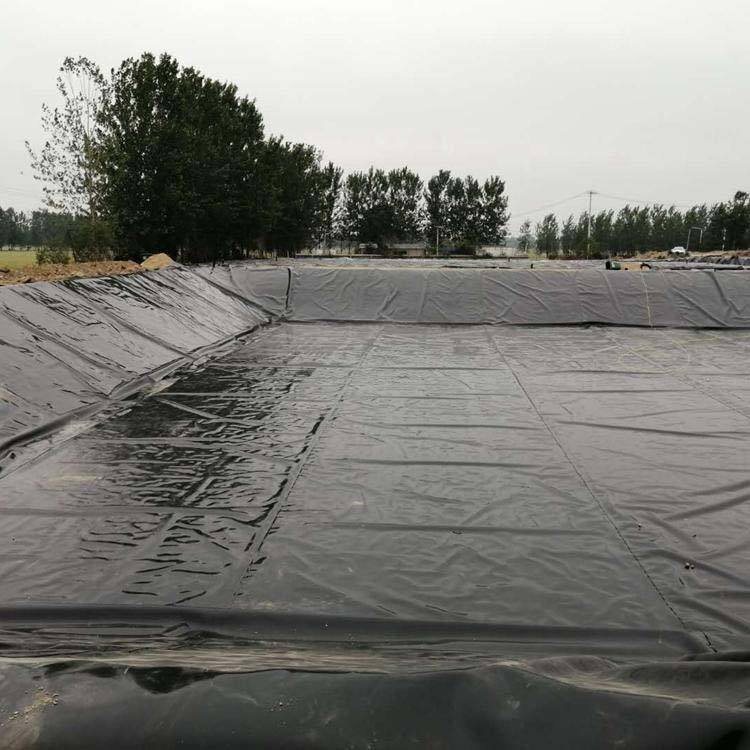
Over in water conservancy and hydropower work, it turns up everywhere: dams, reservoirs, canals, ponds. Stops seepage to save water—ensures precious freshwater isn’t wasted in the soil. Take irrigation canals, for instance—we’ve worked on projects where lining them with this stuff slashed water waste by up to 90%. Makes agricultural irrigation, y’know, way more efficient. In dams and reservoirs, it adds an extra layer of leak protection. Makes these critical water storage facilities safer, more reliable—simple as that.
Waste management is another area where it excels. Landfills—whether for everyday municipal waste or hazardous materials—need robust liner systems. These systems stop leachate (that toxic slop that forms as waste decomposes) from contaminating groundwater. HDPE geomembrane’s the primary liner here. Creates a tight barrier that keeps leachate contained. It’s also used for landfill caps—stops rainwater from seeping into the waste, which cuts down on leachate and lowers environmental risks.
Farmers benefit a ton from this stuff, too—let’s not forget. They use it to line irrigation ponds, water storage tanks, greenhouse floors. By stopping seepage, it helps them save water and cut irrigation costs. Also protects soil quality by keeping fertilizers and pesticides from leaching into groundwater. Promotes sustainable farming practices. Plus, it can prevent soil erosion in fields—preserves valuable topsoil for crops, which is something every farmer cares about, obviously.
The mining industry relies heavily on it for seepage control, too. Mining operations produce tons of wastewater and tailings (the waste left after ore extraction). These often have harmful chemicals, heavy metals—bad news if they leak. HDPE geomembrane lines tailings ponds, wastewater treatment facilities, heap leach pads. Stops surrounding soil and water sources from getting contaminated. Its resistance to chemical corrosion makes it perfect for this harsh environment—lets mining operations keep going in an environmentally responsible way.
Even in urban development, it plays a key role. Used for building underground parking lots, waterproofing basements, creating artificial lakes in residential areas. Stops water seepage, protects buildings and infrastructure from water damage. Ensures they last longer, stay safe for years—no surprises there.
Technological Innovation and Environmental Upgrades: Evolving with the Times
HDPE geomembrane’s success isn’t just from its built-in perks—it’s also from constant technological innovation. This innovation has made it perform better, opened up more uses. We’ve watched manufacturers sink a ton into R&D over the years—seen the progress up close. They’ve rolled out new technologies, new processes that make it more reliable, efficient, eco-friendly.
A big technical upgrade is high-tensile HDPE geomembrane. By tweaking the molecular structure and manufacturing process, they’ve created geomembrane with better tensile strength and tear resistance. That matters for on-site handling—lets the material take more physical stress during installation and use. So it’s good for more demanding projects: large dams, industrial facilities, stuff like that.
Another useful upgrade is better UV stability. Older geomembrane versions sometimes broke down after long UV exposure. But modern HDPE geomembrane gets treated with special additives that boost UV resistance. Means it can be used outdoors without worrying about premature aging—even in super sunny areas.
Manufacturers have also focused on making it more eco-friendly. Many now make it with recycled HDPE materials. Cuts down on virgin plastic use, reduces waste. The production process is more energy-efficient too—lowers the carbon footprint of each roll. These environmental upgrades line up with global efforts to cut plastic waste, promote sustainable manufacturing.
Digital tech has changed how it’s used, too. Today, engineers can use advanced software to design custom geomembrane solutions—ensures a perfect fit for each project. During installation, GPS and other digital tools help place it accurately. Cuts down on mistakes, makes the seepage control system more effective. Some manufacturers even offer geomembrane with built-in sensors—detect leaks in real time. Lets you fix issues fast, minimizes environmental risks.
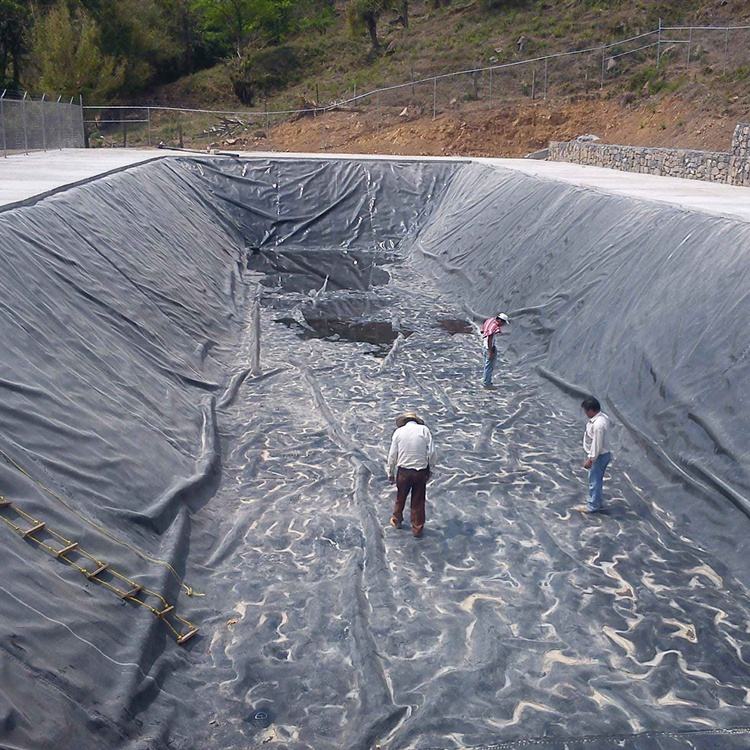
These small tech tweaks don’t just make it work better—they make it more accessible, easier on the budget. So more and more projects are picking it first. Small community initiatives, big international developments—doesn’t matter. It just makes sense.
Future Outlook: HDPE Geomembrane to Continue Leading the Anti-Seepage Industry
As the world’s need for reliable, sustainable seepage control keeps growing, HDPE geomembrane is well-positioned to stay ahead in the industry. The future has tons of opportunities for growth, for innovation. New technologies will pop up, new uses for it will be found.
One big trend driving its growth is the focus on environmental protection—getting stronger every day. Governments worldwide are cracking down harder on waste management, water conservation, pollution control. This will create more demand for high-performance anti-seepage materials that help projects meet these rules. HDPE geomembrane’s solid environmental performance, its reliability—make it perfect for this demand.
The infrastructure boom in emerging economies is another major driver. Countries in Asia, Africa, Latin America are investing big in dams, roads, bridges, waste management facilities. Supports their growing populations, their economies. These projects need seepage control that’s durable, easy on the budget. HDPE geomembrane’s likely the material of choice. As these economies grow, demand for it will keep going up.
Technological innovation will keep playing a key role in its future. We can expect more improvements in strength, durability, environmental performance. For example, manufacturers might come up with geomembrane that can handle even more extreme temperatures, harsher chemicals—perfect for those trickier projects. We might also see more advanced digital tech integrated—IoT sensors, stuff like that. Could enable real-time monitoring, predictive maintenance for seepage control systems.
The growing focus on the circular economy will hit the industry too. As more companies, more governments commit to reducing waste, promoting recycling, demand for recycled HDPE geomembrane will go up. Manufacturers will probably invest more in recycling infrastructure, develop new ways to make high-quality geomembrane from recycled materials. This won’t just cut the industry’s environmental impact—it’ll create new business opportunities too.
When it all boils down, HDPE geomembrane has already changed the game for how we deal with seepage—no doubt about it. Its future looks really promising. With its hard-to-beat mix of performance, toughness, versatility, environmental friendliness, it’s the go-to solution for today’s seepage control needs. As tech advances, as the world’s demand for sustainable solutions grows, it’ll stay at the forefront of the anti-seepage industry. Lead the way toward a more resilient, efficient, eco-friendly future. Whether it’s a small agricultural project or a massive infrastructure build, HDPE geomembrane is the trusted choice for reliable seepage control. That proves it—when it comes to anti-seepage, the new chapter is truly led by HDPE geomembrane.


