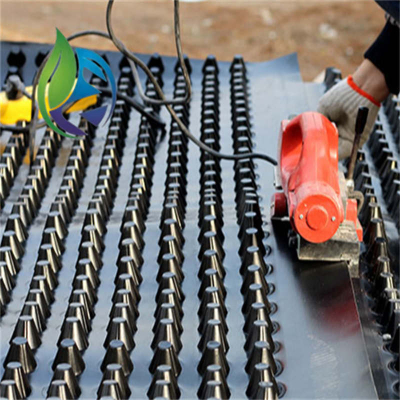
Geogrid: Building a solid support for infrastructure reinforcement
Geogrid: Building a Solid "Hard Support" for Infrastructure Reinforcement
Across the globe, more countries are putting money into fixing old, potholed roads, expanding railways, and shoring up wobbly embankments. The main goal? To build infrastructure that’s stronger, lasts longer, and doesn’t need constant patching. Roads carrying heavy trucks day in and day out, railways stretching over soft, squishy soil, embankments beaten by rain and erosion—all of these need materials that can take pressure, stand up to natural wear, and stay stable for decades. That’s where geogrid comes in. It’s not flashy, not by a long shot, but it’s a total game-changer in construction. Earned itself a reputation as a "hard support" for modern infrastructure, thanks to its unique grid design and no-nonsense practicality. You can barely skip it in projects where soil reinforcement and stability matter—from upgrading narrow rural roads to building massive highway interchanges, geogrid works quiet behind the scenes, keeping infrastructure solid and safe for years.
The Core Value of Geogrid in Modern Infrastructure
Modern infrastructure projects don’t have it easy. Soft soil that shifts with little warning, extreme weather like heavy rains or scorching heat, even unexpected ground movements—you hit these problems all the time. Old-school reinforcement tricks? Think piling up heavy concrete blocks or compacting soil the way we used to decades ago. They just don’t cut it anymore. Short on efficiency, short on long-term toughness. You end up with roads that crack in a few years, embankments that sink slow, and maintenance that eats right into budgets. Geogrid fixes these issues because it’s made to work with soil, not fight it. It’s got good tensile strength—so it won’t stretch or break easy when under pressure—and it plays nice with soil particles. Lay it in roadbeds or foundations, and it spreads the weight of traffic or structures evenly. Cuts down on soil deformation, too—stops cracks or subsidence before they even start.
A key use picking up steam lately is the geogrid retaining wall. It’s the go-to when you need to support slopes and embankments, especially tricky spots. Old-style retaining structures usually depend on heavy stuff—concrete blocks or stone piles that weigh a ton. Rigid, heavy, and if soil shifts even a tiny bit? They crack or cave in. Geogrid retaining walls are different. Blend flexibility and strength, no extra heft needed. They can adapt to small soil movements—like the kind after a rainstorm or a cold snap—still stay structurally sound. That makes them perfect for areas where erosion or landslides are common: hilly regions, coastal zones, spots with loose, sandy soil. Lock soil in place tight, and lower the risk of dangerous collapses that could mess up nearby roads or buildings.
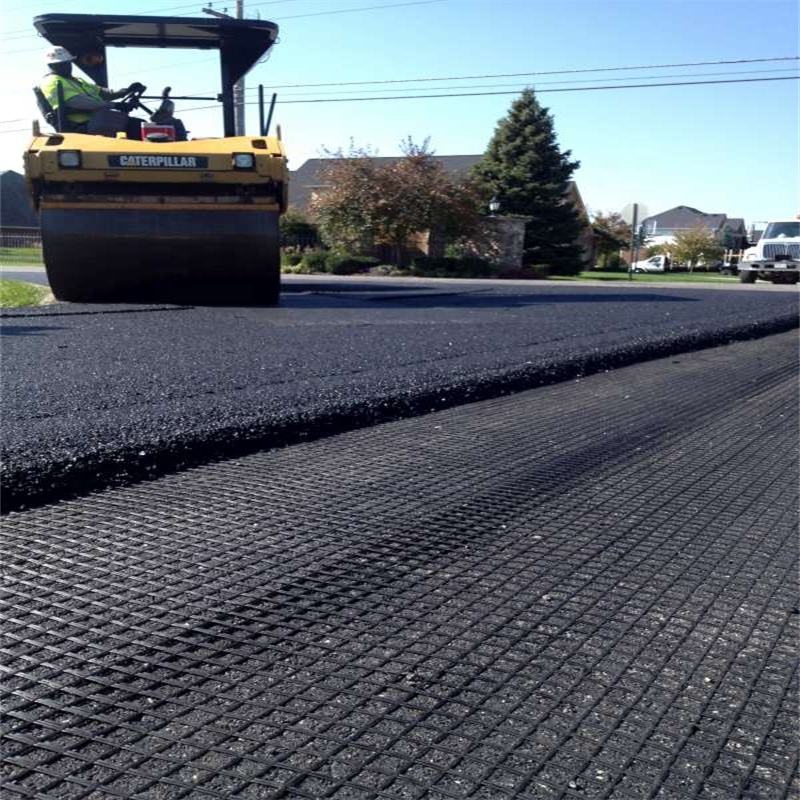
What makes geogrid stand out? It boosts soil’s bearing capacity without adding any weight. That’s a huge win for construction teams. Lighter materials are easier to haul to remote job sites—no massive trucks needed—and faster to install. You don’t spend weeks moving heavy concrete or waiting for materials to set. This slashes construction costs big time and speeds up timelines, which helps both contractors and communities. Whether you’re using it for small residential jobs (like driveways on soft soil) or big public infrastructure (airport runways, say), geogrid performs steady. Meets modern engineering’s strict standards, and you don’t need fancy tools or special training to use it.
How Geogrid Works: Principles and Adaptable Scenarios
To really get why geogrid works so well, you need to look at how it interacts with soil—it’s simple, but actually pretty clever. The material has a grid structure with open holes—sort of like a giant, heavy-duty mesh. Nothing fancy, just tough. Lay it on soil, cover it with more soil or gravel, and soil particles lock right into those holes. This makes a combined system: geogrid takes on tensile forces (the ones pulling materials apart), soil provides compressive strength (the ones pushing together). The result? Reinforced soil that’s way stronger than regular soil. Handles heavier loads—think hundreds of trucks rolling by every day—and resists sideways movement that would make slopes slide or roadbeds shift.
Not all geogrids are the same, though. Manufacturers make different types for specific needs. Polyester geogrid does great in high temperatures. Build a road where the summer sun beats down hard, temps hit 40°C+, and polyester geogrid won’t soften up or lose strength. Perfect for hot climates—parts of the Middle East or Australia, for example. Polypropylene geogrid, though, is great at resisting chemicals. If your project’s near industrial sites or farms with acidic or alkaline soil, it won’t corrode or break down over time. Glass fiber geogrid’s another option—super strong, doesn’t stretch at all. Ideal for projects where precision matters, like bridge approaches where even small shifts can cause problems.
When it comes to slope stabilization, the geogrid retaining wall is hard to beat for adaptability. You can cut it to fit almost any slope angle—gentle 30-degree ones to steeper 60-degree ones—and it works with all soil types, from loose sand to heavy clay. Geogrid’s flexibility lets the retaining wall soak up small ground movements without cracking. Soil shifts a little after rain or a freeze-thaw cycle? The geogrid bends slightly instead of breaking. Keeps the whole structure stable. This adaptability makes it a top pick for tricky terrains: mountainous areas, riverbanks that flood sometimes, places where soil changes fast. These are spots where traditional rigid structures often fail, but geogrid retaining walls hold their own. Contractors love ’em because they’re easy to work with; communities love ’em because fewer repairs, safer surroundings.
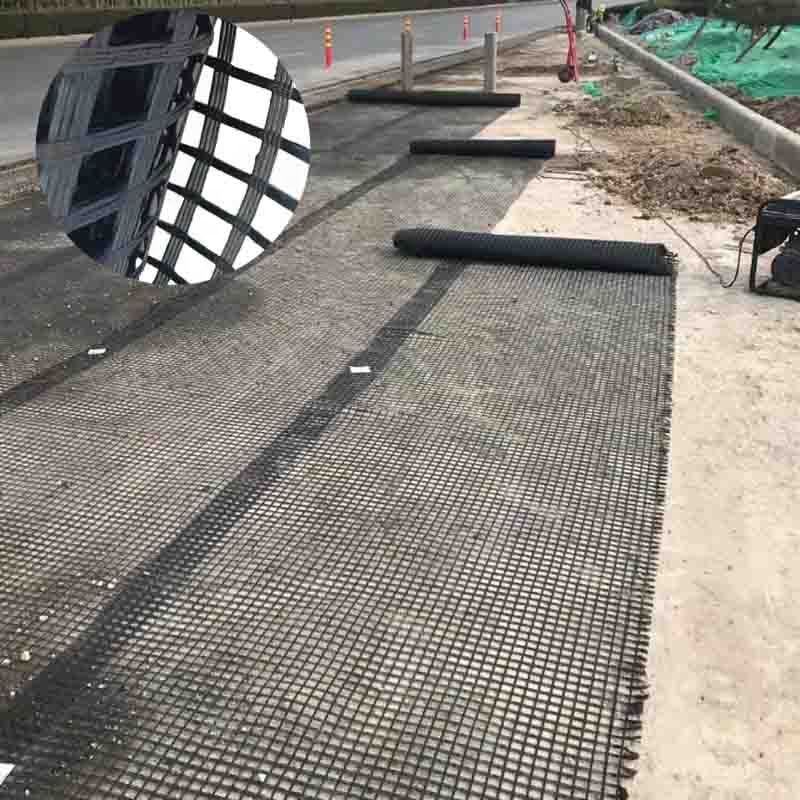
Key Factors for Selecting High-Quality Geogrid
Walk into any construction supply shop, and you’ll spot dozens of geogrid rolls—some cheap, some pricey, all claiming to be the best. Pick the wrong one, and your project might fall apart—it’s make-or-break. Can’t just grab the first thing on the shelf. Need to think about these key factors to get good performance and value. First up: tensile strength. High-quality geogrid should keep its strength under heavy loads, even after years of use. Don’t just take the manufacturer’s word for it—check the specs, look for third-party test reports. They’ll tell you exactly how much weight it can handle before stretching or breaking. No test data? Probably not worth the risk.
Durability’s another big one. Geogrid’s mostly used outdoors—out in the sun, rain, all kinds of weather. Needs to resist UV rays (too much sun breaks down some materials over time), chemical corrosion from soil or water, even damage from plant roots or bugs. Products with anti-UV coatings are safe bets for outdoor projects, especially sunny regions. If you’re working in harsh soil—acidic or salty coastal soil, say—look for geogrid with better chemical resistance. Might cost more upfront, but lasts longer, saves you from replacing it halfway through the project.
How well it fits your construction process matters too—especially when installing a geogrid retaining wall. Good geogrid’s easy to work with. Should cut clean with regular tools, lay flat without bunching up, fasten easy to gravel or concrete. Too stiff? Hard to shape around slopes. Too flimsy? Tears when you handle it. Poorly designed geogrid slows your whole team down, causes delays, risks messing up the structure’s integrity. So choose user-friendly products. Talk to contractors who’ve been in the game a while—they’ll tell you which brands hold up during installation, which are more trouble than they’re worth.
Also, being kind to the environment matters more and more in modern construction. Clients, governments, communities—all care about cutting a project’s footprint. Geogrid made from recyclable materials or produced with low-carbon processes fits right into sustainable infrastructure goals. Cuts waste, uses fewer resources, leaves a smaller carbon footprint. Some manufacturers even make fully biodegradable geogrid for eco-sensitive areas—national parks, for example. Choosing green options isn’t just good for the planet—it makes your project more attractive to clients, helps meet green building standards.
Future Trends: Geogrid Driving Sustainable Infrastructure Development
The world’s moving toward infrastructure that’s strong, sustainable, tough enough to handle whatever comes. Climate change brings more extreme weather—bigger rains, hotter heatwaves—and growing populations mean infrastructure has to take more pressure while using fewer resources. Geogrid’s perfectly placed to play a bigger role here. Material tech’s getting better, so geogrid’s improving too—higher strength-to-weight ratios (stronger but lighter) and way better environmental performance. Researchers are even testing bio-based geogrid—made from plant fibers, things like hemp or flax—that’s just as durable as traditional plastic or polyester, but fully biodegradable.
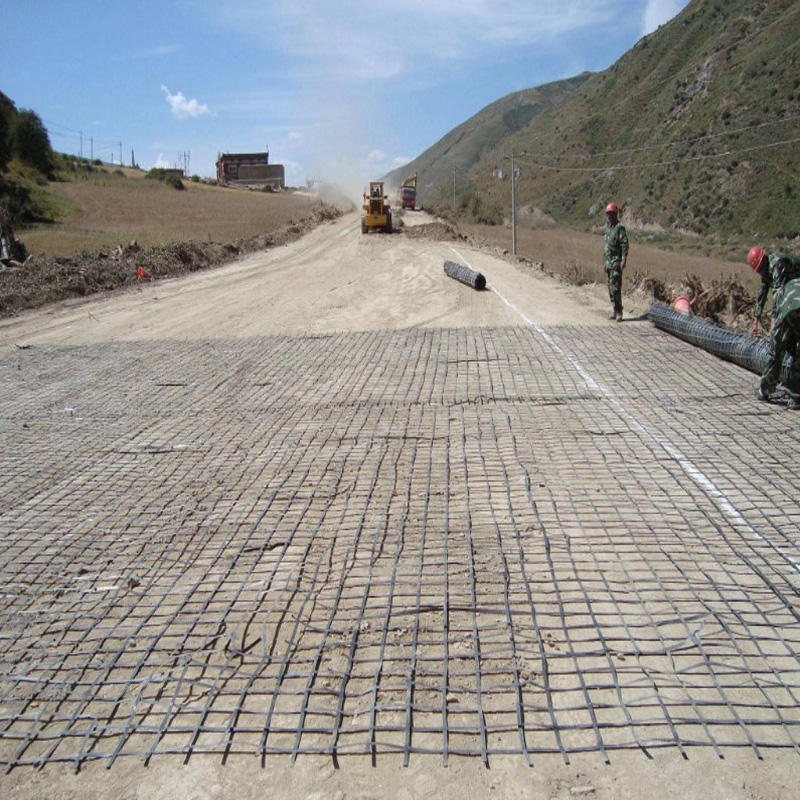
The geogrid retaining wall’s evolving too. Old designs only cared about stability, but new ones mix function with being kind to the environment. A lot of modern versions have built-in drainage systems to stop water from piling up—water pressure’s a top cause of retaining wall failure. Some even let vegetation grow through—grass or small plants, for example. These green walls stabilize slopes, improve soil health, support biodiversity, fit with nature. Perfect for eco-friendly projects—roads through nature reserves or strengthening riverbanks in residential areas. Look better than plain concrete, too, and better for the planet.
Another trend? Pairing geogrid with smart construction tech. Already used in big projects around the world. Engineers stick small sensors into geogrid to monitor soil pressure, temperature, moisture in real time. Data goes to a central system, so teams can keep an eye on how it’s performing. Pressure gets too high in one spot, or moisture makes soil shift? The system sends an alert. Lets engineers fix issues early—before they turn into big, expensive problems. Cuts maintenance costs, makes infrastructure last longer, boosts safety. European and North American projects already use smart geogrid for highway slopes and railway embankments—results are great: fewer failures, less upkeep, more reliable infrastructure.
Global infrastructure investment leans on geogrid’s versatility and cost-effectiveness. Countries in Asia, Africa, Latin America—all upgrading their transport networks. Need materials that work in all kinds of conditions—tropical rainforests with lots of rain to dry deserts. Geogrid fits: adaptable, easy to install, no expensive equipment needed. Builds rural roads that connect remote villages to markets, major highways that cut travel time, coastal embankments that protect communities from flooding. Every time a road stays smooth for a decade instead of five, or a slope holds during a storm—geogrid makes that difference. Supports economic growth, makes lives safer, better.
Conclusion
Geogrid’s solidly a cornerstone of modern infrastructure reinforcement—and for good reason. Offers unmatched strength, flexibility, durability at a price that makes sense. Its ability to stabilize soil, boost load-bearing capacity, cut maintenance makes it invaluable for engineers, contractors, project managers worldwide. The geogrid retaining wall, especially, shows how well it handles big infrastructure challenges. Not just a structure— a reliable fix for steep slopes, coastal floodplains, more. Replaces heavy, rigid walls with lighter, longer-lasting ones.
As infrastructure gets more complex and sustainability becomes key, geogrid’ll keep innovating. Its role in building resilient, long-lasting projects can’t be replaced. New materials, smarter designs, tech integration—all just make it more useful. For anyone in infrastructure development, choosing high-quality geogrid isn’t just checking a box—it’s investing in safety, efficiency, sustainability. The difference between a road that needs repaving every few years and one that stays smooth, or an embankment that holds through storms.
Geogrid isn’t going anywhere. Stay at the forefront of infrastructure reinforcement, adapt to new challenges. Help build a world where roads, railways, buildings stand strong against time—even as climate change and population growth add pressure. Its status as a "hard support" is well-deserved. Not complicated, but it just works—consistently, dependably, no fuss. Its impact on global development’ll stick around for generations, as more communities get stronger, safer infrastructure that’s built to last.