The Ecological Application of Geomembranes in Rainwater Harvesting and Man-Made Lake Landscapes
Product Definition
The ecological application of geomembranes in rainwater harvesting and man-made lake landscapes refers to the engineered use of impermeable polymeric liners to control seepage, stabilize hydraulic systems, and protect surrounding ecosystems while enabling long-term water storage and landscape performance.
Technical Parameters and Specifications
The ecological application of geomembranes in rainwater harvesting and man-made lake landscapes requires strict performance control under hydraulic, chemical, and environmental exposure.
| Parameter | Typical Range | Test Standard |
|---|---|---|
| Thickness | 0.5–2.5 mm | ASTM D5199 / ISO 9863-1 |
| Tensile Strength | 15–28 MPa | ASTM D6693 |
| Elongation at Break | 600–800% | ASTM D6693 |
| Puncture Resistance | 300–600 N | ASTM D4833 |
| Hydrostatic Pressure Resistance | ≥ 0.8 MPa | Project Design Standard |
| Service Temperature | -40°C to +60°C | Manufacturer Protocol |
Structure and Material Composition
The ecological application of geomembranes in rainwater harvesting and man-made lake landscapes depends on functional multi-layer liner architecture.
Top Protection Layer: Non-woven geotextile cushioning fabric
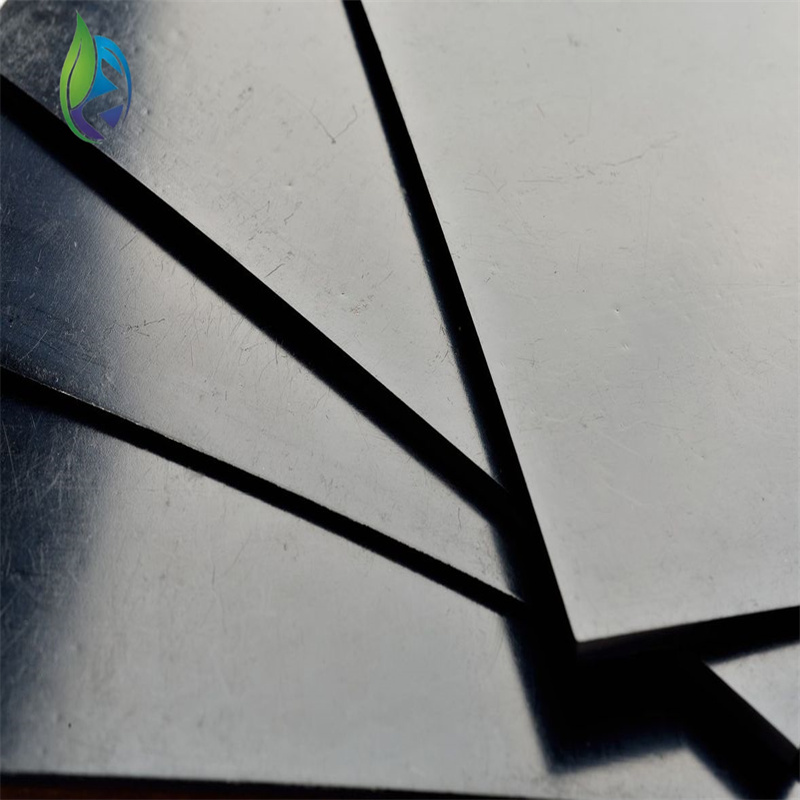
Core Barrier Layer: HDPE, LLDPE, or EVA geomembrane sheet
Anchor System: Concrete trench or mechanical anchorage
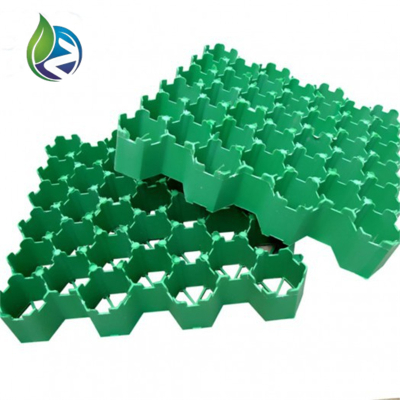
Cover Layer: Soil, gravel, or decorative landscape stone
Manufacturing Process
The ecological application of geomembranes in rainwater harvesting and man-made lake landscapes relies on industrial-grade liner manufacturing.
Polymer resin blending and drying.
Flat die or blown film extrusion through controlled temperature zones.
Thickness calibration using automated gauge control systems.
Surface texturing via embossing rollers (when required).
Inline spark testing for pinhole detection.
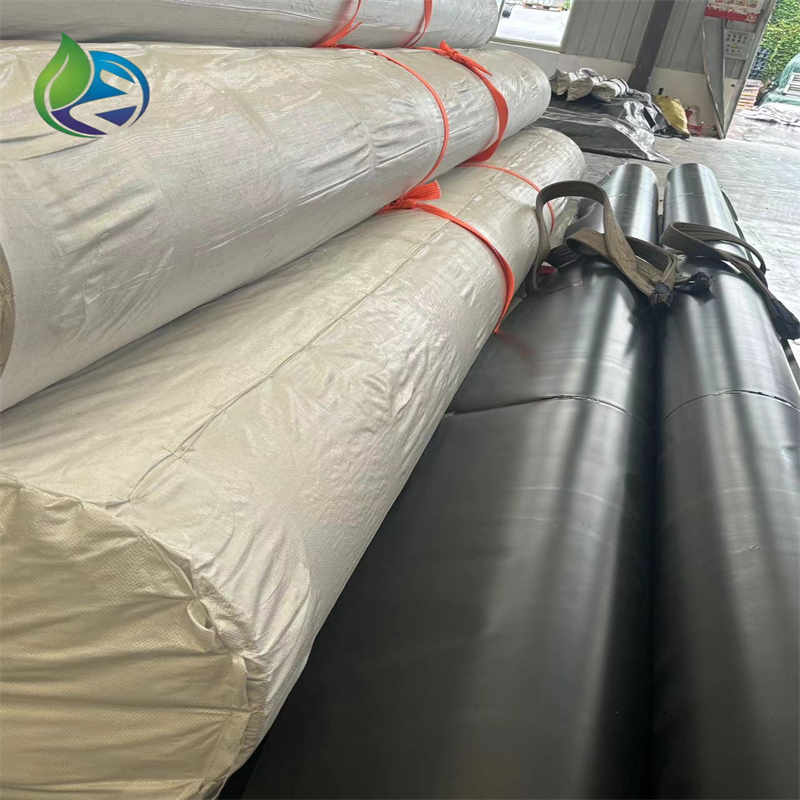
Winding, labeling, and batch traceability control.
Industry Comparison
| System Type | Seepage Control | Durability | Ecological Impact | Typical Use |
|---|---|---|---|---|
| Geomembrane System | Excellent | High | Controlled | Lakes, reservoirs, harvesting tanks |
| Compacted Clay Liner | Moderate | Medium | High Soil Disturbance | Traditional ponds |
| Concrete Basin | Excellent | High | High Carbon Footprint | Urban storage structures |
| Asphalt Liner | High | Medium | Moderate | Canals and basins |
Application Scenarios
The ecological application of geomembranes in rainwater harvesting and man-made lake landscapes is adopted by EPC contractors, distributors, and public infrastructure developers.
Urban rainwater harvesting reservoirs
Artificial landscape lakes and wetland parks
Industrial stormwater retention basins
Agricultural irrigation storage ponds
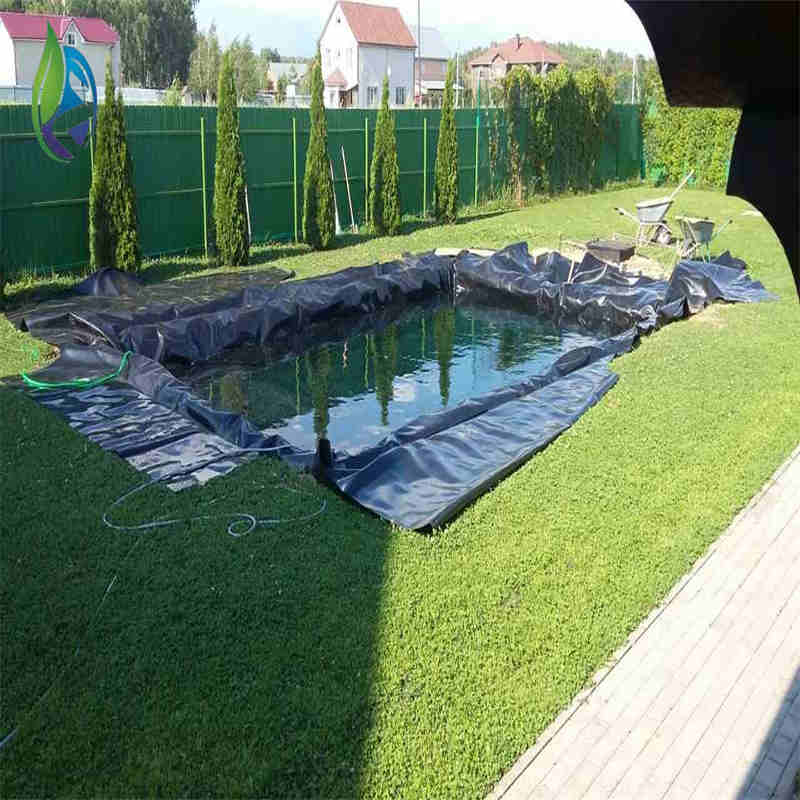
Residential eco-lake landscape systems
Core Problems and Engineering Solutions
Problem: High seepage loss in soil-based ponds
Solution: Geomembrane systems provide impermeable hydraulic barriers.Problem: Unstable lake slopes
Solution: Reinforced liner with anchorage and protective layers.Problem: Water quality contamination
Solution: Chemically resistant geomembrane isolates surrounding soil.Problem: High long-term maintenance cost
Solution: Durable liners reduce dredging and leakage repair needs.
Risk Warnings and Mitigation Recommendations
Avoid mechanical damage during backfilling by using cushioning geotextiles.
Control thermal expansion when welding large-area seams.
Prevent UV exposure with timely cover installation.
Verify subgrade smoothness before liner deployment.
Procurement and Selection Guide
Define hydraulic volume and water depth requirements.
Select geomembrane thickness based on hydrostatic head.
Confirm chemical compatibility with stored water.
Evaluate seam welding method and available field equipment.
Check relevant international test certifications.
Request project-specific samples for laboratory and pilot testing.
Verify supplier traceability and production quality systems.
Engineering Case Study
In a municipal rainwater harvesting project covering 18,000 m², a 1.5 mm HDPE geomembrane system was installed with double-track hot wedge welding and vacuum seam testing. The completed basin achieved zero measurable seepage during 72-hour hydraulic testing and reduced annual water loss by more than 85% compared with the original compacted soil structure.
FAQ
Q1: What is the expected service life?
A: Typically 30–50 years under covered conditions.Q2: Can fish and aquatic plants be used?
A: Yes, with protective and ecological cover layers.Q3: What seam methods are used?
A: Hot wedge and extrusion welding.Q4: Can geomembranes handle freeze–thaw cycles?
A: Yes, within specified temperature ranges.Q5: How is leakage tested on site?
A: By vacuum box and air channel testing.Q6: What minimum slope is recommended?
A: Typically 1:2.5 to 1:3 for lakes.Q7: Are liners resistant to algae growth?
A: Yes, when protected with cover layers.Q8: Can recycled materials be used in production?
A: Yes, under controlled quality protocols.Q9: What is the minimum overlap for seaming?
A: 100–150 mm.Q10: How is installation quality documented?
A: Through daily welding logs and test reports.
CTA
For project quotations, technical documentation, and engineered samples of geomembrane systems for rainwater harvesting and man-made lake landscapes, procurement teams are requested to submit detailed project parameters for professional technical evaluation.
E-E-A-T Author Credentials
This article is prepared by a civil and environmental geosynthetics engineer with over 15 years of experience in hydraulic containment, landscape lake engineering, and rainwater harvesting infrastructure,参与多项国家及国际标准制定与大型工程技术评审。