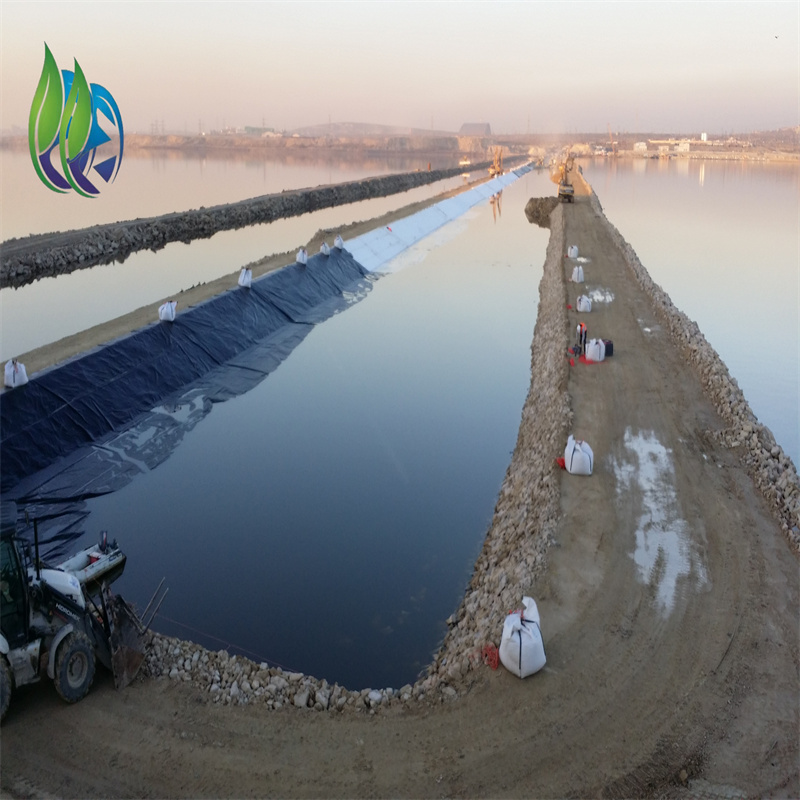
Safe Pond Liner HDPE
Manufacturing Process
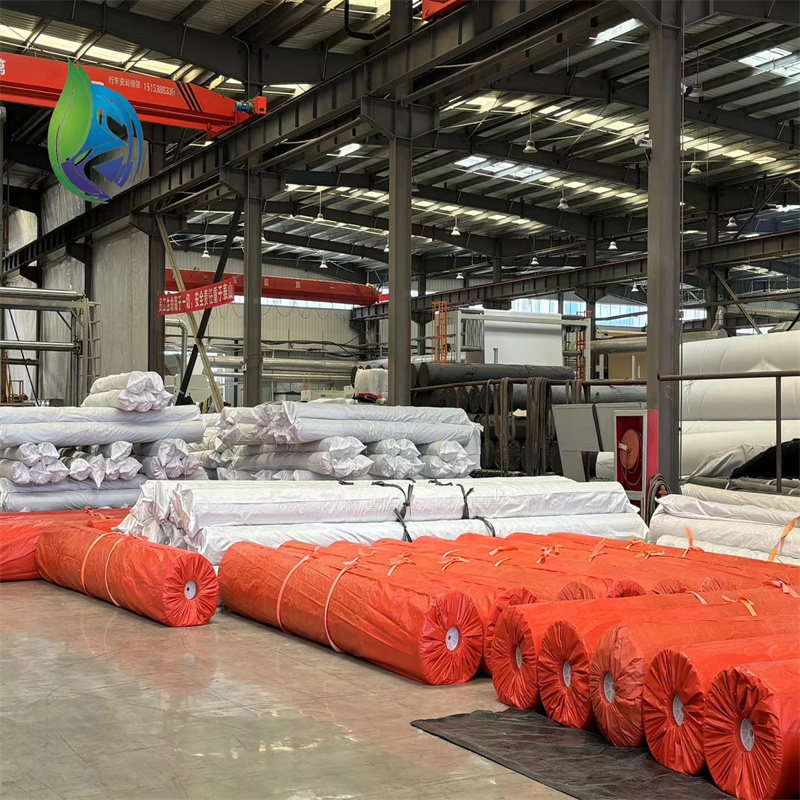
The manufacturing of Safe Pond Liner HDPE follows controlled industrial processes to ensure consistent engineering performance.
Process Steps
Raw material batching and gravimetric dosing
High-temperature extrusion through flat-die or blown-film systems
Thickness calibration and surface treatment
Online quality inspection (thickness, pinholes)
Controlled cooling and stress release
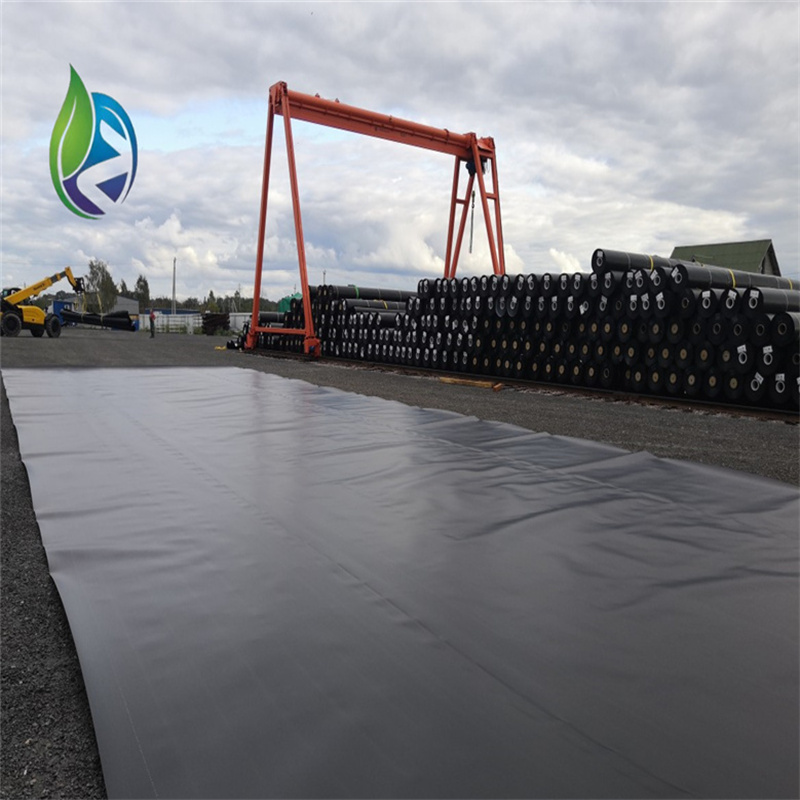
Roll winding and batch identification
Product Definition
Safe Pond Liner HDPE is a high-density polyethylene geomembrane designed for long-term pond, reservoir, and water containment systems, providing reliable anti-seepage performance, chemical resistance, and structural durability under complex environmental and hydraulic conditions.
Technical Parameters and Specifications
The following parameters reflect commonly adopted engineering-grade specifications for Safe Pond Liner HDPE used in water containment projects.
| Parameter | Typical Range |
|---|---|
| Thickness | 0.5 mm – 3.0 mm |
| Density | ≥ 0.94 g/cm³ |
| Tensile Strength (Yield) | ≥ 15 MPa |
| Elongation at Break | ≥ 700% |
| Puncture Resistance | ≥ 400 N |
| Carbon Black Content | 2.0% – 3.0% |
| Service Temperature | -40°C to +60°C |
| Design Service Life | ≥ 20 years (proper installation) |
Structure and Material Composition
Safe Pond Liner HDPE adopts a homogeneous polymer structure optimized for water containment safety:
Primary Layer: Virgin HDPE resin for impermeability and chemical stability
Carbon Black Dispersion: UV resistance and aging control
Antioxidant System: Long-term thermal and oxidative protection
Optional Textured Surface: Enhanced slope stability for embankments
Manufacturing Process
The manufacturing of Safe Pond Liner HDPE follows controlled industrial processes to ensure consistent engineering performance.
Process Steps
Raw material batching and gravimetric dosing
High-temperature extrusion through flat-die or blown-film systems
Thickness calibration and surface treatment
Online quality inspection (thickness, pinholes)
Controlled cooling and stress release
Roll winding and batch identification
Key Equipment
HDPE flat-die extrusion lines
Automatic thickness monitoring systems
Surface texturing rollers (optional)
Laboratory testing instruments
Industry Comparison
| Material | Impermeability | Durability | Installation Complexity | Typical Applications |
|---|---|---|---|---|
| Safe Pond Liner HDPE | Excellent | High | Moderate | Ponds, reservoirs, aquaculture |
| PVC Liner | Good | Medium | Low | Decorative ponds |
| Clay Liner | Moderate | Low | High | Temporary containment |
| EPDM Rubber | Good | Medium | Low | Landscape ponds |
Application Scenarios
Safe Pond Liner HDPE is widely adopted by EPC contractors, distributors, and engineering firms in:
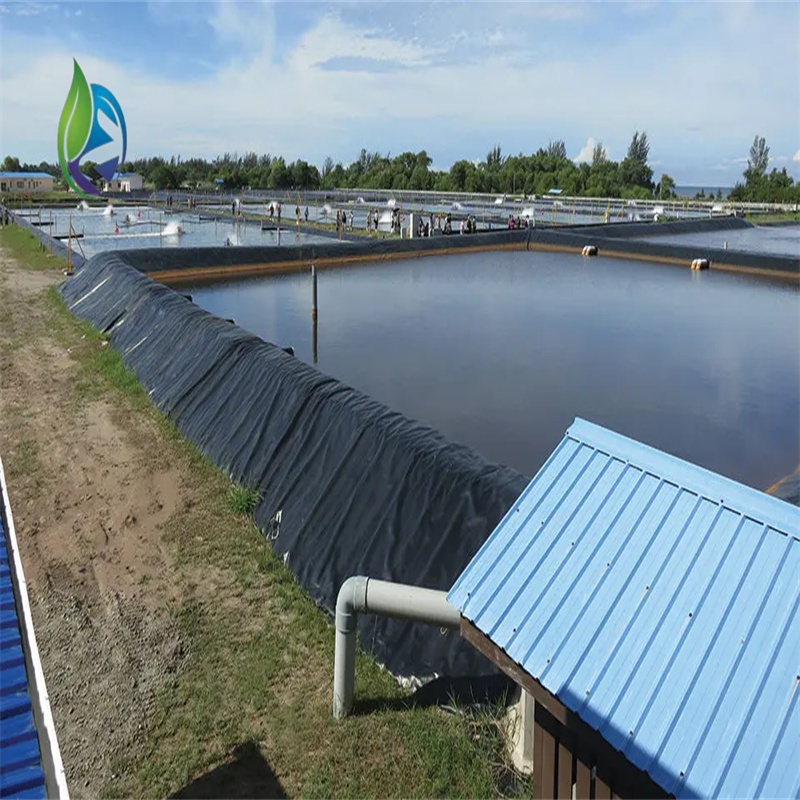
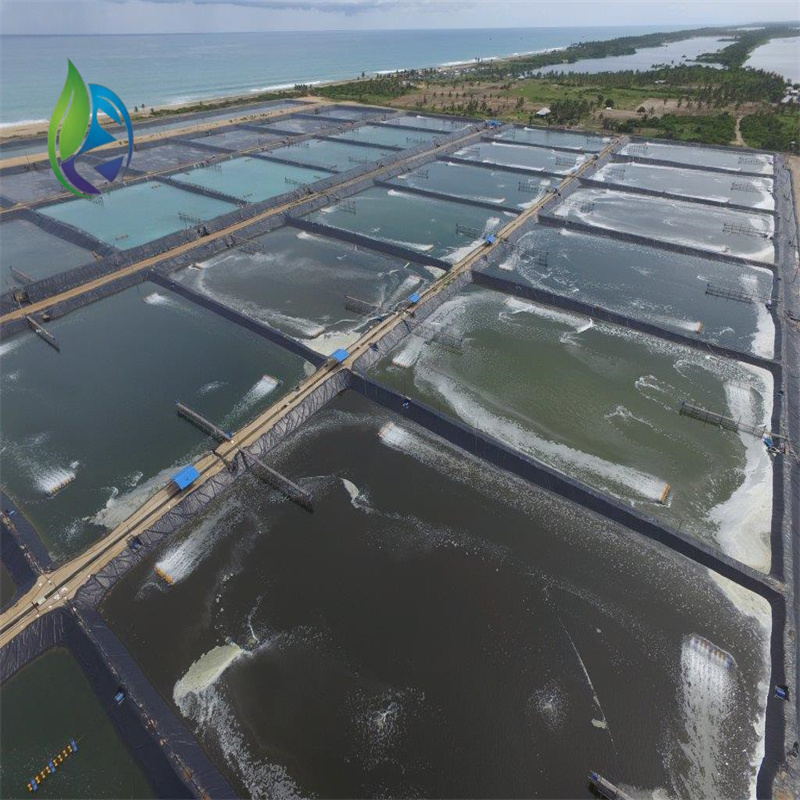
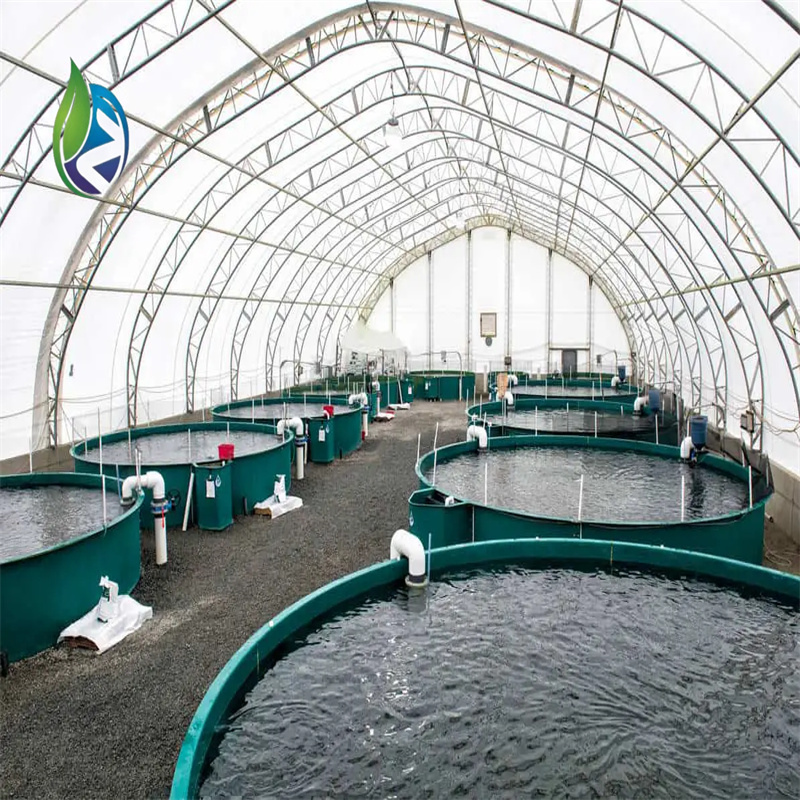
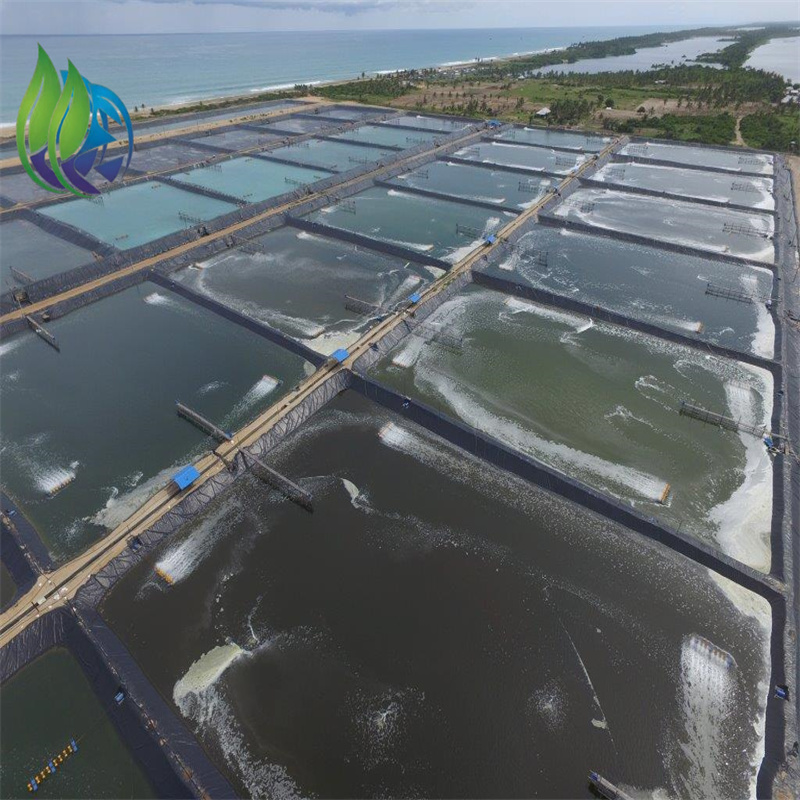
Aquaculture ponds and shrimp farming systems
Irrigation reservoirs and water storage ponds
Landscape and artificial lakes
Industrial wastewater holding ponds
Emergency water retention basins
Core Engineering Pain Points and Solutions
Seepage Loss: HDPE provides near-zero permeability
UV Degradation: Carbon black stabilized formulation
Subgrade Settlement: High elongation accommodates deformation
Chemical Exposure: Excellent resistance to acids and alkalis
Risk Warnings and Mitigation Measures
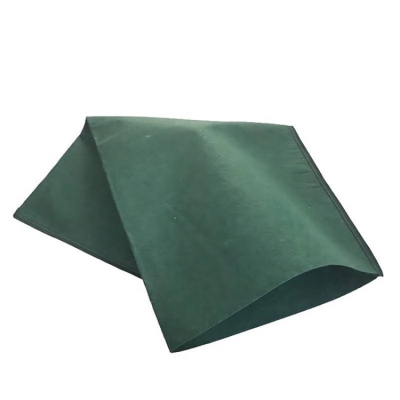
Risk of puncture from sharp subgrade → implement protective geotextile
Thermal expansion stress → allow installation slack
Welding defects → require certified welding technicians
Improper anchoring → design compliant anchor trenches
Procurement and Selection Guide
Define pond size, depth, and hydraulic load
Select appropriate liner thickness
Confirm UV exposure and climate conditions
Specify smooth or textured surface
Verify compliance with relevant standards
Evaluate supplier quality control and traceability
Plan installation and welding method
Engineering Case Example
In a 25,000 m² aquaculture pond project, a 1.5 mm Safe Pond Liner HDPE was installed over a compacted clay subgrade with protective geotextile. Dual-track hot wedge welding was applied, achieving leakage-free performance after hydraulic testing and two years of continuous operation.
FAQ
Q1: What thickness is suitable for fish ponds?
A: Typically 0.75–1.5 mm.Q2: Is HDPE safe for aquaculture?
A: Yes, inert and non-toxic.Q3: Can it be repaired on-site?
A: Yes, using extrusion welding.Q4: What is the roll width?
A: Commonly 5–8 meters.Q5: Does it resist algae growth?
A: Smooth surface reduces adhesion.Q6: Is textured liner necessary?
A: Recommended for slopes.Q7: How long is the service life?
A: Over 20 years with proper installation.Q8: Can it be used in cold regions?
A: Yes, down to -40°C.Q9: Is geotextile mandatory?
A: Strongly recommended.Q10: How is quality verified?
A: Factory and on-site testing.
Call to Action
For engineering drawings, technical datasheets, or project-based quotations of Safe Pond Liner HDPE, please submit your design parameters and installation requirements for professional evaluation.
E-E-A-T Author Credentials
This article is prepared by technical specialists with over 10 years of experience in geosynthetics engineering, water containment design, and international infrastructure material procurement, supporting EPC contractors and distributors across multiple regions.