
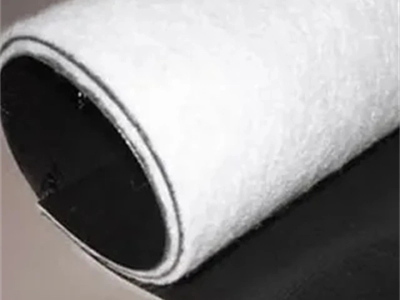
A regional landfill operator faced a critical challenge: they needed a fast, dependable way to control leachate runoff, nuisance odors, and wind‑blown waste from an active cell during a multi‑month construction phase. The work area featured steep side slopes, temporary haul roads, and highly…
2026/01/22 09:30
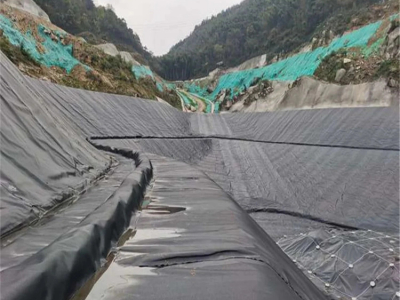
Selecting the correct HDPE geomembrane thickness is arguably the single biggest driver of long-term landfill liner performance. It directly influences puncture resistance, seam welding reliability, slope stability (especially on steep sidewalls), and installation speed. Most importantly, it…
2026/01/22 09:00
Discover the 2024 standards for HDPE Geomembrane performance. Learn about UV stability, 8m wide rolls, seam testing, and essential procurement tips for landfills and ponds.
I. Core Performance Standards for HDPE Geomembrane
The foundation of modern geomembrane application rests on adherence to…
2026/01/22 09:00
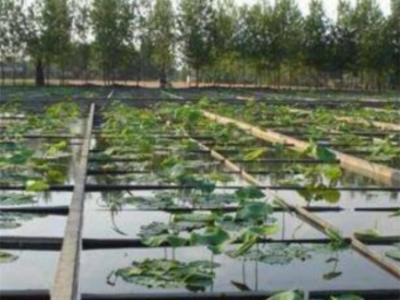
Choosing between High-Density Polyethylene (HDPE) and Low-Density Polyethylene (LDPE) geomembranes is critical for containment projects, as the best material depends on balancing flexibility requirements against the need for superior chemical resistance and durability.
HDPE vs. LDPE Geomembrane:…
2026/01/21 09:30
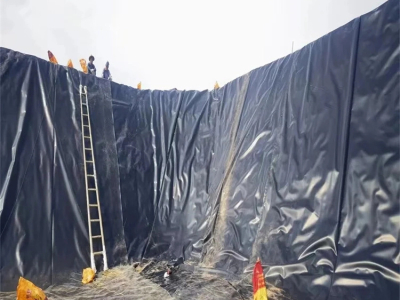
Secondary containment around tanks, ponds, and industrial bunds has one job: keep spills where they belong—without turning construction into a long, expensive, detail-heavy project. For many low- to medium-risk facilities, an LDPE geomembrane delivers a strong balance of flexibility, fast…
2026/01/21 09:00
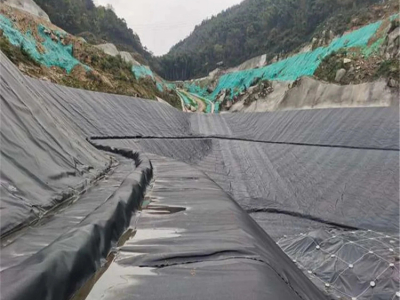
Selecting the correct HDPE geomembrane thickness is arguably the single biggest driver of long-term landfill liner performance. It directly influences puncture resistance, seam welding reliability, slope stability (especially on steep sidewalls), and installation speed. Most importantly, it…
2026/01/20 11:49
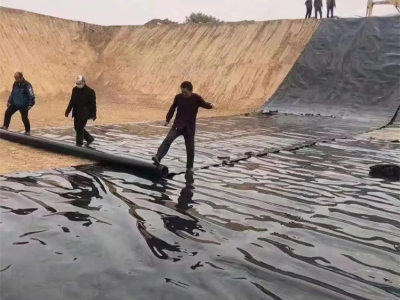
Leakage is one of the most expensive risks in mining and waste management. A small seepage path in a tailings basin, a landfill cell, or a wastewater lagoon can lead to groundwater impacts, operational shutdowns, regulatory penalties, and significant long-term remediation costs. That is why HDPE…
2026/01/20 11:44
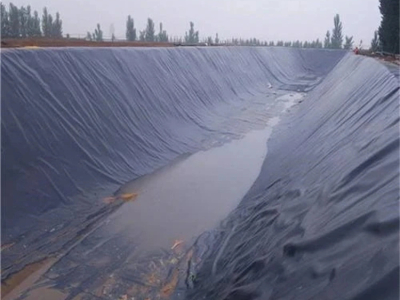
Modern waste, mining, and water projects face increasing pressure from tighter environmental regulations, aggressive process liquids, and rising expectations for long-term risk management. In practice, this pressure impacts one critical area immediately: containment performance. When a facility…
2026/01/20 11:40
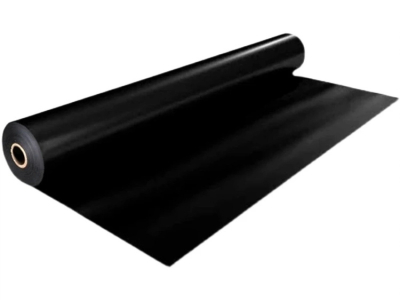
In tunnel and basement projects, the question isn’t only “How long will it last?”—it’s “What do we need to do so it lasts as long as we designed it to?” For engineered EVA waterproof material (EVA geomembrane) installed in underground structures, a practical, conservative expectation is:Typical…
2026/01/20 11:38
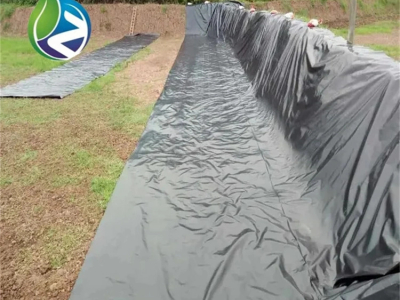
EVA waterproof material is waterproof by design, and when it’s manufactured and installed as a continuous EVA geomembrane, it can deliver the watertight barrier tunnel owners expect. In practice, though, tunnel leaks are rarely caused by “the polymer not being waterproof.” They’re usually caused by…
2026/01/19 17:14
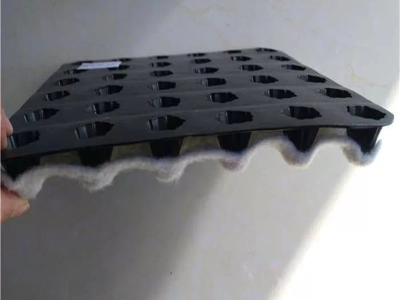
Water remains the most common hidden cause of premature damage in civil and building projects—especially behind retaining walls, around basements, on plaza decks, and within road subgrades. A composite drainage board offers a clean, roll-based method to create a drainage path, filter soil fines,…
2026/01/19 17:12
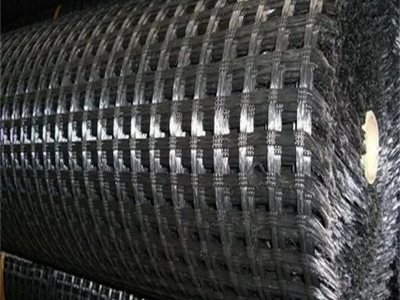
A composite drainage board solves a familiar jobsite problem: moving water away from structures quickly—without thick gravel layers, heavy excavation, or unpredictable on-site compaction. Built as a factory-made drainage geocomposite, it combines a 3D polymer drainage core with geotextile filter…
2026/01/19 17:11
