What Is a Composite Drainage Board—and When Should You Use One?
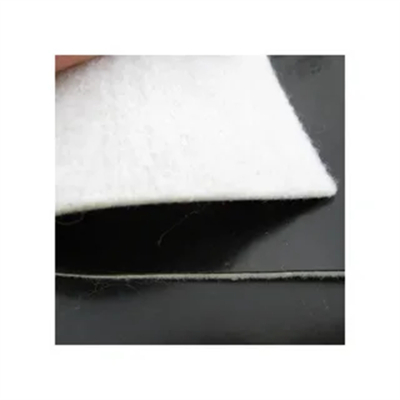
A composite drainage board solves a familiar jobsite problem: moving water away from structures quickly—without thick gravel layers, heavy excavation, or unpredictable on-site compaction. Built as a factory-made drainage geocomposite, it combines a 3D polymer drainage core with geotextile filter layers (and sometimes a geomembrane), creating a thin, high-capacity drainage path for foundations, retaining walls, roofs, and landfills.
At Shandong Zhuyuan New Materials Co., Ltd., our Tri-dimension Composite Geonet and Composite Net for Drainage are practical examples of a composite drainage board: lightweight roll products designed to replace bulky aggregate drains while maintaining reliable in-plane flow under long-term load.

What Is a Composite Drainage Board?
In geotechnical and waterproofing projects, a composite drainage board is a prefabricated drainage geocomposite engineered to collect water through a filter layer and discharge it laterally (or vertically) inside a drainage core.
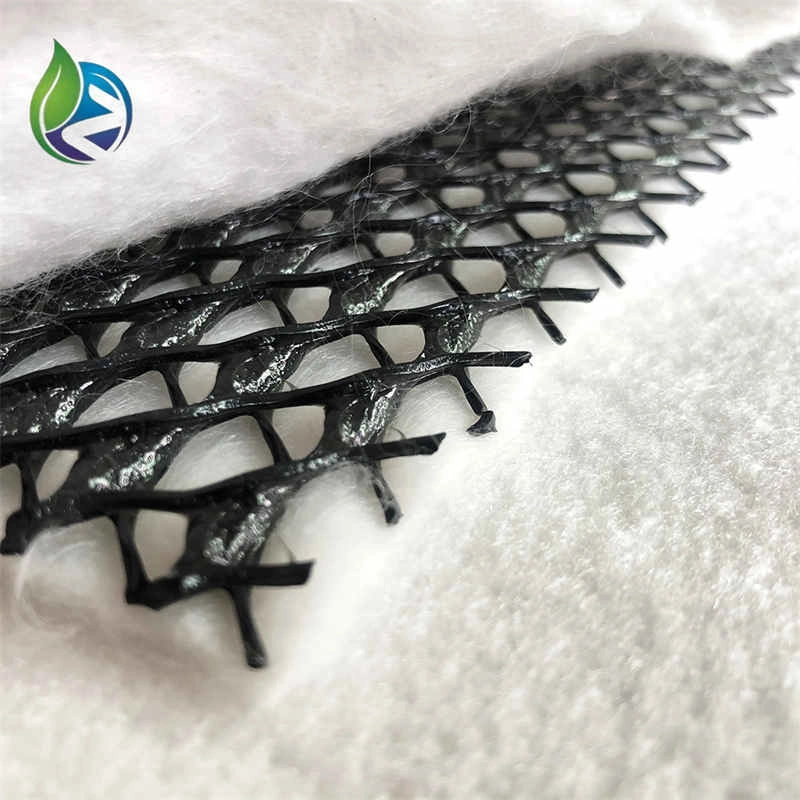
A typical system includes:
- 3D HDPE geonet core (often S-shaped or tri-net), creating continuous flow channels.
- Nonwoven geotextile on one or both sides for filtration, separation, and core protection.
- Optional HDPE geomembrane on one side when drainage and waterproofing must work together.
Water passes through the geotextile, enters the core, and travels within the plane of the composite drainage board to an outlet or collector. The geotextile keeps soil fines from migrating into the core, helping the drainage geocomposite maintain flow capacity over the project's lifespan.
Key Performance Indicators to Verify
When specifying a composite drainage board, focus on performance under real load—not just nominal thickness.
- Transmissivity under load: In-plane flow capacity at design normal stress.
- Filtration compatibility: Geotextile permittivity and AOS matched to soil gradation.
- Core compressive strength and creep resistance: To reduce long-term thickness loss.
- Durability: HDPE resistance to UV, acids/alkalis, and typical soil chemicals (buried or exposed).
Standards such as ASTM D7931 are commonly used to interpret drainage geocomposite testing, including reduction factors for creep and intrusion. Final allowable flow rates should come from the product datasheet and be checked against project loads and environmental conditions.
Where Composite Drainage Boards Are Used
Because a composite drainage board replaces thick aggregate drains with a thin engineered layer, it fits many water-management details where space, weight, or schedule matters.
1) Foundations and Subgrades
Under slabs or between foundation and subbase, a composite drainage board acts effectively to:
- Drain excess water and help block capillary water rise.
- Shorten drainage path length toward edge outlets.
- Reduce fine particle migration from subbase into structural layers.
- Help mitigate moisture-related issues in cold climates, including frost heave risk.
In many projects, a drainage geocomposite provides the needed in-plane flow with only millimeters of thickness—reducing excavation and backfill volume.
2) Retaining Wall Drainage Board
A retaining wall drainage board is typically installed full-height against the wall. The geotextile faces the backfill to filter soil fines, while the core channels water down to collector pipes at the base. This setup relieves hydrostatic pressure, directly improving wall performance and reducing unsightly seepage marks.
This is one of the clearest use cases for a composite drainage board because it replaces thick gravel zones while keeping drainage continuous across the entire wall structure.

3) Tunnels, Basements, and Roadbeds
In tunnels and basements, composite drainage boards can be paired with waterproofing systems to form a continuous drainage layer behind linings, protecting waterproofing from localized water pressure and reducing moisture-related durability issues in concrete.
In roadbeds and embankments, a composite drainage board helps keep base and subbase layers from staying saturated—supporting longer pavement life.
4) Green Roof and Landscape Systems
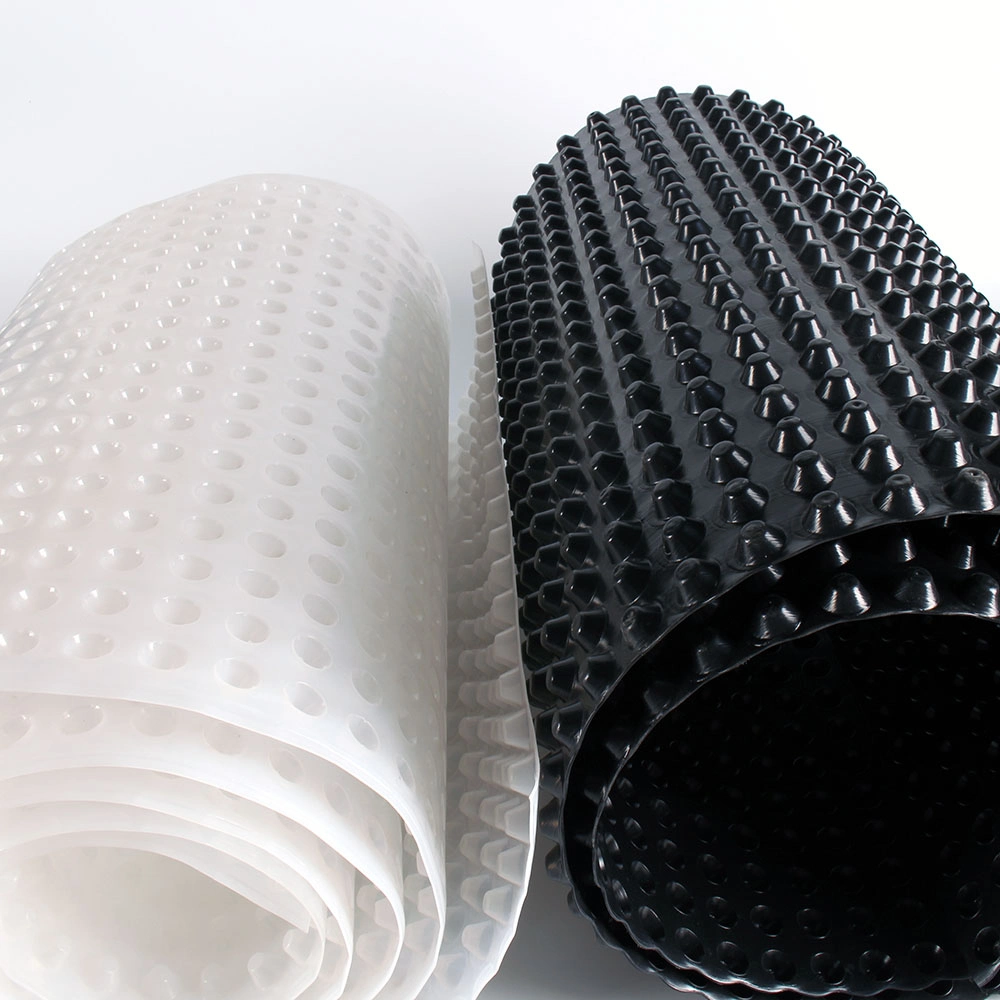
A green roof drainage board (often dimpled or channeled) is designed to move excess water while supporting the growing medium. In roof gardens, podium decks, and landscaped terraces, a composite drainage board works to:
- Replace heavy gravel layers and reduce dead load.
- Create consistent drainage voids and improve aeration.
- Provide separation and protection above waterproofing.
5) Landfill and Environmental Projects
In containment projects, a composite drainage board (as a landfill drainage geocomposite) is commonly used to collect and convey leachate, reduce pressure acting on geomembranes, and provide long-term performance in chemically active environments. When engineered correctly, replacing thick aggregate layers with a drainage geocomposite preserves usable space and reduces hauling costs.
Composite Drainage Board vs. Gravel: A Practical Comparison
| Parameter | Composite Drainage Board | Gravel/Sand Drain |
|---|---|---|
| Typical Thickness | ~5–10 mm | ~150–300 mm |
| Installation Weight | Low | High |
| Quality Consistency | Factory-controlled | Depends on placement/compaction |
| Excavation Volume | Minimal | Large |
| Clogging Control | Built-in geotextile filter | Often needs separate filters |
| Speed | Fast roll installation | Slower, equipment-intensive |
For walls, roofs, and basements where space is tight, a composite drainage board reduces labor, site disruption, and schedule risk.
Design & Installation Best Practices
- Prepare the surface: Ensure it is clean, level, and free of sharp stones.
- Orient for flow: Roll the drainage geocomposite toward edge drains, sumps, or collector pipes.
- Overlap correctly: Typically 10–20 cm; keep channels continuous.
- Detail outlets: Connect to perforated pipes or channels; protect junctions with geotextile wraps.
- Backfill with care: Avoid point loads and heavy equipment directly on the composite drainage board.
- Inspect before covering: Check for punctures, torn geotextile, and blocked outlets.
Company, Contact, and Next Steps
Shandong Zhuyuan New Materials Co., Ltd. supplies composite drainage board solutions for civil and environmental drainage, including:
- Tri-dimension Composite Geonet (3D HDPE core + nonwoven geotextile)
- Composite Net for Drainage (geonet + geotextile + optional geomembrane)
- Garden and green roof drainage board systems for landscape assemblies
Request datasheets, CAD details, samples, or a quotation:
- Email: sale01@zygeosynthetic.com
- Phone/WhatsApp: +86 15615641112
- Product page: Tri-dimension Composite Geonet

FAQ
Is a composite drainage board the same as a drainage geocomposite? Yes, in most project specs. A composite drainage board is a type of drainage geocomposite made from an HDPE core (such as a geonet) combined with geotextile filter layers. Can a composite drainage board replace gravel behind a retaining wall? Often, yes. This applies when the retaining wall drainage board is designed specifically for the wall height, outlet detailing, and transmissivity under load. How long does an HDPE geonet geocomposite last? HDPE-based drainage geocomposites are selected for durability and resistance to common soil chemicals. Actual service life depends on load, temperature, burial conditions, and exposure, but they are designed for long-term performance.