How Long Does EVA Waterproof Material Last in Tunnels and Basements?
In tunnel and basement projects, the question isn’t only “How long will it last?”—it’s “What do we need to do so it lasts as long as we designed it to?” For engineered EVA waterproof material (EVA geomembrane) installed in underground structures, a practical, conservative expectation is:
- Typical design life: 20–30 years for EVA waterproof material in tunnels and basements under normal underground conditions
- Fully buried and well protected systems: 25–40 years of useful service is commonly achievable
- If long-term exposure to UV and harsh chemicals is unavoidable: HDPE geomembrane is often preferred for 50+ years of exposed durability

Real-world EVA waterproof material lifespan: what to expect
When EVA waterproof material is used as a tunnel or basement waterproofing layer, its longevity is usually dictated less by the polymer name and more by exposure conditions, protection layers, and installation quality.
In real underground builds, the membrane is typically covered by concrete lining, screed, or backfill, which dramatically reduces sunlight exposure and stabilizes temperature swings. That’s why EVA waterproof material lifespan in tunnels and basements can be notably longer than in exposed applications.
Crucially: local “edge” areas (terminations, upturns, temporary exposure during construction) often define the lower bound of EVA waterproof material lifespan. If these areas receive prolonged sunlight before being covered, aging can accelerate.
What actually determines EVA waterproof material durability?
1) Formulation, stabilizers, and manufacturing consistency
Not all EVA sheets are equal. For long-term performance, engineered grades of EVA waterproof material typically rely on:
- A stable EVA formulation suitable for underground waterproofing
- Additives such as antioxidants and UV absorbers (especially important for semi-exposed details)
- Process control that avoids thin spots, gels, or weak zones that can initiate cracking
What to request when evaluating EVA waterproof material:
- Accelerated aging results and property retention (tensile/elongation)
- Recommended welding procedures for the selected EVA waterproof material
- Clear guidance for temporary protection if the membrane will be exposed during construction
2) Thickness selection (puncture and construction tolerance)
Thickness does not automatically “double the life,” but it often improves puncture resistance and construction tolerance, which reduces early damage risk. Designers typically move to thicker EVA waterproof material when:
- The substrate is rough or hard to smooth
- Groundwater pressure is higher
- Maintenance access after handover is limited
3) Exposure class: UV, temperature cycling, and chemicals
EVA waterproof material performs best underground, where UV exposure is minimal. The main risks come from:
- UV radiation during storage, staging, and temporary exposure on site
- Temperature cycling at semi-exposed edges and terminations
- Aggressive chemicals (site-specific—always confirm compatibility if groundwater or construction chemicals are unusual)
4) Mechanical protection: the most overlooked lifespan multiplier
In tunnels and basements, premature failure is more often caused by mechanical damage than by “old age.” A robust system for EVA waterproof material normally includes:
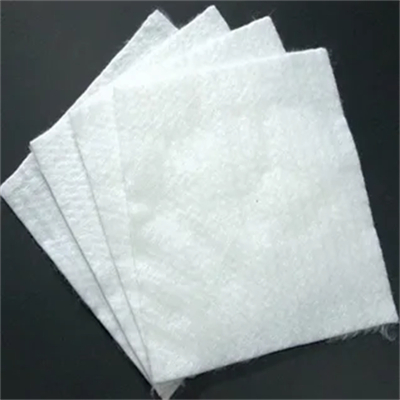
- A nonwoven geotextile cushion beneath the membrane where puncture risk exists
- A protection layer above the membrane (screed, protective plates, or concrete protection depending on structure)
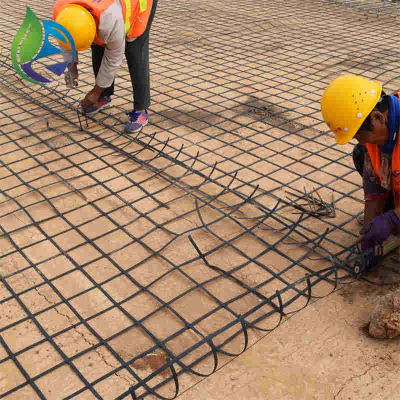
- Substrate preparation to remove protrusions and sharp points
5) Seam quality and inspection discipline
Across all geomembranes, seams fail first when quality control is weak. To protect EVA waterproof material lifespan, projects typically specify:
- Trial welds at shift start or equipment changes
- Non-destructive testing (e.g., vacuum box, air channel test where applicable)
- Periodic destructive tests (peel and shear) following the project QA plan

Why tunnel and basement projects often choose EVA waterproof material
For underground structures, flexibility matters. Our tunnel-dedicated EVA waterproof material is designed to support the detailing and movement demands found in:
- Subway and railway tunnels
- Highway and mountain tunnels
- Basements and underground parking structures
- Underground storage and utility spaces
Where stiffer liners can struggle at complex geometry, EVA waterproof material offers practical advantages:
- High flexibility and crack-bridging: helps maintain continuity across minor concrete movement
- Good conformability: easier detailing around joints, penetrations, and curved surfaces
- Efficient welding and repair: supports long-term maintainability in confined spaces
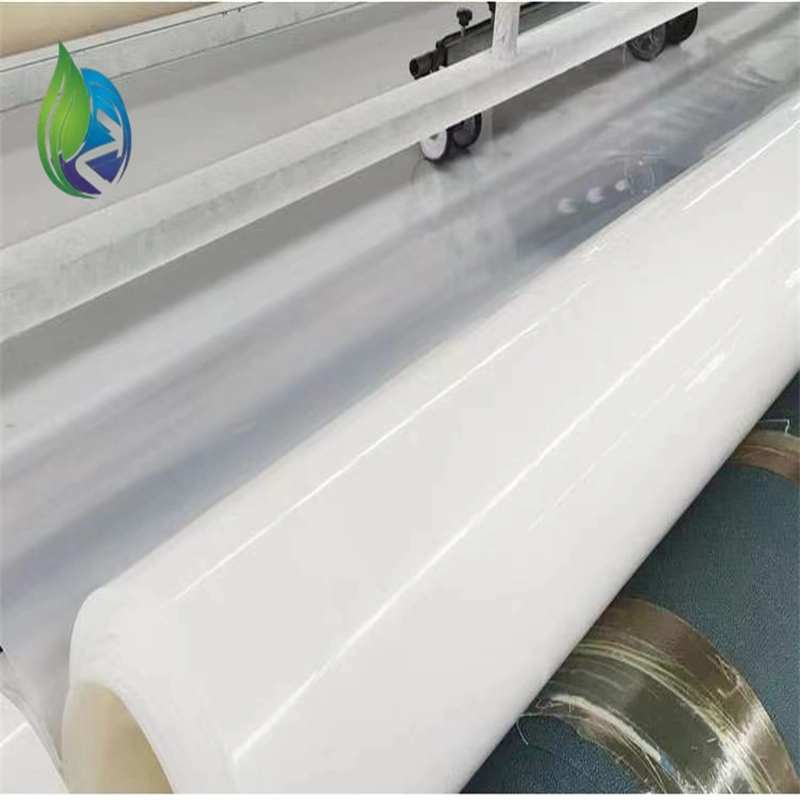
Internal product link: Tunnel-Dedicated EVA Waterproof Material
EVA vs HDPE vs LDPE: choosing the right long-term waterproofing membrane
No membrane is “best” in every environment. The right choice depends on movement, exposure, and the design life target.
| Aspect | EVA Waterproof Material (EVA Geomembrane) | HDPE Geomembrane | LDPE Geomembrane |
|---|---|---|---|
| Typical underground design life | ~20–30 years (often 25–40 years with strong protection) | Often 50+ years under standard service conditions | Project-specific; typically lower than HDPE in long-term exposed scenarios |
| Flexibility / crack-bridging | Excellent | Moderate (stiffer) | Better than HDPE, below EVA |
| UV & long-term exposed resistance | Good with stabilizers, but not ideal for long-term full exposure | Very high (common choice for exposed containment) | Moderate |
| Typical fit | Tunnels, basements, underground structures | Landfills, reservoirs, industrial ponds, containment | Smaller ponds, lighter containment, details |
If your priority is structural movement and complex detailing, EVA waterproof material is often the balanced choice for tunnels and basements. If the membrane must remain exposed long-term, HDPE geomembrane is typically specified.
Internal link: HDPE Geomembrane
How to specify EVA waterproof material for a 20+ year design life
A long EVA waterproof material lifespan is usually the result of a complete system specification—not a single line item.
Practical specification points
- Define the exposure class: fully buried vs semi-exposed edges; note any chemical exposure
- Confirm thickness and roll sizing: selected based on puncture risk, groundwater pressure, and constructability
- Specify protection layers: geotextile cushioning and an upper protection course before reinforcement/backfill
- Set seam QA requirements: trial welds, NDT, and periodic destructive testing with documented results
Common mistakes that shorten EVA waterproof material lifespan
- Skipping geotextile cushioning on rough substrates
- Leaving EVA waterproof material exposed to sunlight for extended periods during construction
- Using untrained crews for welding or lacking seam inspection records
- Poor drainage design that increases hydrostatic pressure unnecessarily
Operation and maintenance: simple habits that extend service life
Even though EVA waterproof material is typically buried, good asset practices still help maximize the waterproofing system’s life:
- Include waterproofing checks during scheduled tunnel/basement inspections
- Investigate early signs of seepage promptly (localized moisture, staining)
- Repair accessible defects with heat-welded patches using trained technicians
- Keep weld maps and repair logs for lifecycle management
Quick FAQ: EVA waterproof material lifespan
Can EVA waterproof material last 50 years?
In fully exposed conditions, a reliable 50-year life for standard EVA waterproof material is uncommon. Underground, well-protected systems may exceed 30 years, but if you need a 50+ year exposed design life, HDPE geomembrane is usually the safer specification.
How long will EVA waterproof material last in a buried tunnel?
A conservative expectation is 20–30 years. With cushioning, protection layers, and high-quality seams, 25–40 years is a realistic range in many underground projects.
Is EVA waterproof material suitable in cold climates?
Yes—flexibility at low temperatures is one reason EVA waterproof material is widely used in tunnels and underground structures. Always confirm the selected grade on the datasheet for your project climate.
How repairable is EVA waterproof material?
Highly repairable. Heat-welded patches and follow-up testing make localized repairs practical when access is available.
Practical checklist before ordering EVA waterproof material
- Target design life and exposure class
- Substrate roughness and puncture risk assessment
- Required protection layers (geotextile, screed/plates/concrete)
- Welding method and seam QA/testing frequency
- Documentation needs (datasheets, aging reports, weld maps)
To review options and get project-specific recommendations:
For technical support, samples, or test reports, contact Qiuy Lv via WhatsApp or email sale01@zygeosynthetics.com.