Where is the geocell used? Is it secure?
Geocell Applications and Security
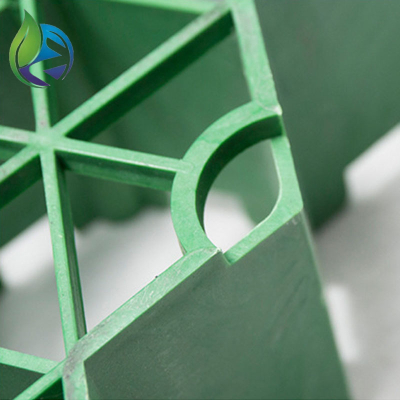
Geocells are a type of three-dimensional honeycomb-like structure made from high-density polyethylene (HDPE) or other polymers, designed to provide soil stabilization, reinforcement, and erosion control. The geocell technology is widely used across several industries for improving the strength and stability of soil, enhancing the longevity of infrastructure projects, and preventing environmental damage.
1. Applications of Geocell
Geocells are incredibly versatile and can be used in a variety of applications, making them essential in modern construction and civil engineering projects. Here are the primary uses of geocells:
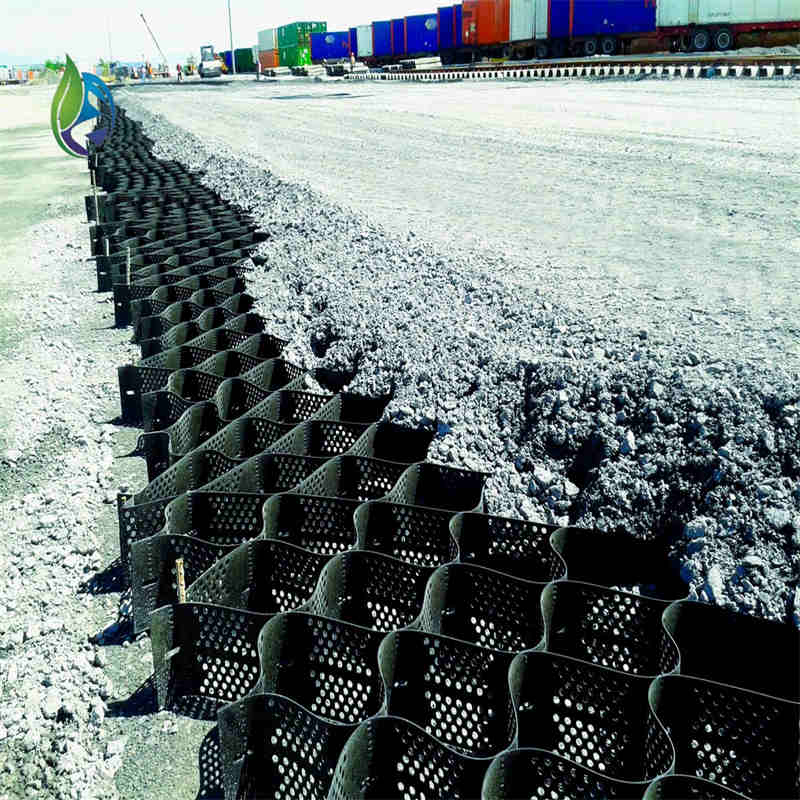
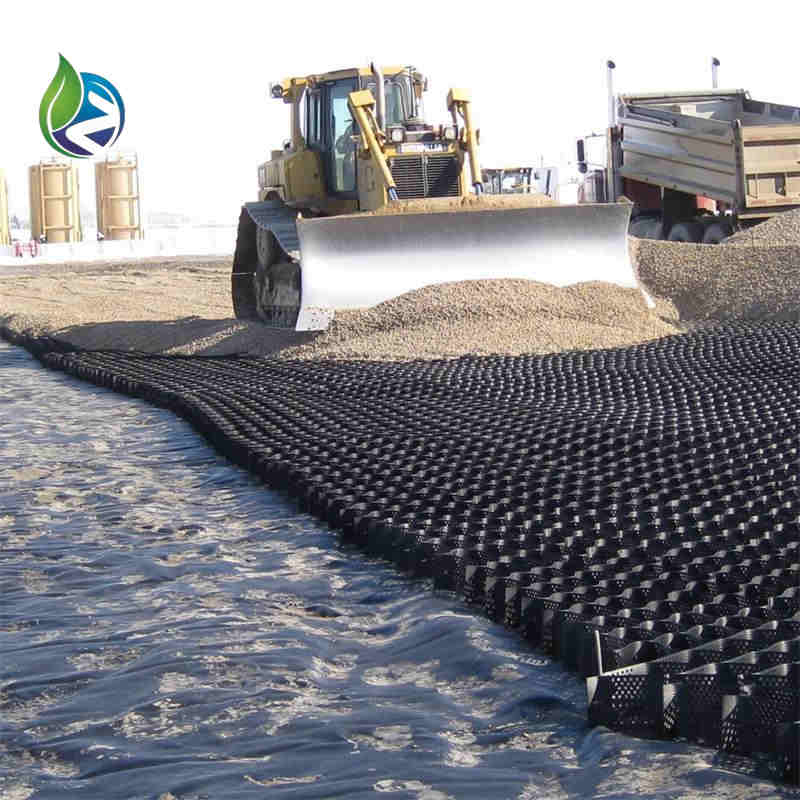
Soil Stabilization: Geocells are primarily used for soil stabilization in areas with weak, loose, or soft soil. By distributing loads over a wider area, geocells prevent soil erosion and enhance the strength of the foundation. This application is common in the construction of roads, railways, and foundations.
Erosion Control: Geocells are extensively used in erosion-prone areas like riverbanks, coastal zones, and hillsides. They help reduce soil erosion by stabilizing the surface and controlling water flow, which is especially useful for protecting sensitive ecosystems.
Reinforcement of Roads and Pavements: In road construction, geocells provide reinforcement, preventing cracking and shifting in the roadbed. This is especially beneficial in areas with weak or unstable soil, allowing for a stronger, more durable road system.
Slope Protection: In areas with steep inclines or slopes, geocells can be installed to protect the soil from sliding, shifting, or erosion. This is commonly used in the construction of highways, embankments, and retention walls.
Landfills and Waste Management: Geocells are utilized in landfill projects for waste containment and stabilization. They create a robust foundation layer, ensuring that waste materials do not cause soil contamination or leakage.
Military and Emergency Applications: In emergency scenarios or military projects, geocells can be deployed quickly to create temporary roads, landing strips, or barriers for preventing erosion in disaster-stricken areas or conflict zones.
Landscape and Environmental Protection: Geocells help in landscaping projects by stabilizing soils and enhancing the aesthetics and functionality of green spaces, parks, and recreational areas.
2. Is Geocell Secure?
Yes, geocells are considered to be highly secure and reliable, providing numerous benefits that make them ideal for various applications:
Durability and Longevity: The materials used to manufacture geocells are typically UV-stabilized HDPE or similar polymers, making them resistant to degradation from exposure to the sun, moisture, and harsh environmental conditions. This ensures that geocells remain stable and effective for many years, providing long-term security and reinforcement.
Load Distribution: One of the primary advantages of geocells is their ability to distribute loads evenly across the surface. This prevents localized pressure points that could lead to soil failure or erosion. By creating a stable surface for structures like roads or buildings, geocells contribute to the overall safety and security of these infrastructures.
Protection Against Erosion: In areas prone to erosion, geocells create a secure, controlled environment that minimizes soil movement and protects against the effects of wind and water erosion. This is particularly important for maintaining the integrity of foundations, slopes, and embankments.
Security in Harsh Conditions: Geocells are designed to function in extreme conditions, including high loads, variable temperatures, and exposure to water. Their use in flood-prone or high-traffic areas ensures that the structures they protect remain secure and intact.
Environmental Security: By providing stabilization and reducing the need for extensive excavation or soil modification, geocells are environmentally friendly and help preserve natural landscapes. Their use in erosion control, especially along rivers or coastal areas, provides additional protection for surrounding ecosystems, safeguarding the environment against damage.
Installation and Maintenance: Geocells are easy to install and maintain, which contributes to their security. Unlike traditional methods of soil reinforcement, geocells can be quickly deployed, reducing the risk of failure during the installation process. Additionally, because they require minimal maintenance once installed, the risk of issues arising over time is minimized.
3. Conclusion
Geocells are a secure and effective solution for a variety of civil engineering and environmental protection applications. They offer long-term durability, enhanced stability, and erosion control, making them a reliable choice for projects that require soil reinforcement or environmental protection. From road construction to military applications, geocells are a versatile and secure technology that ensures the safety and longevity of infrastructure while contributing to environmental preservation.
The security and effectiveness of geocells come from their design and materials, ensuring that they can withstand harsh conditions, improve load distribution, and prevent erosion. Their ability to provide long-lasting solutions makes them an essential component in modern construction and land management projects.