The Role of Plastic Geogrids in Eco - pleasant Engineering
Product Definition
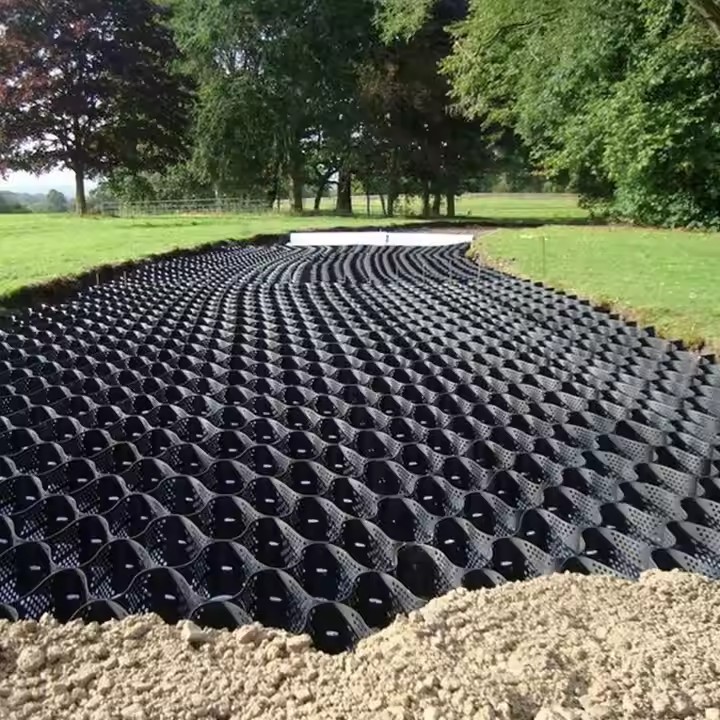
Plastic geogrids are polymer-based reinforcement structures designed to improve soil stability, enhance load distribution, and support eco-pleasant engineering projects such as slopes, green retaining walls, and ecological roadbeds. Their high tensile strength, low creep, and long-term durability make them essential in sustainable geotechnical construction.
Technical Parameters and Specifications
Tensile Strength (MD/TD): 20–80 kN/m
Elongation at Break: ≤10%
Aperture Size: 10×10 mm – 40×40 mm (depending on type)
Raw Material: HDPE / PP
Width: 1–6 m
Roll Length: 50–200 m
UV Resistance: ≥90% retention after 500 hours
Creep Limit Strength (10,000 hrs): ≥50% of initial strength
Structure and Material Composition
Polymer Base Layer: High-density polyethylene (HDPE) or polypropylene (PP) for tensile capacity.
Molecularly Oriented Ribs: Improve strength-to-weight ratio.
Interlocking Nodes: Enhance soil–grid friction and confinement.
Stabilized Additives: Anti-UV, anti-oxidation, and anti-aging compounds.
Eco-Interface Surface Texture: Enhances vegetation bonding in green engineering.
Manufacturing Process
Raw Material Preparation: PP/HDPE pellets dried and mixed with anti-UV additives.
Extrusion: Sheet extrusion using a high-precision single-screw extruder.
Punching: Automated hole-punching machine forms uniform apertures.
Directional Stretching: Mono-axial or bi-axial orientation via high-temperature tensile equipment.
Thermal Stabilization: Controlled cooling ensures node bonding and structural integrity.
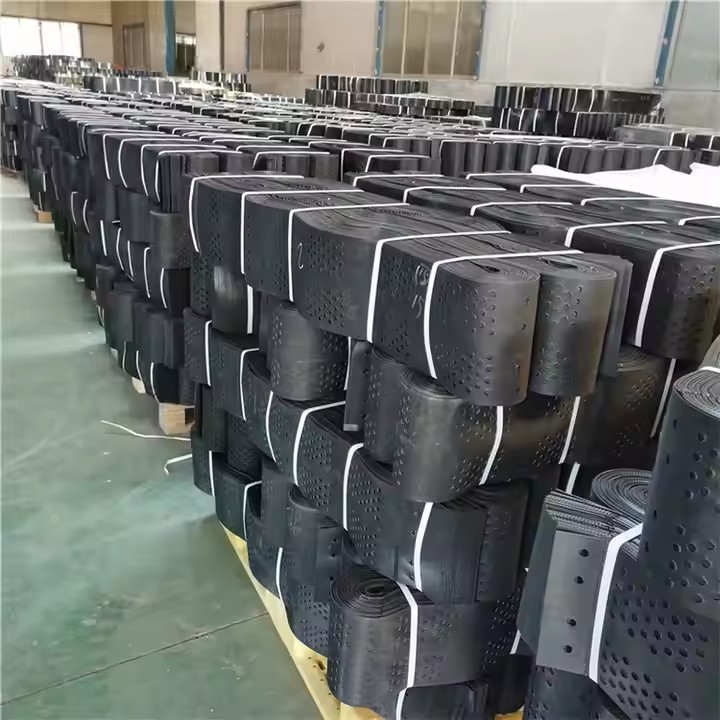
Rolling and Packaging: Industrial winding followed by mechanical compression for transport efficiency.
Industry Comparison
| Material | Main Function | Durability | Eco-Friendliness | Cost Level |
|---|---|---|---|---|
| Plastic Geogrid | Soil reinforcement, load distribution | High (UV & chemical resistance) | Medium–High | Moderate |
| Metal Mesh | Reinforcement | Medium (corrosion risk) | Low | High |
| Geotextile | Filtration & separation | Medium | High | Low–Moderate |
| Concrete Block System | Retaining & erosion control | High | Low | High |
Application Scenarios
EPC Contractors: Steep slope reinforcement, erosion control systems.
Engineering Companies: Ecological retaining walls, load-bearing platforms.
Municipal Projects: Roadbeds, embankments, green landscape structures.
Agricultural Engineering: Eco-friendly terraces, irrigation channels.
Real Estate Developers: Green walls, landscape earthwork stabilization.
Core Pain Points and Solutions
Pain: Slope instability on soft soil.
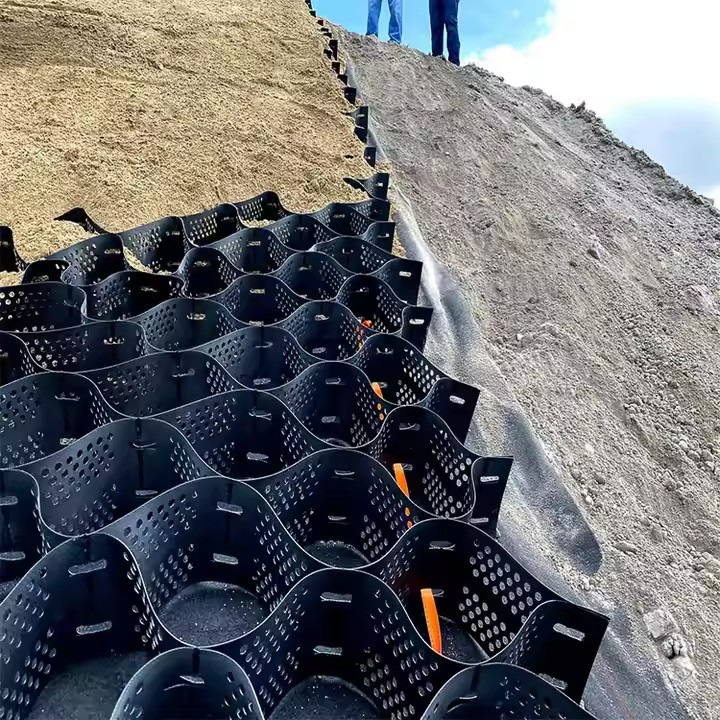
Solution: Bi-axial geogrids increase lateral confinement and reduce differential settlement.Pain: Vegetation failure on green slopes.
Solution: Textured surface promotes root anchoring for long-term plant integration.Pain: High maintenance in ecological engineering.
Solution: Durable polymer reduces deformation and maintenance frequency.Pain: Poor load distribution in eco-friendly roadbeds.
Solution: Grid–soil interlock improves bearing capacity and reduces rutting.
Risk Warnings and Mitigation
Incorrect grid direction can reduce reinforcement efficiency—ensure MD direction is aligned with primary load.
Poor soil compaction leads to reduced interlock—use ≥95% Proctor compaction.
UV over-exposure during storage may degrade material—store rolls under shade.
Inadequate overlap can cause slip failure—follow ≥30–40 cm overlap rule.
Procurement Selection Guide (≥6 Steps)
Identify whether the project requires mono-axial or bi-axial reinforcement.
Check tensile strength and creep performance based on design load.
Verify raw material composition and UV aging performance.
Compare aperture sizes to match soil gradation.
Evaluate supplier’s manufacturing certifications (ISO 9001, CE).
Request engineering case records and third-party test reports.
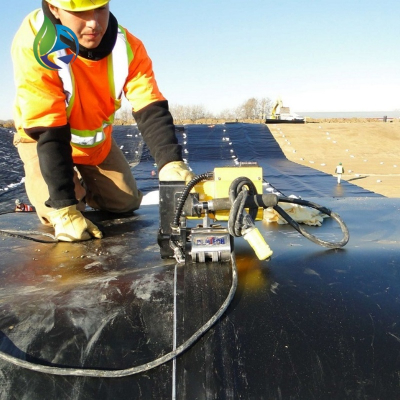
Conduct on-site inspection of welding nodes and grid uniformity.
Engineering Case Study
In a hillside eco-pleasant engineering project, a 35° slope required reinforcement while maintaining vegetation coverage. A bi-axial plastic geogrid (40 kN/m) was installed with a 300 mm soil cover. The grid improved shear resistance by 40%, reduced erosion channels during seasonal rains, and enabled full vegetation growth within 90 days, meeting EPC environmental specifications.
FAQ
Q: Mono-axial or bi-axial geogrid—how to choose?
A: Mono-axial for retaining structures; bi-axial for general reinforcement.Q: Can plastic geogrids be used in wet soil?
A: Yes, HDPE/PP materials resist moisture and chemicals.Q: What is the typical service life?
A: 25–50 years depending on UV exposure.Q: Do geogrids support vegetation growth?
A: Textured surfaces enhance plant rooting.Q: What overlap is required?
A: 30–40 cm for most soil conditions.Q: Can it replace concrete structures?
A: Only for light to moderate reinforcement needs.Q: Does aperture size matter?
A: Yes, must match soil particle distribution.Q: Are they environmentally friendly?
A: Yes, inert polymers do not release harmful substances.Q: What equipment is needed for installation?
A: Simple earthwork tools, compaction equipment, fasteners.Q: How to check quality on site?
A: Inspect rib uniformity, node bonding, and roll labeling.
CTA: Request a Quote / Technical Documents / Engineering Samples
For project-specific technical specifications, engineering samples, or large-volume procurement quotations, please contact our technical team for detailed support.
E-E-A-T Author Qualification
This article is authored by a senior geotechnical engineering consultant with 12+ years of experience in polymer reinforcement materials, ecological slope protection, and geosynthetic design verification for EPC infrastructure projects.