The Role of Geotextiles
Product Definition
Geotextiles are permeable geosynthetic materials used in civil and environmental engineering to enhance soil performance. Installed in contact with soil, they provide separation, filtration, drainage, reinforcement, and protection, improving structural stability, service life, and cost efficiency of infrastructure projects.
Technical Parameters and Specifications
Geotextile performance is defined by mechanical, hydraulic, and durability parameters. Selection must comply with project design standards and site conditions.
Raw materials: Polypropylene (PP), Polyester (PET)
Manufacturing types: Nonwoven needle-punched, woven slit film, woven monofilament
Mass per unit area: 100–800 g/m²
Tensile strength: 8–120 kN/m (MD/CD)
Elongation at break: 10%–80%
CBR puncture resistance: 1.5–12 kN
Permittivity: 0.1–1.5 s⁻¹
Apparent opening size (AOS): 0.075–0.6 mm
UV resistance: ≥70% retained strength after 500 hours
Structure and Material Composition
Geotextiles are engineered composite fabrics designed for interaction with soil and aggregates.
Fiber layer: Continuous or staple synthetic fibers for tensile performance
Bonding method: Needle-punching, weaving, or thermal bonding
Pore structure: Controlled voids enabling water flow while retaining soil particles
Surface characteristics: Smooth or textured depending on friction requirements
Manufacturing Process
Engineering Production Steps
Polymer granule melting and extrusion into fibers or tapes
Fiber orientation and web formation
Mechanical bonding via needle-punching or weaving looms
Thermal stabilization and surface treatment
Roll cutting, inspection, and packaging
Key equipment: Extruders, carding machines, needle looms, weaving looms, heat-setting ovens, tensile testing systems.
Process control focus: Fiber uniformity, pore size consistency, tensile balance, and long-term durability.
Industry Comparison
| Material | Primary Function | Permeability | Mechanical Strength | Service Life |
|---|---|---|---|---|
| Geotextile | Separation, filtration, reinforcement | High | Medium–High | 25–50 years |
| Geomembrane | Impermeable barrier | None | Medium | 20–40 years |
| Gravel filter layer | Drainage | High | Low | Variable |
| Concrete layer | Structural support | Low | Very High | 30–60 years |
Application Scenarios
The role of geotextiles spans multiple infrastructure and environmental projects.
Roads and highways: Subgrade separation and reinforcement
Railways: Ballast stabilization and drainage control
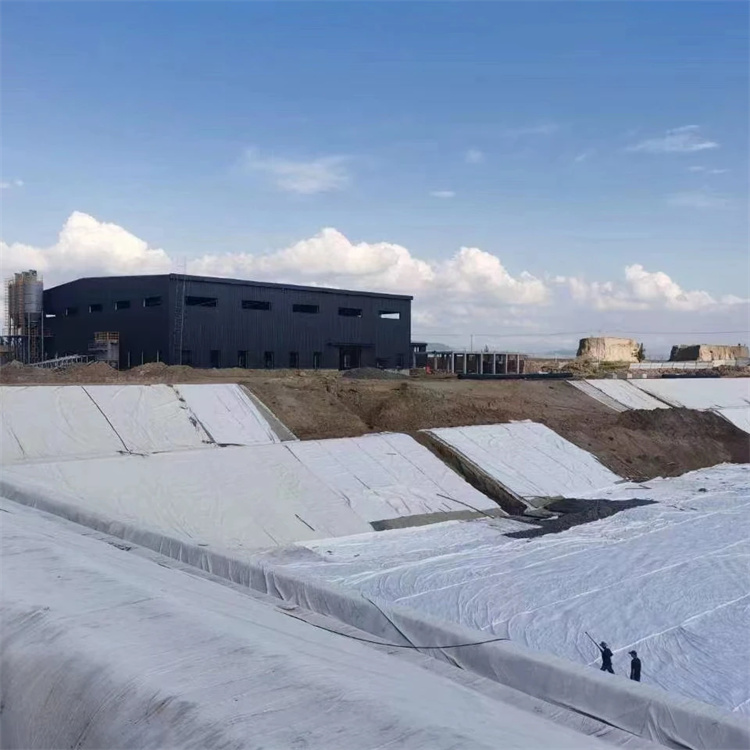
Landfills: Filtration and protection layers
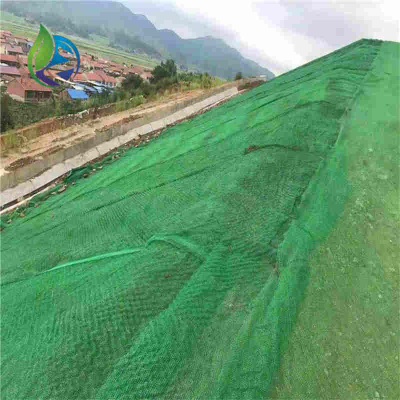
Water projects: Riverbank protection and drainage systems
EPC contractors: Performance-based ground improvement solutions
Core Pain Points and Engineering Solutions
Soil contamination between layers: Use separation-grade geotextiles
Insufficient drainage: Select high-permittivity nonwoven fabrics
Subgrade deformation: Apply high-tensile woven geotextiles
Premature material failure: Specify UV- and chemical-resistant polymers
Risk Warnings and Mitigation
Incorrect AOS selection may cause clogging or soil loss
Low UV resistance can lead to strength degradation during installation
Improper overlap or anchoring reduces performance
Non-certified materials increase long-term failure risk
Procurement and Selection Guide
Define project function: separation, filtration, or reinforcement
Analyze soil gradation and hydraulic conditions
Determine required tensile and puncture strength
Specify mass per unit area and AOS
Verify compliance with ASTM / EN standards
Review manufacturer quality control documentation
Plan installation method and site logistics
Engineering Case Example
In a highway embankment project with soft clay subgrade, a 400 g/m² nonwoven geotextile was installed between the subgrade and crushed stone layer. The solution improved load distribution, prevented aggregate intrusion, and enhanced drainage. Post-installation monitoring showed reduced settlement and extended pavement service life.
FAQ
What is the primary role of geotextiles? Soil separation, filtration, drainage, reinforcement, and protection.
Woven or nonwoven? Depends on tensile and filtration requirements.
Can geotextiles replace gravel layers? In many drainage and separation applications, yes.
What standards apply? ASTM, EN, ISO geosynthetics standards.
Are geotextiles chemically resistant? PP and PET offer strong resistance to most soils.
What is typical roll width? 4–6 meters.
Do they degrade underground? Properly specified products have long-term durability.
Is UV exposure critical? Yes, during storage and installation.
How is overlap determined? By soil type and load conditions.
Can geotextiles be used underwater? Yes, with appropriate filtration design.
CTA
For detailed technical datasheets, project-specific recommendations, or engineering samples, please submit your inquiry to request specifications or a formal quotation.
E-E-A-T Author Credentials
This article is prepared by a geosynthetics engineering specialist with over 15 years of experience in civil infrastructure materials, including road engineering, hydraulic works, and environmental protection systems, supporting EPC contractors and international procurement teams.