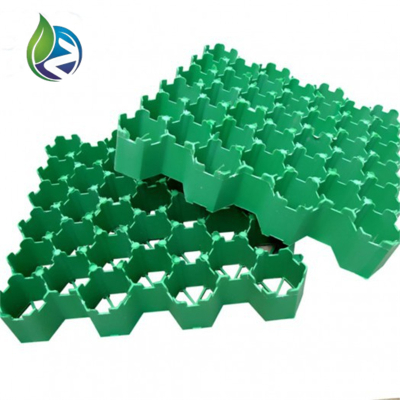
Road construction in soft soil areas, geogrid solves construction pain points
Road Construction in Soft Soil Areas: Geogrids Solve Key Construction Pain Points
Soft soil—you know, the stuff with high water content, low shear strength, and just terrible bearing capacity—has always been a headache for civil engineers trying to build roads that actually last. Anyone who’s worked on road projects in these areas knows how it goes: a road that starts smooth might get cracks, potholes, or even bad settlement in just a few years. Traditional fixes like replacing the soil or compacting it? They only help for a little while. The soft stuff underneath keeps shifting and warping under traffic, so you end up with constant maintenance, repair costs that skyrocket, and travel that’s all messed up. It even puts public safety at risk. But lately, geogrids have become a total game-changer. They hit the root of the problem with their unique structure and strength—stabilize subgrades, cut down on long-term upkeep, and basically change how engineers handle road projects in soft soil zones.
The Core Construction Challenges of Building Roads on Soft Soil
Let’s break down the specific problems soft soil brings. Unlike firm, packed soil, soft soil tends to compress and shift sideways when you put weight on it. Build a road right on top, and the nonstop pressure from cars and trucks makes the soil settle unevenly. That leads to ruts, dips, or cracks in the pavement—and those only get worse as time goes on. Another big issue? Poor load distribution. Soft soil can’t spread out the weight of traffic well, so stress piles up in spots and breaks down the road structure way too soon.
Construction crews usually groan at the thought of digging out tons of soft soil. It takes forever, needs a ton of labor, and costs a fortune—especially if good fill material is hard to find. Compaction sounds like a quick fix, but it rarely works on soft soil. The high water content stops it from packing down right. Even if you get temporary stability, heavy rain or seasonal changes can turn the soil back to that mushy state it started in. And those old-school retaining structures? The ones used to stop erosion and sideways movement? They struggle with soft soil’s shifting—bulge or collapse easy. This is where a geogrid retaining wall works so much better. It’s flexible but strong, unlike traditional concrete or masonry walls that can’t handle that shift at all.
How Geogrids Target Settlement Issues (the Biggest Headache)
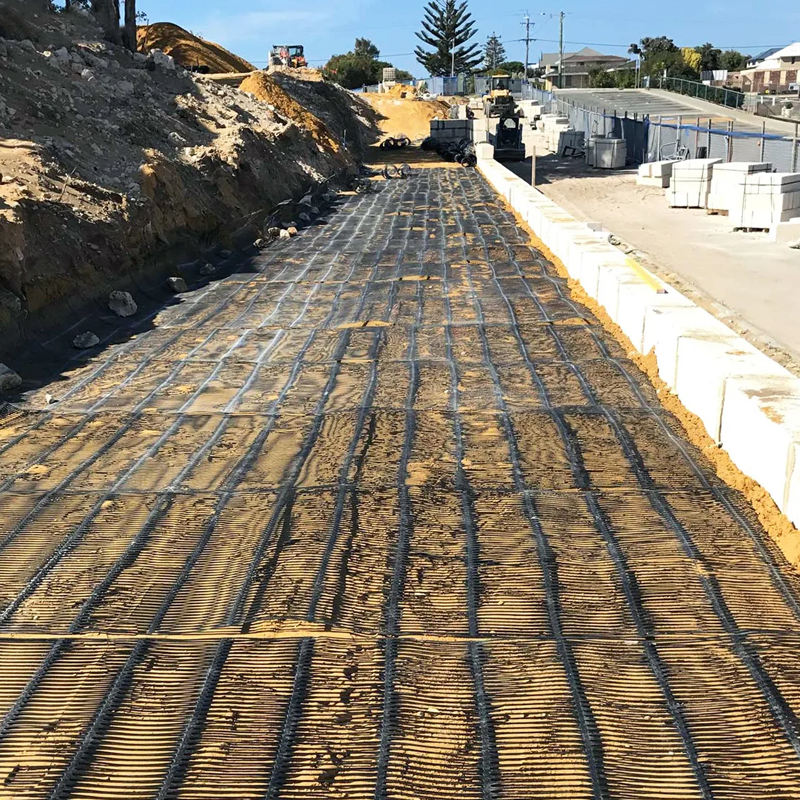
Settlement’s the worst part of building roads on soft soil—let’s be honest, nobody wants to see a newly paved road sink or crack in a couple of years. Geogrids fix this by reinforcing the soil from the inside out. Most geogrids are made of high-strength polymers—polypropylene or polyester, mostly—shaped into a grid with open holes. When you lay them in the subgrade, they act as a reinforcement layer that spreads stress over a wider area. The soil doesn’t have to bear all the weight of the road and traffic alone; the geogrid shares the load. That eases pressure on individual soil particles and keeps compression to a minimum.
The real key here is how the geogrid locks with the soil. As soil particles settle, they get stuck in the grid’s holes. This makes a combined structure that’s way stronger and more stable than soil on its own. That locking stops sideways movement—and that’s a major cause of uneven settlement. For really weak soil, engineers often lay multiple geogrid layers at different depths. This reinforced subgrade system doesn’t just stop immediate settlement; it keeps things stable long-term too, by fighting that slow creep soft soil does.
A geogrid retaining wall adds extra support by holding the roadbed in place sideways. Unlike rigid retaining walls that crack when soil moves, these walls flex a little—can adjust without falling apart. The geogrid layers anchor into the stable soil behind the road, so soft soil can’t push outward and make the road edge collapse. Pair that subgrade reinforcement with this lateral support, and the whole road stays level and intact—even when the soft soil is being extra tricky.
Enhancing Soil Bearing Capacity and Simplifying Construction Processes
Soft soil can’t handle heavy loads without warping. That forces construction teams to use tons of fill material or complicated reinforcement methods to meet design rules. Both options drive up costs and make projects drag on. Geogrids fix this by boosting the soil’s bearing capacity through mechanical reinforcement. When you combine soil and geogrid into one system, the geogrid’s tensile strength transfers to the soil. Suddenly, the soil can handle way more weight without failing.
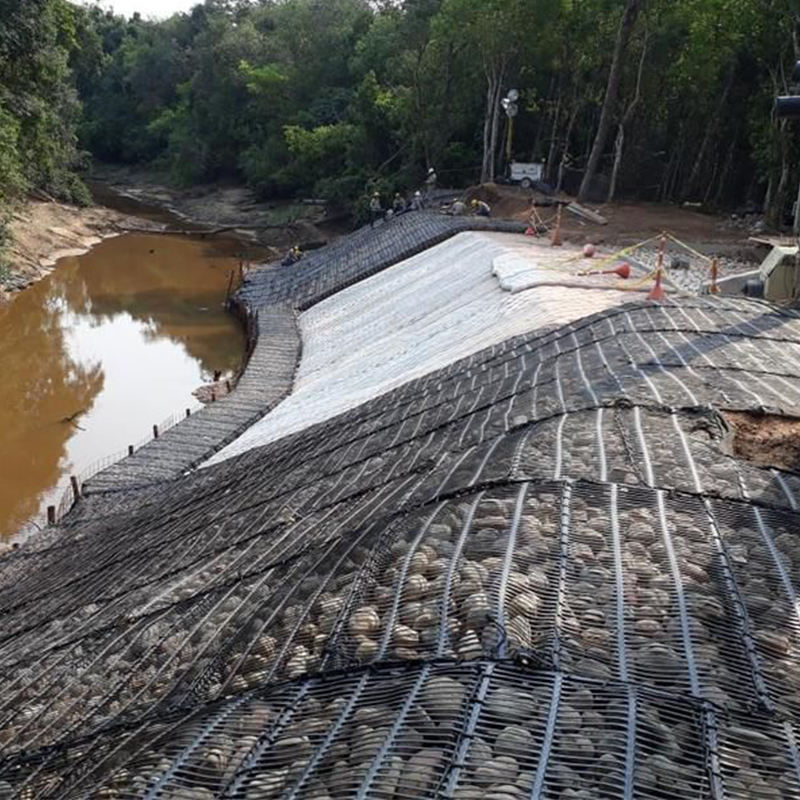
Put simply? This means crews can make the road base thinner or use cheaper fill material. The geogrid-enhanced subgrade gives enough support on its own. That cuts material costs and makes construction way easier. Geogrids are light and easy to handle—you can install them fast, even in remote areas. Traditional methods need heavy machinery for compaction or soil replacement, but geogrids just need basic tools. Less big equipment means less disruption to the area around the site.
A geogrid retaining wall speeds up construction too. You don’t need complex formwork or to wait around for concrete to cure, like you do with concrete walls. Just lay the geogrid layers and backfill with soil or aggregate—wall goes up fast and efficient. That speed matters a lot in soft soil areas. If construction drags on, it can disturb the soil even more and make it unstable. By simplifying installation and cutting down on materials, geogrids help teams finish projects on time and on budget. That checks off two big pain points for soft soil road work.
Reducing Long-Term Maintenance Costs and Improving Road Durability
Another big plus of using geogrids in soft soil road construction? Lower long-term maintenance costs. Roads built on unreinforced soft soil usually need frequent repairs within 3-5 years—settlement and cracks get worse over time. These repairs aren’t just expensive; they mess up traffic and inconvenience local communities too. But geogrids make roads last longer by stopping the root causes of damage: uneven settlement and sideways movement.
Reinforce the subgrade and add lateral support with a geogrid retaining wall, and roads in soft soil areas can stay structurally sound for decades. Geogrids have high tensile strength—stand up to UV rays, chemical damage, and biological activity. They work even in harsh environments. This durability means fewer repairs and less resurfacing. Over the road’s lifetime, those savings add up to quite a bit.
For cities and transportation agencies, that’s a huge deal. Instead of spending big budgets on constant maintenance, they can put money into other important infrastructure projects. Durable roads make driving and walking safer too—potholes, ruts, and uneven pavement cause accidents, and geogrids cut down on those risks. People trust the infrastructure more when roads are reliable, too. Communities can count on consistent access to transportation without unexpected disruptions.
Environmental Compatibility and Multi-Scenario Application Expansion
Nowadays, sustainable construction is a top priority—and geogrids have environmental benefits traditional solutions don’t. Replacing soil means digging up tons of natural soil and hauling in fill material—both have a big carbon footprint. But geogrids don’t need much earth disturbance. They’re light, so fewer trucks are needed to transport them. That cuts down on emissions.
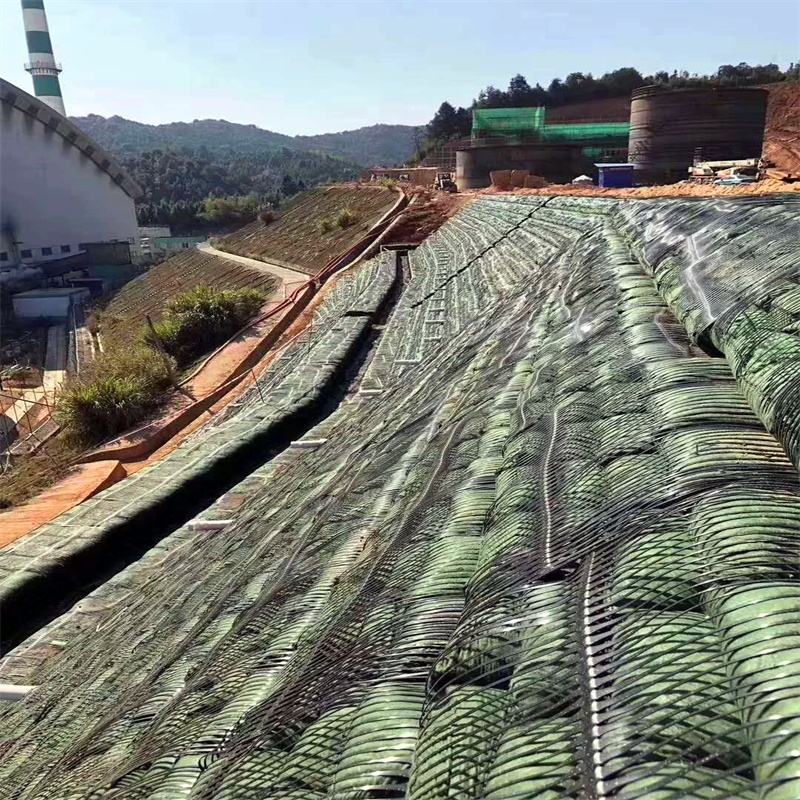
A lot of geogrids are made from recyclable polymers, too. That fits with circular economy goals and reduces waste. Using geogrids helps protect natural habitats, too—you don’t need to dig as much, so less disturbance to the land. This is extra important in sensitive soft soil areas, like wetlands or coastal regions. A geogrid retaining wall, for example, can stabilize slopes without messing up the local ecosystem. It needs less digging, and you can use local soil for backfilling.
Geogrids are really versatile, too. They work for all kinds of soft soil road projects—municipal roads, highways, industrial access roads, rural paths. They adapt to different design needs. Perform just as well in coastal soft soil (the kind that faces saltwater erosion) as in inland marshy areas (with high water tables). This consistency across environments makes geogrids a go-to choice for engineers. No matter where the project is, or how big it is, geogrids can handle soft soil challenges.
Why Geogrids Are Becoming the Preferred Choice for Soft Soil Road Projects
More and more construction teams are choosing geogrids for soft soil road projects—and the reason’s simple: they fix all the major problems that have frustrated engineers for years. Traditional fixes just cover up issues, but geogrids give long-term, sustainable solutions. They target the root causes of soft soil instability—resist settlement, boost bearing capacity, make construction easier, save money, and are better for the environment. That combination makes them way better than old methods.
A geogrid retaining wall has become a key part of many soft soil road projects, too. It pairs with subgrade reinforcement to give reliable lateral support. Together, these two parts make a road structure that’s strong and durable—but also flexible enough to work with soft soil’s natural movement. That balance of strength and flexibility is what makes geogrids stand out. They don’t fight against soft soil; they work with it to make a stable foundation.
As more crews see the results—smoother roads, fewer repairs, lower costs—geogrids keep getting more popular. Engineers and project managers are realizing they’re not just a trend. They’re a practical, cost-effective solution that delivers real value. In soft soil areas where road construction used to be full of problems, geogrids are proving to be a reliable partner. Turn tough projects into successful, long-lasting infrastructure.
In the end, building roads on soft soil doesn’t have to feel like a losing battle. Geogrids give engineers a tool that fixes settlement, improves bearing capacity, simplifies construction, cuts costs, and supports sustainability. Whether it’s through subgrade reinforcement or a geogrid retaining wall, geogrids provide the stability and durability needed to build roads that last. As demand for reliable infrastructure in soft soil regions grows, geogrids will keep playing a key role in road construction. They prove that sometimes, the best solutions are the ones that work with nature—not against it.