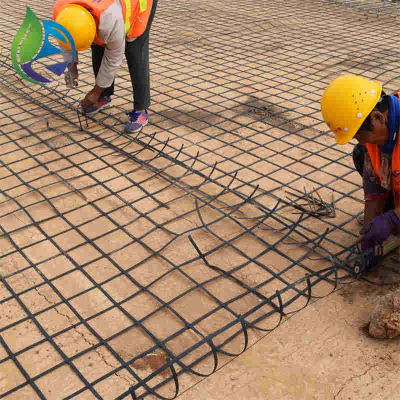
Grass-planting grids empower sponge cities, meeting both greening and water permeability standards
Grass Pavers Plastic Empower Sponge Cities: Achieving Both Greening and Water Permeability Standards
Urbanization’s speeding up everywhere, right? All over the globe. Cities these days? They’re drowning in more stress—rainwater runoff, waterlogging, green spaces shrinking left and right. Sponge city projects? They’re the go-to fix for this mess. They focus on catching rain, letting it soak into the ground, reusing it, and making cities a little more eco-friendly. And among all the materials that make this work, grass pavers plastic stand out. They balance function and sustainability pretty well—offer reliable water flow, real green benefits. This piece breaks down how these innovative products are changing sponge city projects, fixing big headaches, and setting new benchmarks for eco-friendly urban development.
Sponge City Needs and the Limits of Old Solutions
Sponge city projects? They really just boil down to three key goals: cut rainwater runoff, let more water soak into the ground, and add more green space. But old urban infrastructure? It almost always drops the ball here. Concrete and asphalt? Tough as nails, sure—can handle heavy loads—but they won’t let a drop of water through. Not one. So when it pours, you get way too much runoff. Flood risks shoot up, and we just waste all that valuable water. Total waste. On the flip side, natural lawns and green spaces? They let water seep in great, but they’re not strong enough for busy spots—parking lots, sidewalks, access roads. You know the places.
Cities have been hunting for a middle ground for years. They need something that’s strong enough for cars and people walking, permeable enough to let rain soak into soil, and can grow grass. Early picks like concrete grid pavers helped a little, but man—they’re heavy, crack easy, and don’t support greenery worth a damn. So the need for something more flexible, durable, eco-friendly? It got obvious fast. And that’s how grass pavers plastic became a staple in modern sponge city work.
These issues aren’t just for big cities, either. Medium towns, small towns—they face the same stuff as they grow. Runoff from impermeable surfaces? It doesn’t just cause floods. It carries pollution into local rivers and lakes, messes up water quality. And at the same time, losing green space? It leads to that thing where cities get hotter—the urban heat island effect—and way less livable. Sponge city projects want to turn these trends around, but their success? It all depends on having materials that deliver both performance and environmental perks.
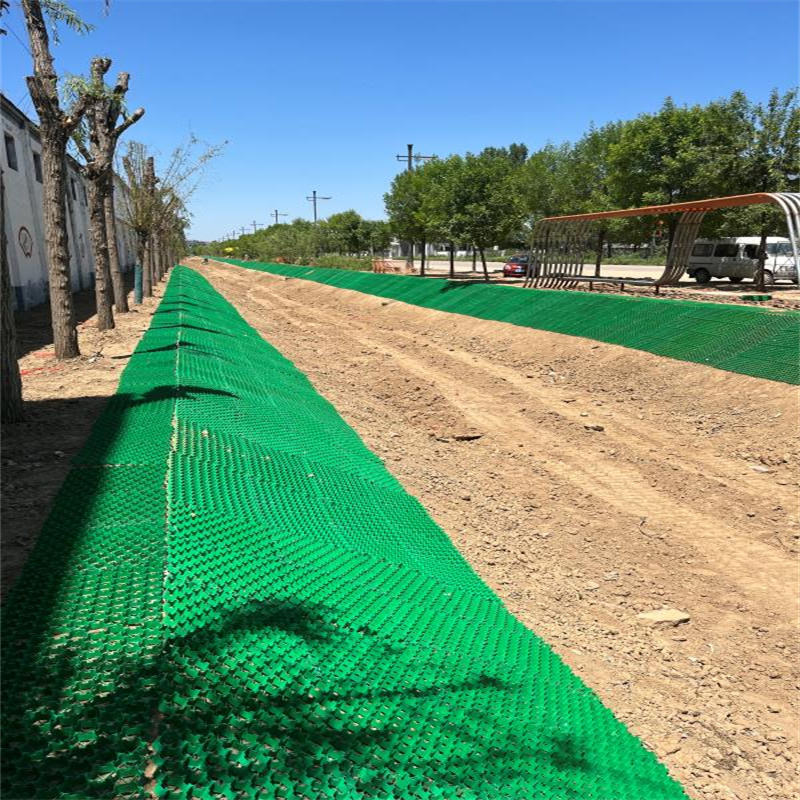
Grass Pavers Plastic: How They Work and Fit With Nature
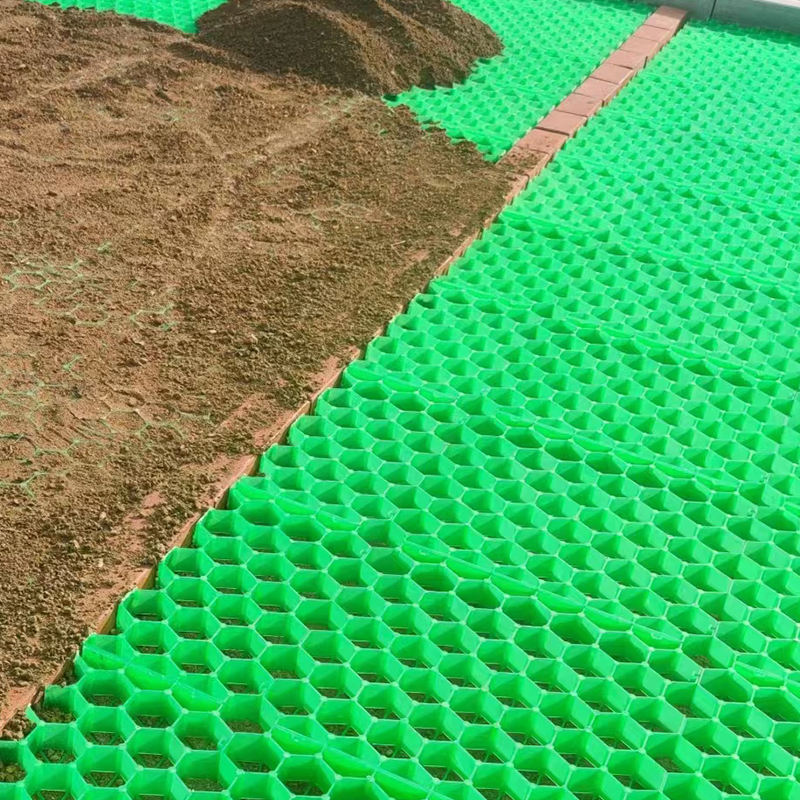
Grass pavers plastic? They’re mostly made with HDPE or recycled plastic—nothing fancy, just tough stuff that sticks around. They mix the strength of traditional pavers with the eco-benefits of greenery. Unlike stiff concrete products, these pavers have a grid design. Fill the gaps with soil and grass seeds, and you get a surface that can hold weight and let water through. Plastic’s got some solid advantages over old materials: it’s light, resists corrosion and UV damage, and lasts forever—20 years or more, no fuss with upkeep.
One of the best parts about grass pavers plastic? How easy water flows through ’em. The grid lets rainwater move free between the plastic ribs, so it soaks into the soil instead of running off. That not only slashes flood risks, it refills groundwater too—super important where water’s hard to come by. And the grass growing in the pavers? It soaks up rain too, helps even more with infiltration, cuts down on runoff.
From an eco angle, grass pavers plastic help with biodiversity. The grass gives small bugs and birds a place to live, and the permeable surface keeps soil moisture and temperature in check. Unlike concrete or asphalt—those soak up heat and blast it back out—the grass in these pavers cools the area around ’em. Eases that urban heat island effect. That balance of function and ecology? That’s the stuff that makes ’em perfect for sponge cities—where you gotta balance people’s needs with environmental health.
Contractors? They’ll tell you the practical side of grass pavers plastic is a huge plus. Lightweight, so moving and installing ’em is way easier than hauling heavy concrete pavers. Cuts labor costs, speeds up installation. And the modular design? Works on all sorts of surfaces—slopes, flat areas, even rooftops. Parking lots, bike paths, roadside edges—doesn’t matter. These pavers adapt to different project needs, and they don’t lose performance.
Where Grass Pavers Plastic Are Used in Sponge Cities
Grass pavers plastic work in all kinds of sponge city projects—residential, public spaces, you name it. Parking lots and driveways? That’s where they get used most. Old parking lots? Mostly concrete or asphalt—no water gets through, no green perks whatsoever. Nada. Swap those out for grass pavers plastic, and suddenly cities have “green parking lots”—hold cars, add green space, cut runoff. These areas handle cars and light trucks, so they’re good for office buildings, residential complexes, public spots.
Sidewalks and pedestrian paths? Another key spot. Urban sidewalks get tons of foot traffic, so they need tough surfaces—but they also give you a chance to add more greenery. Grass pavers plastic? They give a safe, stable walking surface, and let grass grow. Softens the urban landscape, improves air quality. In busy downtown areas? These pavers can turn those concrete-heavy spots into nicer, more eco-friendly places for people to walk.
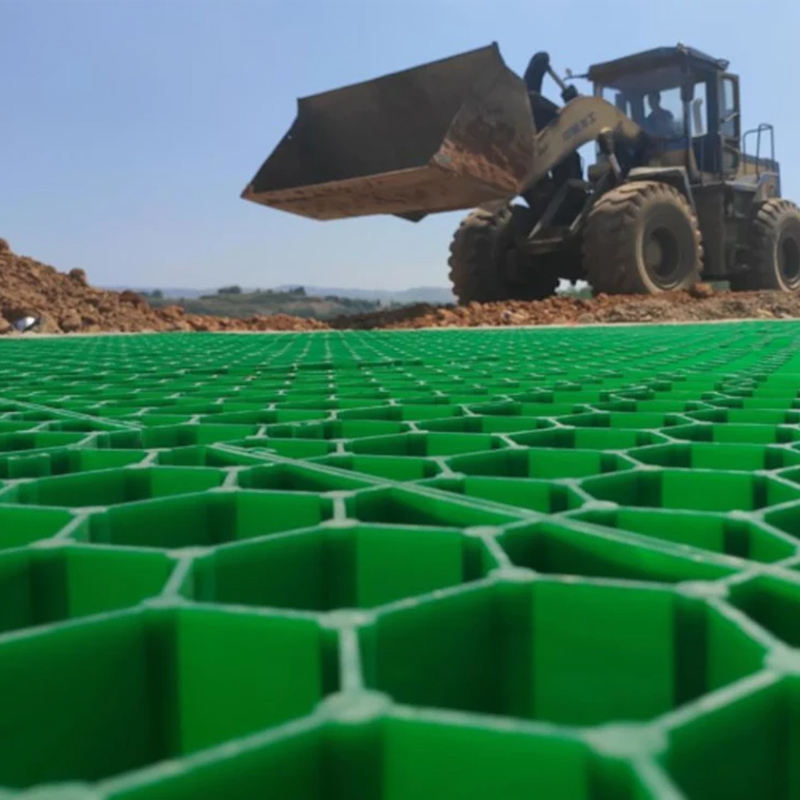
Slope protection? Big use for grass pavers plastic in sponge cities. Steep slopes—along roads, riverbanks—erode easy when it rains. Old erosion control methods, like concrete retaining walls? They work, but they’re terrible for the environment. Install grass pavers plastic on slopes, though? The grid holds the soil in place, and the grass roots reinforce it even more. Stops erosion, makes green slopes that blend with nature.
Municipal roads and roundabouts get benefits too. The permeable surface cuts down on runoff from roads—one of the main causes of urban flooding. And the grass? Makes public spaces look nicer. Sometimes, grass pavers plastic go in median strips or road shoulders—make a continuous green corridor, improves air quality, separates traffic from people walking.
Even industrial areas use these pavers. Loading docks, storage yards, access roads—they need tough surfaces for heavy equipment. Grass pavers plastic handle that, and cut runoff, add green space. Plastic resists corrosion, so it works in industrial spots where chemicals or bad weather are common.
Engineering Perks and Long-Term Value of Grass Pavers Plastic
But aside from eco perks, grass pavers plastic have solid engineering pluses that make ’em cost-effective for sponge city projects. Durable, low-maintenance—so cities and project owners save money over time. Unlike concrete pavers, which crack or chip easy, plastic grass pavers are pretty flexible—take a hit, don’t break. Means fewer repairs, fewer replacements. And they resist mold, mildew, bugs—so even less upkeep.
Installing grass pavers plastic? Super straightforward. Any crew can do it—no special training required. None. The modular grid lays right on a prepared gravel-and-soil base. No complicated concrete pouring, no waiting for it to cure. Speeds up construction, keeps disruptions to nearby areas low—huge deal in cities, right? And since they’re light, you can install ’em on existing surfaces without major structural changes. Retrofitting older areas? Works too—no need to tear the whole place up, just lay the grid right over the base.
From a sustainability side, grass pavers plastic line up with global work to cut carbon emissions, push circular economies. A lot of manufacturers make ’em from recycled plastic—keeps waste out of landfills, cuts down on the need for new materials. Making these pavers uses less energy than making concrete, so their carbon footprint is lower. Plus, they last so long you don’t have to replace ’em often—cuts down on the environmental impact of mining materials, tossing old products.
When it comes to performance, grass pavers plastic meet or beat industry standards for load-bearing and water flow. Tested to hold heavy loads—cars, light trucks, even emergency vehicles. So they work for all kinds of uses. Water flow? Often over 100 liters per square meter per minute. Means even heavy rain soaks in fast—no flooding, no runoff. For sponge city projects, reliable water management is everything—so this performance? It’s key.
Long-term value? Goes way beyond direct cost savings. By cutting flood risks, these pavers prevent property damage, stop infrastructure failures. Saves cities millions in disaster recovery costs. And the green spaces they create? Boost public health. Studies show access to urban greenery lowers respiratory illnesses, helps with mental health. So cities get healthier, more livable overall.
Industry Trends and What’s Next for Grass Pavers Plastic
As folks care more about the environment, and governments crack down on urban development rules, demand’s going up for eco-friendly materials like grass pavers plastic. Sponge city projects are a priority in a lot of countries—governments are pouring billions into infrastructure that manages water better, improves urban ecology. Grass pavers plastic deliver both performance and sustainability, so they’re in a good spot to benefit from this trend.
Some projects are even starting to pair grass pavers plastic with smart city tech. Like, some are putting sensors in the pavers—track water infiltration, soil moisture, traffic loads. This data helps optimize maintenance, improve water management, make sponge city systems more efficient. It’s still early days for this tech, but it’s a sign—grass pavers plastic can fit into smarter, more sustainable cities down the line.
Another thing—using more recycled materials to make grass pavers plastic? That’s a trend too. As circular economies get more traction, manufacturers are leaning harder into post-consumer recycled plastic. Cuts down on virgin materials, lowers environmental impact. And it appeals to eco-conscious buyers, governments that prioritize sustainable purchasing.
The future’s gonna bring better designs and performance for grass pavers plastic. Manufacturers are looking for ways to boost load-bearing capacity, improve water flow, cut installation costs. New designs might have thicker ribs for more strength, bigger gaps for better infiltration. Biodegradable plastic materials could get more common too—make these pavers even more sustainable for sponge city projects.
Cities will keep growing, and climate change will bring new challenges. So the need for effective, eco-friendly infrastructure solutions? Only gonna go up. Grass pavers plastic offer a practical, flexible, sustainable option for sponge city builds. Help cities cut flood risks, add green space, make more livable environments. That balance of function and ecology? That’s what makes ’em a key piece of urban infrastructure’s future.
Conclusion
Grass pavers plastic? They’ve become a total game-changer for sponge city builds. Deliver on both greening and water permeability—two big goals for these projects. Their mix of strength, eco-benefits, practicality? Solves major problems for modern cities: flood control, that urban heat island effect, losing green space. As more cities jump on sponge city initiatives, demand for these innovative pavers will grow—’cause they make sustainable, livable urban areas.
Parking lots to sidewalks, slope protection to municipal roads—grass pavers plastic prove function and ecology can work together. Light, easy to install, long-lasting—cost-effective for any size project. Their environmental benefits line up with global efforts to fight climate change. And as tech gets better, sustainability gets more important? Grass pavers plastic will keep playing a vital role in shaping tomorrow’s cities—greener, more resilient, more in tune with nature.
In the push for sustainable urban development, grass pavers plastic aren’t just some material you grab off a shelf. They’re a promise—building cities that work for people and the planet. Hit those greening and water permeability standards, help sponge cities thrive. Make a better future for everyone.