
How to test geotextiles
How to Test Geotextiles: A Comprehensive Guide to Quality and Performance Evaluation
When selecting geotextiles for civil engineering or environmental projects, understanding how to test geotextiles is crucial. Proper testing not only ensures compliance with industry standards but also safeguards long-term structural performance. This guide provides a detailed explanation of how to test geotextiles, including physical, mechanical, and hydraulic testing methods—empowering engineers, contractors, and procurement teams to make informed choices.
Why It’s Important to Know How to Test Geotextiles
Knowing how to test geotextiles helps identify key performance indicators such as filtration efficiency, durability, tensile strength, and permeability. Whether used for soil stabilization, drainage, separation, or erosion control, accurately testing geotextiles guarantees their reliability in demanding field conditions.
Failing to understand how to test geotextiles can result in premature system failure, costly repairs, and environmental damage—making laboratory and field testing essential.
Standard Testing Categories for Geotextiles
To fully grasp how to test geotextiles, you must be familiar with the core testing categories that evaluate performance:
1. Physical Properties Testing
Mass per Unit Area (ASTM D5261)
Measures the weight of the geotextile in g/m². A key baseline parameter when evaluating fabric quality.Thickness (ASTM D5199)
Determines compressibility and performance under load.
Understanding how to test geotextiles at the physical level helps with quality control and material specification matching.
2. Mechanical Properties Testing
Tensile Strength and Elongation (ASTM D4595 or D4632)
This evaluates the ability of the fabric to withstand stress without tearing—vital for reinforcement and stabilization.Puncture Resistance (ASTM D4833)
Important when determining resistance to site-related damage, like rocks or construction activity.Burst Strength (ASTM D3786)
Demonstrates performance under multidirectional stress conditions.
These mechanical parameters are at the core of how to test geotextiles when structural integrity is required.
3. Hydraulic Properties Testing
Apparent Opening Size (AOS, ASTM D4751)
Determines the largest particle that can pass through the fabric, crucial for filtration.Permittivity and Water Flow Rate (ASTM D4491)
Measures how quickly water can pass through the fabric, key for drainage and flow regulation.Transmissivity (ASTM D4716)
Assesses lateral flow across the geotextile plane, often used in drainage board systems.
Understanding how to test geotextiles hydraulically is essential in subsurface water management.
Laboratory vs. Field Testing: What’s the Difference?
When evaluating how to test geotextiles, it’s important to distinguish between controlled laboratory tests and in-situ field tests:
Laboratory Testing: Standardized, repeatable, and reliable, allowing comparison across different suppliers.
Field Testing: Validates performance under actual project conditions and often exposes variables missed in the lab.
Both play an important role in fully understanding how to test geotextiles before deployment.
How to Test Geotextiles for Durability and Longevity
Durability testing is a key component of how to test geotextiles, especially in aggressive environments like landfills or salt-laden soils. Key tests include:
UV Resistance (ASTM D4355): Measures fabric degradation when exposed to sunlight.
Chemical Resistance Tests: Evaluates performance in the presence of acids, alkalis, and hydrocarbons.
Clogging Resistance (ASTM D5101): Determines the fabric's ability to maintain flow while resisting clogging from soil fines.
These tests offer deeper insight into how to test geotextiles over extended use periods.
Best Practices on How to Test Geotextiles in Procurement
To ensure consistent material quality across vendors, follow these best practices when applying how to test geotextiles:
? Request certified third-party lab test reports.
? Conduct random sampling on-site before installation.
? Specify ASTM or ISO test methods in contracts.
? Keep records of test results for compliance audits.
By embedding these habits into procurement and construction workflows, you’ll master how to test geotextiles for optimal reliability.
Common Mistakes in Geotextile Testing
Even professionals sometimes misunderstand how to test geotextiles, leading to performance issues. Avoid these common pitfalls:
❌ Relying solely on manufacturer datasheets without third-party validation.
❌ Neglecting site-specific conditions like pH or loading cycles.
❌ Overlooking seam strength testing in stitched or welded geotextile installations.
Being thorough in how to test geotextiles means understanding both the numbers and the field implications.
Conclusion
Mastering how to test geotextiles is not just a technical requirement—it’s a strategic advantage in civil engineering, landscaping, and environmental protection. From tensile strength to water flow capacity, each test reveals how geotextiles will perform in real-world conditions. By applying standardized testing protocols, avoiding common pitfalls, and combining lab and field insights, professionals can ensure optimal material selection and project success.
Whether you are a contractor, designer, or inspector, knowing how to test geotextiles gives you the confidence to build systems that last.
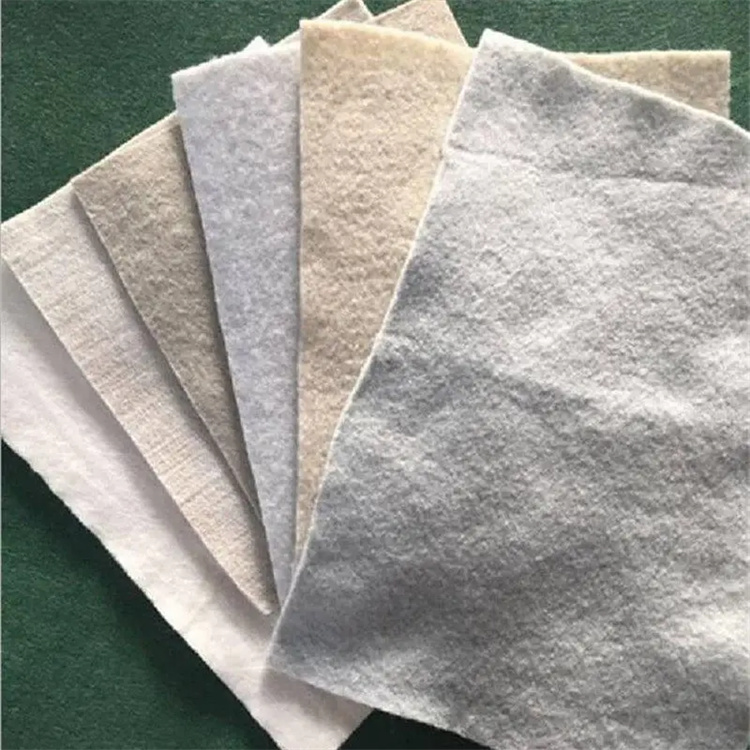
Mechanical performance testing:
Tensile strength: Measures the ability of geotextile materials to withstand tensile force, making it one of the key indicators for evaluating their performance.
Tear strength: Assesses the resistance of geotextiles to tearing forces.
Puncture strength: Tests the resistance of geotextiles to vertical concentrated forces that could cause damage.
Penetration strength: Evaluates the resistance of geotextiles to damage from sharp objects penetrating them.
Seam strength: For geotextiles that require seams, seam strength testing is also necessary.
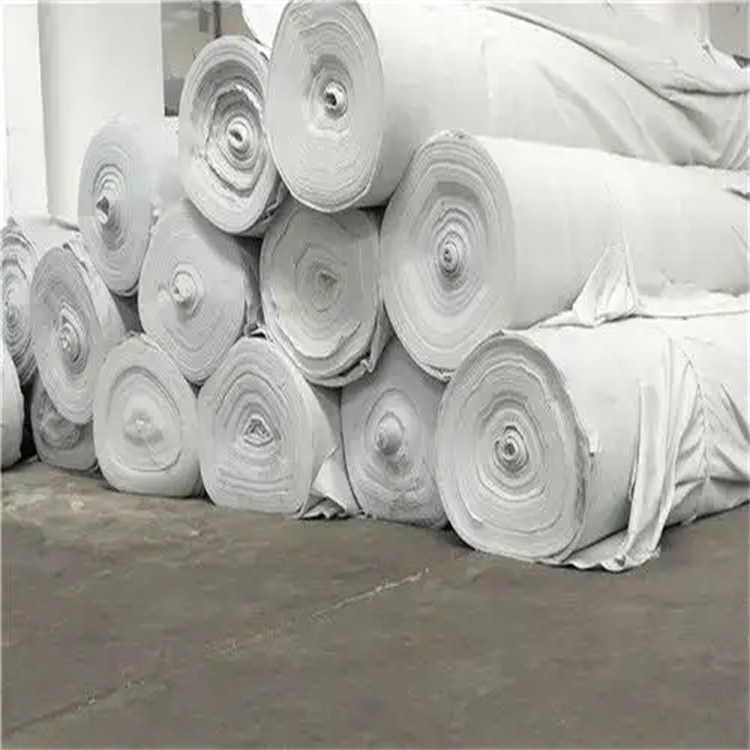
Hydraulic performance testing:
Vertical permeability: This test evaluates the ability of geotextiles to allow water to pass through in the vertical direction, assessing their performance in drainage and filtration.
Equivalent aperture: The filtration performance of geotextiles is tested using dry sieving, wet sieving, and fluid filtration methods.
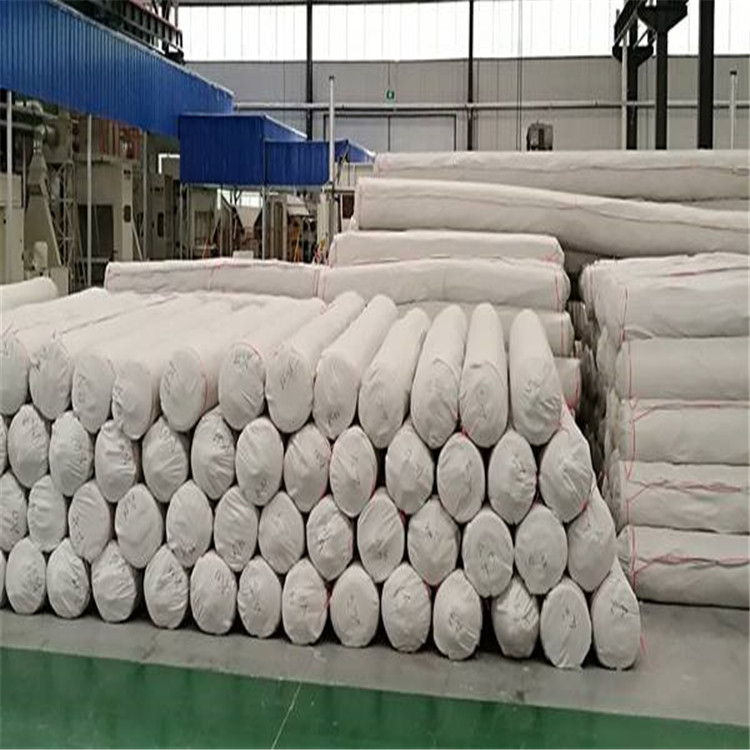
Durability Performance Testing:
Chemical Resistance: Evaluates the geotextile's resistance to chemical erosion.
Light Aging Performance: Tests the performance changes of geotextiles under long-term exposure to light.
Antioxidant Performance: Assesses the performance changes of geotextiles in oxidative environments.
Ultraviolet Resistance: Tests the performance changes of geotextiles under ultraviolet radiation.
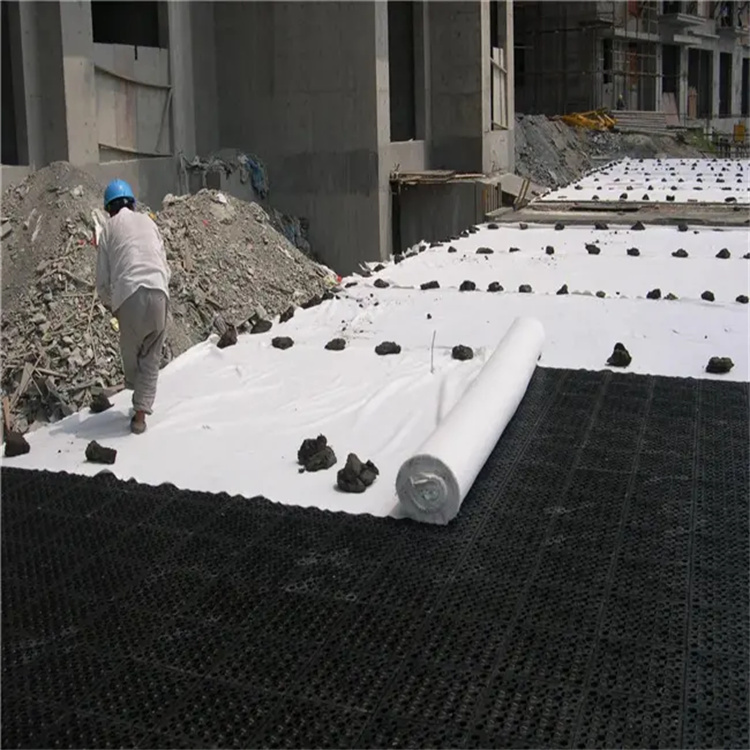
Other testing items:
Appearance inspection: Check the flatness, surface smoothness, and color uniformity of the geotextile.
Dynamic puncture (drop cone): Evaluate the impact resistance of the geotextile.
In-plane water flow: Measure the amount of water that can pass through the geotextile within a certain period of time.


