Geomembrane for Construction Engineering
Manufacturing Process
Standardized engineering production workflow:
Raw Material Dosing: Virgin HDPE/LLDPE resin with antioxidant and carbon black masterbatch
Drying and Conditioning: Hopper drying to maintain moisture below technical thresholds
Flat Die Extrusion: Multi-zone heating system controlled between 180–220°C
Sheet Forming: Precision calendering for thickness control
Surface Texturing: Embossing rollers for friction optimization
Automatic Cooling: Water-cooled conveyor stabilization
Inline Monitoring: Laser thickness gauges and spark testing equipment
Final Winding: Tension-controlled automatic roll systems
Product Definition
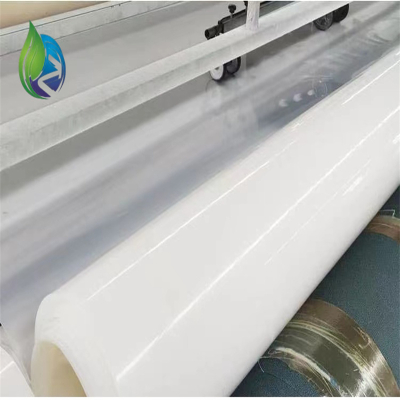
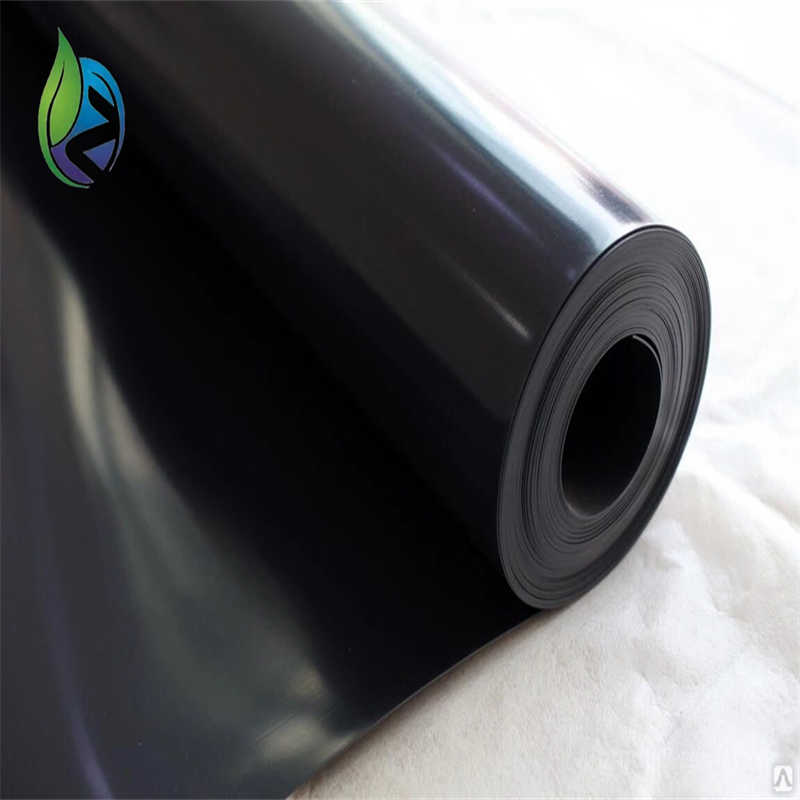
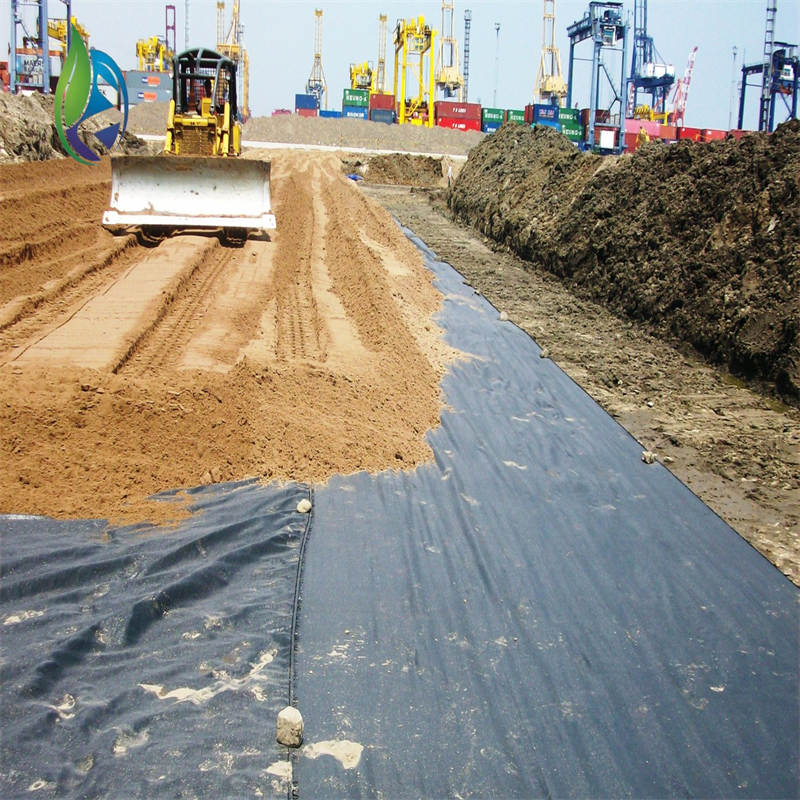
The Geomembrane for Construction Engineering is an impermeable polymeric barrier sheet designed to control fluid migration in civil, hydraulic, and structural projects. It provides long-term leakage prevention, chemical resistance, and mechanical stability for foundations, tunnels, basements, and infrastructure containment systems.
Technical Parameters and Specifications
Key engineering specifications aligned with international construction practices:
Nominal Thickness: 0.5 mm, 0.75 mm, 1.0 mm, 1.5 mm, 2.0 mm
Sheet Width: 5.0–8.0 m
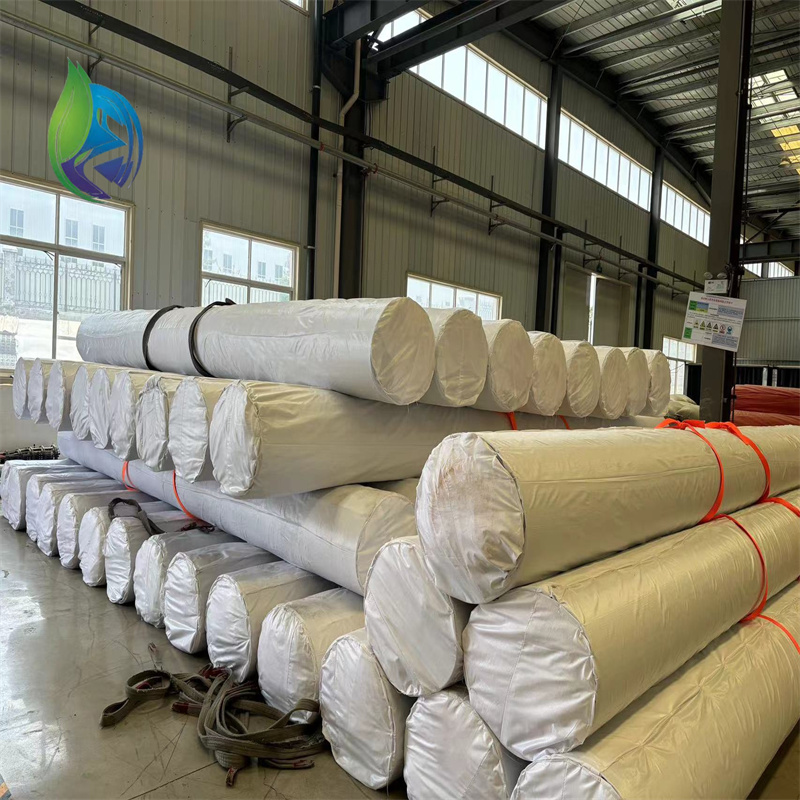
Roll Length: 50–200 m
Density: ≥ 0.94 g/cm³ (HDPE grades)
Tensile Strength at Yield: ≥ 14–20 kN/m (depending on thickness)
Elongation at Break: ≥ 700%
Puncture Resistance (CBR): ≥ 1.6–4.0 kN
Carbon Black Content: 2.0–3.0%
Service Temperature: -40°C to +60°C
Permeability Coefficient: ≤ 1.0 × 10⁻¹³ m/s
Structure and Material Composition
Typical engineered layer structure:
Upper Functional Layer: UV-stabilized smooth or textured polymer surface
Core Barrier Layer: High-density polyethylene or flexible polymer matrix
Bottom Contact Layer: Micro-textured surface to improve interface friction
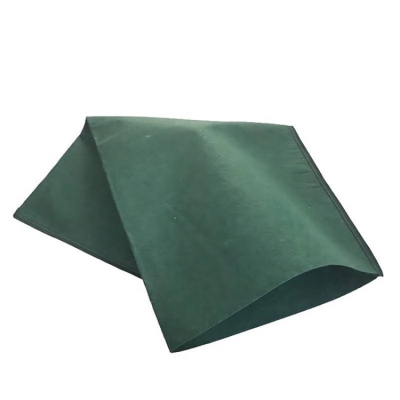
Optional Cushion Layer: Nonwoven geotextile for impact protection
Manufacturing Process
Standardized engineering production workflow:
Raw Material Dosing: Virgin HDPE/LLDPE resin with antioxidant and carbon black masterbatch
Drying and Conditioning: Hopper drying to maintain moisture below technical thresholds
Flat Die Extrusion: Multi-zone heating system controlled between 180–220°C
Sheet Forming: Precision calendering for thickness control
Surface Texturing: Embossing rollers for friction optimization
Automatic Cooling: Water-cooled conveyor stabilization
Inline Monitoring: Laser thickness gauges and spark testing equipment
Final Winding: Tension-controlled automatic roll systems
Industry Comparison
| Material Type | Impermeability | Chemical Resistance | Installation Speed | Typical Service Life |
|---|---|---|---|---|
| Geomembrane for Construction Engineering | Very High | High | Fast | 25–50 Years |
| Bituminous Membrane | Medium | Low | Medium | 10–20 Years |
| Cementitious Coating | Low | Medium | Slow | 8–15 Years |
Application Scenarios
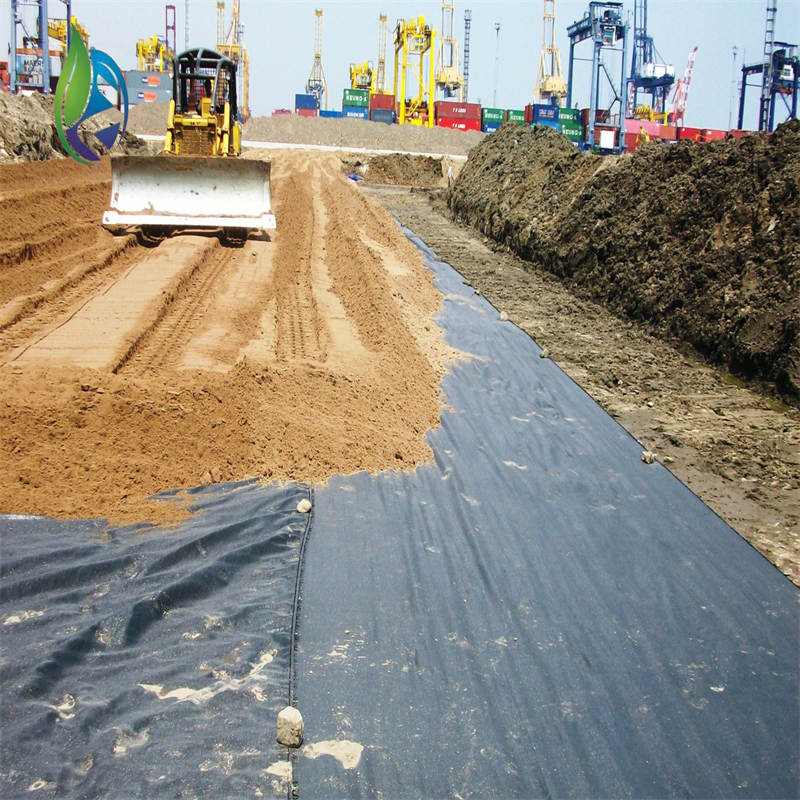
Foundation waterproofing systems for commercial and industrial buildings
Tunnel and subway structural water barriers
Basement and underground parking deck linings
Bridge abutment and retaining wall protection layers
Water reservoirs and temporary cofferdams
Core Pain Points and Engineering Solutions
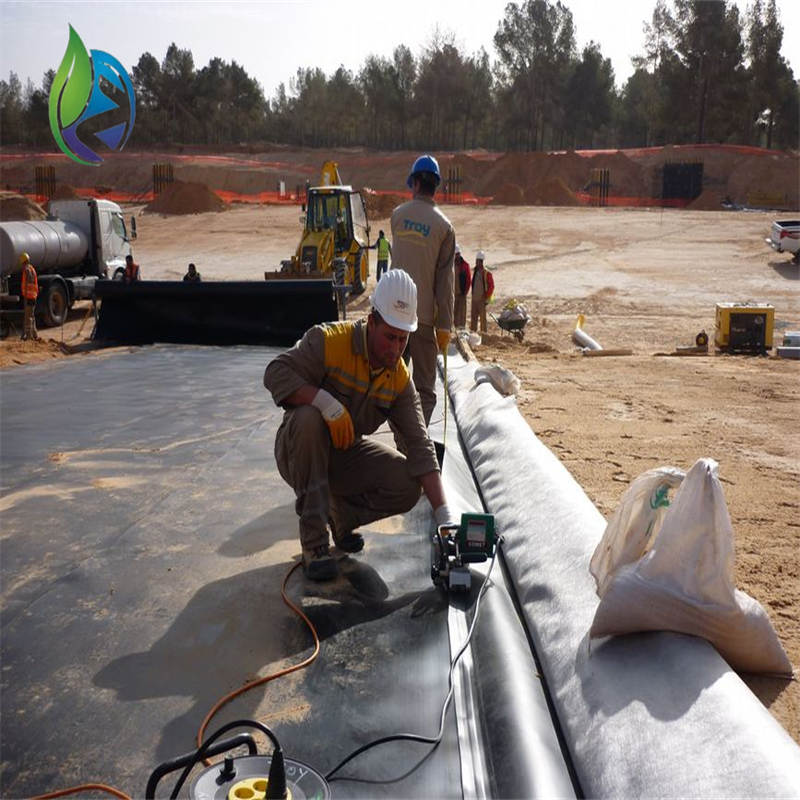
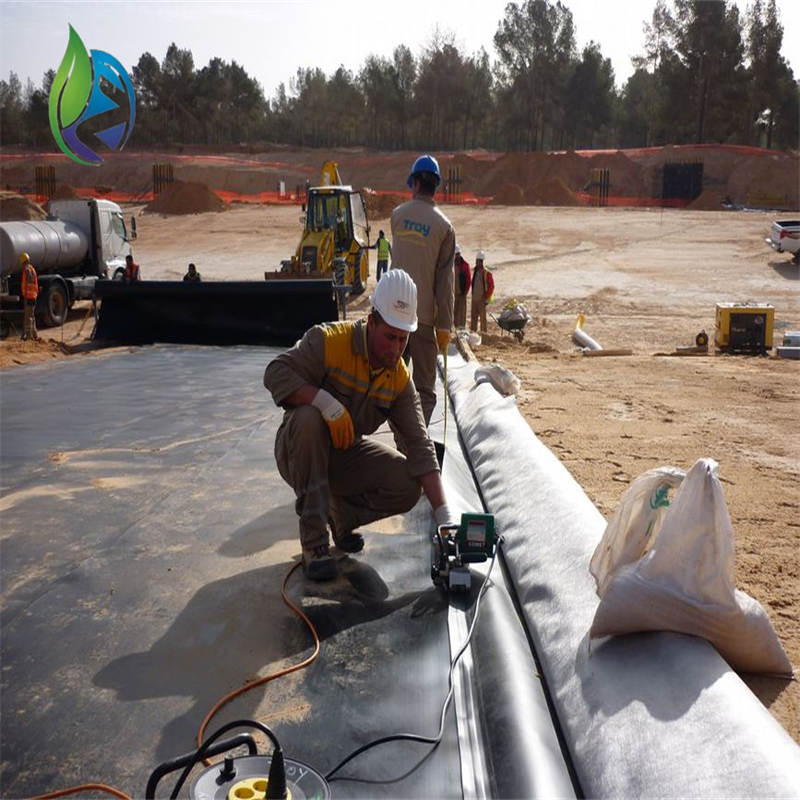
Uncontrolled Seepage: Hot-wedge welded seams with air-channel testing
Mechanical Damage from Backfill: Installation of protective geotextile layers
Chemical Attack from Soil Contaminants: Use of antioxidant-stabilized polymers
Thermal Movement Stress: Flexible anchoring and expansion design zones
Risk Warnings and Mitigation Recommendations
Risk: Poor seam quality caused by dusty surfaces
Mitigation: On-site seam surface cleaning before weldingRisk: Subgrade settlement after installation
Mitigation: Geotechnical compaction and bearing capacity verificationRisk: Long-term UV degradation
Mitigation: Early backfilling or temporary UV coversRisk: Inadequate drainage behind liner
Mitigation: Design composite drainage layers
Procurement and Selection Guide
Identify project exposure conditions (water table, chemicals, temperature)
Select thickness based on hydraulic head and structural loads
Specify texture requirements for slope stability
Define welding technology and seam testing protocols
Request factory quality management documentation
Verify third-party laboratory test reports
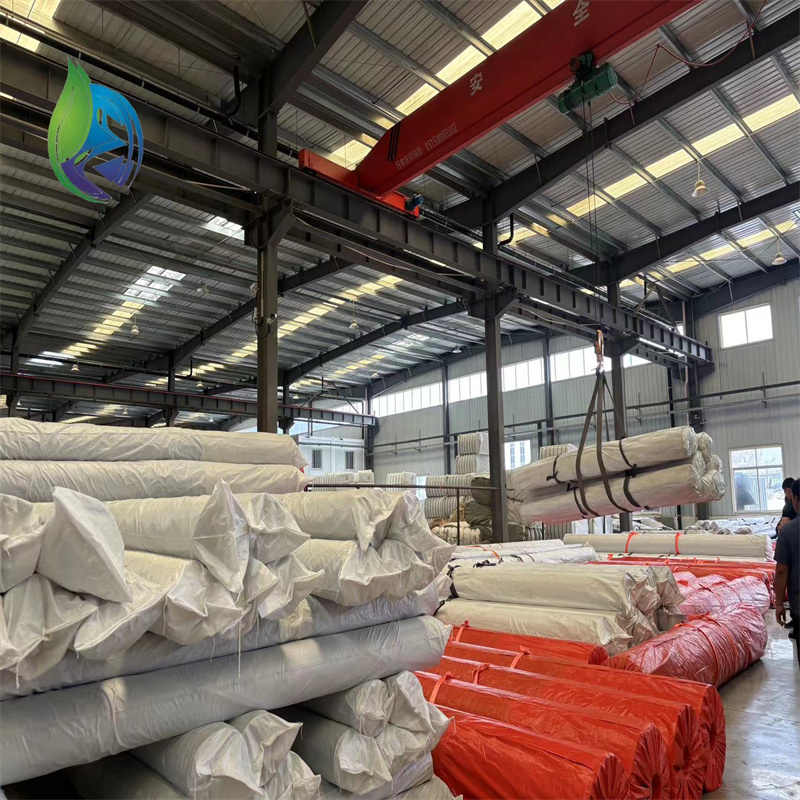
Plan logistics for roll sizes and lifting equipment
Engineering Application Case
In a 60,000 m² underground parking structure project, Geomembrane for Construction Engineering was installed as a continuous waterproofing barrier beneath the reinforced concrete base. The system used textured sheets and double-track welding, achieving stable long-term groundwater isolation performance under permanent hydrostatic pressure conditions.
FAQ
Q1: Suitable thickness for foundation works? A: Typically 1.0–1.5 mm.
Q2: Can it be welded in cold climates? A: Yes, with controlled preheating.
Q3: Standard overlap width? A: 100–150 mm.
Q4: Can it be used with shotcrete? A: Yes, with separation geotextile layers.
Q5: Expected service life? A: 25–50 years depending on exposure.
Q6: Resistance to hydrocarbons? A: Good resistance to typical fuel oils.
Q7: Repair method? A: Extrusion welded patches.
Q8: Fire behavior? A: Self-extinguishing grades are available.
Q9: Storage durability before installation? A: Up to 12 months under cover.
Q10: Can it be installed on vertical walls? A: Yes, with mechanical anchoring.
Call to Action
To request a formal quotation, technical datasheets, or engineered samples for Geomembrane for Construction Engineering, please submit full project specifications to the technical sales team.
E-E-A-T Author Credentials
This document is prepared by a geotechnical engineering specialist with over 15 years of experience in civil waterproofing systems, containment design, and large-scale construction engineering consultancy.