

Poultry Farm Custom Biaxial Plastic Geogrid
Structure and Material Composition
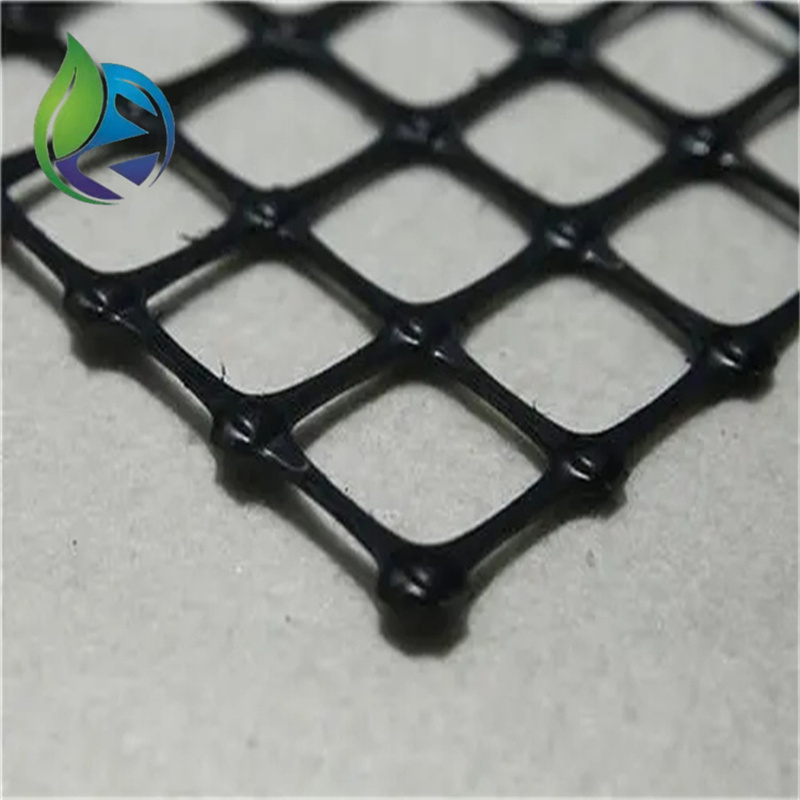
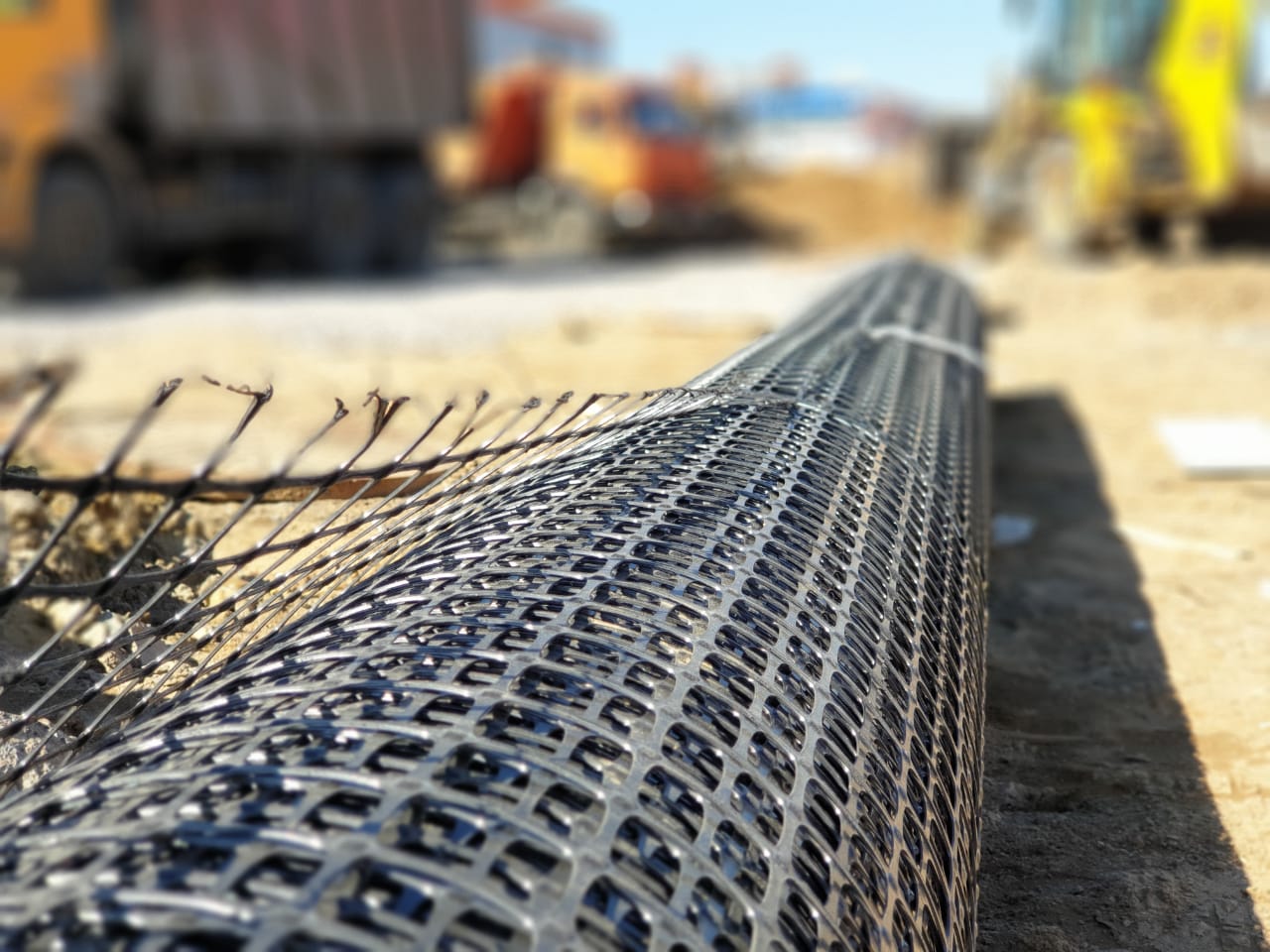
The geogrid adopts a rigid grid structure optimized for load transfer and interlocking with granular fill:
Base Polymer Layer: High-molecular PP or HDPE providing chemical resistance and durability
Biaxial Node Structure: Uniformly stretched junctions ensuring balanced strength in both directions
Aperture Geometry: Designed to interlock with crushed stone or gravel bedding
Surface Texture: Enhanced friction to improve soil-geogrid interaction
Product Definition: Poultry Farm Custom Biaxial Plastic Geogrid
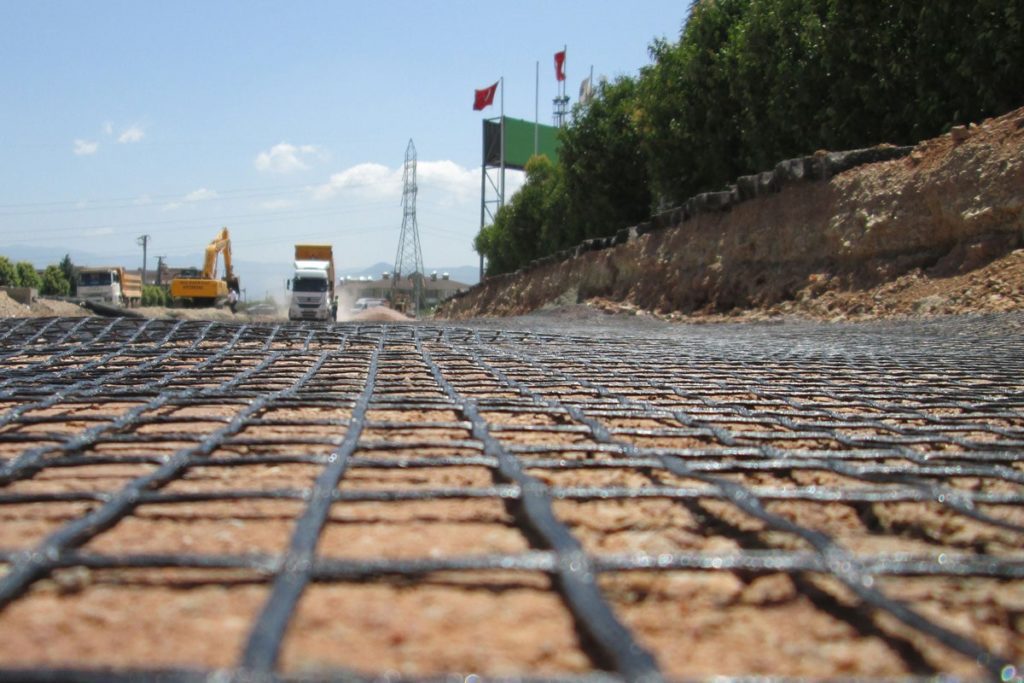
Poultry Farm Custom Biaxial Plastic Geogrid is a polymer-based soil reinforcement material engineered for poultry house foundations, access roads, and service yards. It provides bidirectional tensile strength to improve load distribution, reduce settlement, and enhance long-term ground stability under livestock facility conditions.
Technical Parameters and Specifications
The following parameters are commonly adopted for poultry farm engineering projects and can be customized based on load and soil conditions:
| Parameter | Typical Specification |
|---|---|
| Polymer Type | PP or HDPE |
| Structure | Biaxial stretched grid |
| Tensile Strength (MD/TD) | 20–50 kN/m |
| Elongation at Break | ≤12% |
| Aperture Size | 30×30 mm to 60×60 mm |
| Roll Width | 3.0–6.0 m |
| Roll Length | 50–100 m |
| Design Life | ≥20 years (buried condition) |
Structure and Material Composition
The geogrid adopts a rigid grid structure optimized for load transfer and interlocking with granular fill:
Base Polymer Layer: High-molecular PP or HDPE providing chemical resistance and durability
Biaxial Node Structure: Uniformly stretched junctions ensuring balanced strength in both directions
Aperture Geometry: Designed to interlock with crushed stone or gravel bedding
Surface Texture: Enhanced friction to improve soil-geogrid interaction
Manufacturing Process and Engineering Control
Process Flow
Polymer resin selection and batching
Sheet extrusion through flat die
Precision punching of aperture pattern
Biaxial stretching under controlled temperature
Cooling and dimensional stabilization
Online tensile strength inspection
Cutting, rolling, and labeling
Key Equipment
High-capacity plastic extruder
Numerical control punching system
Biaxial stretching frame
Automatic tensile testing units
Industry Comparison
| Material | Biaxial Plastic Geogrid | Woven Geotextile | Steel Mesh |
|---|---|---|---|
| Tensile Direction | Biaxial | Uniaxial | Biaxial |
| Corrosion Resistance | Excellent | Excellent | Poor |
| Installation Speed | Fast | Medium | Slow |
| Soil Interlock | High | Low | Medium |
| Cost Efficiency | High | Medium | Low |
Application Scenarios in Poultry Farm Projects
This custom biaxial plastic geogrid is widely applied in poultry-related infrastructure:
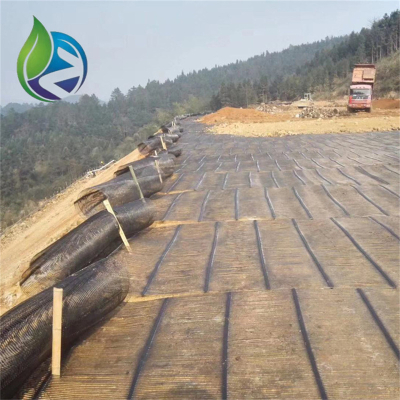
Poultry house foundation reinforcement
Service roads for feed and waste transport
Manure handling and storage yard bases
Drainage channel side slope stabilization
Heavy equipment parking areas
Core Pain Points and Engineering Solutions
Soft subgrade settlement: Geogrid improves bearing capacity and reduces differential settlement
Repeated vehicle loading: Biaxial strength distributes loads evenly
High moisture environment: Polymer material resists water and chemical exposure
Frequent maintenance costs: Reinforced base extends service life of gravel layers
Risk Warnings and Mitigation Measures
Ensure proper overlap (≥300 mm) between adjacent rolls
Avoid direct UV exposure during long-term storage
Use well-graded aggregate for optimal interlock
Confirm tensile strength meets actual axle load requirements
Procurement and Selection Guide
Conduct soil bearing capacity assessment
Define load conditions and traffic frequency
Select suitable tensile strength grade
Determine aperture size based on aggregate type
Confirm roll dimensions for site efficiency
Request third-party test reports
Evaluate supplier customization and delivery capability
Engineering Case Application
In a large-scale poultry farm expansion project covering 18,000 m², a custom biaxial plastic geogrid with 40 kN/m tensile strength was installed beneath a 200 mm crushed stone layer. Post-construction monitoring showed a reduction in rutting by over 45% compared to untreated sections, with stable performance after 24 months of operation.
FAQ — Technical and Procurement Questions
Can the geogrid be customized for different poultry houses? Yes, tensile strength and aperture size can be adjusted.
Is it suitable for wet or muddy sites? Yes, it performs well under high moisture conditions.
What is the expected service life? Over 20 years when properly buried.
Does it require anchoring? Typically no, when covered with aggregate.
Can it be used with recycled aggregates? Yes, if gradation meets design requirements.
Is it resistant to manure chemicals? Yes, PP and HDPE offer strong chemical resistance.
How is quality verified? Through tensile, junction strength, and dimensional tests.
What roll sizes are available? Standard and custom widths and lengths.
Is installation equipment required? No specialized equipment is needed.
Does it meet international standards? Typically compliant with ASTM and ISO standards.
Request Quotation or Technical Documentation
For customized specifications, engineering drawings, laboratory test reports, or project-based quotations, procurement and engineering teams are encouraged to request formal technical documentation and material samples for evaluation.
E-E-A-T: Authoritative Technical Background
This article is prepared by geosynthetics engineering specialists with extensive experience in agricultural infrastructure, soil reinforcement design, and international project supply, supporting EPC contractors, distributors, and farm developers worldwide.