PP Fiber for Concrete
Manufacturing Process
Polymer Pellet Feeding: Virgin polypropylene pellets fed into twin-screw extruders
Melt Extrusion: Controlled barrel temperatures between 180–230°C
Spinneret Drawing: Fibers drawn through micro-dies to required diameter
Stretching and Orientation: Molecular chain alignment to increase tensile strength
Heat Setting: Thermal stabilization to lock internal structure
Cutting Process: Precision cutting to specified fiber lengths
Surface Treatment: Optional embossing or fibrillation
Final Inspection: Length, tensile, and dispersion performance testing
Product Definition
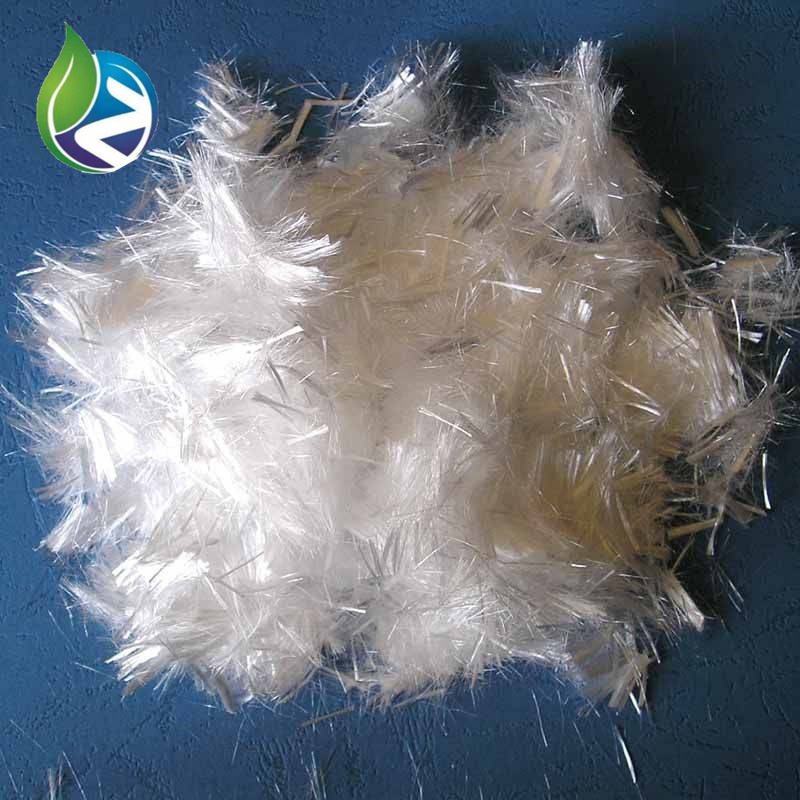
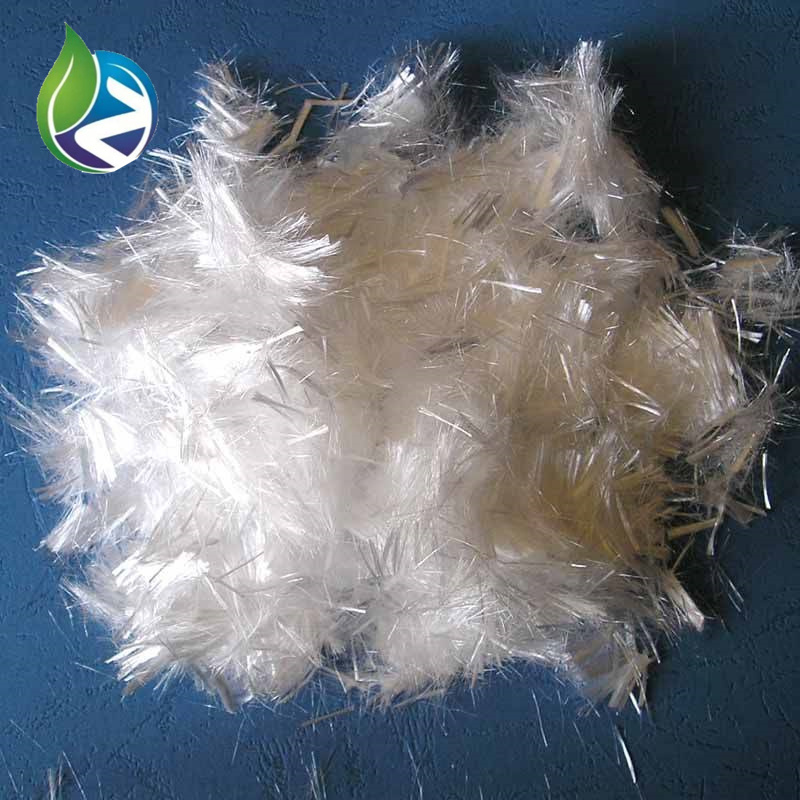
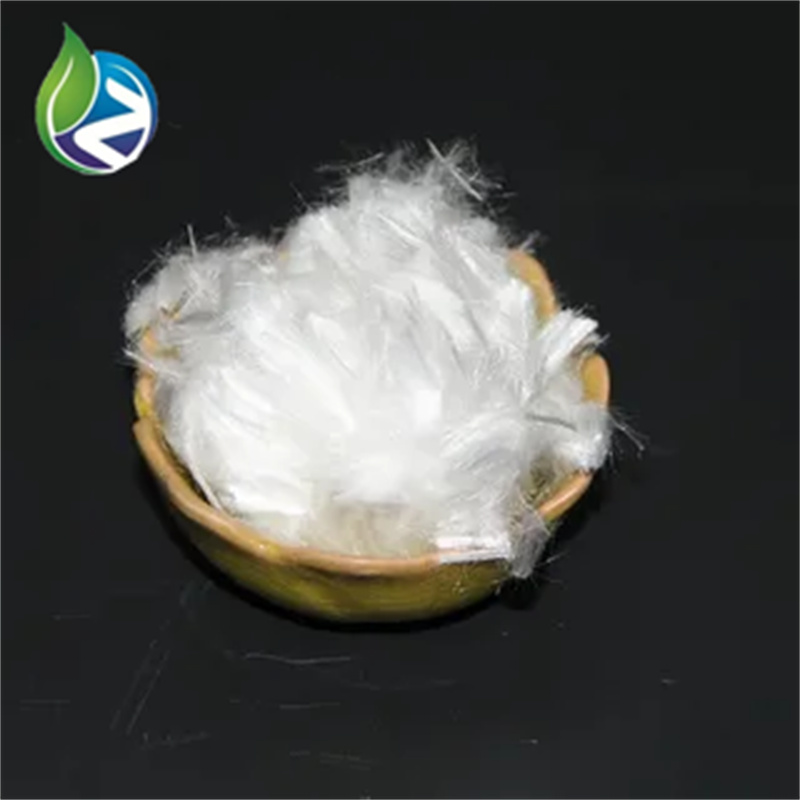
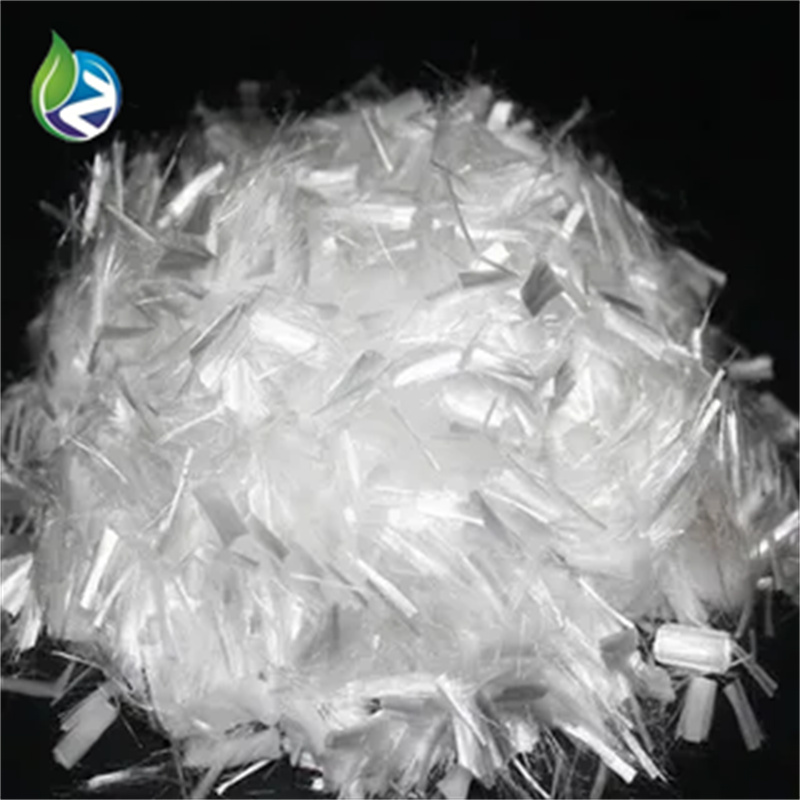
PP Fiber for Concrete is a synthetic micro- or macro-reinforcement material produced from polypropylene polymer and distributed within cementitious matrices to control plastic shrinkage cracking, improve impact resistance, and enhance post-crack toughness without altering core mix design.
Technical Parameters and Specifications
Actual engineering-grade specifications for PP Fiber for Concrete used in structural and non-structural applications:
Material: 100% Virgin Polypropylene
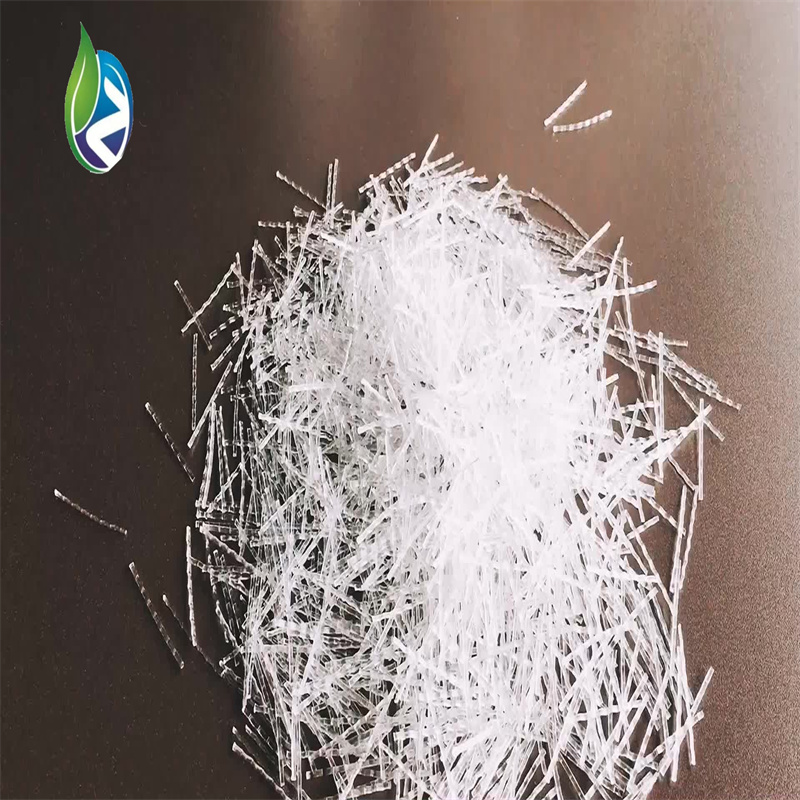
Fiber Type: Monofilament / Fibrillated
Fiber Length: 6 mm, 12 mm, 18 mm, 24 mm, 40 mm
Equivalent Diameter: 18–45 μm (monofilament)
Tensile Strength: ≥ 350 MPa
Elastic Modulus: 3.0–5.0 GPa
Density: 0.91 g/cm³
Melting Point: 160–170°C
Recommended Dosage: 0.6–3.0 kg/m³ of concrete
Alkali Resistance: Excellent (no degradation in high-pH cement matrix)
Structure and Material Composition
Typical structural forms of PP Fiber for Concrete:
Monofilament Fibers: Smooth, straight micro-reinforcement strands
Fibrillated Network Fibers: Mesh-like structure improving mechanical interlock
Surface-Modified Fibers: Plasma or embossed surface to enhance bonding
Additive System: Antistatic and dispersion-control additives
Manufacturing Process
Polymer Pellet Feeding: Virgin polypropylene pellets fed into twin-screw extruders
Melt Extrusion: Controlled barrel temperatures between 180–230°C
Spinneret Drawing: Fibers drawn through micro-dies to required diameter
Stretching and Orientation: Molecular chain alignment to increase tensile strength
Heat Setting: Thermal stabilization to lock internal structure
Cutting Process: Precision cutting to specified fiber lengths
Surface Treatment: Optional embossing or fibrillation
Final Inspection: Length, tensile, and dispersion performance testing
Industry Comparison
| Reinforcement Type | Crack Control | Corrosion Risk | Mix Workability Impact | Lifecycle Maintenance |
|---|---|---|---|---|
| PP Fiber for Concrete | High | None | Low | Low |
| Steel Fiber | Very High | High | Medium | Medium |
| Glass Fiber | Medium | None | Medium | Medium |
Application Scenarios
Industrial floor slabs and warehouses
Precast concrete elements and pipes
Shotcrete linings and tunnel supports
Bridge deck overlays and repair mortars
Water-retaining structures and tanks
Core Pain Points and Engineering Solutions
Plastic Shrinkage Cracking: Fibers form a three-dimensional restraint network
Surface Microcracks under Drying: Even fiber dispersion limits crack propagation
Low Impact Resistance: Fibers improve energy absorption capacity of concrete
Corrosion of Traditional Reinforcement: Polypropylene eliminates oxidation risks
Risk Warnings and Mitigation Recommendations
Risk: Fiber balling during mixing
Mitigation: Pre-blend fibers with fine aggregates before water additionRisk: Reduced slump
Mitigation: Adjust superplasticizer dosage based on trial batchesRisk: Uneven dispersion in high-strength mixes
Mitigation: Extend mixing time by 30–60 secondsRisk: Incorrect dosage
Mitigation: Use calibrated weight-based dosing equipment
Procurement and Selection Guide
Define project performance targets for crack control
Select fiber type based on concrete grade and application
Determine optimal fiber length through laboratory trial mixes
Verify tensile strength certificates and material traceability
Request alkali resistance and durability test reports
Evaluate supplier production capacity and quality control system
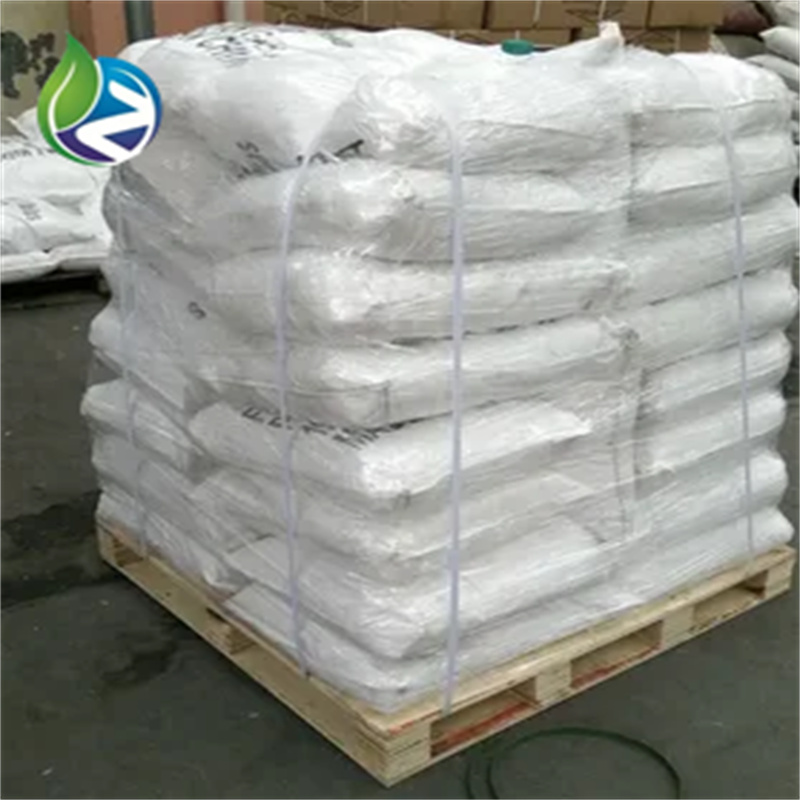
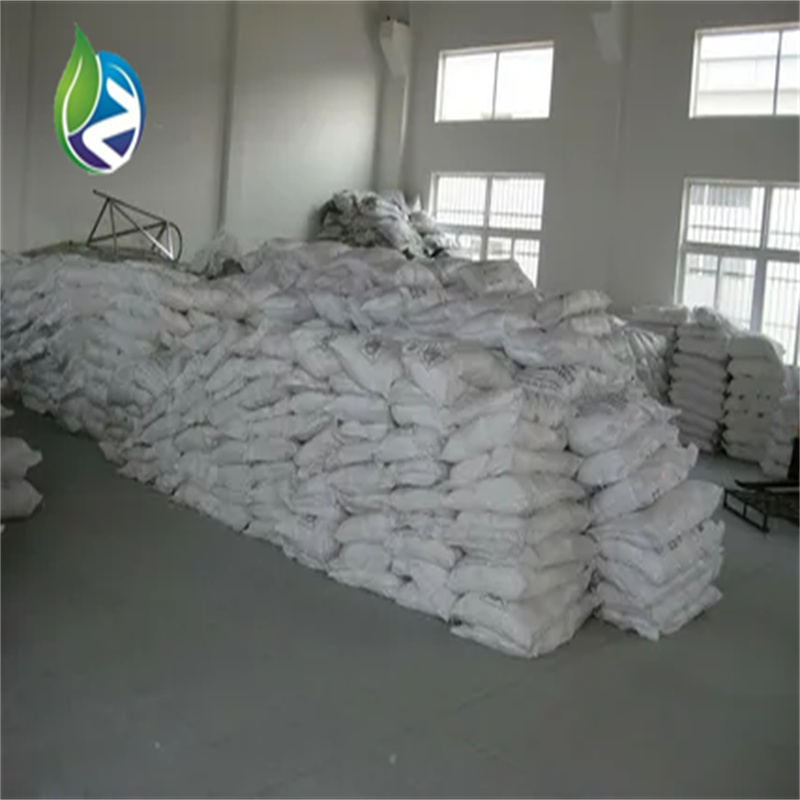
Confirm packaging method for bulk handling efficiency
Engineering Application Case
In a logistics warehouse floor project covering 18,000 m², PP Fiber for Concrete was used at a dosage of 1.2 kg/m³ in C30/37 concrete. The fiber-reinforced slab achieved controlled crack widths and passed post-construction flatness and abrasion resistance inspections, reducing long-term maintenance requirements.
FAQ
Q1: Can PP fibers replace steel rebar? A: No, they are complementary crack control reinforcement.
Q2: Do fibers affect setting time? A: No significant impact when properly dosed.
Q3: Suitable for high-temperature concrete? A: Yes, within typical construction temperature ranges.
Q4: Does it improve freeze-thaw durability? A: Indirectly, by limiting crack formation.
Q5: Can it be used in precast plants? A: Yes, with verified mixing control.
Q6: Storage requirements? A: Dry, shaded, and well-ventilated conditions.
Q7: Shelf life? A: Up to 24 months in sealed packaging.
Q8: Does it affect pumpability? A: Minimal effect with proper grading.
Q9: Is it compatible with fly ash or slag cement? A: Yes.
Q10: Typical quality inspection on site? A: Visual dispersion and slump verification.
Call to Action
For formal quotation, technical datasheets, or project-specific samples of PP Fiber for Concrete, submit detailed project information to the technical procurement department.
E-E-A-T Author Credentials
This article is prepared by a civil materials engineer with over 15 years of experience in concrete performance optimization, fiber reinforcement systems, and large-scale commercial and infrastructure construction projects.