Railway Subgrade Geogrid: Strategies for Anti-Deformation
Railway Subgrade Geogrid: Strategies for Anti-Deformation
Introduction
In the field of railway infrastructure, ensuring the stability and longevity of railway tracks is critical for safety, efficiency, and cost-effectiveness. One of the most innovative solutions to address subgrade deformation is the use of railway subgrade geogrids. These geogrids play an essential role in reinforcing and stabilizing the soil beneath railway tracks, preventing excessive deformation caused by traffic loads, weather conditions, and ground movement.
This article will explore the role of railway subgrade geogrids in anti-deformation strategies, the materials used, the technology behind their effectiveness, and why these geogrids have become an essential part of modern railway construction.
What is a Railway Subgrade Geogrid?
Definition and Function
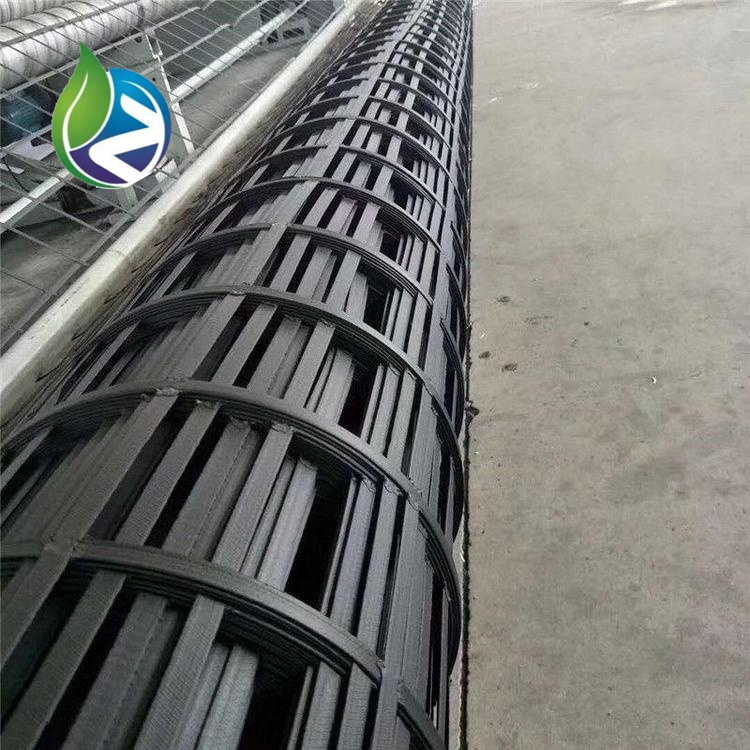
A railway subgrade geogrid is a geosynthetic material that is placed in the foundation or subgrade of railway tracks to provide additional strength and stability. It is typically made from high-strength polymers, such as polypropylene or polyester, and is designed to prevent soil deformation and improve load distribution.
The primary function of a geogrid in railway applications is to reinforce the soil, thereby preventing differential settlement and maintaining the integrity of the railway substructure. By distributing the pressure from railway traffic more evenly across the subgrade, these geogrids enhance track stability and reduce maintenance costs.
The Importance of Anti-Deformation in Railway Subgrades
Challenges Faced in Railway Construction
The railway subgrade is the foundational layer that supports the rail tracks and bears the brunt of the weight from the passing trains. Over time, the combination of heavy loads, moisture, temperature variations, and subgrade movement can cause deformation, leading to track misalignment, settlement, and distress. These issues compromise the safety and functionality of the railway network.
Common challenges include:
Uneven Settlement: Due to the varying soil conditions, some areas of the subgrade may settle more than others, resulting in uneven track alignment.
Pumping and Erosion: Water infiltration can lead to soil erosion, which undermines the stability of the subgrade.
Creep and Fatigue: Continuous loading and unloading of trains can lead to long-term deformation and fatigue of the subgrade material.
To address these challenges, the implementation of railway subgrade geogrids has proven to be a highly effective anti-deformation strategy.
How Railway Subgrade Geogrids Prevent Deformation
1. Soil Reinforcement and Stabilization
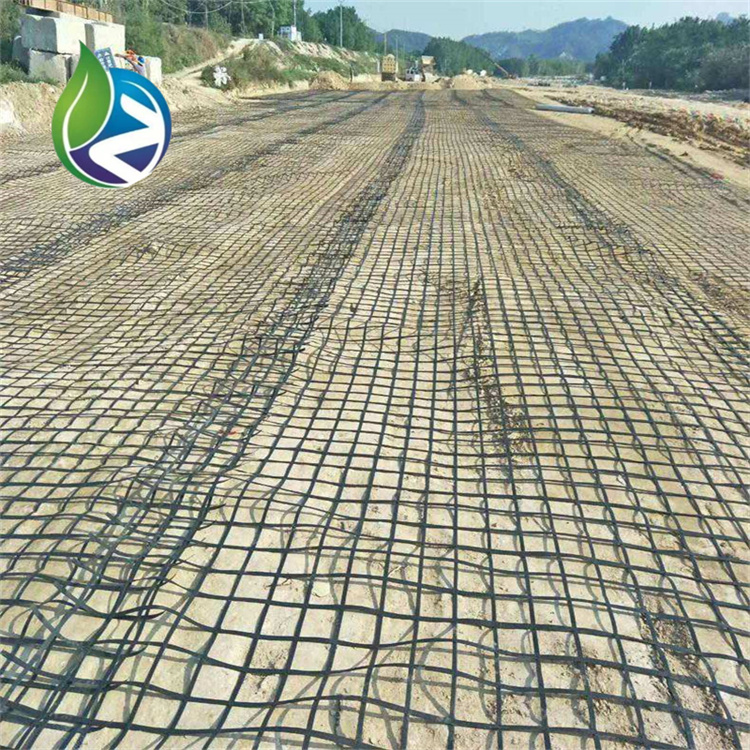
The primary mechanism through which railway subgrade geogrids prevent deformation is by reinforcing the soil structure. The geogrid forms a structural framework that enhances the soil's load-bearing capacity, effectively redistributing the pressure exerted by the railway tracks.
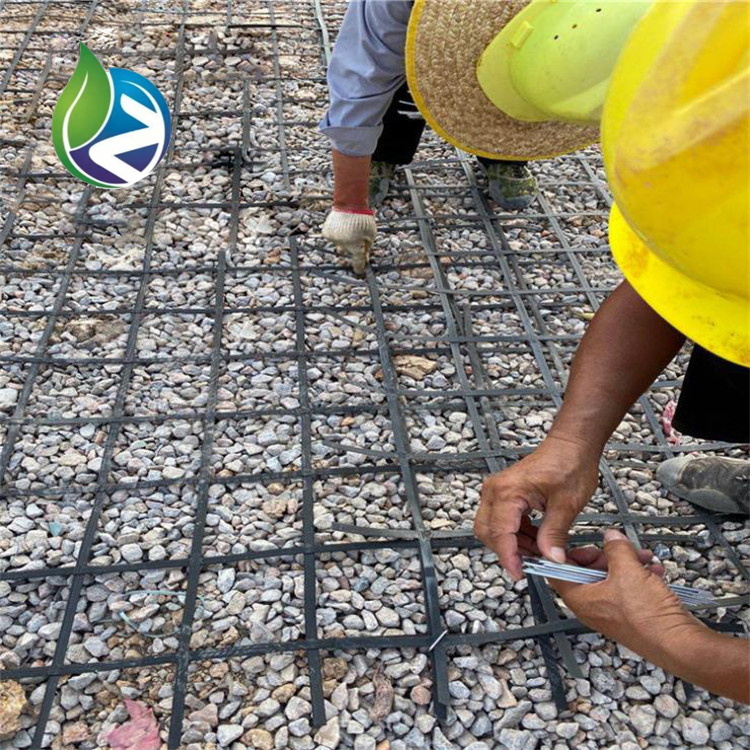
Interlocking Action: The grid’s mesh-like structure interlocks with the surrounding soil particles, preventing soil movement and improving shear strength.
Improved Compaction: By reinforcing the soil, geogrids help in better compaction of the subgrade, reducing the likelihood of differential settlement.
2. Load Distribution
A key challenge in railway subgrade stability is ensuring that the load from passing trains is evenly distributed across the subgrade. Railway subgrade geogrids help achieve this by:
Distributing Vertical Loads: The geogrid spreads the vertical load over a larger area, reducing the stress on any single point of the subgrade.
Minimizing Differential Settlement: By controlling soil deformation, geogrids reduce uneven settlement and prevent the creation of track misalignments.
3. Increased Durability and Longevity
Railway subgrade geogrids also enhance the durability and lifespan of the railway foundation. By preventing erosion and moisture-related damage, the geogrids help maintain the integrity of the subgrade over time. This reduces the need for costly repairs and track realignment, which are often required when the subgrade fails.
Key Benefits of Using Railway Subgrade Geogrids
1. Cost-Effectiveness
While the initial investment in geogrids may add to the construction costs, the long-term savings far outweigh these costs. Geogrids reduce the need for ongoing maintenance, track repairs, and reinforcements, thus lowering the overall lifecycle costs of the railway.
Fewer Track Adjustments: The geogrids prevent deformation, meaning less frequent track adjustments are needed.
Reduced Soil Erosion: They help in preventing soil erosion caused by water infiltration, which can otherwise undermine track stability.
2. Improved Track Stability
By preventing subgrade deformation and settlement, railway subgrade geogrids contribute to the long-term stability of the track. The smooth and consistent alignment of the track ensures safer operations, less wear and tear on the train’s wheels, and a more comfortable ride for passengers.
3. Quick and Easy Installation
Geogrids are relatively easy to install, reducing construction time and allowing for faster project completion. They can be easily unrolled and placed in the subgrade during railway construction, which speeds up the overall process.
4. Environmental Benefits
Some geogrid materials are made from recycled plastics, contributing to sustainability efforts in the construction industry. Additionally, the prevention of soil erosion helps maintain local ecosystems and water quality by preventing sediment runoff.
Market Trends and Developments
1. Growing Demand for Railway Infrastructure
As the global demand for efficient rail transport systems increases, so does the need for improved railway subgrade solutions. The Asia-Pacific region, with its extensive rail networks, is witnessing a significant rise in the adoption of geogrid materials for track stabilization. Additionally, Europe and North America are also exploring geogrids as part of their railway modernization efforts.
2. Advancements in Geogrid Technology
Advancements in geogrid technology are making railway subgrade geogrids even more effective. Innovations include the development of high-strength geogrids with better UV resistance, chemical stability, and longer lifespan. These improvements help geogrids perform even under the harshest conditions, such as in wetlands, high-traffic railway lines, and extreme climates.
3. Sustainability and Eco-Friendly Materials
With growing concerns over environmental sustainability, many geogrid manufacturers are focusing on using eco-friendly and recyclable materials. This trend aligns with the broader movement towards sustainable construction and the reduction of carbon footprints in the railway industry.
Frequently Asked Questions (FAQ)
1. What is the purpose of a railway subgrade geogrid?
A railway subgrade geogrid is used to reinforce and stabilize the soil beneath railway tracks, preventing deformation, settlement, and erosion. It improves track stability and load distribution, leading to longer-lasting infrastructure.
2. How do geogrids improve the subgrade’s performance?
Geogrids distribute loads more evenly across the subgrade, reducing the risk of uneven settlement. Their reinforcement and interlocking action enhance the soil’s strength, preventing deformation and increasing the durability of the railway foundation.
3. Can geogrids be used in all types of soils?
Yes, geogrids can be used in most soil types. However, the thickness and type of geogrid may vary depending on the soil conditions and the specific requirements of the project.
4. How long do railway subgrade geogrids last?
When properly installed, railway subgrade geogrids can last for several decades, with many offering long-term durability against moisture, UV exposure, and mechanical stress.
Conclusion and Call to Action
Railway subgrade geogrids are a powerful solution for anti-deformation in railway construction, improving the stability and longevity of tracks while reducing maintenance costs. As railway networks continue to grow globally, geogrids provide a cost-effective, durable, and sustainable method for enhancing the structural integrity of railway foundations.
If you're looking for reliable geogrid solutions for your railway projects, contact us today. Our high-quality geogrids are designed to meet the most demanding construction standards, ensuring long-lasting performance in all conditions.
Get in touch with our team now to learn more about how our railway subgrade geogrids can improve your infrastructure projects!