Hardened Ground "Re-greening": Grass-planting Grids Show Effectiveness
Cities just keep sprawling—it’s hard not to notice. More open spots end up covered in concrete or asphalt before you even blink. Think about all those hard surfaces: parking lots, sidewalks, even some plazas. They make cities look kinda neat, sure—but man, do they cause headaches. Heat just hangs around there, y’know? Summers in the city get way hotter than they oughta be. When it rains? The water ain’t soak into the ground—it just sits on top. Puddles pop up all over the roads, and sometimes low spots even flood a little. Plus, with so little green stuff around, the air don’t feel fresh at all. And there’s barely any room for small plants or bugs to stick around, either. For years, urban planners and folks who care about the environment have been hunting for simple, cheap fixes to these problems. That’s exactly where grass pavers plastic comes in—it turns those hard, dead areas back into green spaces that actually work.
The Trouble with Traditional Hardscapes
Traditional hard surfaces—y’know, concrete parking lots or asphalt roads? They’re built to be tough and stick around a long time, but they don’t connect to nature at all. Summer rolls in, and a concrete lot gets so hot you can barely lay a hand on it—feels like touching a stove right after turning it off. This “heat island effect” warms up whole neighborhoods. Folks crank their AC more, and energy bills go through the roof. Rain don’t soak into the soil to feed trees or plants, either—it just runs off the hard surface. That runoff picks up oil, dirt, and other gunk from the ground, then carries it to rivers or lakes. Real bad for water quality. Also? These hard areas leave no room for grass or small bushes. After a while, all that lack of green makes cities feel cold and impersonal. And there’s less oxygen being made nearby, too. Grass pavers plastic fixes all this by mixing the strength of traditional hardscapes with the perks of greenery. Unlike solid concrete, these pavers have gaps where grass grows—turns a boring lot into something useful and better for the planet.
What Makes Grass Pavers Plastic Stand Out?
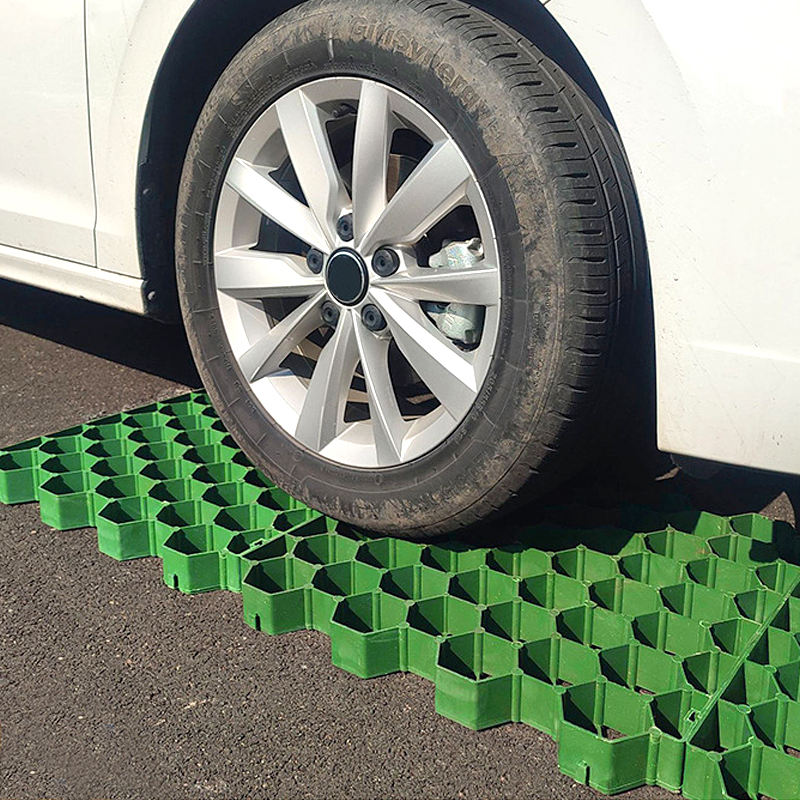
Grass pavers plastic ain’t no random “eco-friendly” gimmick, either—it’s practical for businesses and homeowners both. One big plus? How durable it is. Made from tough recycled plastic, it can handle heavy stuff—cars, trucks, whatever—without cracking or breaking. That’s a huge win for areas where regular grass would get trampled to nothing fast. Another nice thing? It’s easy to work with. Unlike concrete pavers, which are heavy and a total hassle to move, grass pavers plastic is light. Means the crew putting ’em in don’t spend hours lifting and placing, so labor costs drop. The plastic also resists rot, mold, and bugs—problems that always mess with wood or stone alternatives. Harsh weather? Freezing winters, super hot dry summers? Nah, don’t faze grass pavers plastic. The gaps in the pavers let water seep down to the soil, so the grass stays healthy without constant watering. And since it’s made from recycled plastic, it’s good for the long run too—keeps plastic out of landfills while helping cities go greener.
Where Grass Pavers Plastic Works Best
Grass pavers plastic is versatile enough for almost any hard area that needs a bit of green. Parking lots are one of the most common uses. Lots of commercial lots or home driveways have started swapping out bits of their concrete for these pavers. Drivers still get a solid surface to park on, but the grass between the pavers cools the area down. Makes it look way more welcoming, too. Sidewalks and walkways? Another great fit. In parks or neighborhoods, a sidewalk with these pavers don’t feel like plain concrete—it feels more like a little garden path. Safer, too—the grass adds grip, so slips are less likely when the surface is wet. Even roof gardens and rooftop patios benefit from grass pavers plastic. The light material don’t add too much weight to the roof, and the grass helps insulate the building below. Keeps it cooler in summer, warmer in winter. Some community areas use these pavers for outdoor play spaces, too—gives a softer surface for kids to run on while keeping the space green. No matter where it’s used, grass pavers plastic turns a hard, unused spot into something functional and kinder to the planet.
Installing and Maintaining Grass Pavers Plastic
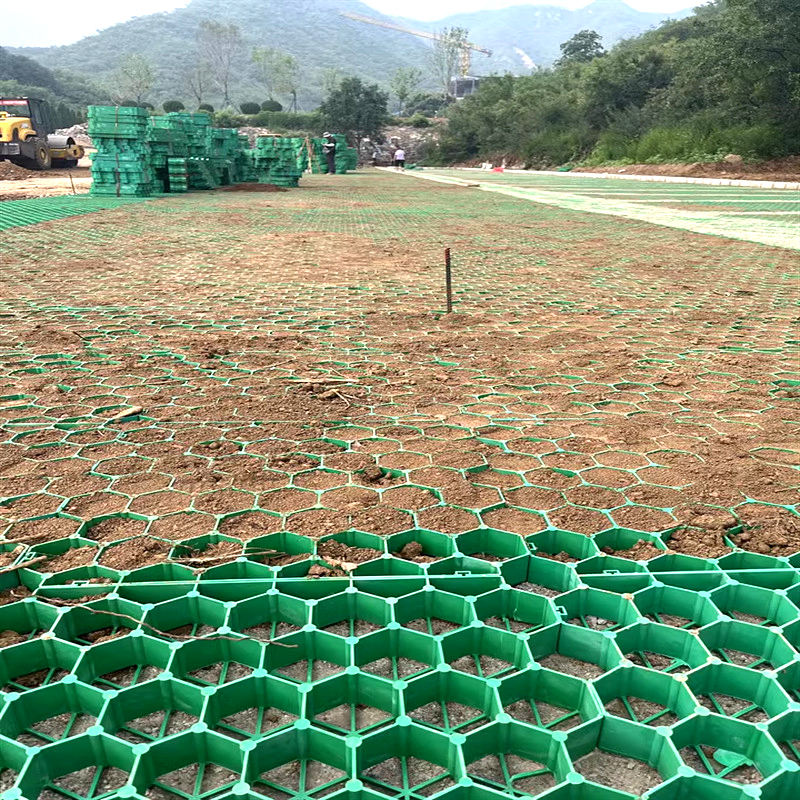
Part of why grass pavers plastic has caught on so much is that it’s easy to install and don’t need much upkeep. Installing ’em? Start with getting the ground ready—clear out all the junk first, then smooth the soil so it’s level. After that, lay down a layer of gravel to help with drainage—stops water from pooling under the pavers. Then lay out the grass pavers plastic in whatever pattern works. These pavers are designed to fit together easy, so no complicated measuring or cutting needed. Once they’re in place, pour soil into the gaps and spread grass seeds. In a few weeks, grass starts growing, filling the gaps and making a green surface. Maintenance is just as simple. The grass needs regular mowing, like a normal lawn, but no edging around the pavers—the plastic edges keep the grass in check. Weeds sometimes pop up in the gaps, but a quick pull or light spray of weed killer takes care of ’em. The pavers themselves barely need attention; they don’t crack like concrete, and they don’t fade much even in strong sun. If a paver gets damaged, replacing it’s easy—just lift out the old one and drop a new one in. That low maintenance means once grass pavers plastic is installed, it works for years without costing much time or money.
The Future of Urban Greening with Grass Pavers Plastic
More cities are trying to go greener and more sustainable these days—and grass pavers plastic will probably matter more for urban planning because of that. Right now, lots of cities have rules that make new buildings include green spaces. But finding room for those spaces is tough in dense areas. Grass pavers plastic solves that—turns existing hard areas into green spaces, no extra land needed. For businesses, using grass pavers plastic can help attract customers too. A lot that’s green feels more eco-friendly, and that matters to folks these days. Homeowners are starting to use these pavers for driveways or backyard patios, too—they want eco-friendly homes but still functional ones. Another big plus? Grass pavers plastic helps cities hit their stormwater management goals. Letting rain soak into the ground cuts down on runoff, so fewer floods and cleaner water. Over time, as more folks see how well grass pavers plastic works, it could become normal in urban design—replacing traditional concrete and asphalt in lots of places. That wouldn’t just make cities greener; it’d make ’em healthier and nicer to live in.
Why Grass Pavers Plastic Is a Smart Choice Today
These days, environmental problems just keep getting bigger—and grass pavers plastic is a simple way to help. No big changes to how cities are built. Instead, it uses existing spaces to add greenery and boost sustainability. Unlike some eco-friendly products that are expensive or hard to use, grass