What Is Three-dimensional Vegetation Geomat
What Is Three-dimensional Vegetation Geomat?
In the world of geotechnical engineering, environmental protection, and landscaping, the use of innovative materials to enhance soil stabilization and vegetation growth has become increasingly important. One such material is the three-dimensional vegetation geomat, a powerful tool for soil erosion control and vegetation support. This article will explore what is three-dimensional vegetation geomat, its functions, benefits, and how it plays a crucial role in various construction and environmental protection projects.
Understanding Three-dimensional Vegetation Geomat
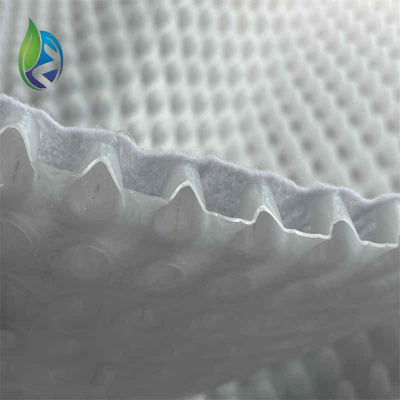
A three-dimensional vegetation geomat is a type of geosynthetic material designed to support the growth of vegetation on slopes, embankments, and other challenging landscapes. It is typically made from a combination of natural and synthetic fibers, offering both environmental sustainability and durability. The geomat is structured in a 3D pattern, which provides superior soil retention and allows for the natural establishment of plant roots.
These mats are commonly used in erosion control, landscaping, and environmental restoration projects where traditional soil stabilization methods may not be effective or feasible. The three-dimensional vegetation geomat is designed to hold soil particles in place, allowing vegetation to grow naturally while protecting the surface from water and wind erosion.
Key Features of Three-dimensional Vegetation Geomat
1. Enhanced Soil Retention
The main function of a three-dimensional vegetation geomat is to provide excellent soil retention, preventing soil erosion and promoting vegetation growth. The 3D structure of the geomat helps anchor the soil, reducing the movement of soil particles, especially in areas that are prone to erosion. This allows the vegetation to establish itself in the soil, which further enhances the stability of the land.
The mat’s design enables it to work as a protective layer over the soil, ensuring that the soil remains intact even in challenging environmental conditions, such as heavy rainfall or strong winds. Over time, the growing vegetation helps reinforce the mat, creating a sustainable solution for soil stabilization.
2. Support for Vegetation Growth
A significant advantage of the three-dimensional vegetation geomat is its ability to support the growth of various types of vegetation. The 3D structure of the mat allows for sufficient air circulation, moisture retention, and sunlight penetration, all of which are essential for healthy plant growth.
The geomat serves as a supportive structure for seeds or seedlings, providing the necessary environment for roots to grow and establish themselves. As the plants grow, their roots intertwine with the geomat, further stabilizing the soil and improving erosion resistance. This makes three-dimensional vegetation geomat an ideal choice for green infrastructure projects, landscaping, and ecological restoration.
3. Erosion Control and Protection
One of the most significant uses of the three-dimensional vegetation geomat is its role in erosion control. Areas prone to erosion, such as riverbanks, slopes, and construction sites, can benefit from the protective capabilities of the geomat. By holding the soil in place and supporting vegetation growth, the geomat reduces the risk of soil displacement caused by water or wind.
The geomat acts as a protective shield against the forces of erosion, preventing soil loss and degradation. This is particularly useful in areas where soil erosion can lead to significant environmental damage, such as in coastal areas, hillsides, or agricultural land.
4. Durability and Longevity
The three-dimensional vegetation geomat is designed for durability, able to withstand harsh weather conditions, UV exposure, and environmental stress. Made from high-quality materials such as polypropylene or polyester, the geomat is resistant to degradation, ensuring that it will last for many years without losing its effectiveness.
Additionally, the geomat is resistant to chemical reactions, such as those caused by fertilizers or pollutants, which can affect the growth of vegetation. This durability makes the geomat a reliable solution for long-term erosion control and vegetation support, reducing the need for frequent maintenance or replacement.
5. Eco-Friendly Solution
Unlike traditional methods of soil stabilization, such as concrete or asphalt, the three-dimensional vegetation geomat is an eco-friendly option that promotes the growth of natural vegetation. By allowing plants to grow naturally, the geomat supports biodiversity and enhances the ecological health of the area.
The geomat does not interfere with the natural environment, as it provides a structure that allows for the growth of native plants, grasses, and shrubs. This makes it an ideal choice for projects focused on sustainability and environmental restoration, as it helps restore ecosystems and promotes the health of surrounding flora and fauna.
Applications of Three-dimensional Vegetation Geomat
1. Slope and Embankment Protection
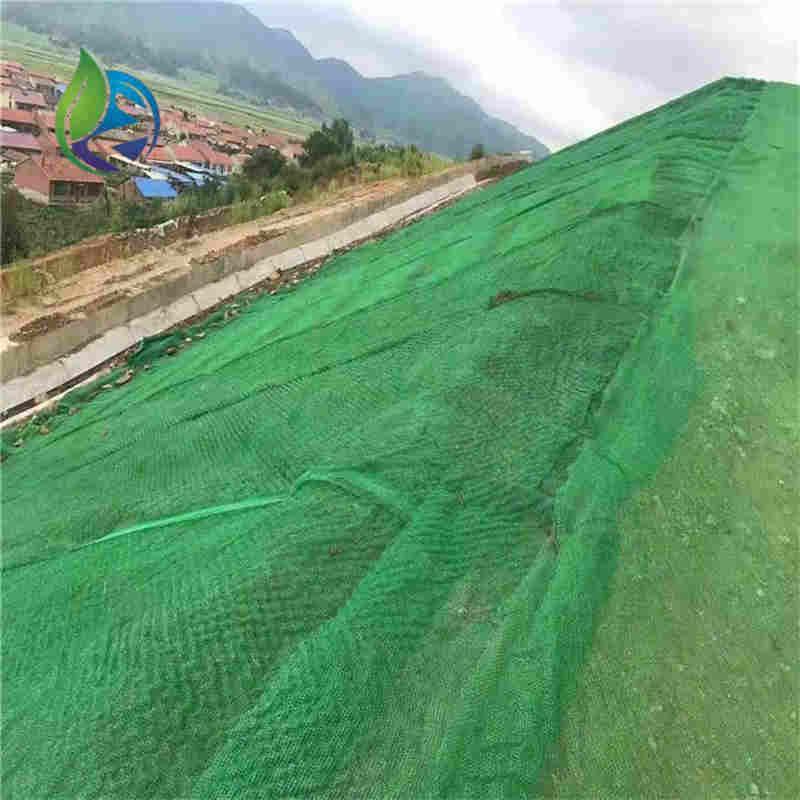
One of the most common uses of the three-dimensional vegetation geomat is for slope and embankment protection. Slopes are particularly vulnerable to erosion due to their steep angles, and the three-dimensional vegetation geomat provides an effective solution for stabilizing these areas. The geomat holds the soil in place, preventing movement caused by rain or wind and allowing plants to take root and reinforce the soil.
This is particularly useful in highway construction, railway embankments, and dam projects, where the stability of slopes is critical for the safety of the infrastructure.
2. Riverbank and Coastal Protection
Three-dimensional vegetation geomat is also highly effective for protecting riverbanks and coastal areas from erosion. The geomat helps stabilize the soil along water bodies, reducing the impact of water flow and preventing the loss of land. The natural vegetation that grows on the geomat helps absorb wave energy and filter pollutants, further improving water quality.
This makes the geomat ideal for projects aimed at preventing coastal erosion, preserving wetlands, and restoring damaged riverbanks.
3. Landscaping and Green Infrastructure
In landscaping projects, three-dimensional vegetation geomat can be used to create beautiful, sustainable environments. The geomat helps establish vegetation on a variety of surfaces, including green roofs, golf courses, parks, and urban landscapes. By providing a solid foundation for plants, the geomat promotes the growth of healthy, thriving vegetation that enhances the aesthetic value of the area.
The geomat also aids in stormwater management by improving the permeability of the soil and allowing water to be absorbed more effectively, reducing runoff and flooding in urban areas.
4. Ecological Restoration
For ecological restoration projects, three-dimensional vegetation geomat provides a vital tool for reclaiming and rehabilitating disturbed or damaged land. Whether restoring a mining site, agricultural land, or an area affected by construction, the geomat helps stabilize the soil and foster the growth of native plants, contributing to the restoration of the local ecosystem.
Conclusion
The three-dimensional vegetation geomat plays an essential role in modern soil stabilization and vegetation support. By offering enhanced soil retention, supporting plant growth, and providing long-term protection against erosion, it is a valuable tool for construction, landscaping, and environmental protection projects. Its versatility, eco-friendliness, and durability make it an ideal choice for various applications, from slope and embankment protection to ecological restoration.
Choosing a three-dimensional vegetation geomat for your next project ensures a sustainable, effective, and long-lasting solution for soil erosion control, vegetation support, and environmental enhancement.
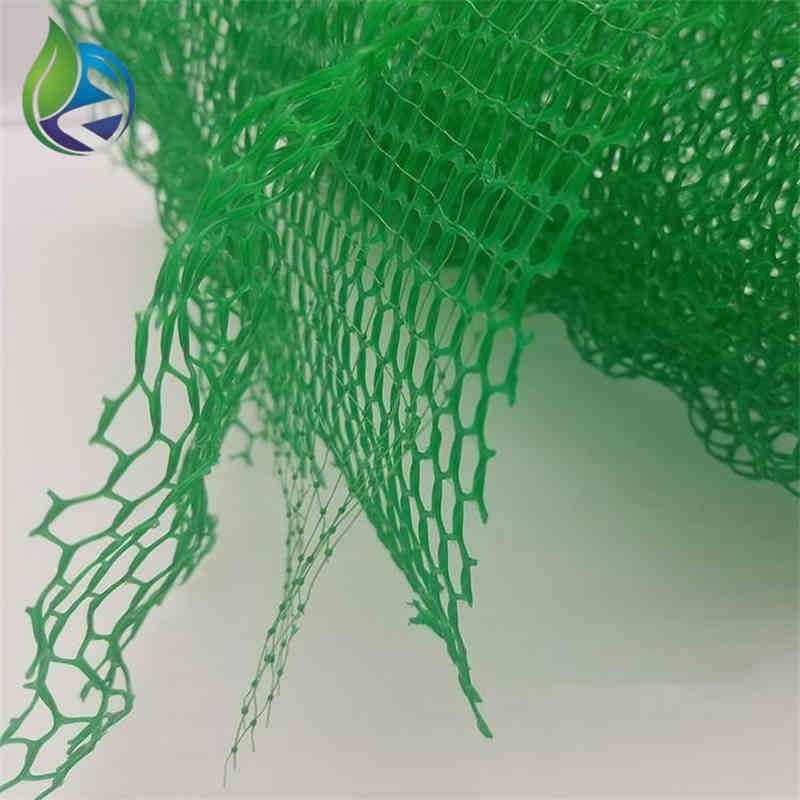
The application example shows that the slope protection of three-dimensional vegetation net is very beneficial to the stability of slope, and the protection effect is very good. In recent years, the three-dimensional vegetation network slope protection technology not only significantly improves the overall and local stability of slope, but also facilitates the growth of slope vegetation. At the same time, the project cost is also low, which is in line with the development direction of slope engineering, and has great application value in soil and water conservation.
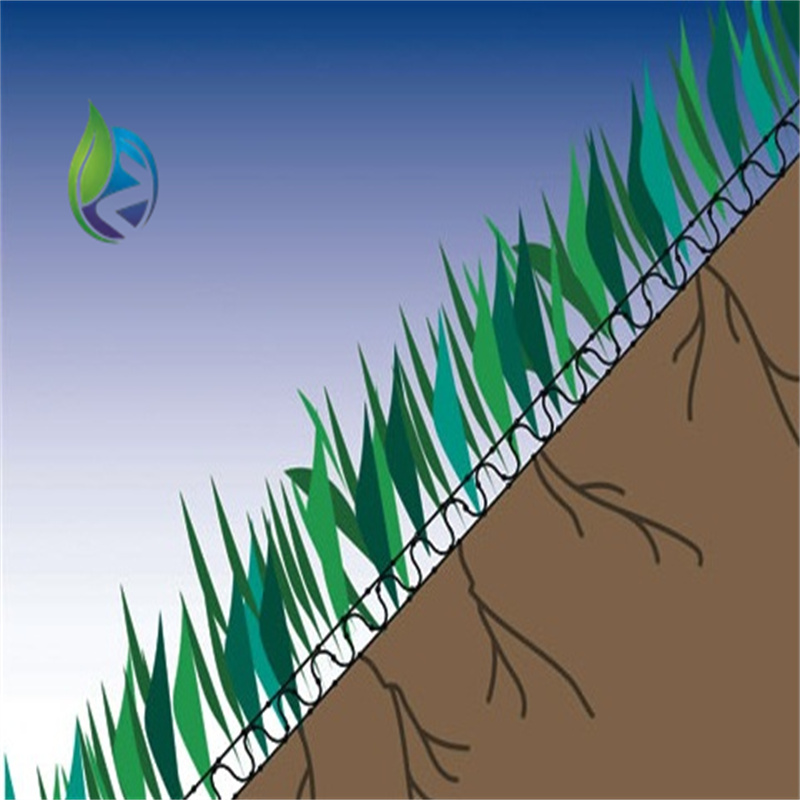
Before the sod has grown, the three-dimensional vegetation network can protect the surface of the land from the wind and rain. It can also firmly keep grass seeds evenly distributed on the slope, free from wind and rain. If you choose to use black mesh pad can absorb a lot of heat energy, increase moisture, promote seed germination, and extend the growth period of plants. Because the surface of the mat is rough, the wind and water flow produce numerous eddy currents on the surface of the mat, which produces the energy dissipation effect, and promotes the deposition of its cargoes in the mat. The composite protective layer formed after the plant grows up can withstand the erosion of high water level and high velocity (3 -- 4m/s within two days, 5 -- 6m/s within 4 -- 5 hours).
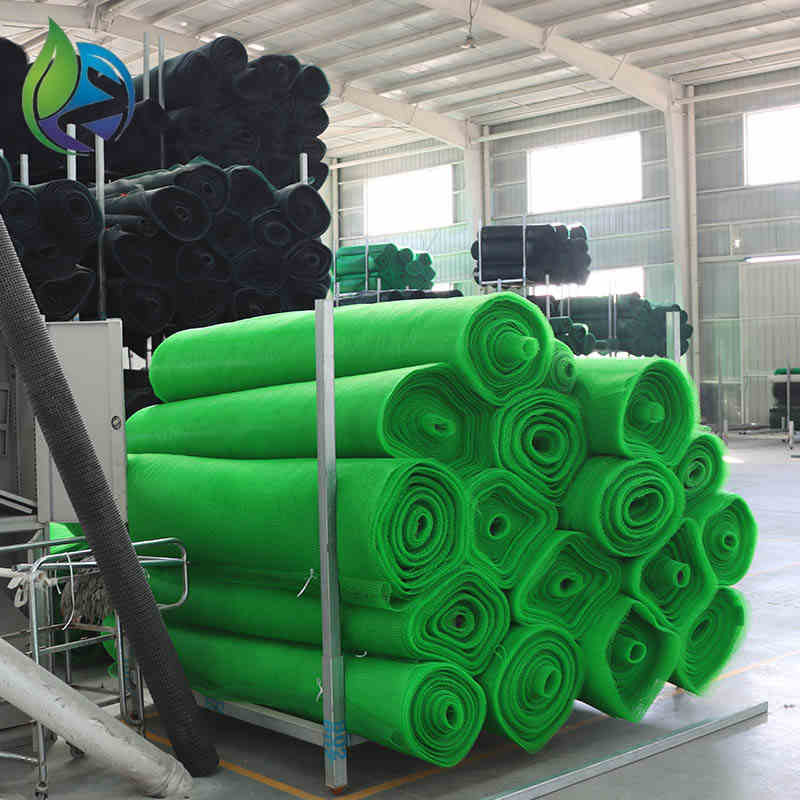
Three-dimensional vegetation network can replace permanent slope protection materials such as concrete, asphalt, block stone and so on, and is used for slope protection of roads, railways, rivers, DAMS, hillsides and so on. The use of three-dimensional vegetation net can greatly reduce the project cost, which is 1/7 of the cost of C15 concrete and dry block stone slope protection, and 1/8 of the cost of slurry block stone. After laying three-dimensional vegetation network on the surface of sandy land, it can prevent the movement of sand dunes, greatly improve the surface roughness, increase the surface sediment, change the physical and chemical properties of the surface, and improve the local ecological environment. Three-dimensional geomat is a new geosynthetic material with three-dimensional structure suitable for soil and water conservation, which can effectively prevent soil erosion, increase green area and improve ecological environment.